







Best heat pump setting for an Illinois winter

Step 1 of 3: Equipment

Leave it on auto heat and set the temperature where you want it, then leave it alone. Don't bump it up and down through the day and don't switch over to emergency heat unless the outdoor unit is iced over and not defrosting, or the system can't keep up during a hard cold snap. Illinois winters bring stretches of real cold, and a heat pump has to work harder to pull warmth out of that outside air than it does on a mild day. Emergency heat skips the outdoor unit and runs on backup electric resistance heat instead, which costs more to run. Most heat pumps here are paired with a gas furnace for backup, and that system is built to switch over on its own during the coldest stretches. Leaving the thermostat set and letting the system manage the transition between the heat pump and the furnace backup is what keeps the setup working the way it was designed to, and it's the setting that costs you the least over a winter.

A smiling gray-haired man in a dark wool coat with snow flecks stands in a dimly lit home entryway, with a lit table lamp, potted plant, framed pictures and a living room visible behind him.
An older man with gray hair and a beard, wearing a snow-dusted dark coat and knit scarf, stands smiling in a dimly lit house entry with a lit lamp, mirror, and a living room with snow visible through the window behind him.
An older man with gray hair and a beard, wearing a dark snow-dusted coat and plaid scarf, stands smiling in a warmly lit hallway with a lamp, side table and glass-paned doors behind him.
An older man with gray hair and a beard, wearing a dark coat dusted with snow, stands in a home entryway with a lit lamp, a staircase railing, and a living room with large windows behind him.

Auto Heat vs. Emergency Heat

Auto heat, set and leave it

  • The heat pump runs on its own schedule, drawing warmth from outside air even when it's cold out, until it can't keep up.
  • A steady setpoint means the system runs in short, regular cycles instead of struggling to catch up after a big swing.
  • Backup heat kicks in on its own when the outdoor temperature drops low enough that the heat pump alone can't hold the house at temperature.
  • Power here is expensive, so avoiding unnecessary backup heat runs keeps the bill from climbing higher than it needs to.
  • If your ductwork and insulation are original to the house, a steady setpoint also means less strain on parts that are already working hard in Illinois cold.

Emergency heat override

  • Emergency heat shuts the outdoor unit off completely and runs the house on backup heat alone, usually electric resistance.
  • It's meant for when the outdoor coil is iced over and not defrosting, not for when it's just cold outside.
  • Running it by habit, rather than when the system actually needs it, means paying for backup heat you didn't need to use.
  • Electric resistance heat costs more to run than the heat pump itself, hour for hour, which matters given what power costs in Illinois.
  • A local contractor who services heat pumps all winter can tell you whether your system is defrosting properly or genuinely needs the backup more often than it should.
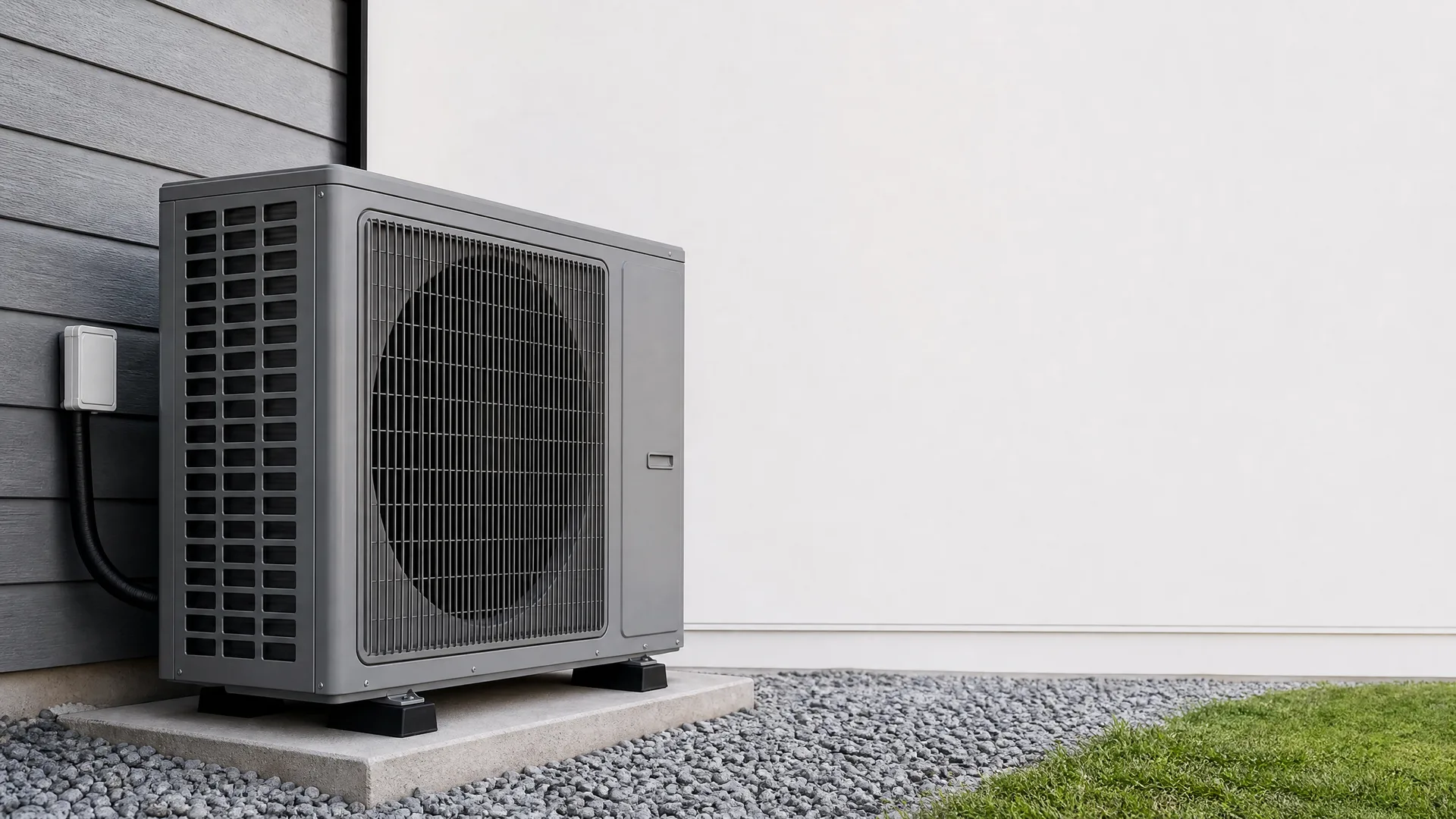
A gray outdoor heat pump unit on a concrete pad beside a house with dark horizontal siding and a plain white wall, surrounded by gray gravel next to a strip of grass.

Why the backup heat kicks in

A heat pump pulls warmth from outside air, and the colder that air gets, the harder it has to work to find any. Below a certain outdoor temperature, usually somewhere in the 30s, the system can't pull enough heat on its own and the backup heat strip turns on to cover the gap. That's normal for an Illinois winter. It's only a problem if the backup heat is running constantly instead of kicking in for short stretches on the coldest days.

A gray outdoor heat pump unit on a concrete pad over gravel, beside a house with horizontal siding and an adjoining light stucco wall.

What a frosted coil means

Some frost on the outdoor unit during winter is normal, and the system defrosts itself on a timer, switching briefly into cooling mode to melt it off before going back to heating. A unit that's solid with ice and not clearing on its own usually points to a problem with the defrost control, a sensor, or airflow across the coil. Since power here isn't cheap, a coil that can't shed ice efficiently is pulling more electricity than it should to make the same heat.

A man with a duffel bag walks up a concrete path toward a white board-and-batten house where a woman stands in the open wooden front door, flanked by potted plants and black lanterns.

What it looks like in your house

Most houses in Illinois heat with gas, so a heat pump in your house is probably doing the job alongside a furnace, not alone. If you've been switching it to emergency heat every cold snap, you're asking that backup furnace to carry the whole load, and with power costs here, that shows up fast on the bill. Leave it on auto and let the heat pump pull as much warmth from the air as it can before the furnace has to step in.

If the thermostat isn't holding steady, or the backup heat seems to run more than it should for how cold it actually is outside, that's worth having someone look at before it costs you a full winter of higher bills. A local contractor who works on heat pumps all season knows what tends to go wrong in weather like this, and knows the difference between a system that's working as designed and one that's compensating for something failing. Get matched with one who services your area and your equipment, and they'll reach out directly, no need to field calls from more than one company.

A light gray sofa with gray and beige textured throw pillows and a cream knit blanket beside a white-framed window, with a small round side table holding a ceramic vase and potted greenery.
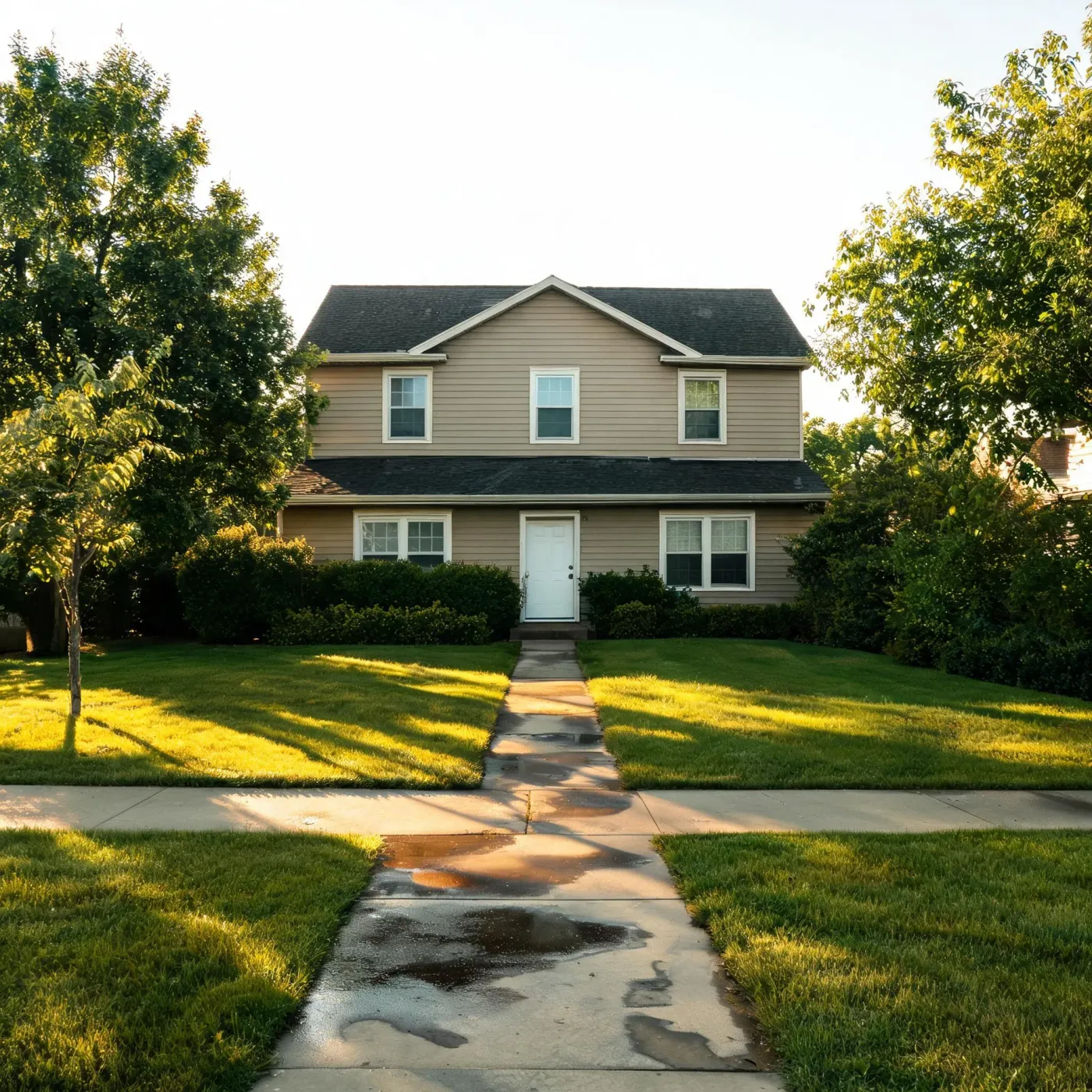
A two-story house with tan horizontal siding and a dark shingled roof, fronted by a mowed lawn, trimmed shrubs, leafy trees on both sides, and a concrete walkway leading from a wet sidewalk to the white front door.

Across Illinois, the summer dew point averages 63°F over June, July and August, according to NOAA climate data. That's heavy, sticky air, and your heat pump is pulling double duty in weather like that, wringing out humidity as it cools. A system that's not maintained loses ground on that job before it loses ground on temperature, so the house can feel cool but still damp. That's a coil and airflow issue as much as a thermostat setting, and it's worth having someone local look at before the humid stretch sets in, someone who services this equipment all year and knows what tends to give out first in weather like this.

NASA POWER T2MDEW county cells weighted by homes

A heat pump pro near you

A licensed local pro takes the request for your heat pump tune-up.

There's no charge for the request.

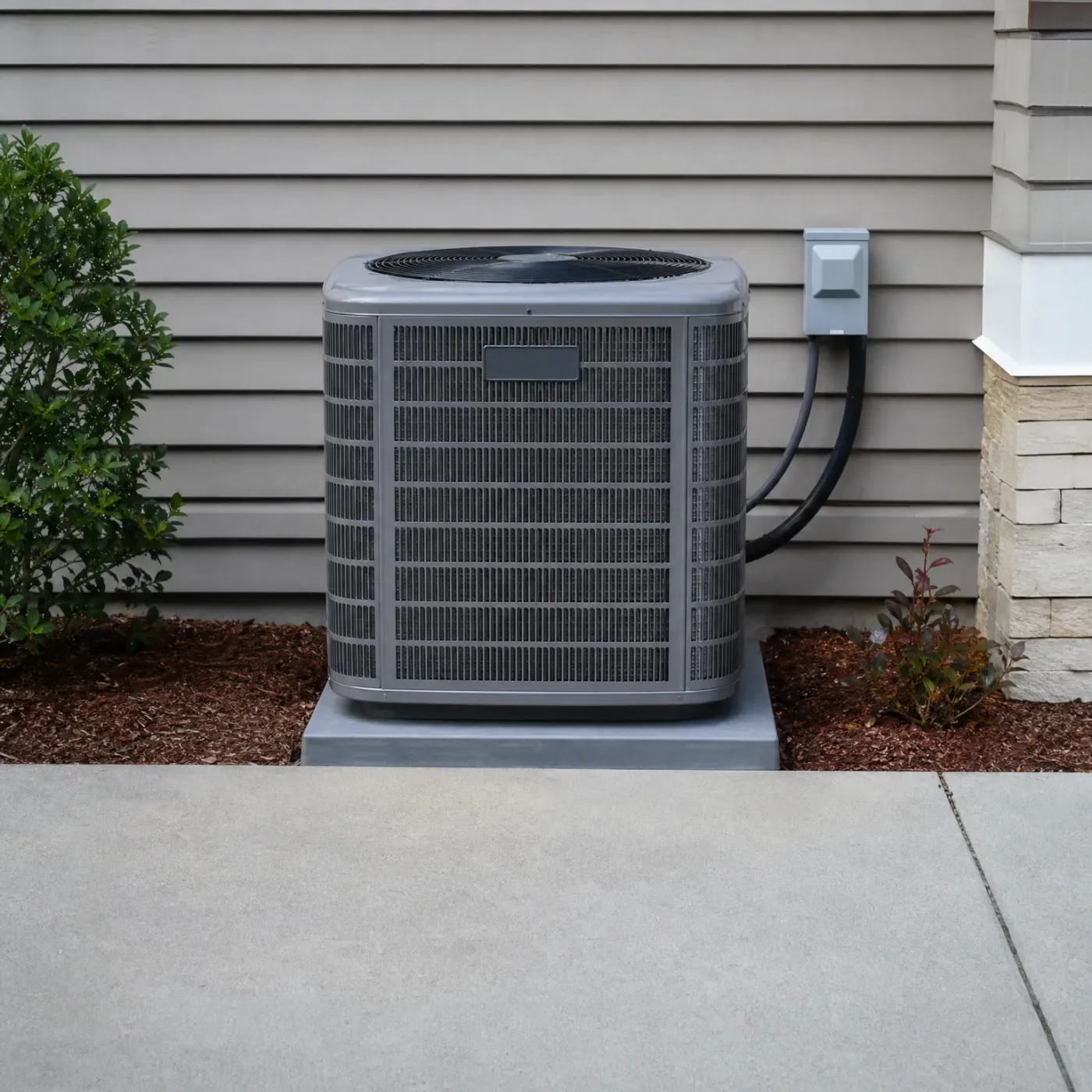
A gray outdoor condenser unit sits on a concrete pad beside a house with horizontal lap siding, with a wall-mounted disconnect box and refrigerant lines, mulched beds and a shrub nearby, and a concrete walkway in the foreground.

What steady running looks like

The unit sits clean on its pad, coils clear, nothing blocking the airflow around it. Set on auto heat and left alone, it cycles on and off in short stretches instead of running flat out. That's a heat pump doing what it's built to do.
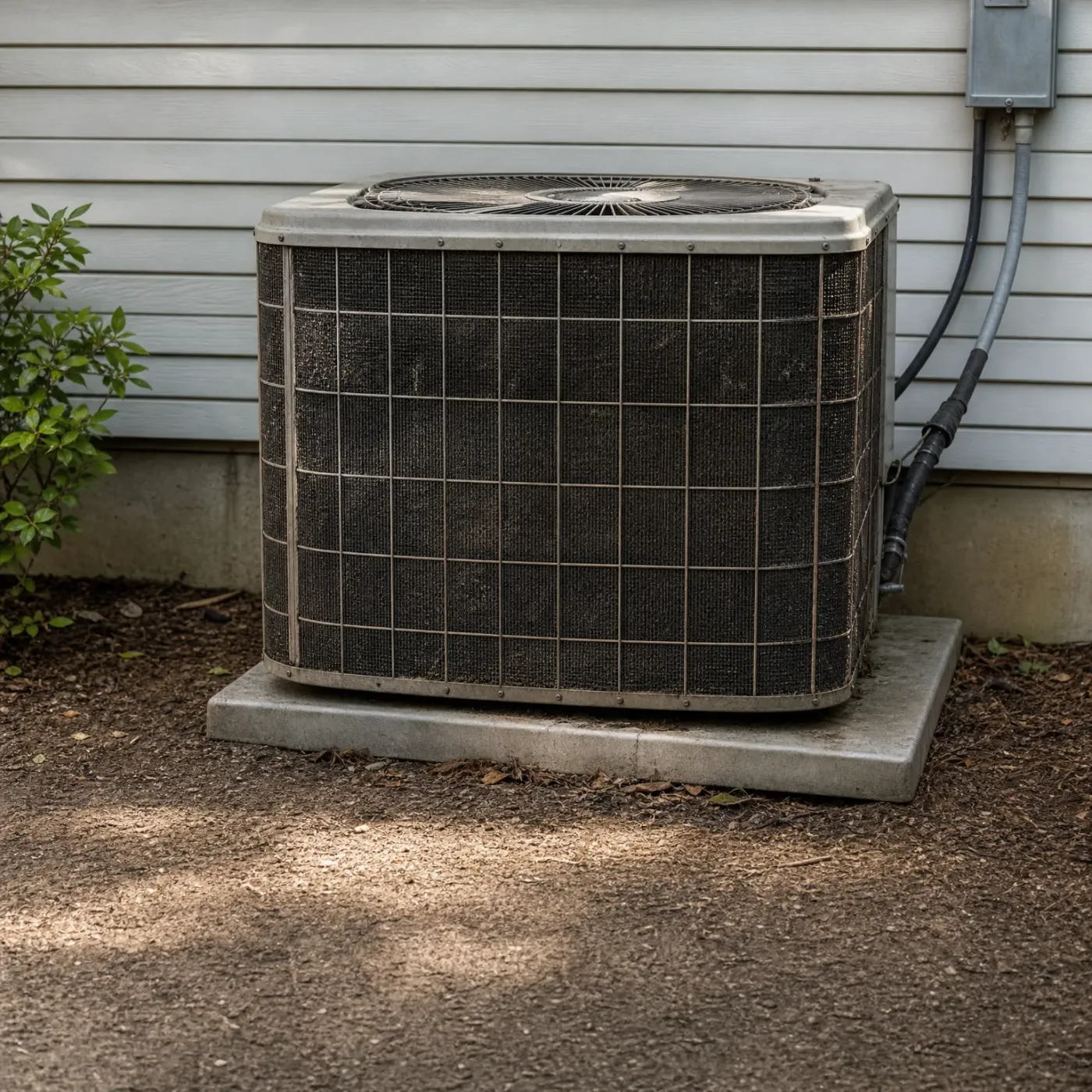
An outdoor air conditioning condenser unit with dusty coils sits on a concrete pad against light horizontal siding, with an electrical disconnect box and refrigerant lines on the wall and a shrub and mulch at left.

What a struggling unit looks like

Dirt and grime coat the coil, and the ground around it has gone bare. A unit working this hard all winter, especially one that's older, is worth having checked before the next cold snap. Maintenance catches a dirty coil before it turns into a system that can't keep up.

Why does my heat pump run so long before the air feels warm?

You stand by the vent and the air coming out feels cool, not cold, but not what you'd call warm either, and the system just keeps running. You start to wonder if it's actually doing its job or if something's wrong with it.

Because a heat pump moves warm air, it doesn't burn it

A furnace burns gas and pushes out air hot enough to feel right away. A heat pump works differently. It pulls warmth out of the outside air and moves it into your house, so the air coming out of the vent usually sits somewhere around body temperature, warm enough to heat the room but not hot to the touch. That's why it runs longer, in steady stretches, rather than short hot bursts. On a cold Illinois day the outside air holds less warmth to begin with, so the system has to move more of it to keep up. As long as the house is slowly warming and the unit isn't icing over, that long runtime is the heat pump working the way it's built to.

A gray outdoor condenser unit on a concrete pad beside a light-colored horizontal-siding house, with a disconnect box and refrigerant line on the wall, ornamental grasses and a shrub in mulch nearby, and a concrete patio in the foreground.

Running clean

Grass trimmed back, mulch bed clear, nothing crowding the cabinet. Air moves through the coil the way it's supposed to, so the unit pulls heat out of cold air without a fight. A heat pump kept clear like this holds its cycle and doesn't lean on the furnace more than it has to.

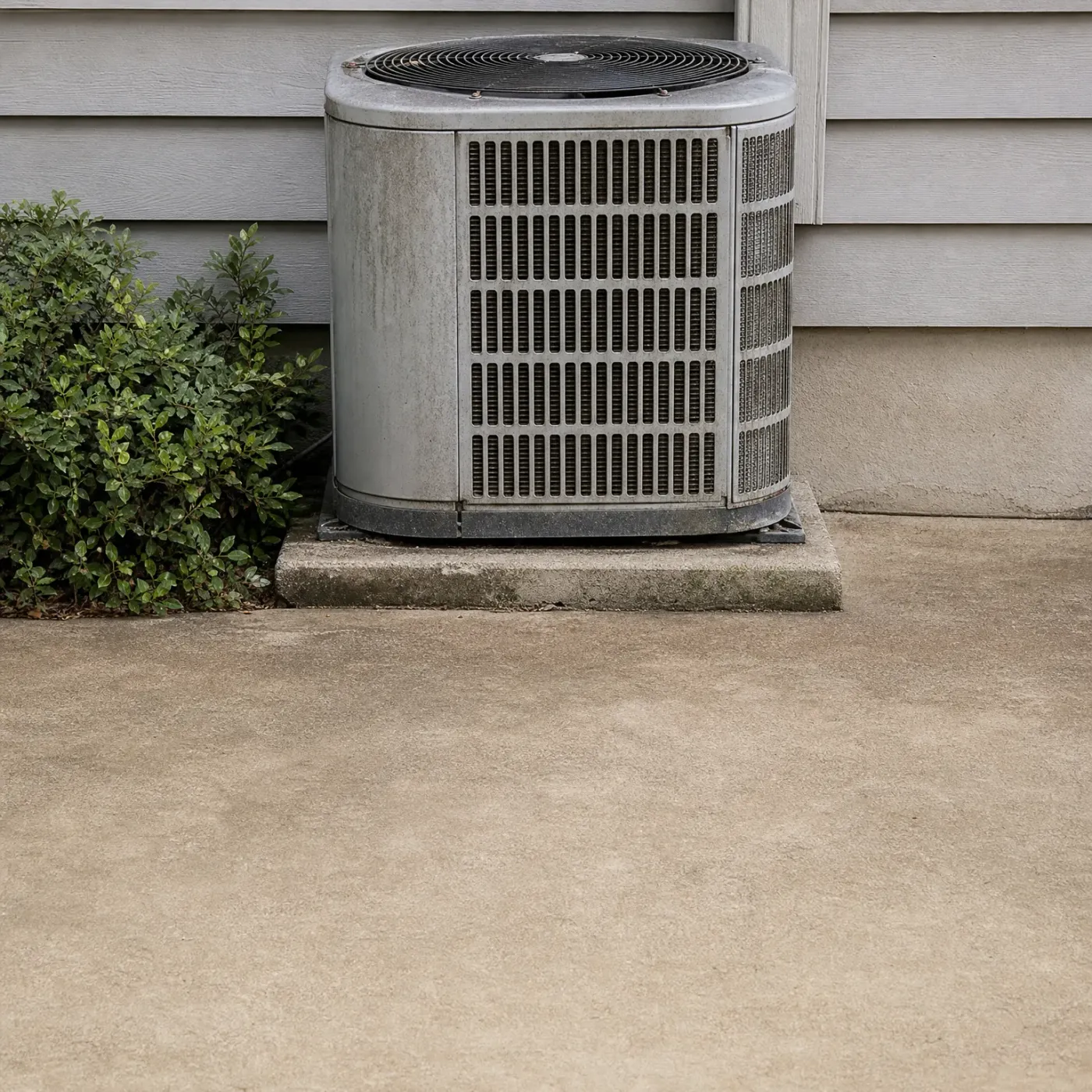
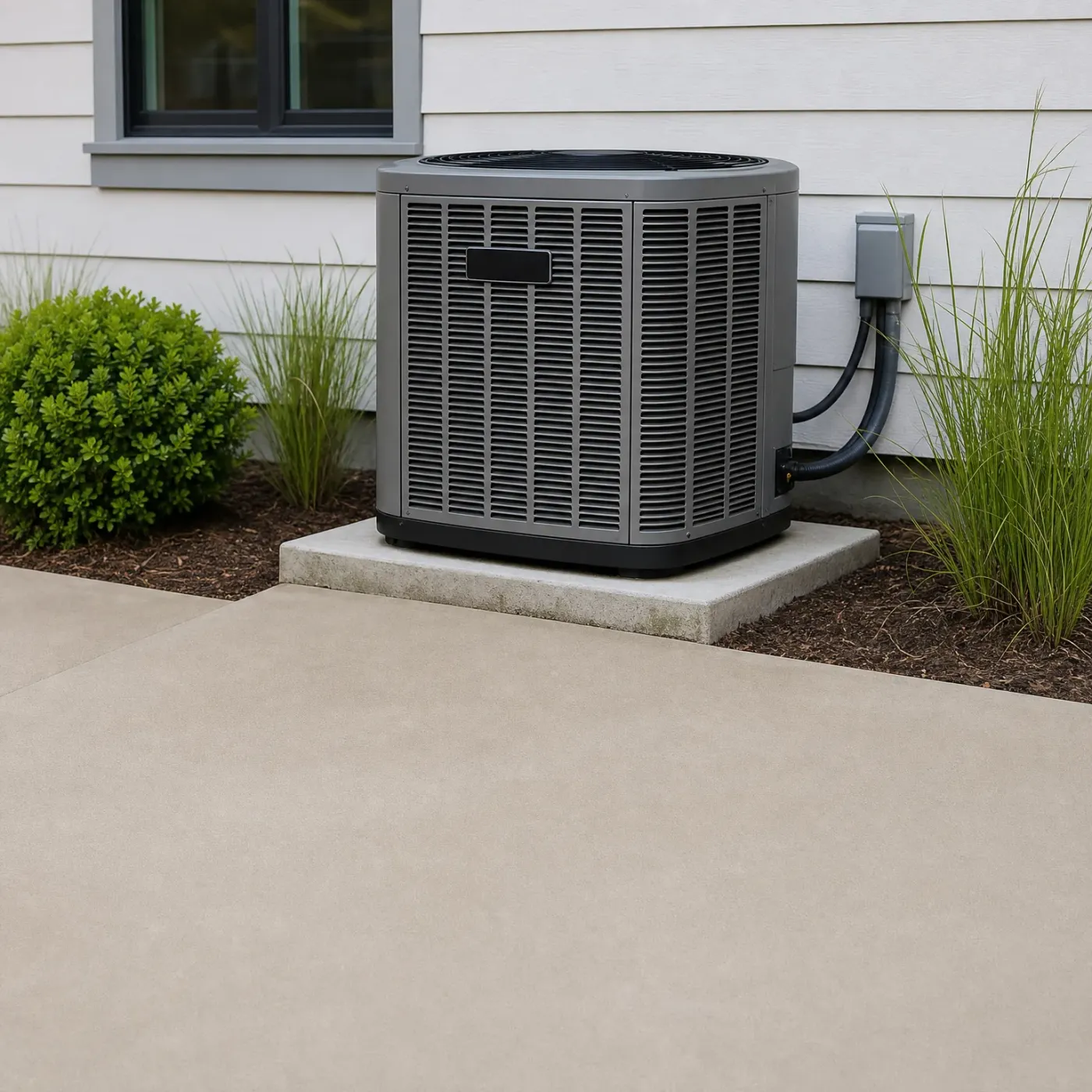
An outdoor air conditioning condenser unit on a concrete pad beside a house with horizontal lap siding, with a green shrub to the left and a wide concrete slab in the foreground.

Boxed in on concrete

Set flush against the siding with nothing but bare concrete around it, this unit has no room to breathe. Dirt and debris collect against the cabinet faster, and if a service tech ever needs to get at the coil or the disconnect, there's barely room to stand. Airflow suffers before you notice anything on the thermostat.

Power costs 17.67 cents per kilowatt-hour statewide

At 17.67 cents a kilowatt-hour, every hour your heat pump leans on backup strip heat instead of its own compressor shows up on the bill. That's the real cost of flipping to emergency heat during a cold snap instead of letting the system work the way it's set up to.

EIA-861 2025 statewide residential average

The Setting, Settled

  • Auto heat with a steady setpoint is the setting that keeps the system running the way it was built to run.
  • Emergency heat is for when the outdoor unit is iced over and not defrosting, or it genuinely can't keep up, not for every cold snap.
  • A heat pump working alongside a gas furnace still needs its own steady setting to avoid leaning on backup heat.
  • Illinois winters push outdoor units hard, and buildup on the coil or a bad defrost cycle is usually what forces the switch to backup heat.
  • A local contractor who services heat pumps all winter knows which parts tend to fail first in this kind of cold.
  • Matching with one licensed contractor near you means a single point of contact who already knows this equipment, not a string of calls to sort through.

Set it on auto heat, pick a temperature, and leave it there through the cold months. That's the whole answer. The system is built to run long and steady, pulling what warmth it can from outside air, and it only needs help when ice builds up on the outdoor coil and won't clear, or when the air outside gets cold enough that the compressor alone can't keep the house at temperature. Everything else, the short cycles, the long runtimes, the air that feels cool instead of warm at the vent, is the system doing its job the way it was designed to.

If yours runs next to a gas furnace, it still needs that steady setting. Flipping to emergency heat out of habit just means the furnace is carrying the whole load while the heat pump sits idle, and the bill shows it.

What usually knocks a system off that steady pattern is buildup on the coil or a defrost cycle that isn't clearing it, and that's exactly the kind of failure a contractor who works on heat pumps all winter in this state has seen before and knows how to spot early. Request a match here and you're connected with one licensed contractor local to you, not a handful of companies competing for the callback. Someone who already knows what an Illinois winter does to this equipment is the one who shows up.

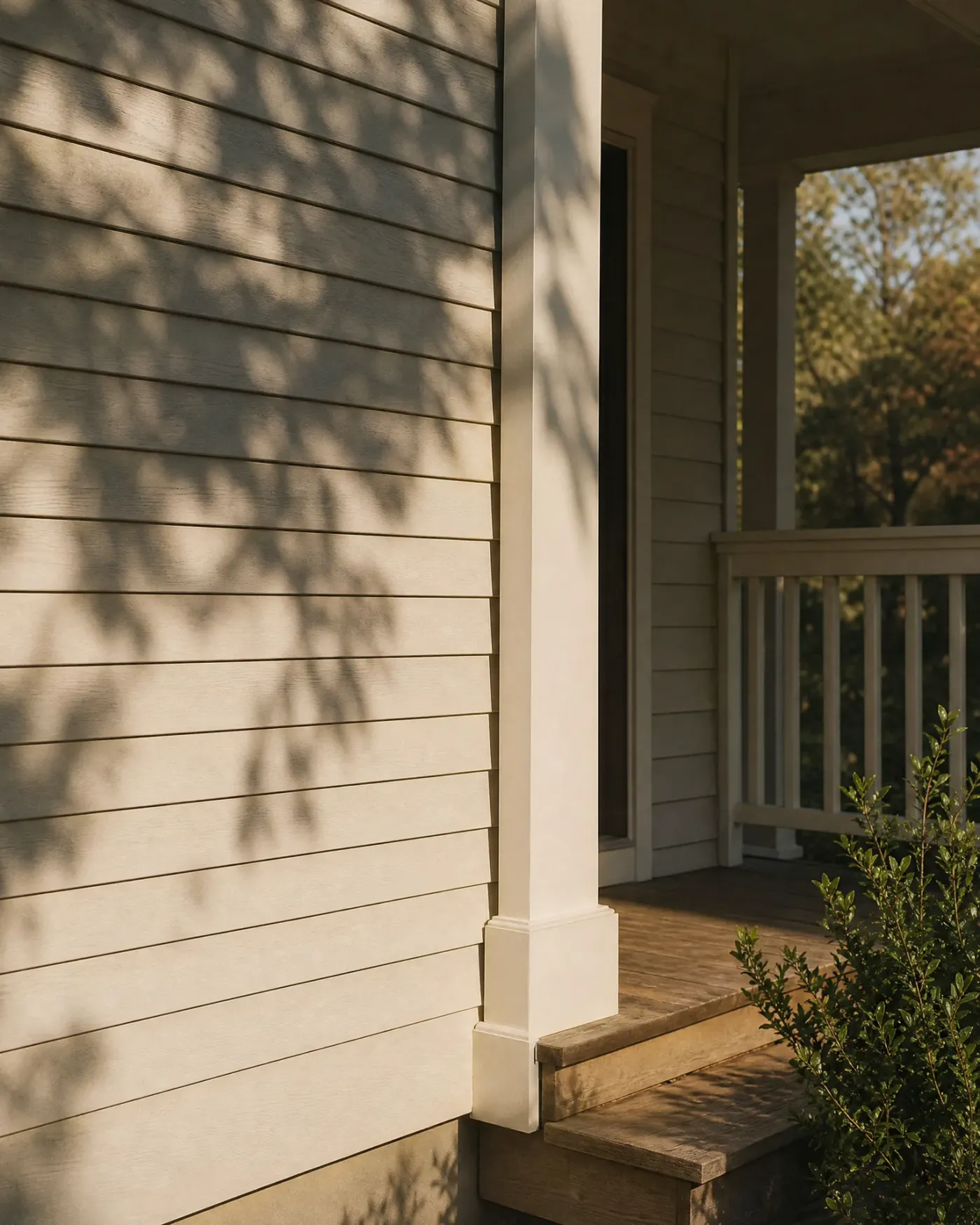
Corner of a house with cream horizontal lap siding and tree shadows, beside a covered porch with a square column, wooden deck, steps, white balusters, and a shrub at right.
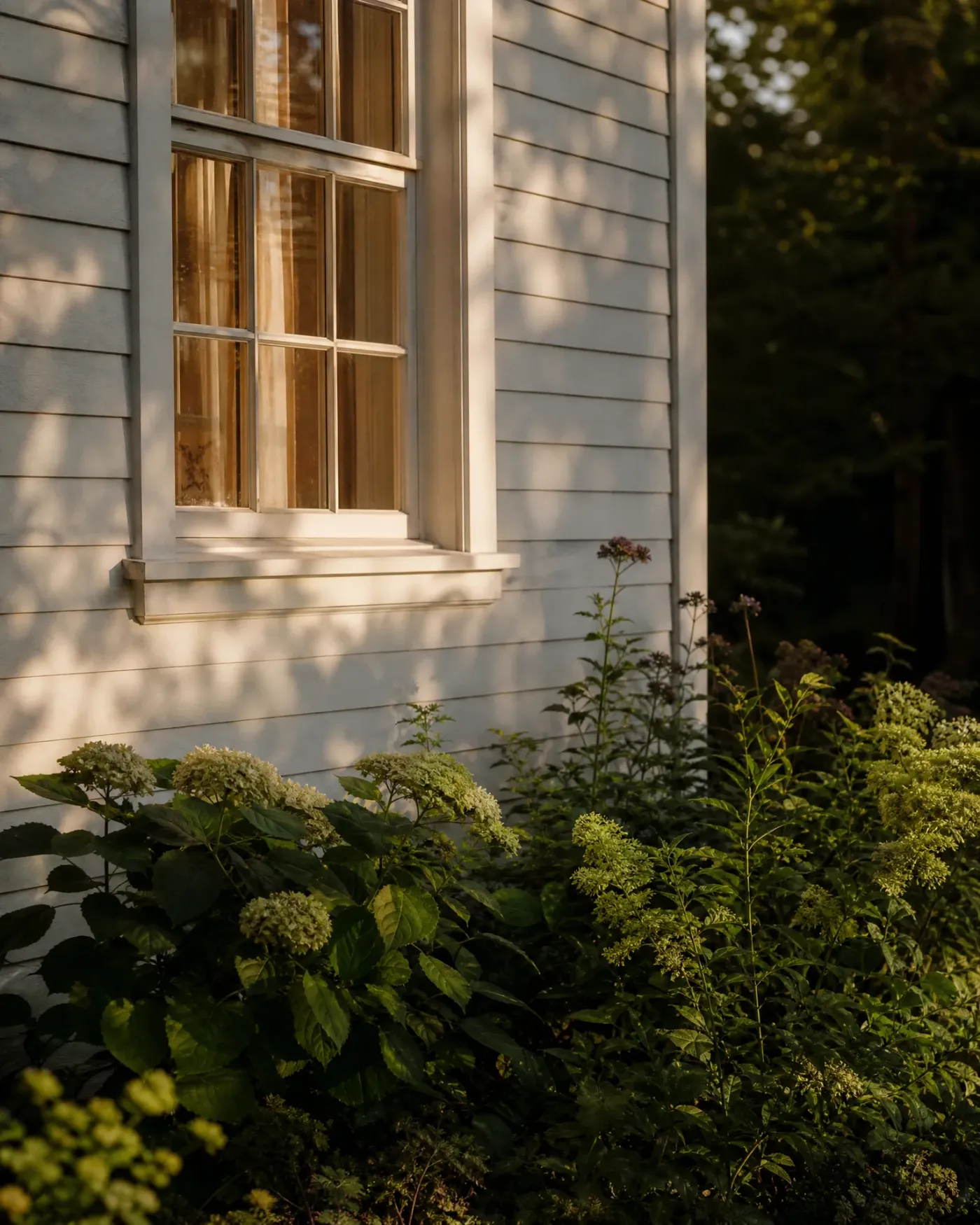
Corner of a white clapboard house with a multi-pane wood window in warm low-angle sunlight, with hydrangea shrubs and other green foliage growing along the base and dark trees behind.
A wooden front door with divided-light glass panes set under an arched entry on a white shingled house, with a black wall lantern, a tall gray planter, flowering shrubs, and a flagstone walkway.
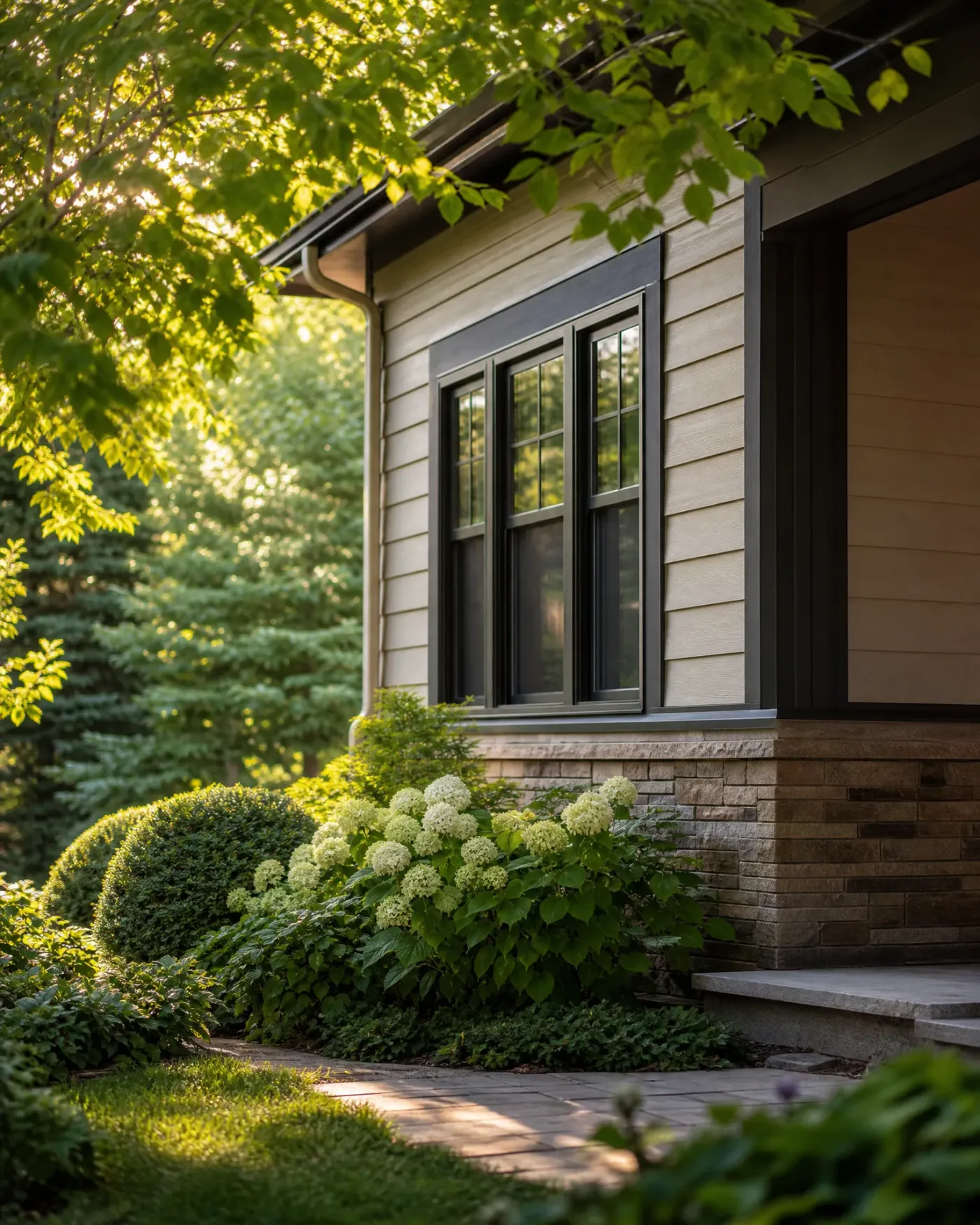
Exterior corner of a house with cream horizontal siding, a dark-framed three-section window, and a stone veneer foundation, with white hydrangeas and clipped shrubs along a paved walkway and tree branches overhead.
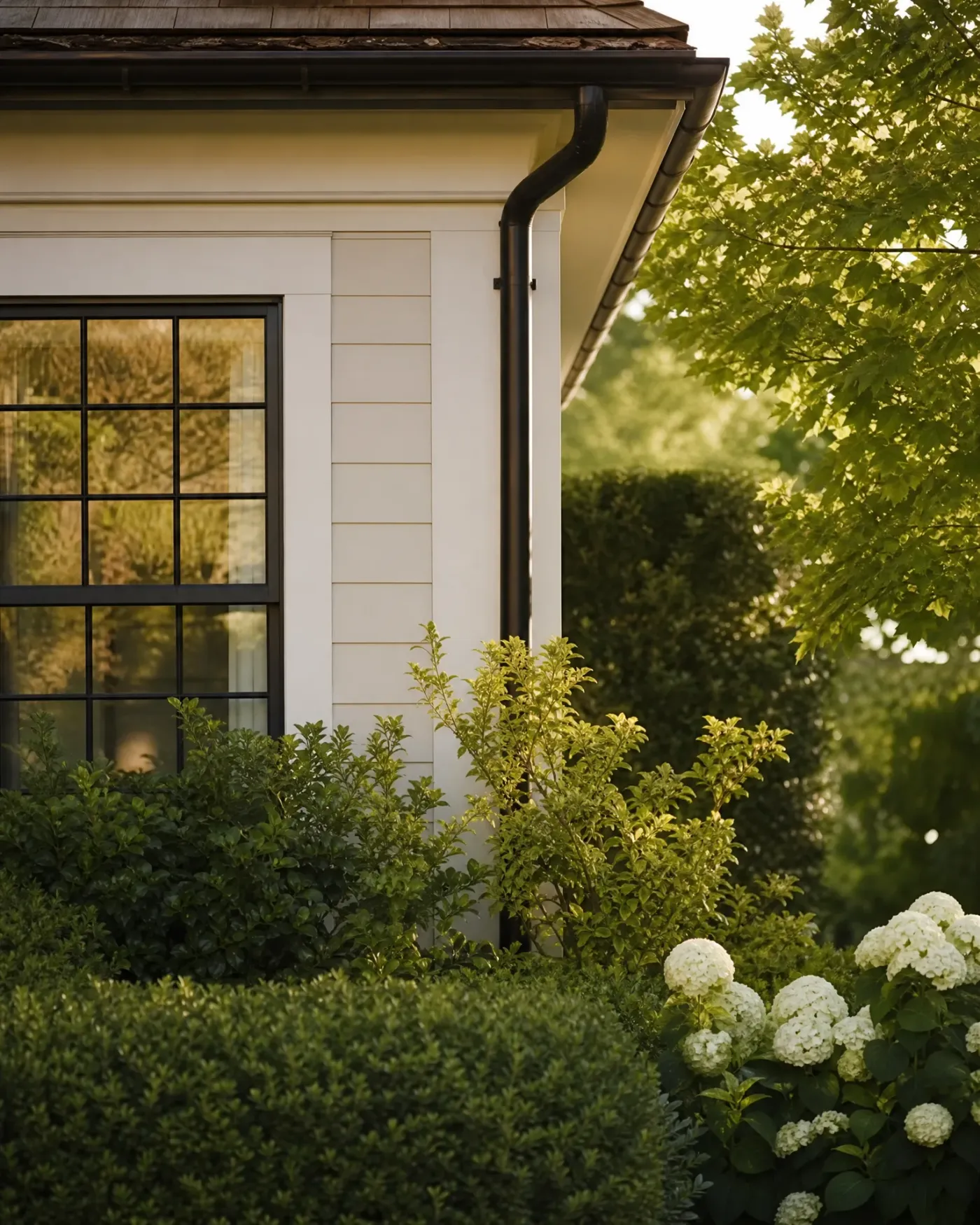
Corner of a white-clad house with a dark-framed grid window, dark downspout and eaves, surrounded by trimmed hedges, shrubs, white hydrangeas and a leafy tree in sunlight.

A local pro for your heat pump maintenance

Your request goes to one pro, not a list of companies.

Connect with a pro

You only hire the pro if you want to.