Furnace Maintenance in Illinois
Homes in Illinois are older than in 42 of the other 49 states.
Tell us about the job
Takes about a minute. No obligation.
- 20°Fwinter overnight low where people live
- 8 monthsof heat, October through May
- $10.64 per million Btuwhat homes paid for natural gas in 2024 (Btu means British thermal units, a measure of heat)
- 1,125winter storms from 2015 to 2024
Illinois storms hit harder than most Worst in Cook County, year-round
- Northern counties need about 12% more heat than southern ones
- Winter nights average 20°F where people live
- Heat runs October through May
- 1,125 winter storms from 2015 to 2024
- Climate zones 4A and 5A across the state
- 16% of homes lost power a day or more in 2024
An older furnace needs someone looking at it every year
Half the homes in Illinois were built in 1971 or earlier. If your furnace came with the house, or came with whatever replaced the last one, a yearly check matters more than it would in a newer build. Older homes have had more years for a duct joint to loosen or a connection to wear, and a tech who looks at the system every year catches that kind of thing while it's still small. Most of the state's housing, 64.3 percent, is detached or attached single-family houses, the kind where one furnace carries the whole place and there's no neighboring unit to fall back on if it quits.
Furnaces in Illinois run from October through May, about eight months of the year. That's longer than what homes in 22 other states need. A furnace working that many months has more hours to wear down a hot surface igniter or loosen a connection, and once a year is when a tech can catch it before it fails in use.
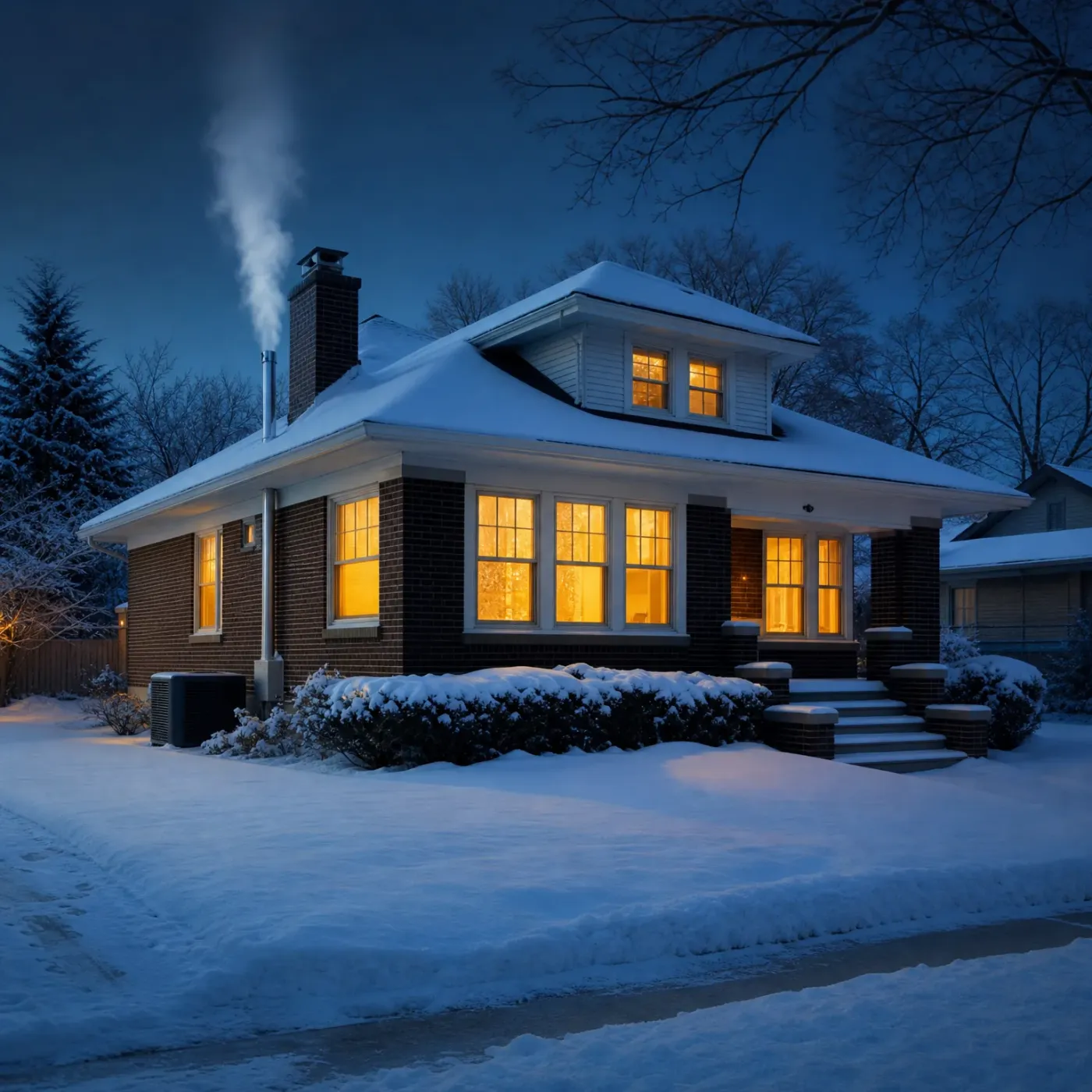
Winter nights here average 20°F, colder than in 35 other states. A furnace built to heat a mild winter night and one built to keep a house livable at 20°F below are doing different jobs, and the second one has less room for something to be off. A yearly check before the cold sets in is what keeps it running the way it needs to when the temperature drops and stays there.
Book it before October, not after
October is when the furnace starts working for real, so September is when a tech should already have looked at it. Eight months of heating leaves little room to catch a bad igniter after the fact. Get the check done while it's still September weather outside.


3 months of cooling, June through August
8 months of heat, October through May
Illinois splits north to south more than it looks like it should on a map. Homes in the northern counties need about 12% more heat over a year than homes in the southern counties, and that gap shows up most clearly at the extremes.
Jo Daviess County, in the north, needs about 66% more heat over a year than Massac County, where the state's heating need is the lowest. Winter nights make the same point. Jo Daviess averages a low of 15°F across December, January and February. Massac averages 29°F. That's not a small difference in how hard a furnace has to work to keep a house livable.
A furnace in Jo Daviess County is doing more over a winter than a furnace in Massac County, and a yearly check matters more where the machine is working harder. If you're in the northern counties, don't push that check later into the fall. If you're closer to Massac County, there's more room, but the furnace still needs the same look before it has to carry the house through another winter.
What does a furnace in Illinois face?
How cold do winter nights get?
20°Faverage overnight low where people live
North Dakota4°F
Hawaii65°F
How many months does the heat run?
8 monthsof heating a year
Hawaii0 months
Alaska12 months
What does natural gas cost?
$10.64per million Btu, what homes paid in 2024
Montana$7.77
Hawaii$53.25
How often do storms hit?
448severe weather events per county from 2015 to 2024
Alaska5
Wyoming1,057
How many homes lost power for a day or more?
16%of homes in 2024
Arizona7%
Maine54%
What a real tune-up covers
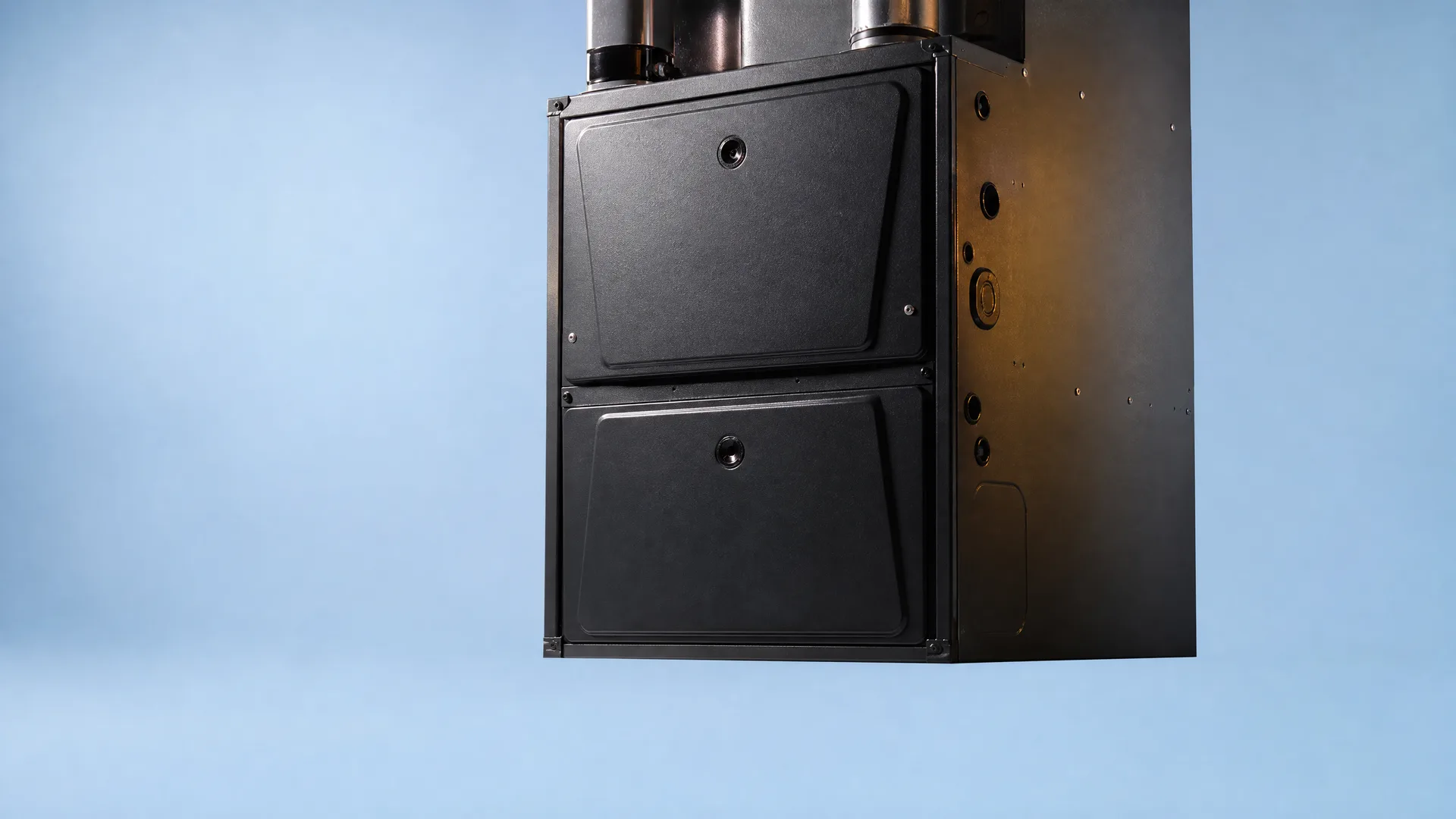
A quick visit gets you a filter swap and a glance at the flame. A thorough one gets the cabinet open. The tech should pull the burners and look at them, check the flame sensor and clean it if it's coated, and test the igniter rather than just looking at it, since a hot surface igniter can glow and still be on its way out. The heat exchanger gets inspected for cracks, because a cracked exchanger can let combustion gases into the air the furnace is supposed to be heating. Someone should check the draft, confirm the vent pipe is pitched right and clear, and test the gas pressure at the manifold instead of assuming it's where it should be. The blower wheel gets looked at for dust buildup, which cuts airflow even when the filter is clean. A thorough tech also checks the safety controls, like the limit switch and the pressure switch, and makes sure the system shuts off the way it's supposed to when something's wrong. If the visit is over before any of that happens, it was the quick version.
Measured, not eyeballed
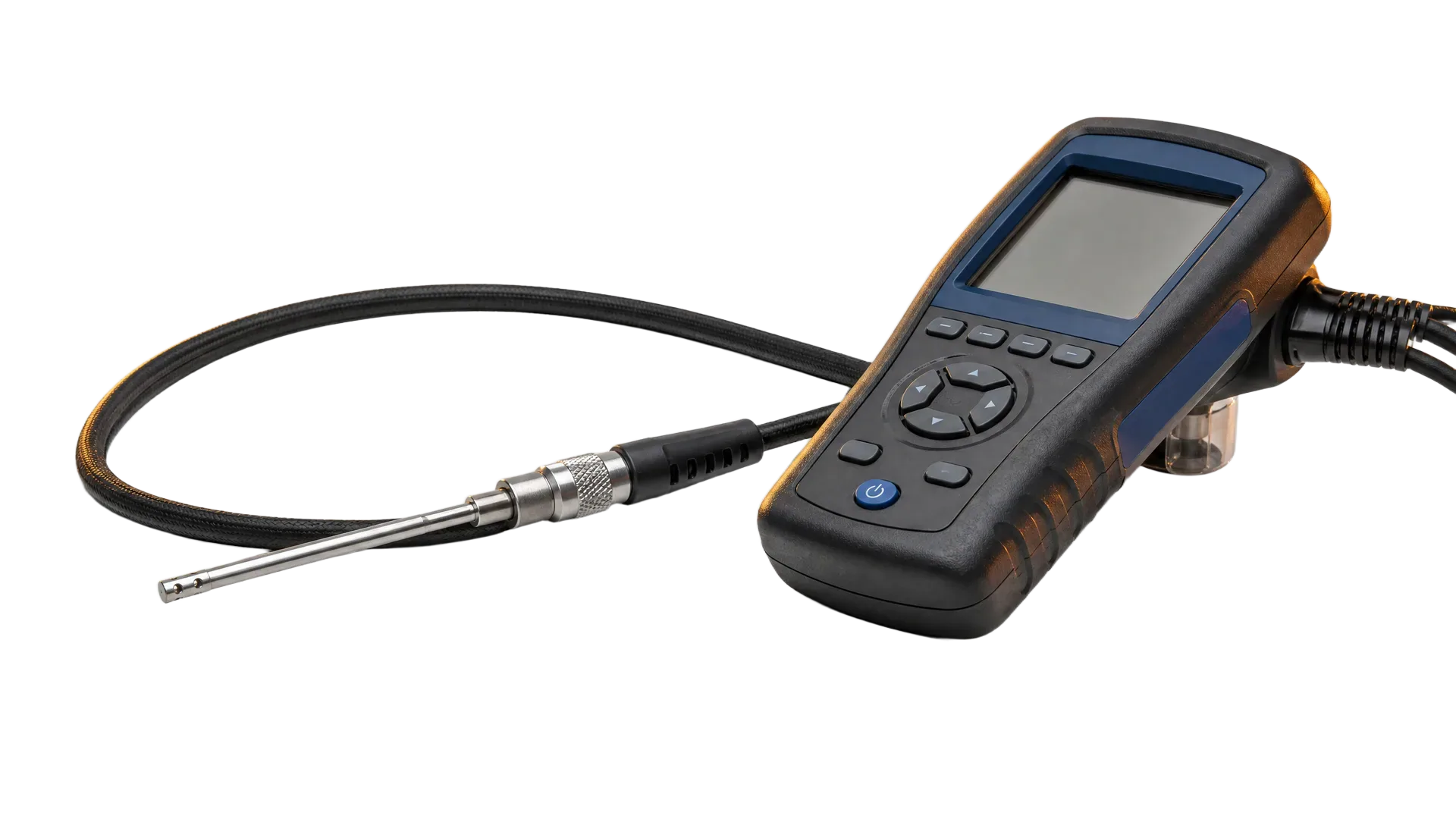
A tune-up is only as good as what actually gets measured, not just looked at. Amperage draw on the blower motor tells a tech something a visual check never will. A motor can look fine and still be pulling more current than it should. The same goes for gas pressure. Reading it at the manifold with a manometer catches a furnace running rich or lean before that turns into a problem you'd notice. Combustion analysis works the same way. A probe in the flue reads carbon monoxide and oxygen levels and tells the tech whether the burners are actually burning clean, which no amount of looking can confirm. Wiring connections get checked for looseness too, because a connection that's just starting to corrode can still carry current fine, right up until it doesn't. A tech who pulls out a meter and a probe is doing a different job than one who opens the door, glances in, and calls it done.
Most furnaces here burn gas
Gas heats 75.3% of homes in Illinois, and that's the furnace most techs here are working on. A gas furnace has a burner that has to light the same way every time, a flue that has to draw the exhaust out of the house, and a set of safety switches that shut the whole thing down if either one stops doing its job right. None of that gets checked by swapping a filter. Electric furnaces, in 18.6% of homes here, don't have a burner or a flue to worry about, but they're a smaller share of what's out there. If yours runs on gas, the yearly visit needs to cover the parts that burn and vent, not just the parts that blow air.
Storms here can knock out power for a day or more, and your furnace needs to be ready.
Tell us about the job
Takes about a minute. No obligation.
Fill out the form once and hear from a licensed Illinois contractor who can check it before winter.