Furnace Repair in Illinois
Homes in Illinois are older than in 42 of the other 49 states.
Tell us about the job
Takes about a minute. No obligation.
- 20°Fwinter overnight low where people live
- 8 monthsof heat, October through May
- $10.64 per million Btuwhat homes paid for natural gas in 2024 (Btu means British thermal units, a measure of heat)
- 1,125winter storms from 2015 to 2024
Severe weather hits Illinois harder than most Cook County sees the most storm activity
- Northern counties need about 12% more heat than southern ones
- Winter nights average 20°F where people live
- Heat runs October through May
- 1,125 winter storms from 2015 to 2024
- Climate zones 4A and 5A across the state
- 16% of homes lost power a day or more in 2024
Half the homes in Illinois were built in 1971 or earlier.
Furnaces here start working in October and keep going through May. That's a longer stretch than 22 other states see, which means more hours of runtime on every part. A furnace that struggled toward the end of last season is worth checking in September, before the first cold night finds the same weak spot.
Most furnace breakdowns show up early in the season, not in the dead of winter. A part that barely held on through last May's final runs often fails the moment the system kicks back on in October. If yours is acting up now, that's the pattern repeating, not bad luck.
Nothing unusual is wrong with it
October through May is eight months of heat, and the nights it's working against average 20 degrees. That's not the coldest in the country, but it's colder than 35 other states get. So the furnace runs longer and works harder on the nights it does run. None of that points to anything unusual going wrong. A furnace acting up in Illinois is almost always the same failure you'd find anywhere. A cracked heat exchanger, a weak igniter, a blower motor on its way out. The fix is ordinary. The season just changes how soon you want it found.


3 months of cooling, June through August
8 months of heat, October through May
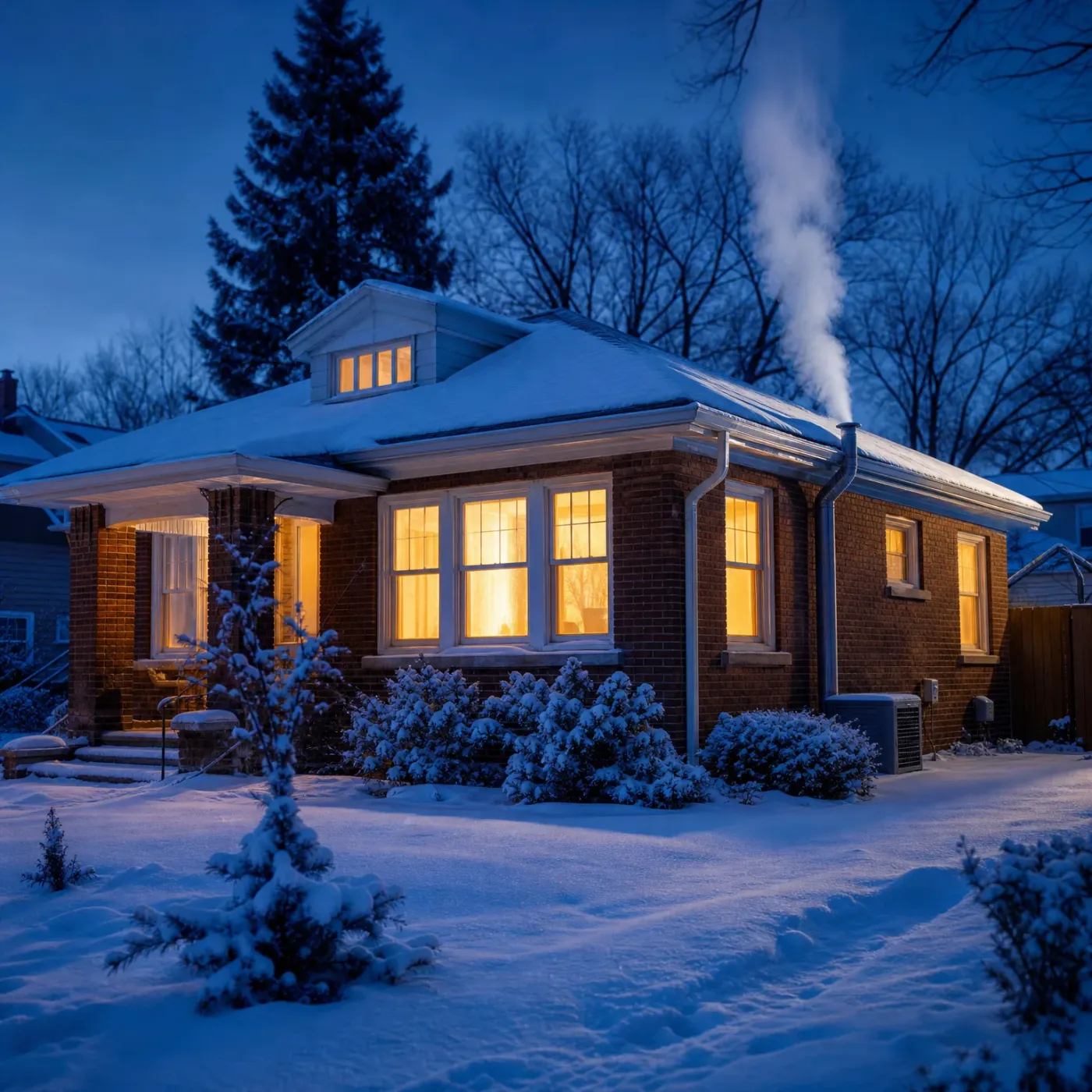
Illinois splits north and south more than it splits any other way. Homes in the northern counties need about 12% more heat over a year than homes in the southern counties, and that gap shows up in how hard the furnace works, not just how long it runs.
Jo Daviess County, in the northwest corner, needs about 66% more heat over a year than Massac County, at the state's southern tip, where heating need is the lowest in Illinois. That's the widest gap named in the state. A furnace in Jo Daviess County is doing real work that a furnace in Massac County rarely has to do.
The nights tell the same story. Jo Daviess County averages a low of 15°F across December, January and February. Massac County averages 29°F over those same months. A furnace pushed to run on the coldest nights wears differently than one that only has to take the edge off.
Where you are in the state should shape how you read a furnace acting up. In the northern counties, especially around Jo Daviess, a struggling furnace has likely been working close to its limit all winter, with less room left before the igniter or blower motor gives out. Farther south, toward Massac County, the same age furnace has had an easier run, so trouble there is more likely one part failing on its own than the whole system being pushed past what it can handle.
What does a furnace in Illinois face?
How cold do winter nights get?
20°Faverage overnight low where people live
North Dakota4°F
Hawaii65°F
How many months does the heat run?
8 monthsof heating a year
Hawaii0 months
Alaska12 months
What does natural gas cost?
$10.64per million Btu, what homes paid in 2024
Montana$7.77
Hawaii$53.25
How often do storms hit?
448severe weather events per county from 2015 to 2024
Alaska5
Wyoming1,057
How many homes lost power for a day or more?
16%of homes in 2024
Arizona7%
Maine54%
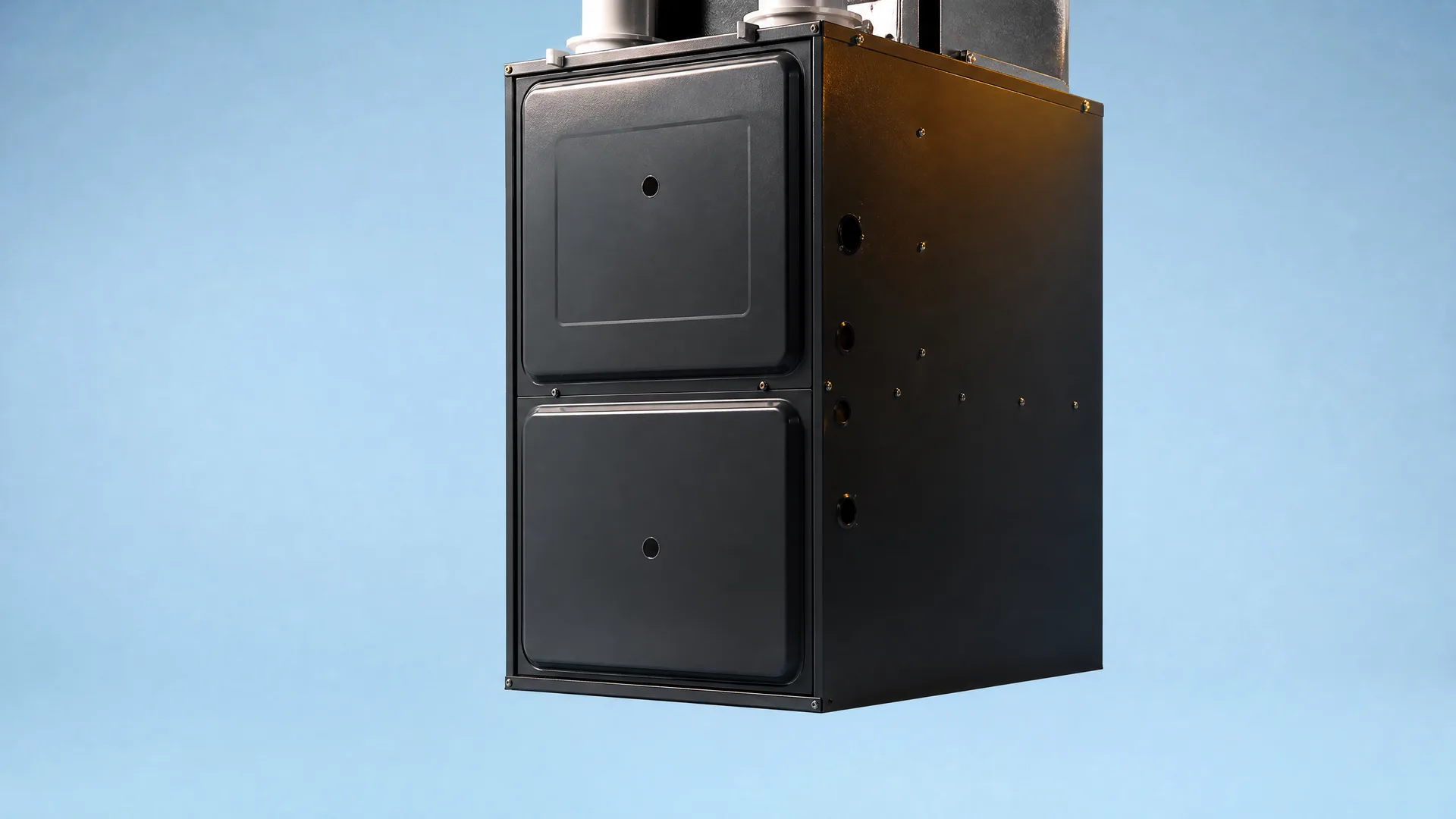
What a furnace acting up actually looks like
A furnace that needs attention usually tells you before it quits outright. It short cycles, running for a few minutes then shutting off before the house warms up, which points to a flame sensor coated in residue or a filter choked with dust. It blows air that never gets hot, which often means the igniter isn't lighting the burners at all. A burner flame that should burn blue showing up yellow or orange isn't a color to leave alone, since it means the gas isn't burning clean. Banging or popping from the ductwork when the system starts usually means the ducts are expanding against something, not that the furnace itself is failing. A grinding or squealing sound points to the blower motor bearings wearing out. If the thermostat calls for heat and nothing happens, the problem could be as simple as a blown fuse or as serious as a failed control board. Whatever you're hearing or seeing, it's worth describing exactly rather than just reporting that the furnace is acting up.
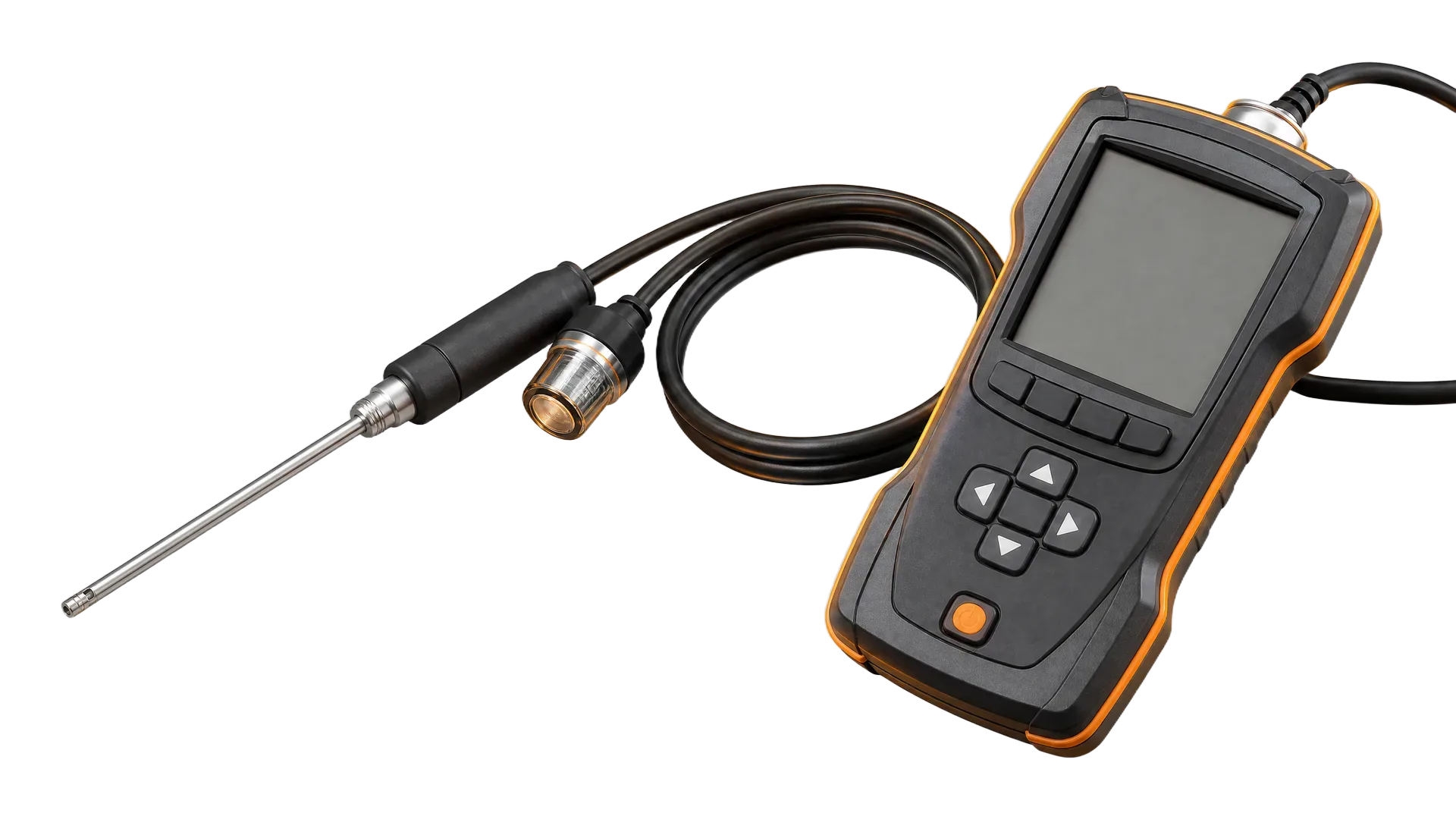
Why furnaces break down
Furnaces fail the same handful of ways almost every time. Heat exchangers crack from years of heating and cooling every time the burners fire, and once that happens, replacing the exchanger is the only real fix since a cracked one can let exhaust mix into the air the blower is pushing through the house. Igniters burn out because they do the most work every cycle, heating up from cold to light the gas, and that repeated heating is what wears them out. Flame sensors fail quieter. They get coated in residue until they can't tell the control board a flame is lit, and the furnace shuts itself down on purpose, as a safety step. Blower motor bearings wear down from years of spinning, and that's the grinding or squealing you hear before the motor seizes. Draft inducer motors fail the same way, and when they do, the furnace often won't start at all because it can't prove it's pulling exhaust safely out of the house. None of this is about a furnace being old. It's about parts that cycle on and off for years, and that strain catches up with all of them eventually.
When the power goes out, not just the furnace
Severe weather adds a different kind of risk to a furnace call. Most of a furnace's parts sit inside, away from weather, but the power behind it doesn't. A day-long outage during a cold stretch means no ignition and no blower, regardless of what shape the furnace itself is in. Winter storms, including heavy snow, ice and blizzards, have hit Illinois over a thousand times between 2015 and 2024. If the furnace stopped during or right after an outage, check the obvious first. The breaker. The switch that looks like a light switch near the unit. The thermostat screen. Most furnaces come back on their own once power is restored. If yours didn't, that's worth telling the contractor directly, since it points away from a worn part and toward something electrical that didn't reset.
Storms here can knock out power or wreck an outdoor unit, and either one leaves you without heat.
Tell us about the job
Takes about a minute. No obligation.
Answer a few questions and you'll be matched with a licensed contractor who can take the call.