
Furnace Installation in Illinois
Homes in Illinois are older than in 42 of the other 49 states.
Tell us about the job
Takes about a minute. No obligation.
- 20°Fwinter overnight low where people live
- 8 monthsof heat, October through May
- $10.64 per million Btuwhat homes paid for natural gas in 2024 (Btu means British thermal units, a measure of heat)
- 1,125winter storms from 2015 to 2024
Illinois winters are long, not extreme Eight months of heat, nights near 20°F
- Northern counties need about 12% more heat than southern ones
- Winter nights average 20°F where people live
- Heat runs October through May
- 1,125 winter storms from 2015 to 2024
- Climate zones 4A and 5A across the state
- 16% of homes lost power a day or more in 2024

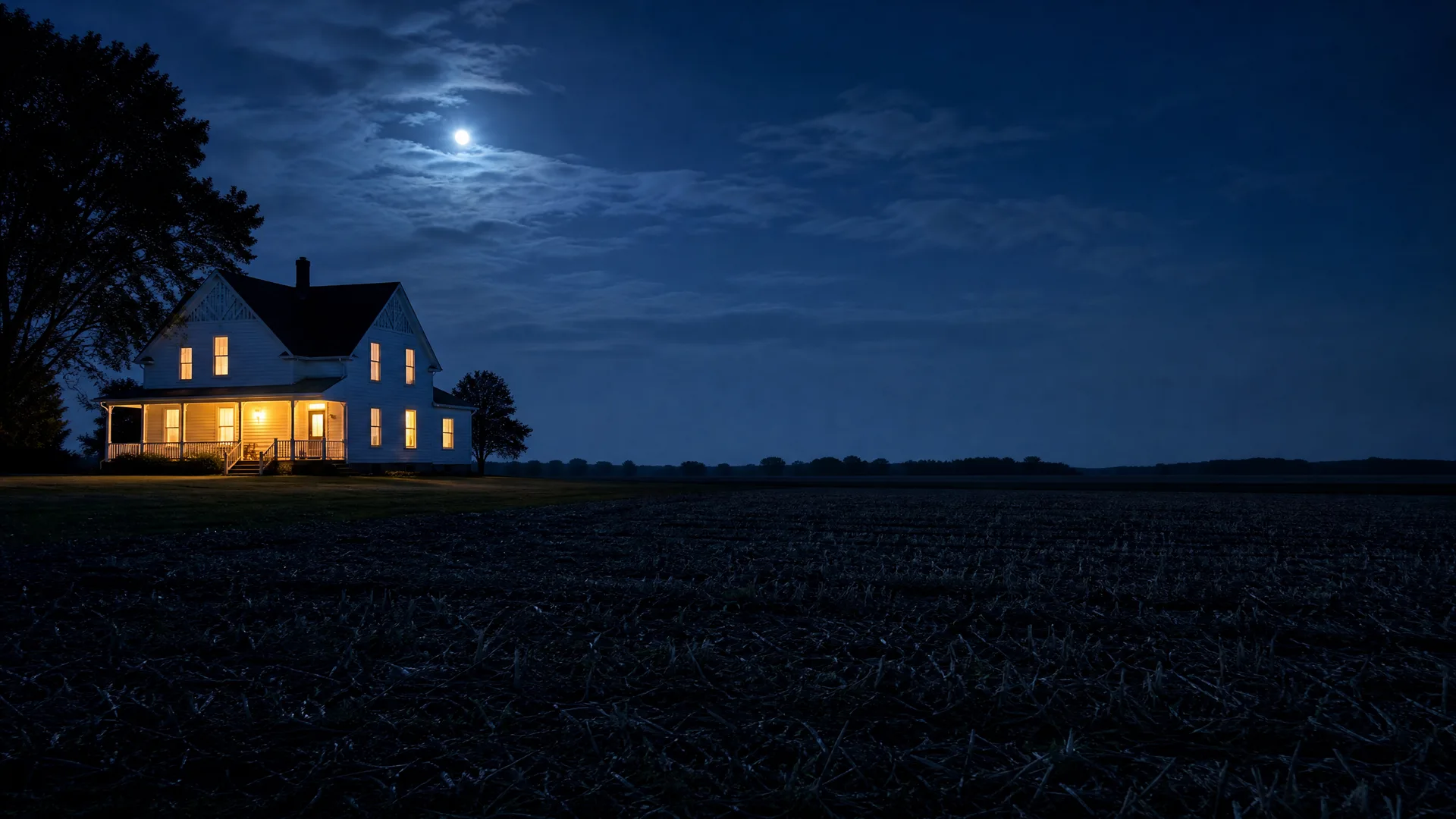
An older state means fitting the new furnace to the house you have
Half the homes in Illinois were built in 1971 or earlier. Add in that most homes here are detached or attached single-family houses, not apartments, and a lot of installers are working with a furnace and duct system that's been through at least one replacement already. If your system came with the house, the ducts and the gas line were sized for whatever ran before it. A new furnace has to match that, not just the square footage. That's worth asking about before anyone quotes a unit size.
Gas heats 75.3% of occupied homes in Illinois, so if that's what your house has, you're not an outlier. The line to the street and the venting are already there, and an installer is working with a setup that's proven out over however many winters you've had it.
Gas furnace parts and installers are easy to find here because gas is what most of this state already runs. Techs who work in Illinois size gas systems every day, not as a special case, so getting a straight answer on venting or gas line capacity for your house shouldn't be hard.
Eight months of heat means one month to get ahead of it
Heat runs here from October through May, about eight months a year. Illinois homes need it for more months than in 22 of the other 49 states. September is the one month before that load starts, and it's the one you actually get to pick. Once the first cold night hits, an installer is fitting you in around everyone else whose furnace just quit. Get the replacement done in September and the job gets a full look instead of a rushed one.


3 months of cooling, June through August
8 months of heat, October through May
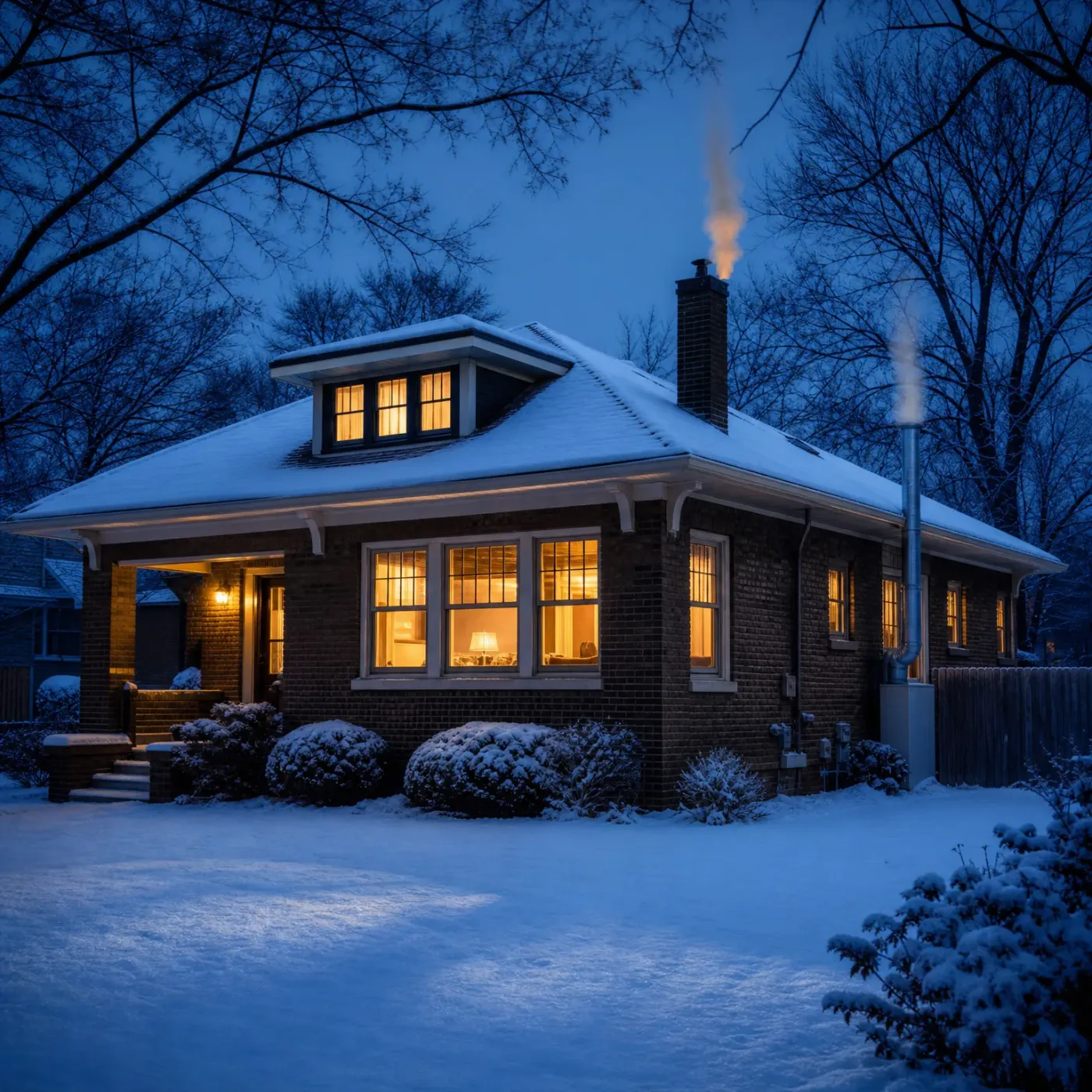
Illinois runs about 12% more heating load across its northern counties than its southern ones. That gap shows up most between Jo Daviess County, which needs the most heat of anywhere in the state, and Massac County, which needs the least, a 66% difference over a year.
Winter nights track the same split. Jo Daviess County averages 15°F on a winter night, Massac County averages 29°F, and the state as a whole sits at 20°F. A furnace sized for a 29°F night isn't sized for a 15°F one, and an installer working in the northern counties is planning around colder nights than one working near Massac County.
Illinois as a whole runs colder at night than 35 of the other 49 states, and needs heat for more months than 22 of them. That's the state's standing. Where you actually land inside it, north or south, changes what the furnace has to be ready for on the coldest night of the year.
What does a furnace in Illinois face?
How cold do winter nights get?
20°Faverage overnight low where people live
North Dakota4°F
Hawaii65°F
How many months does the heat run?
8 monthsof heating a year
Hawaii0 months
Alaska12 months
What does natural gas cost?
$10.64per million Btu, what homes paid in 2024
Montana$7.77
Hawaii$53.25
How often do storms hit?
448severe weather events per county from 2015 to 2024
Alaska5
Wyoming1,057
How many homes lost power for a day or more?
16%of homes in 2024
Arizona7%
Maine54%
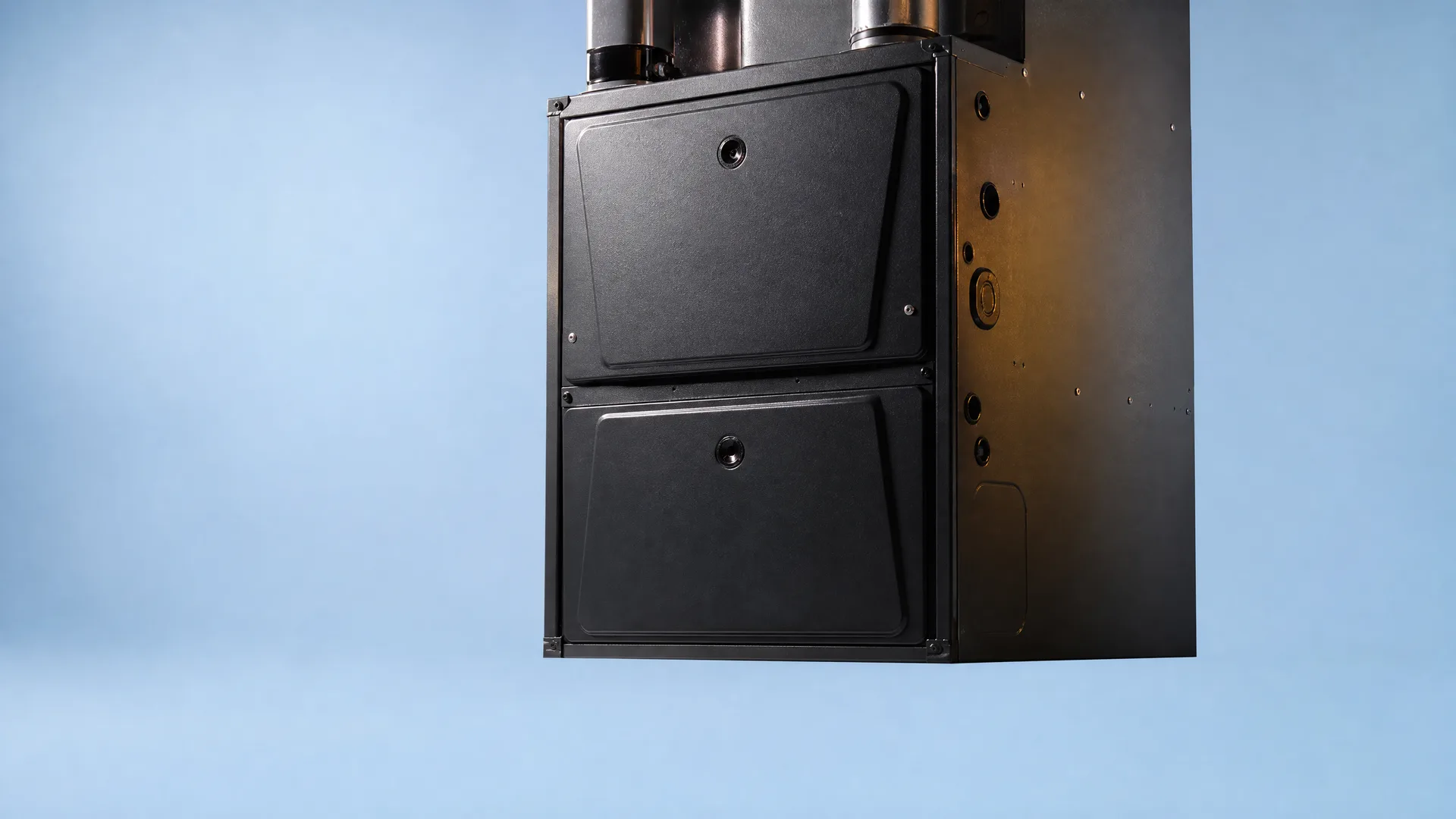
Replace it in September, before heat season starts
September is the month before heat season starts here, and it's the one month an installer isn't also handling furnaces that quit mid-winter. Homes in Illinois run heat from October through May, about eight months a year, longer than in most states. Once that stretch starts, a replacement has to happen fast, fit in around whoever's furnace failed that day. Done in September, there's time to check the new furnace against the gas line and ducts already in the house, not just swap in something close enough.
What happens to the furnace you're replacing
The old furnace doesn't just get hauled off whole. A tech disconnects the gas line, the venting and the electrical first, then drains or disconnects anything tied to a humidifier or secondary system sharing that plenum. The heat exchanger and cabinet get cut down or broken apart enough to move, since most won't fit through a doorway in one piece once they're out of the duct run. Older units often carry refrigerant or oil residue in nearby lines if they shared space with an AC coil, and that gets handled separately from the furnace itself. Scrap haulers take the metal cabinet and exchanger for recycling, since furnace bodies are mostly steel and aluminum, worth salvaging rather than landfilling. Anything with a pilot light or standing electrical component gets checked for how it was wired in, so the new unit isn't just set where the old one sat without confirming the gas and power actually match what it needs. None of that removal work tells you what the new furnace should be. That still comes down to sizing it to the house, not to the box that used to be there.
Low gas prices change the payoff math
Natural gas here cost $10.64 per million Btu in 2024, cheaper than in a lot of the country. If you're heating with gas, that keeps the monthly cost of running a furnace down no matter which one you install. It also means the gap between a standard furnace and the most efficient model takes longer to close. The higher-efficiency unit still uses less gas every month, but at this price the savings add up slowly, so it's worth weighing against what you'd pay upfront. Picking a furnace that fits your house and holds up on the coldest nights matters more here than squeezing out another few points of efficiency.
A standard furnace, sized right for your house, holds up fine through an Illinois winter.
Tell us about the job
Takes about a minute. No obligation.
Fill out the form once and licensed installers in Illinois follow up with quotes to compare.