
Heat Pump Installation in Illinois
Homes in Illinois are older than in 42 of the other 49 states.
Tell us about the job
Takes about a minute. No obligation.
- 20°Fwinter overnight low where people live
- 8 monthsof heat, October through May
- 83°Fsummer afternoon high where people live
- 3 monthsof cooling, June through August
Illinois storms are hard on heat pumps Cook County gets hit the most
- Southern counties need about 30% more cooling than northern ones
- Winter nights average 20°F where people live
- Summer afternoons average 83°F where people live
- Heat runs October through May
- Cooling runs June through August
- 1,125 winter storms from 2015 to 2024

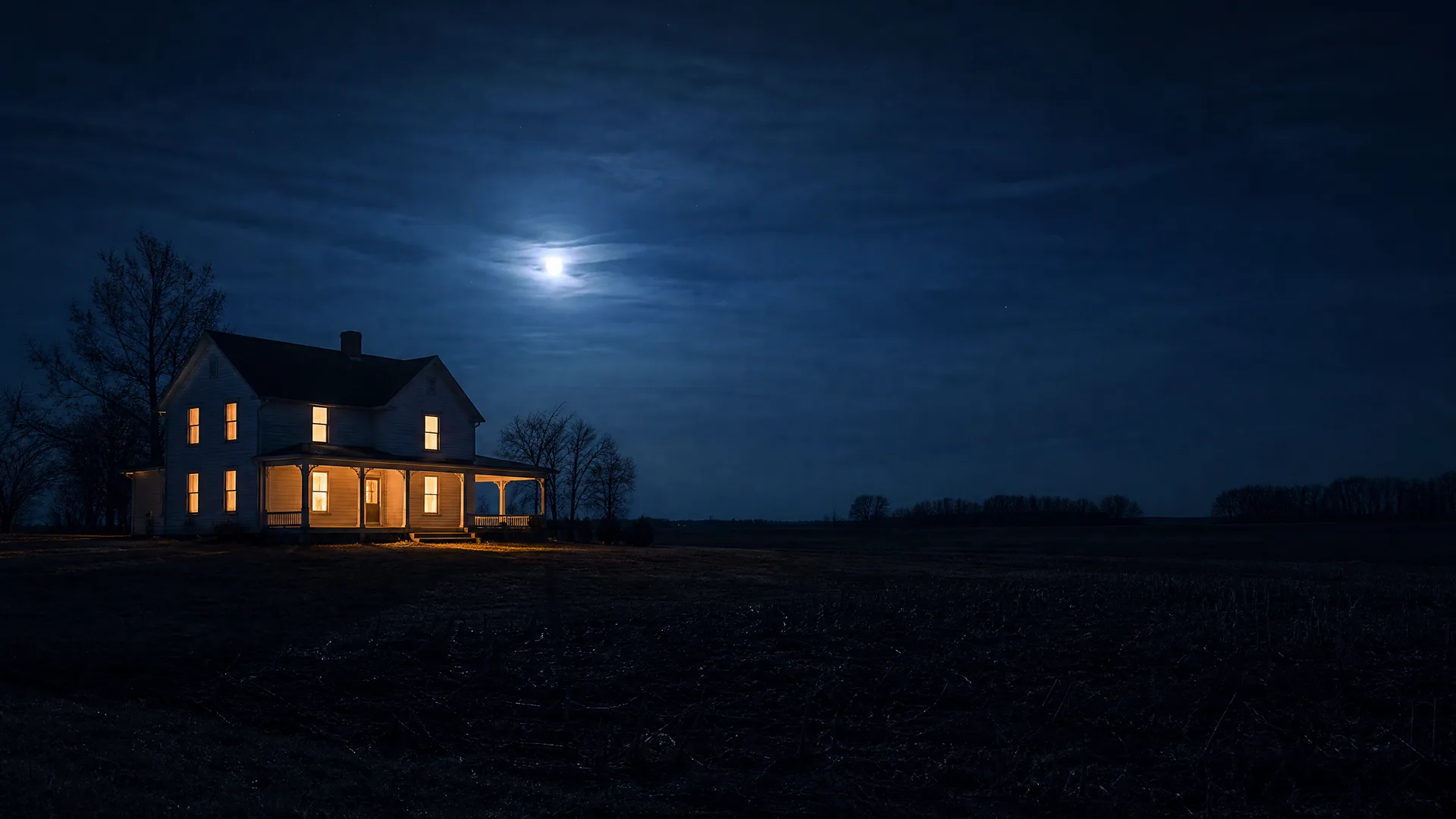
Illinois homes are older than most, and that shapes the install
Half the homes in Illinois went up in 1971 or earlier. Most of the state's housing stock, 64.3 percent, is detached or attached single-family houses, the kind where a heat pump has to match the ductwork and the electrical panel already in place rather than whatever's easiest to install. An older house can mean older duct runs, a panel sized for the appliances of its day, or a layout that limits where a new outdoor unit and air handler can go. None of that rules out a heat pump. It just means the job starts with what's already there, not a blank slate.
September is worth marking on the calendar. That's the month before heat season starts here, and it gives a contractor time to size the system, check the panel and schedule the install before you need heat running every day.
Illinois homes run heat about eight months a year, October through May. That's more months of heating than in 22 of the other 49 states, so a heat pump here spends most of its working life in heating mode, not cooling. Getting it installed before October means it's already proven out when the cold settles in.
A standard heat pump is sized for this
June through August is the cooling side of the year here, three months against eight of heating. That split is why sizing matters more for heat than for cooling. A heat pump picked to handle an Illinois winter will have no trouble keeping up in August. Overnight lows average 20°F across December, January and February. That's cold enough that the system needs to be sized and installed right the first time. It doesn't call for anything beyond a standard unit set up properly for the house it's going into.
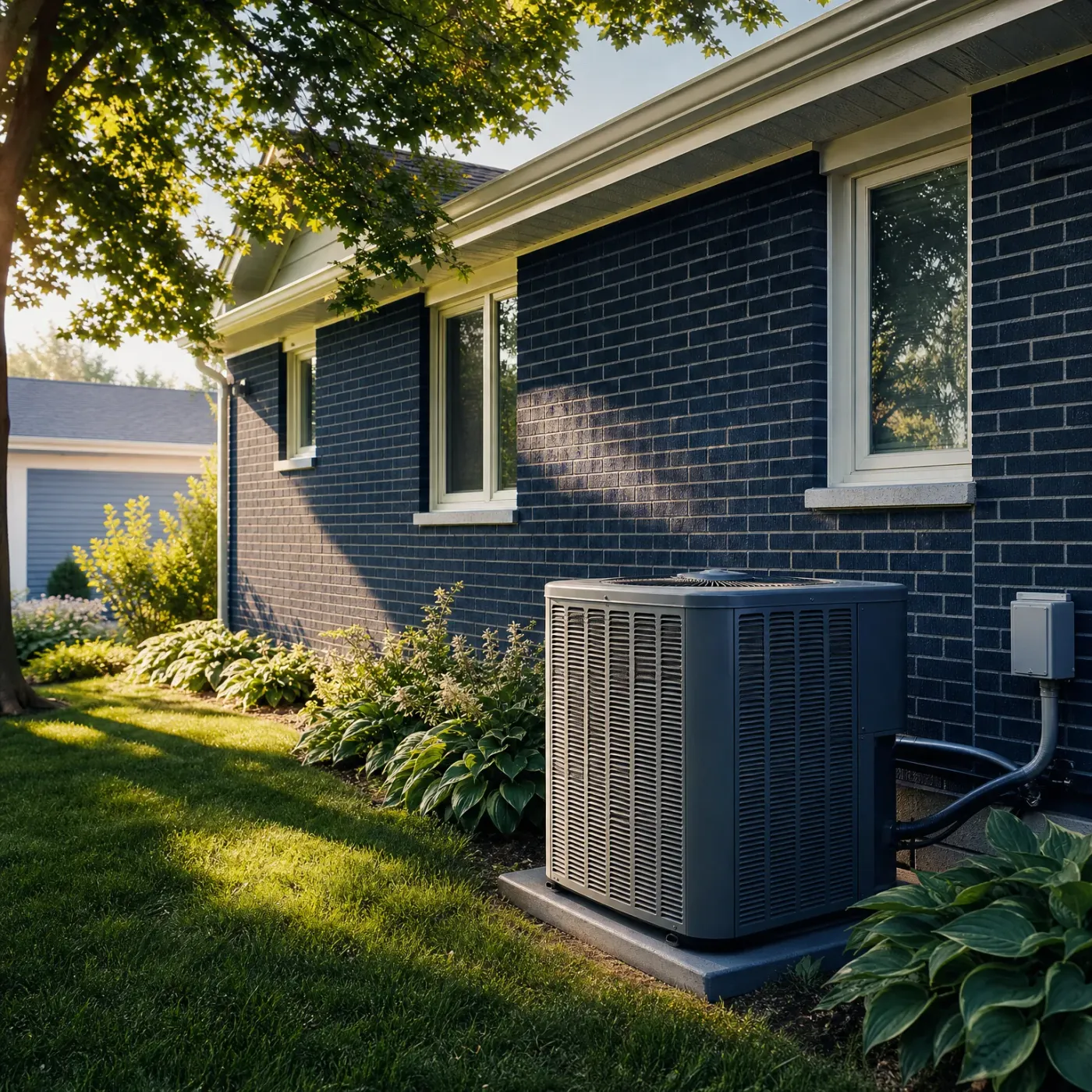
3 months of cooling, June through August
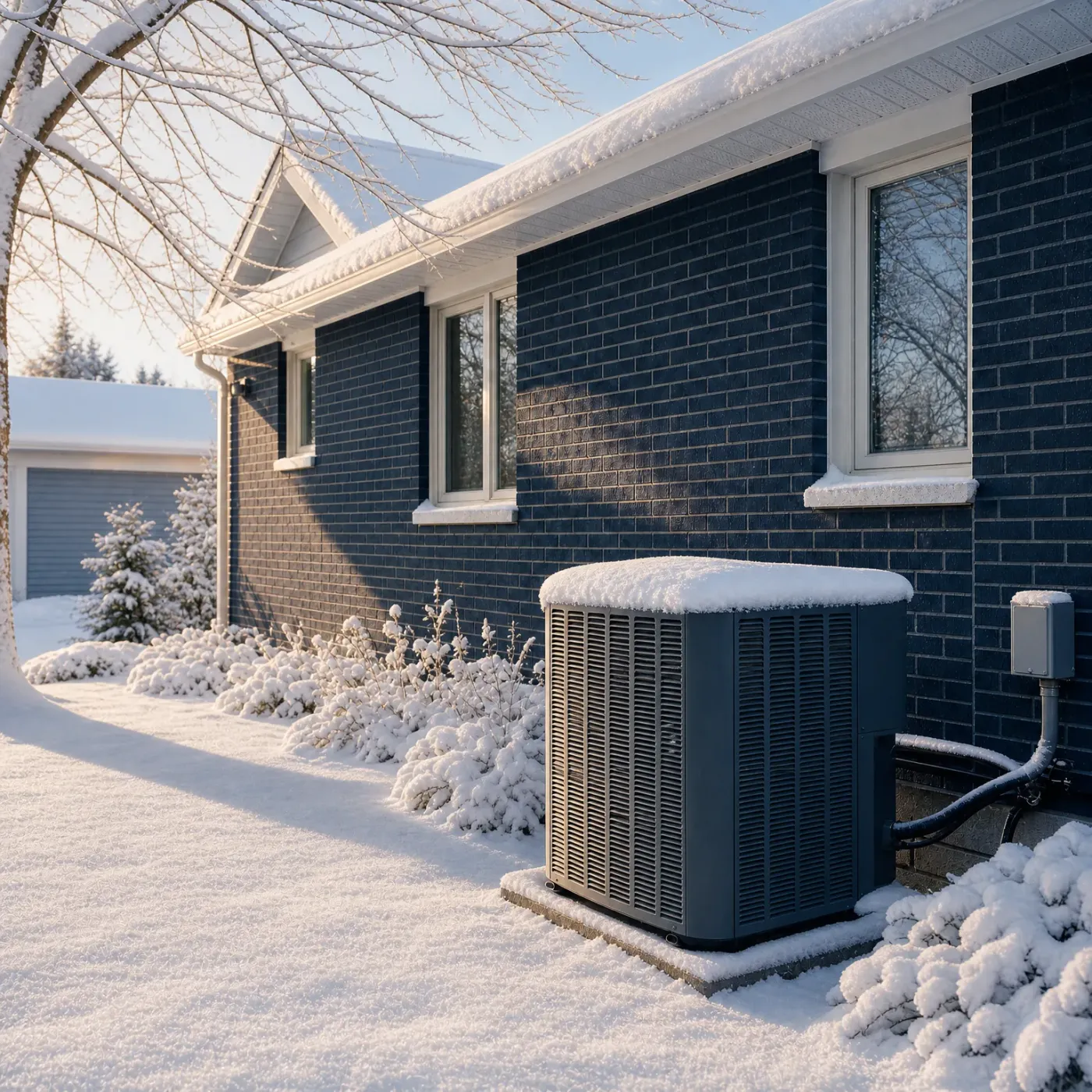
8 months of heat, October through May
What does a heat pump in Illinois face?
How hot do summer afternoons get?
83°Faverage afternoon high where people live
Alaska66°F
Arizona101°F
How cold do winter nights get?
20°Faverage overnight low where people live
North Dakota4°F
Hawaii65°F
How many months does the heat run?
8 monthsof heating a year
Hawaii0 months
Alaska12 months
What does electricity cost?
15.87¢per kWh (kilowatt hours, the unit on an electric bill), what homes paid in 2024
North Dakota11.51¢
Hawaii42.86¢
How often do storms hit?
448severe weather events per county from 2015 to 2024
Alaska5
Wyoming1,057
How many homes lost power for a day or more?
16%of homes in 2024
Arizona7%
Maine54%
What actually drives the cost
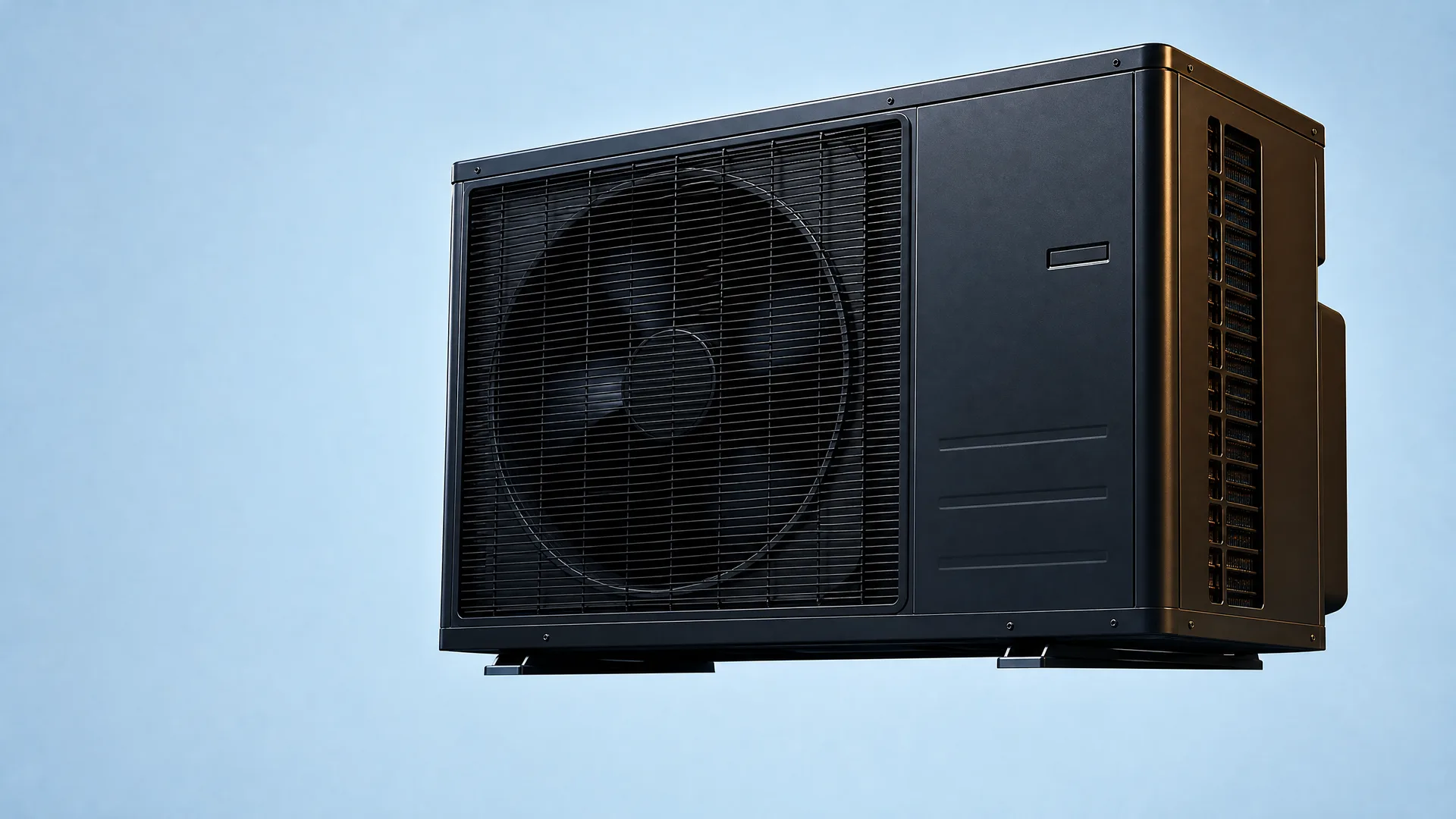
What a heat pump installation takes depends on what's already in place and what has to change. A straight swap into the same spot, with the same ductwork and the same electrical setup, is a different job than one where the panel needs upgrading to carry a heat pump's load. Ductwork sometimes needs modification too, since a heat pump moves air differently than what was there before. The outdoor unit needs clearance on all sides for airflow, so where it can go matters as much as what it costs. Sizing matters more than people expect. A contractor runs a load calculation to match the unit to the house, not to the system being replaced, because guessing on size shows up later as higher bills or a house that never feels right. Line set length, the run between the outdoor unit and the indoor coil, adds time and material when the install isn't a direct swap. None of this makes the job unpredictable. It means the price follows what the house actually needs, not a flat rate for the equipment alone.
What happens on install day
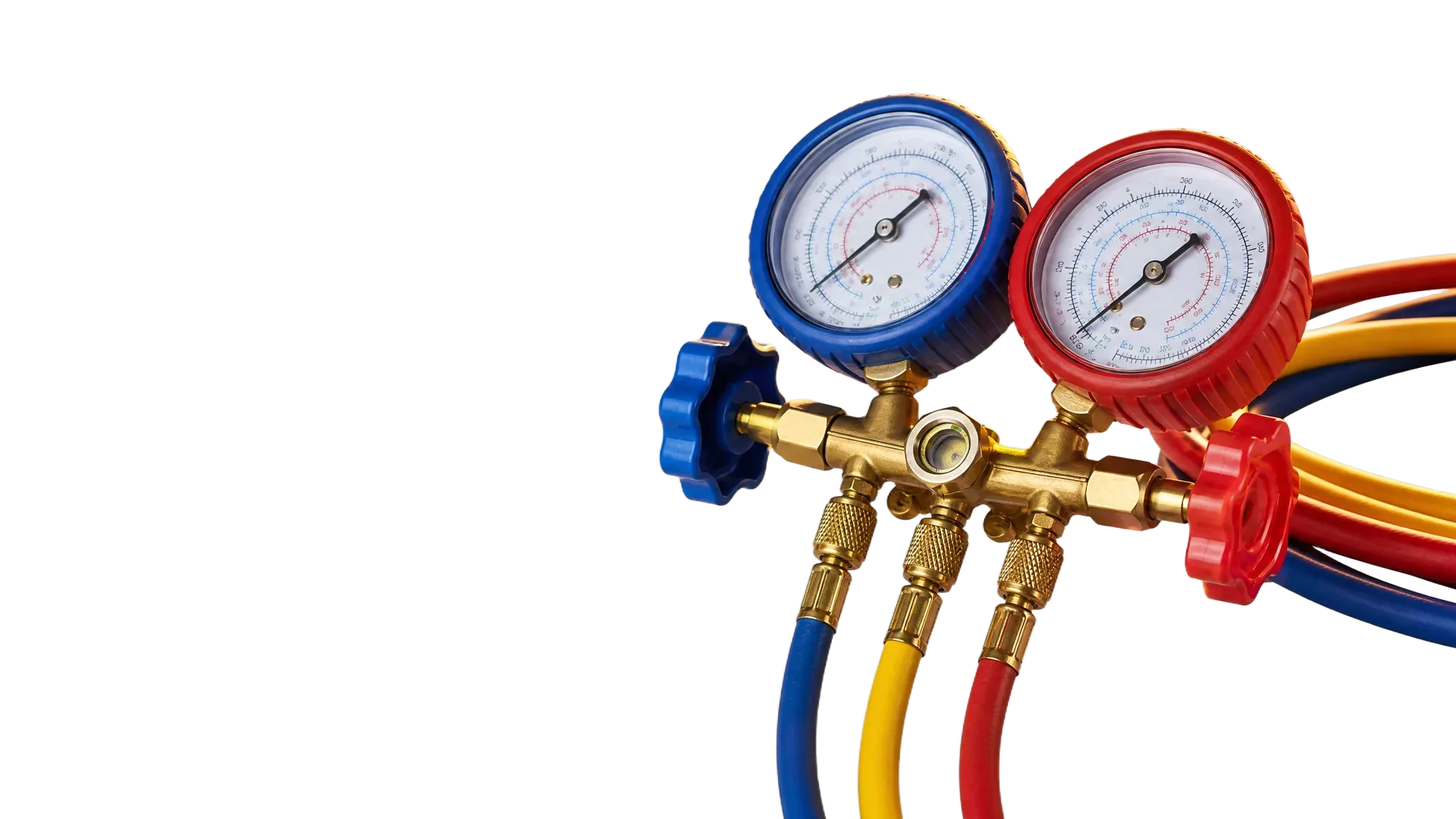
The crew starts outside, setting the new outdoor unit on its pad and running the line set and electrical to it. Inside, the air handler or coil gets swapped and connected to the existing ductwork, or to modified ductwork if the load calculation called for it. Once everything's connected, the system gets charged with refrigerant to the manufacturer's spec, not just topped off by feel. Then comes startup. The contractor runs the system in both heating and cooling, checks the temperature split at the vents, and confirms the thermostat is talking to the unit the way it should. A walkthrough at the end covers the thermostat settings, the filter location, and what the system sounds like when it's running normally, so you know what to listen for later. A straightforward swap can wrap in a day. Panel work or duct changes add time, since those are separate jobs layered onto the install itself.
Your part of the state matters
Where you are in Illinois changes how hard that heat pump works for cooling. Homes across the southern counties need about 30 percent more cooling over a year than homes across the northern counties. Massac County needs roughly twice the cooling that McHenry County does, and McHenry sits at the low end for the whole state. A load calculation done right accounts for this. The same model heat pump that's right for a house in McHenry County isn't necessarily right for one in Massac County, even if the houses are the same size. This is part of why a contractor sizes to your house and your county, not to a statewide average.
Illinois storms knock out power more than in most states, and a heat pump stops when it does.
Tell us about the job
Takes about a minute. No obligation.
Fill out the form and a licensed Illinois contractor sizes the job to your house.