
Heat Pump Repair in Illinois
Homes in Illinois are older than in 42 of the other 49 states.
Tell us about the job
Takes about a minute. No obligation.
- 20°Fwinter overnight low where people live
- 8 monthsof heat, October through May
- 83°Fsummer afternoon high where people live
- 3 monthsof cooling, June through August
Illinois storms are rough on outdoor units Cook County sees the most of it
- Southern counties need about 30% more cooling than northern ones
- Winter nights average 20°F where people live
- Summer afternoons average 83°F where people live
- Heat runs October through May
- Cooling runs June through August
- 1,125 winter storms from 2015 to 2024


- A technician checks refrigerant charge against what the unit calls for, since a system running low cools and heats worse the whole time it sits that way
- Electrical connections at the contactor and disconnect get tightened, since a loose connection is what turns into a no-start call later
- The defrost cycle gets tested so the outdoor coil actually clears itself of ice instead of icing over and losing airflow
- A failing capacitor or contactor gets replaced before it leaves the compressor trying to start without the part that's supposed to help it
- The refrigerant lines and coil get checked for the kind of wear that turns a working repair into a bigger job if it sits another season

May is worth a look before cooling starts up in June. If the outdoor unit struggled last August, that same weak part is still in there, and it won't have gotten any stronger over the winter.
September matters the same way on the heating side. Illinois homes run heat from October clear through May, eight months of the year, so a heat pump that short-cycled or ran rough last winter is worth having checked before it has to carry that load again.
A heat pump here works both sides of the year
Eight months of heat, three months of cooling. That split tells you where the wear shows up first. A heat pump earns its keep from October through May, running most nights when the overnight low is sitting around 20 degrees, then gets maybe three months off before June through August asks something different of it. Nothing about that pattern is strange for this machine. It's built to run both ways, and the repairs that come up, a failing capacitor, a low charge, a defrost board acting up, are the same ones a heat pump needs anywhere it works this kind of split schedule.
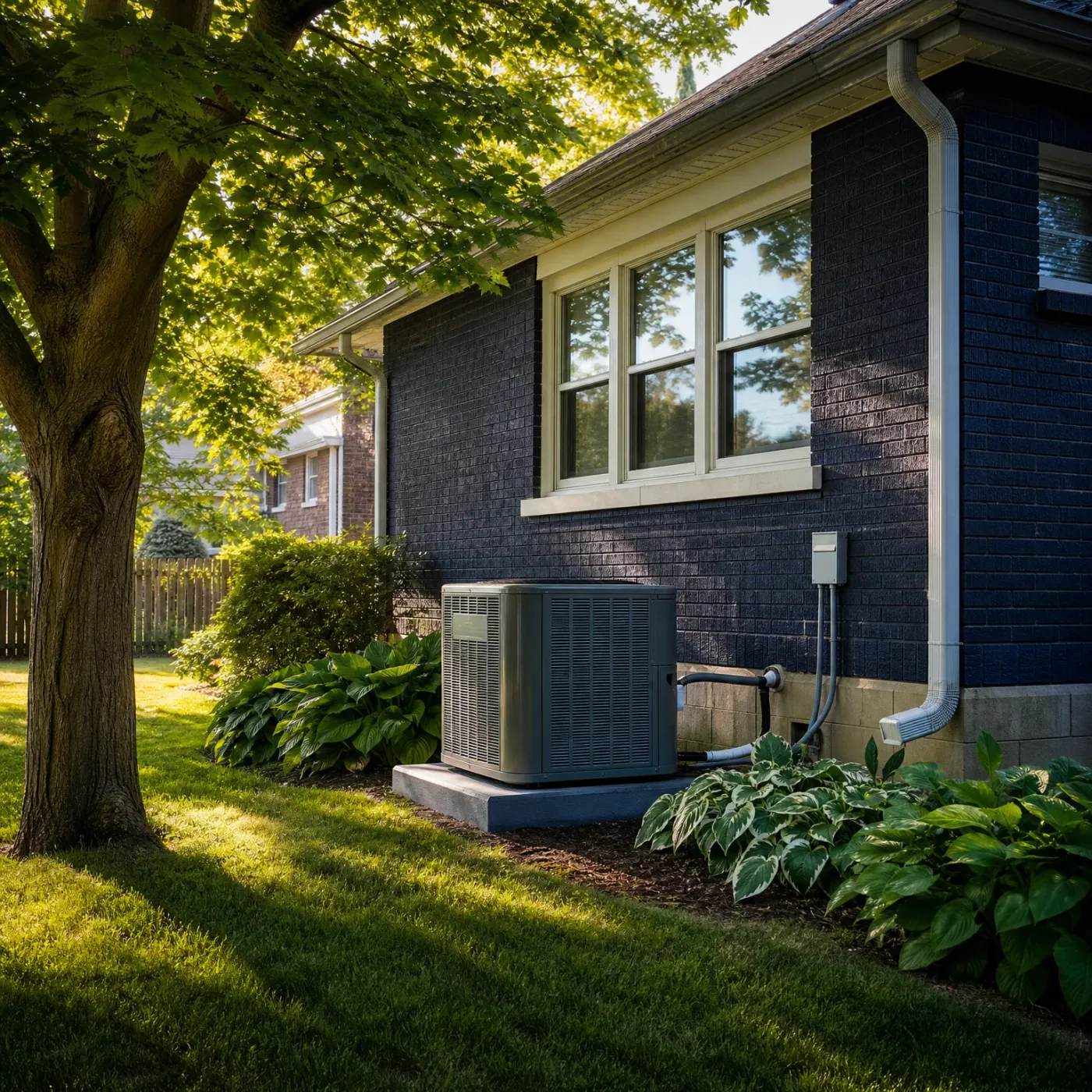
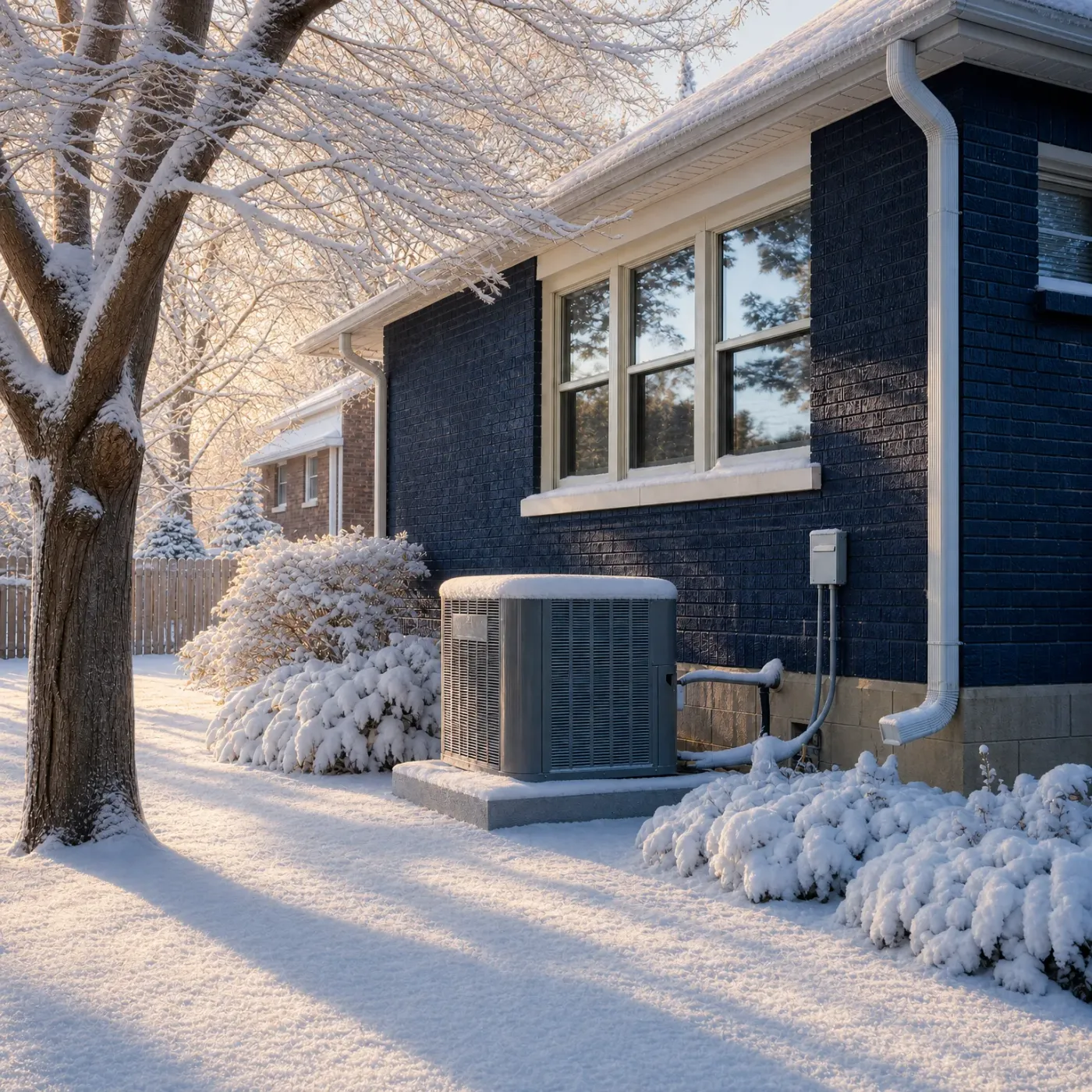
3 months of cooling, June through August
8 months of heat, October through May
What does a heat pump in Illinois face?
How hot do summer afternoons get?
83°Faverage afternoon high where people live
Alaska66°F
Arizona101°F
How cold do winter nights get?
20°Faverage overnight low where people live
North Dakota4°F
Hawaii65°F
How many months does the heat run?
8 monthsof heating a year
Hawaii0 months
Alaska12 months
What does electricity cost?
15.87¢per kWh (kilowatt hours, the unit on an electric bill), what homes paid in 2024
North Dakota11.51¢
Hawaii42.86¢
How often do storms hit?
448severe weather events per county from 2015 to 2024
Alaska5
Wyoming1,057
How many homes lost power for a day or more?
16%of homes in 2024
Arizona7%
Maine54%
A struggling heat pump costs more to ignore here
A heat pump working harder than it should costs more here than in most places. Illinois electricity runs 15.87 cents per kilowatt-hour, more than 32 other states pay. Homes here already put real load on the cooling side, and a low charge or a weak capacitor makes the unit pull more power for less result. That difference shows up on the bill every month it sits unfixed.
Deciding whether a heat pump is worth fixing
A heat pump doesn't fail out of nowhere. Most repairs trace back to a part that's been struggling for a while. A capacitor weakens to the point it can't kick the compressor on smoothly. A contactor gets pitted and starts missing. A defrost board stops sensing ice correctly and leaves the coil frozen over. When one of these goes, the question is whether what's left is worth building around. A newer unit with one bad part and a cabinet in good shape is usually a clear repair. An older unit that's already had the compressor worked on, or is low on refrigerant with no leak ever found, is a different situation. You're paying to fix one thing while the rest of the system sits on the same timeline toward failure. The compressor changes the math by itself. It's the most expensive thing in the cabinet, and a failing compressor on an old unit usually isn't worth chasing. Short-cycling is worth paying attention to either way. A heat pump that kicks on and off in short bursts instead of running a full cycle is fighting a refrigerant problem, a bad sensor, or a compressor that's already struggling, and none of those get better by waiting.
Older homes mean older equipment
Half the homes in Illinois were built in 1971 or earlier, and a heat pump installed anywhere near when the house went up is already past a normal service life. Houses this old weren't built with a heat pump in mind, since the equipment barely existed then, which means whatever is out there now was added later, on its own timeline. If yours is one of the original installs or close to it, a repair call is also the time to ask how much life is actually left before the next thing goes.
If your outdoor unit took hail or sat through an outage this year, it's worth a look now.
Tell us about the job
Takes about a minute. No obligation.
Fill out the form and a licensed Illinois contractor will tell you what the storm season left behind.