

Clean coil, steady heat
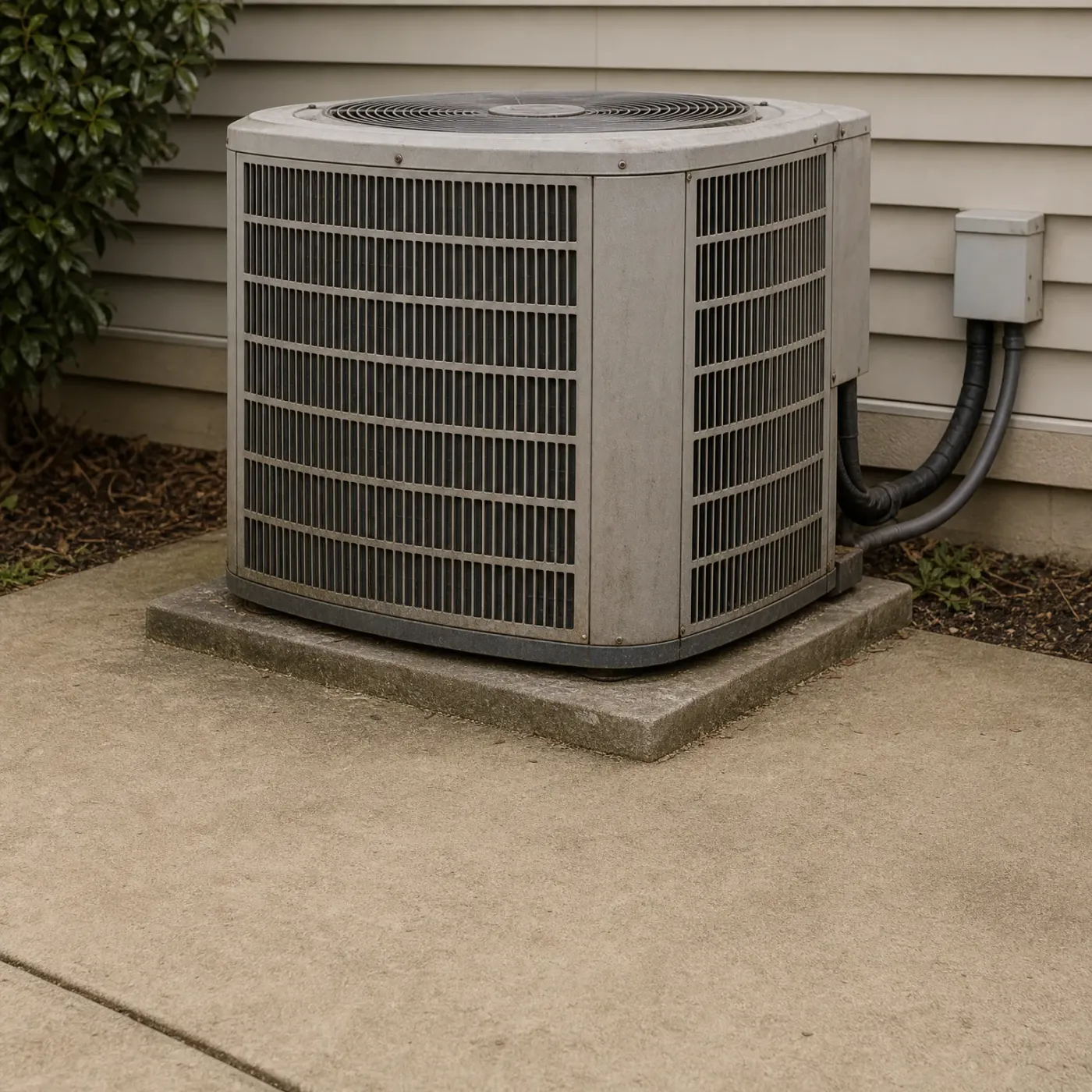
A heat pump with a clear coil moves heat the way it's supposed to, even when it's working hard on a cold day. The fins need open air around them, the way this one sits against the siding with nothing blocking the sides.
A local installer who puts in heat pumps gets your project.
Find a pro near meWinters here get cold enough that gas furnaces are the usual choice, so a heat pump heating the house on its own sounds like a risk when the temperature drops. You're the one who hears about it if a room is cold, so you want to know whether the equipment can actually handle January before you count on it.
A heat pump moves heat from outside air into your house, and it can still pull heat out of air well below freezing. What changes is how hard it has to work. As the temperature drops, it produces less heat for the same amount of power, and below a certain point it can't keep up on its own. That's why most installations here pair the heat pump with a backup, usually a gas furnace or electric resistance coil, that kicks in on the coldest nights. The heat pump handles the milder stretches of winter, which is most of it, and the backup covers the rest. Sized and installed correctly for Illinois winters, the system keeps the house warm the whole season.





Below a certain outdoor temperature, a heat pump has less heat to pull from the air outside, and it has to work harder to keep the house where you set it. That's when a gas furnace backup, if the system has one, takes over. Without that backup, or without the system sized and installed for Illinois winters, you'll notice it as a thermostat that won't quite reach the number you set, or a furnace that runs long stretches without catching up.
With gas being the usual way houses here are heated, a lot of installers rarely size a heat pump for an Illinois January on its own. Getting that sizing right, along with the backup heat and the controls that switch between the two, isn't something to guess at. That's the kind of install question worth putting to a contractor who already works on heat pumps in your area, rather than calling around to find out who does.

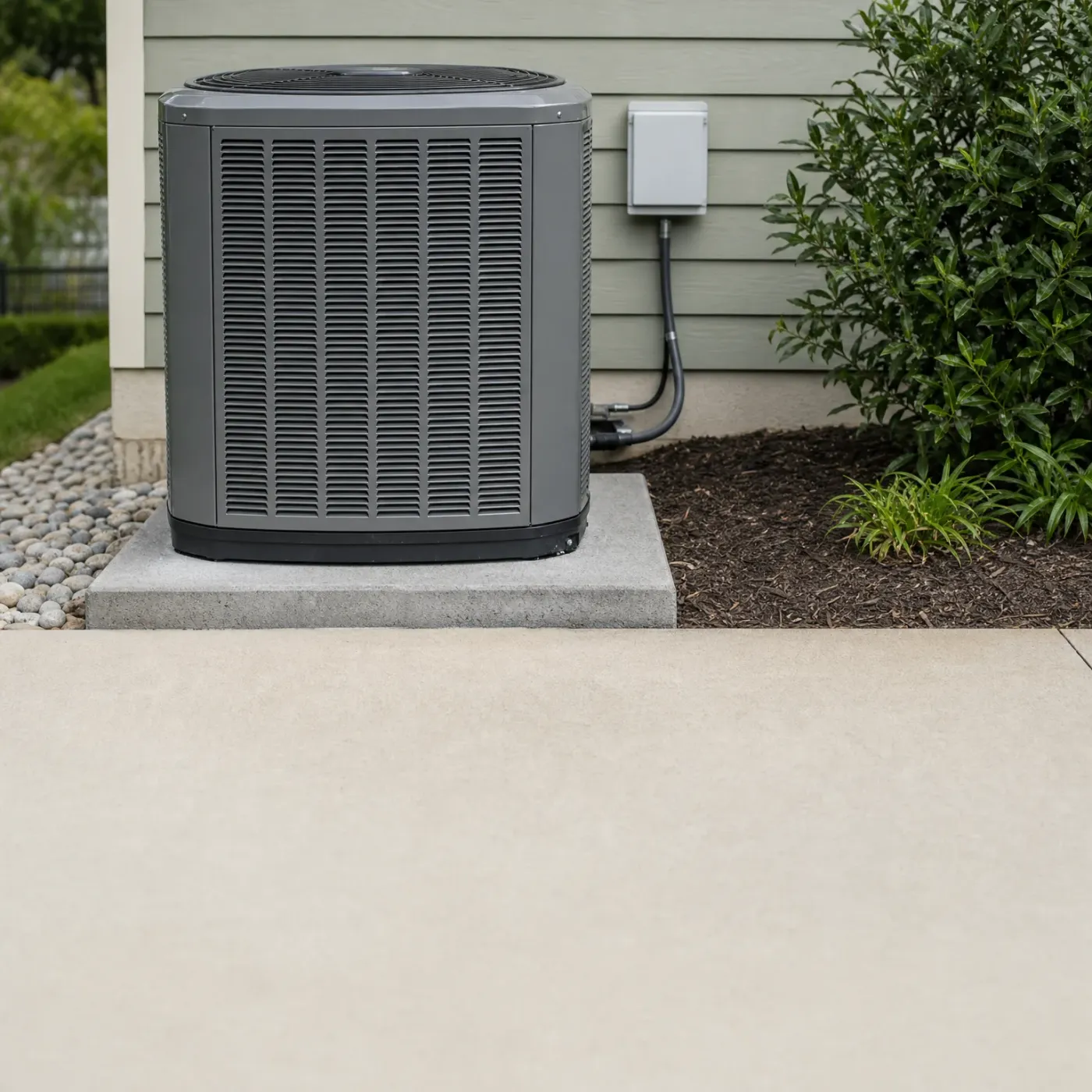
A heat pump with a clear coil moves heat the way it's supposed to, even when it's working hard on a cold day. The fins need open air around them, the way this one sits against the siding with nothing blocking the sides.
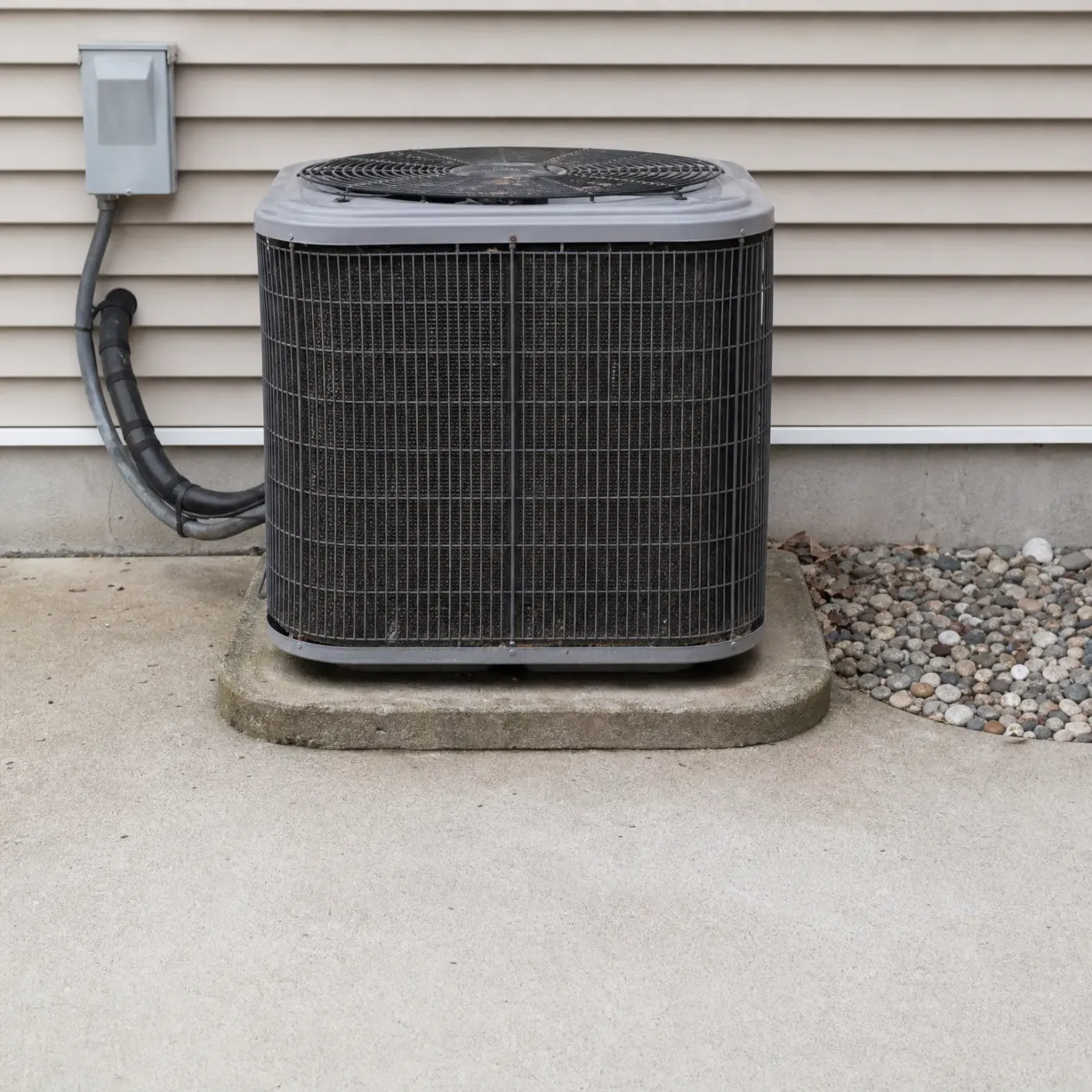
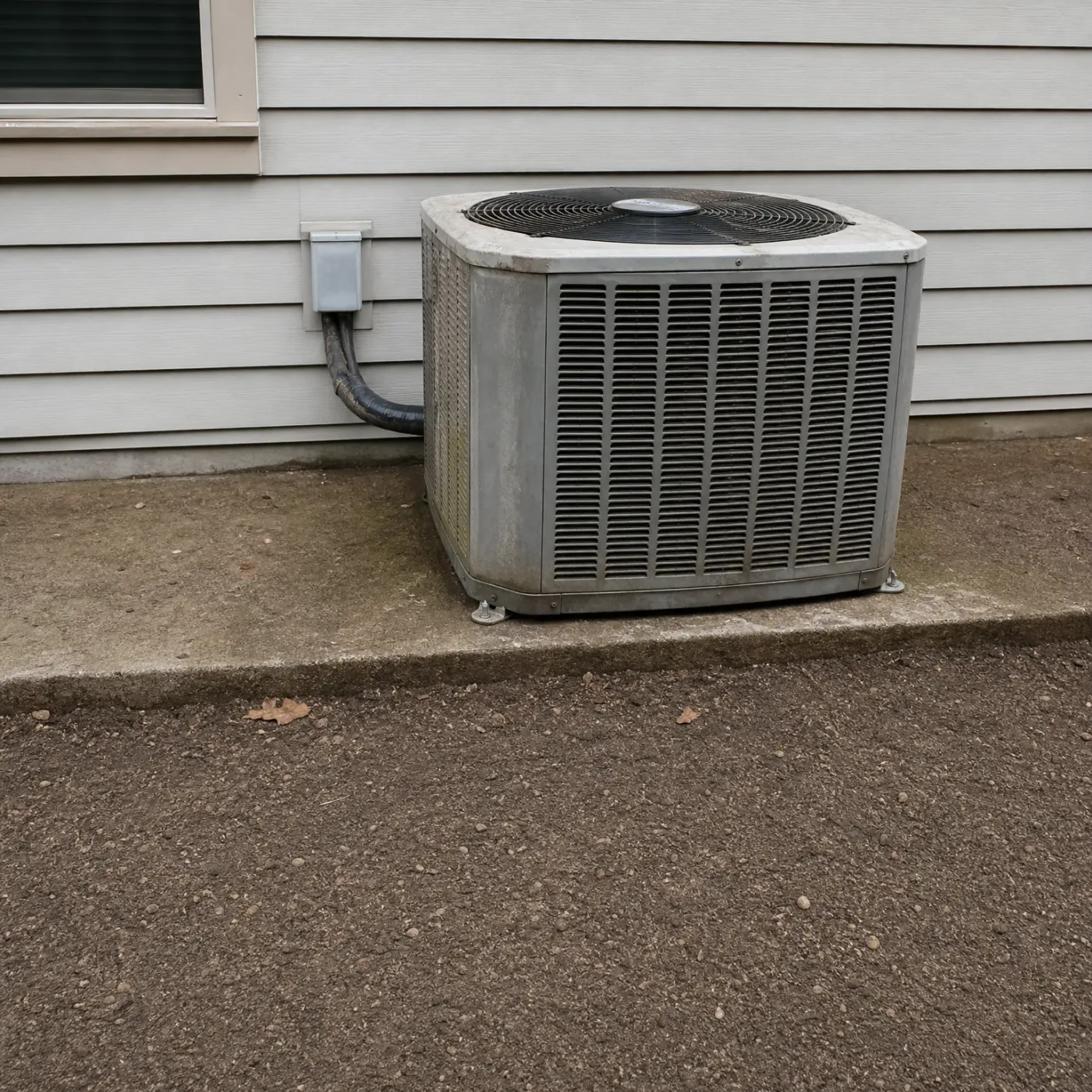
When the fins are packed with dirt like this, the unit pulls less heat out of the air before the cold even gets extreme. That's the one that struggles at 20 degrees when a clean one next door is still keeping up.
You notice it in the room farthest from the thermostat first. The air coming out of the vents feels cooler than it used to, and the heat pump runs longer stretches without shutting off. Outside, you might catch the outdoor unit working through a layer of frost that isn't melting off on its own, or you'll hear it humming well past when it used to cycle down. If the house relies on backup heat and that backup isn't kicking in when it should, the thermostat can read a few degrees under what you set it to, and that gap tends to show up overnight, when it matters most to whoever is sleeping in that back bedroom.
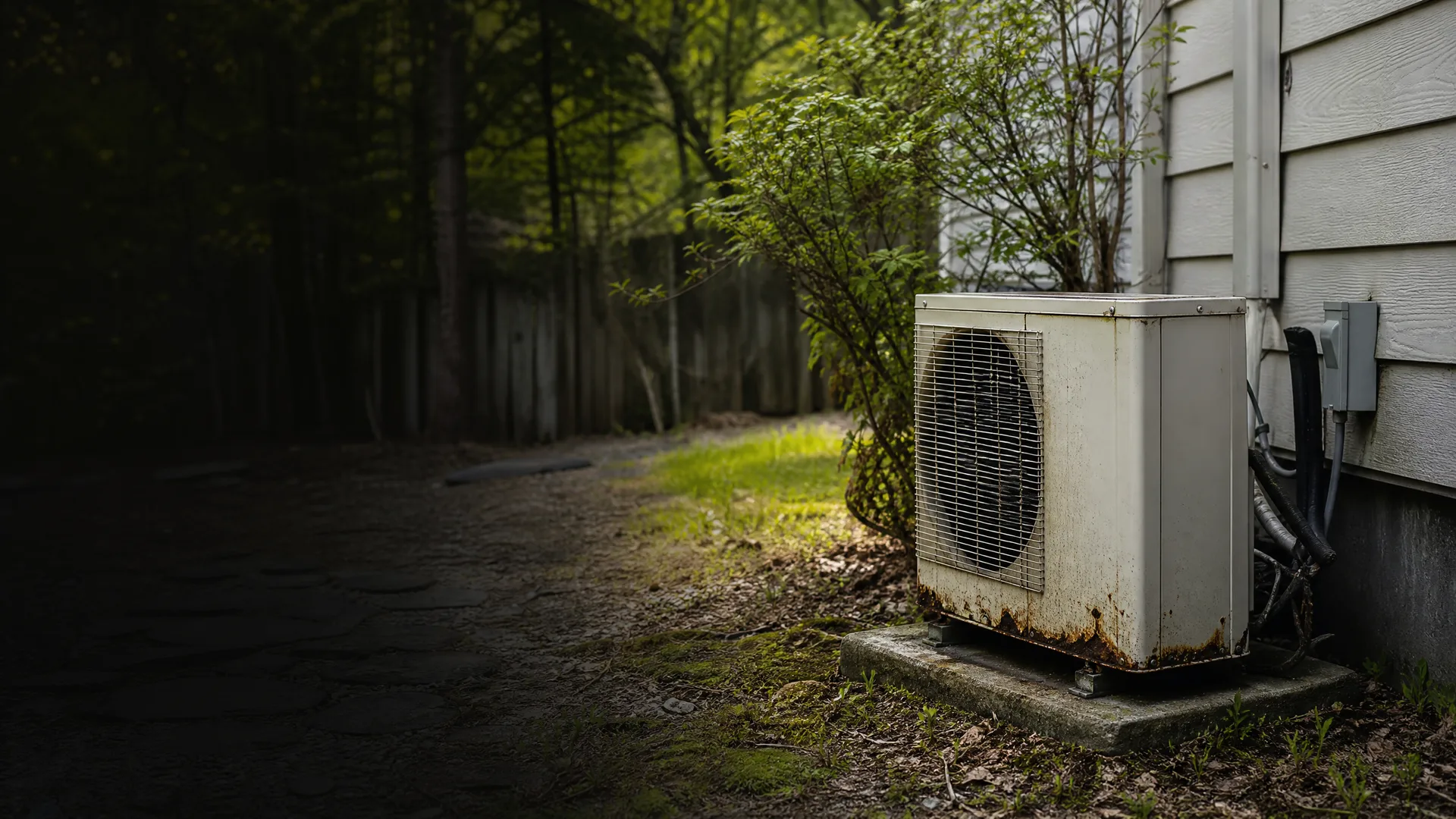
You're out checking the yard on one of the first warm days in March, the ground still soft from the last thaw, and you catch sight of the outdoor unit against the siding. Rust has crept along the base, a line of it where the metal sits closest to the ground. It ran hard all winter, through the stretches when the temperature dropped and stayed there, and it shows. You crouch down to look closer, brushing a few dead leaves off the top. Nothing is leaking, nothing sounds wrong when the compressor kicks on a minute later. But the rust is new since last spring, and you find yourself wondering how many more Illinois winters this one has in it.
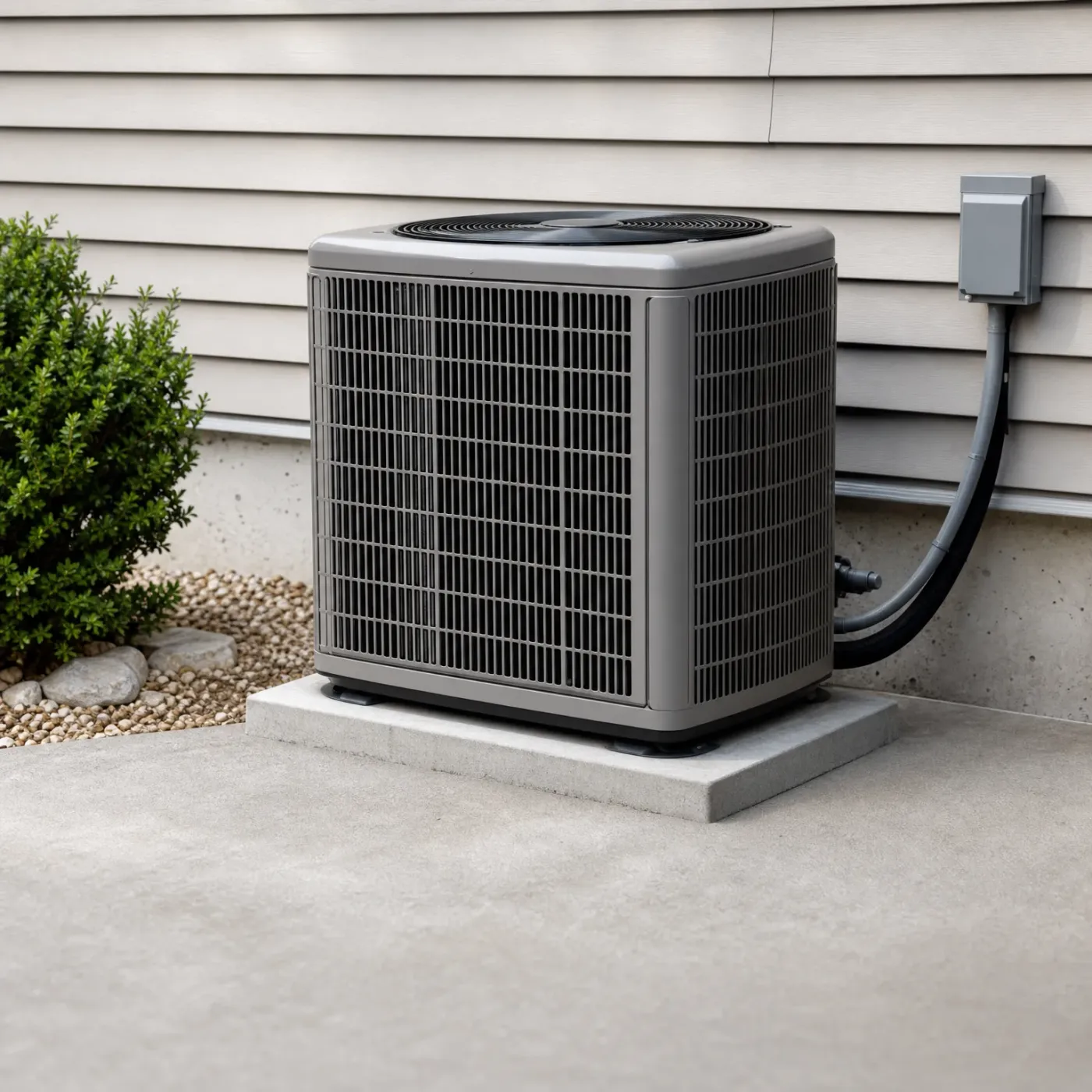


A heat pump can heat an Illinois home through winter, but only if it was sized and installed for what this climate actually does to it. That's a different question than whether the one you have now is doing it. If you're layering on sweaters past a certain point, or the backup heat is carrying more of the load than it should, the system you have may not match what your house needs on the coldest mornings. Figuring that out usually means getting someone out to look at the unit, the ductwork, and how the two were matched to begin with, then doing it again with the next contractor because the first quote didn't sit right. Submitting a request here skips that part. You describe what's happening, and a contractor who installs heat pumps for homes in this area follows up to look at your specific setup, rather than you spending the next few cold weeks chasing that down yourself.
A heat pump's output drops as the temperature outside drops, while a house loses heat faster the colder it gets outside. Those two lines cross somewhere, and where they cross depends on how the system was sized.
An installer who sizes for that crossing point, and sets up the backup heat to cover what's past it, is the difference between a heat pump that struggles in January and one that doesn't.
At 17.67 cents per kilowatt-hour, every hour your heat pump leans on backup heat instead of pulling warmth from outside air shows up on the bill. A system sized right for your house keeps that backup use low even when it's cold. One sized wrong leaves you paying for it all winter.
EIA-861 2025 statewide residential average
The weather that gives your heat pump trouble isn't the only thing it has to work against. Summer here runs muggy, with a dew point averaging 63°F across June, July and August, according to NOAA climate data. That's heavy air, and a heat pump has to pull the moisture out of it as well as the heat, which means it runs longer on humid days than a thermometer reading alone would suggest. A system installed with only winter performance in mind can leave the house feeling damp in July even while it holds the temperature you set. Sizing has to account for both ends of the year.
NASA POWER T2MDEW county cells weighted by homes
A heat pump can carry an Illinois home through winter, but it depends on sizing, installation and whether the backup heat is set up to step in at the right point. That's not something you can tell by looking at the outdoor unit, and it's not something you should have to figure out by trial and error through a cold snap. Instead of searching for contractors, calling a few, explaining the same cold room or the same rising bill to each one, then sitting with quotes trying to guess which installer actually understands what winter here does to this equipment, you can get matched with one who installs heat pumps for this climate and have them reach out to you. You already know whether the house is holding steady or whether someone in it is cold. That's the thing worth settling, one way or the other, before next winter makes the answer for you.

A pro who works on heat pumps