


Furnace on but house still cold in Illinois

Step 1 of 3: Equipment

Why is my furnace running but the house still cold?

You keep checking the vents and warm air is coming out, but the thermostat won't move and the rooms still feel cold. In an Illinois winter that's not something to wait out. You want to know whether this is a furnace problem worth catching now or something that fixes itself.

The furnace is running but can't keep up with the heat you're losing

Most of the time this means the furnace is working but losing the fight. A dirty filter, a blower that isn't moving enough air, or ductwork that's leaking warm air into the attic or crawlspace before it reaches your rooms can all cause this. A furnace that's undersized or aging can also run constantly without closing the gap on a cold day. In Illinois, where winter temperatures can sit well below freezing for weeks, a furnace that's slightly behind in October becomes one that never catches up in January. The parts involved, the filter, the blower motor, the ductwork, are things worth having checked before the next cold snap, since the problem tends to get worse, not better, as temperatures keep dropping.

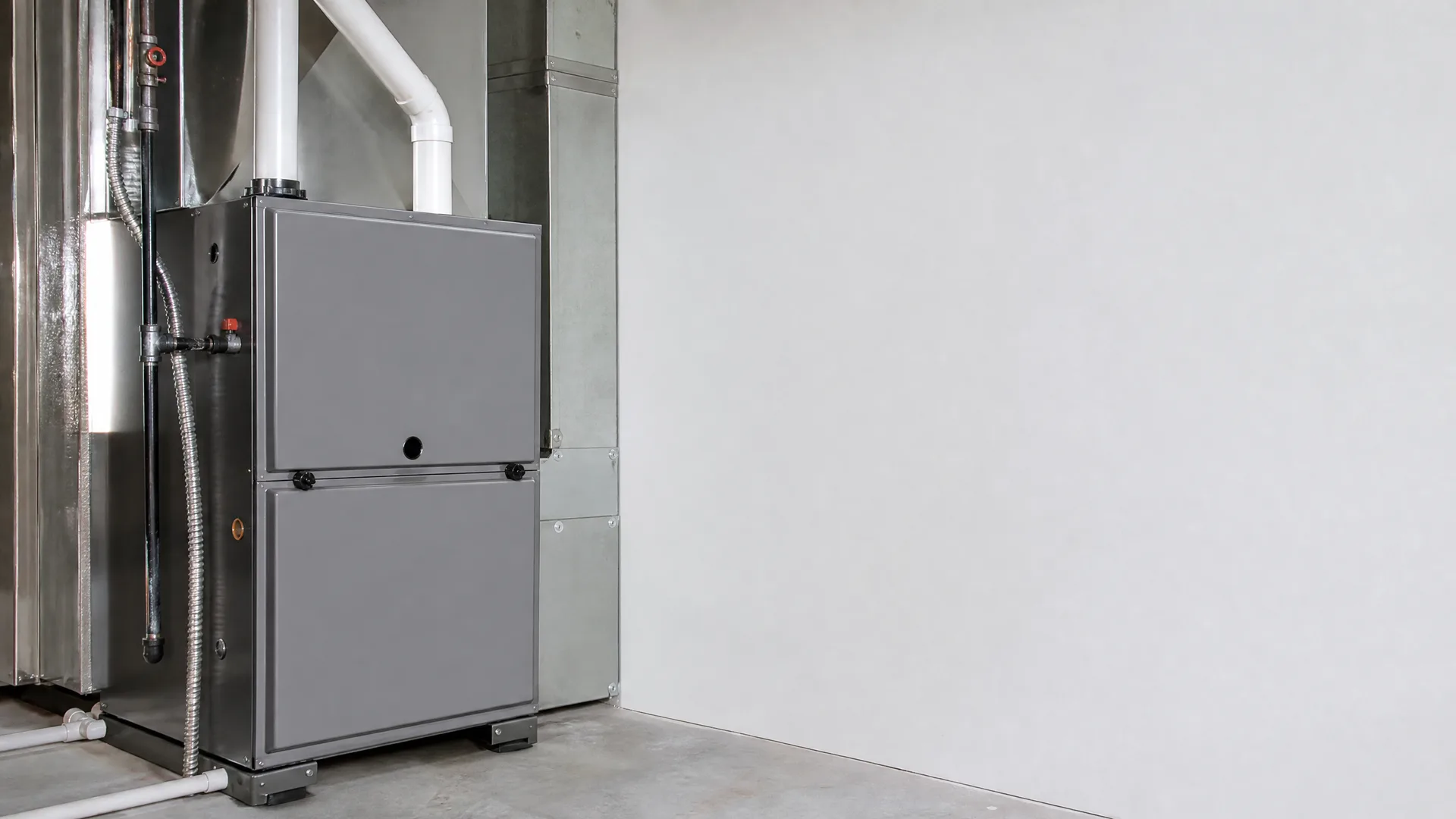
A gray high-efficiency furnace with two access panels stands in a bare basement corner, connected to sheet-metal ductwork, white PVC vent pipes, and flexible gas and electrical lines.

The furnace can run and not heat

A furnace that's running isn't the same as a furnace that's heating. The blower can push air through every vent in the house while the burners stay off or short cycle, so what you feel is room-temperature air, not heat. A cracked heat exchanger, a dirty flame sensor, or a failed igniter can all cause this. The fan keeps moving air because the blower and the burner are controlled separately.

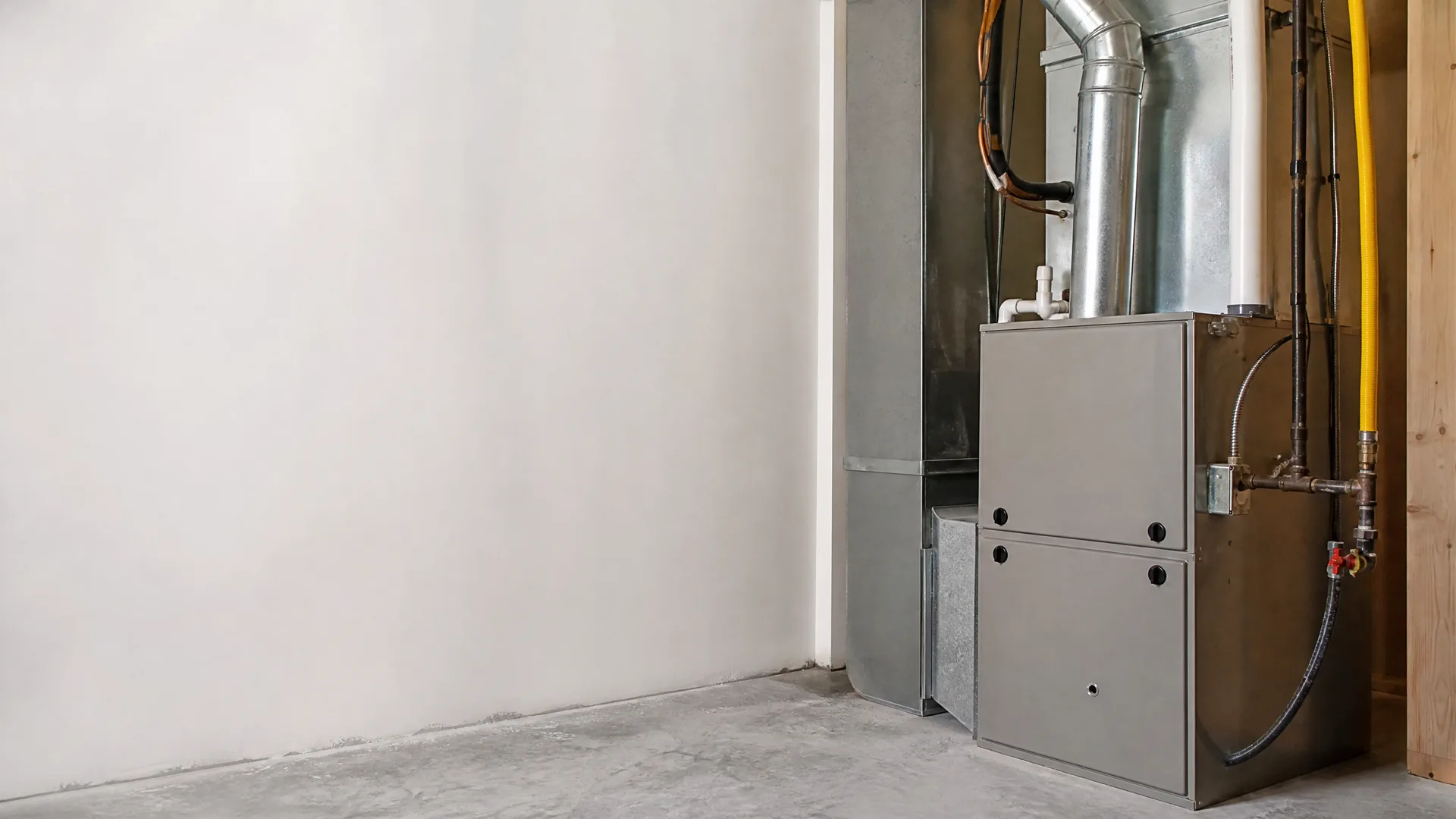
A gas furnace with metal ductwork, copper and yellow gas piping stands against a wall in an empty room with a bare concrete floor.

Ductwork makes it worse

If the ducts run through an unheated attic or crawlspace, which is common in older Illinois homes, heat can be lost before it ever reaches the room. That loses you warmth right when you need it most, in the months when the gas furnace is working hardest. A furnace that's actually heating properly at the unit can still leave rooms cold if the ducts aren't delivering what it makes.

What does this feel like in your house right now

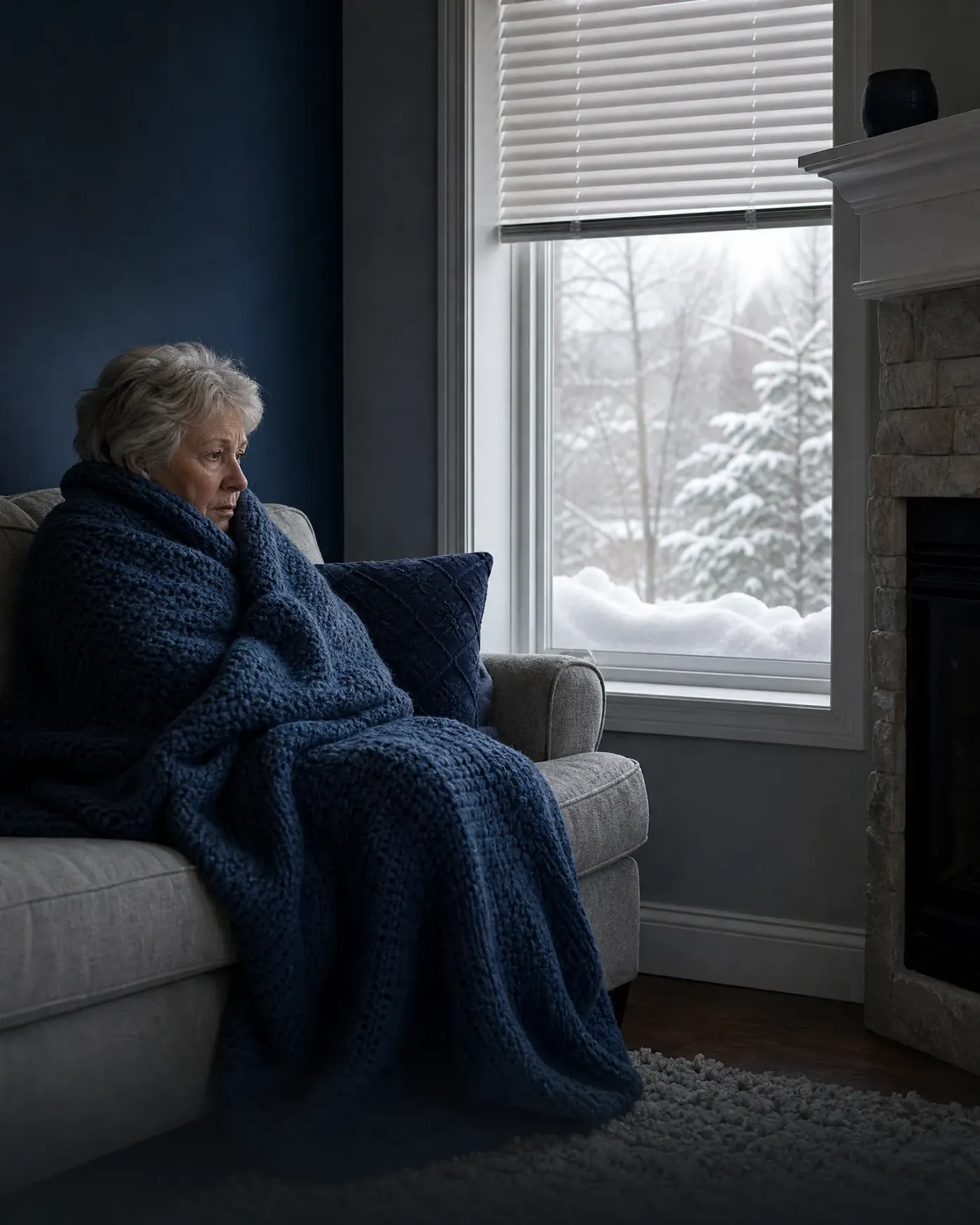
You've probably turned the thermostat up a few degrees and waited, but the rooms farthest from the furnace stay cold while the air coming out of the vents feels lukewarm at best. Maybe you've noticed the furnace running longer than it used to, or kicking on and off more than it should. Some rooms might feel fine while others don't, which tells you the heat isn't getting where it needs to go. Left alone through an Illinois winter, this usually means higher gas and electric bills for less comfort, and it puts more strain on a furnace that's already struggling to keep up.

A woman in a cream cowl-neck sweater stands in a lamp-lit room looking out a window at a snow-covered yard with shrubs and bare trees at dusk.
A woman in a gray turtleneck sweater stands near a large window in a lamp-lit living room, looking out at falling snow and snow-covered conifers.
A woman in a chunky knit sweater stands by a large window looking out at snow-covered ground, with a dimly lit living room containing a gray sofa, framed artwork, shelves and table lamps behind her.
A woman in a gray turtleneck sweater stands in a dimly lit living room with a lamp and bookshelves, looking out a multi-pane window at falling snow.

A local pro for your furnace repair

A furnace that runs but doesn't heat is usually a cracked heat exchanger, a bad flame sensor, or a control board that's lost communication with the thermostat, and none of those are things to keep testing on your own in an Illinois January. Most homes around here run on gas, and a furnace that short cycles or blows cold air for hours can still rack up a bill while it fails to do its job. The same equipment behaves differently depending on install, ductwork, and age, which is why a local contractor who services this kind of furnace all winter can usually narrow down the cause faster than guesswork at the thermostat. Your request goes to one contractor who knows the furnaces common in this area, not a handful competing for the call. While the rooms stay cold, that's the faster path to warm air again.

The blower is running on its own

Some furnaces have a fan setting that pushes air through the ducts even when the burners aren't firing. If the thermostat is set to "on" instead of "auto", the blower runs all the time whether or not the furnace is actually heating. You'll feel air movement at every vent, but the air won't be warm. Check the thermostat's fan setting first. If it's set to "on", switch it to "auto" and see if the air coming out changes temperature once the burners kick in. If it's already on "auto" and you're still getting cool air, the problem is with the furnace itself, not the setting.


The furnace is trying and failing to heat

If the fan is already set to "auto" and you're still feeling cool air, the burners aren't staying lit long enough to warm the air before the blower pushes it out. This points to something inside the furnace, a flame sensor that shuts the burners off early, an ignition problem, or a control board that isn't getting the signal it needs. This isn't a setting you can fix from the thermostat. It calls for someone to open the furnace up and find out which part is failing, especially with an Illinois winter outside.

A bearded man in a plaid flannel shirt stands indoors looking out a window at snow-covered conifers, with a ceramic mug on the wooden sill and wooden cabinets behind him.
A smiling man in a dark blue T-shirt sits on a light gray sofa in a living room with a wooden shelf and window behind him, with a laptop edge visible in the foreground.

Fan set to "on"

The blower runs nonstop whether the furnace is heating or not. Switch the thermostat to "auto" and see if the air coming out actually warms up.

Get one local pro

Fan set to "auto" and still cold

The blower should only run with the burners. If it's still blowing cold air on auto, something past the thermostat needs a closer look.

Get one local pro
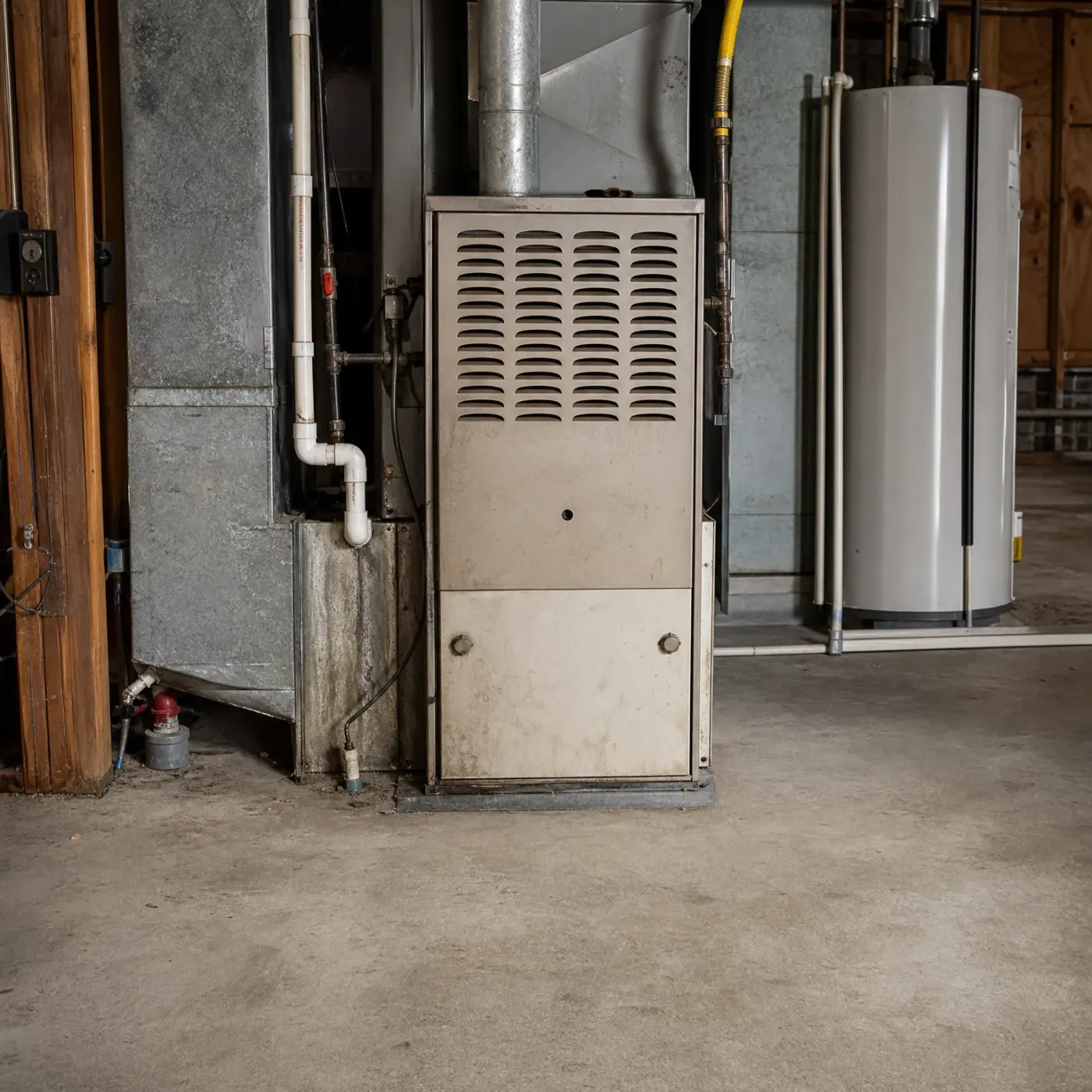
A beige furnace with a louvered front panel and metal ductwork stands on a concrete basement floor beside pipes and a white cylindrical water heater.
Before you get your furnace repair
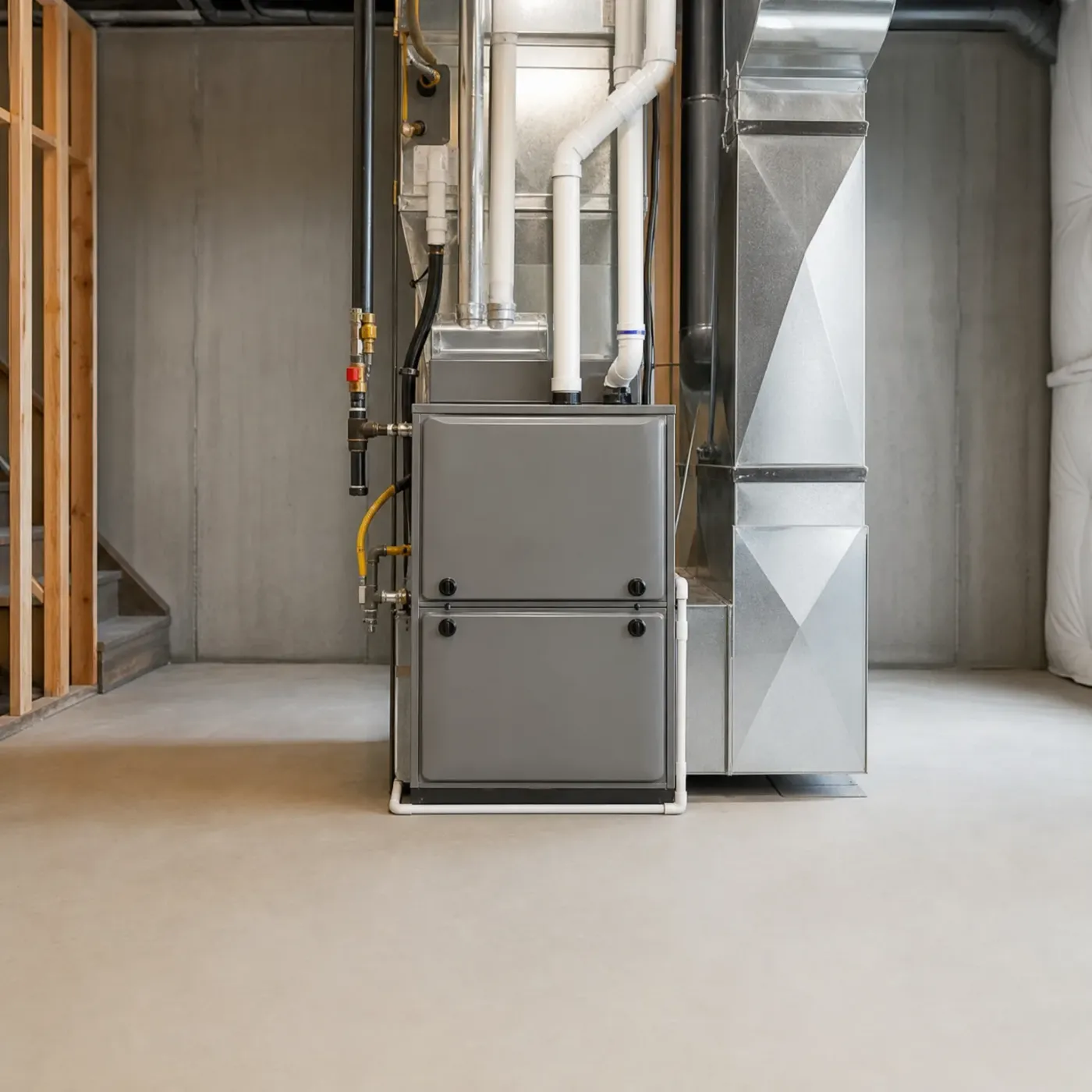
A gray high-efficiency furnace in a basement with PVC venting pipes, a yellow gas line, metal ductwork, concrete walls and floor, and a wood-framed stairway at left.
After you get your furnace repair
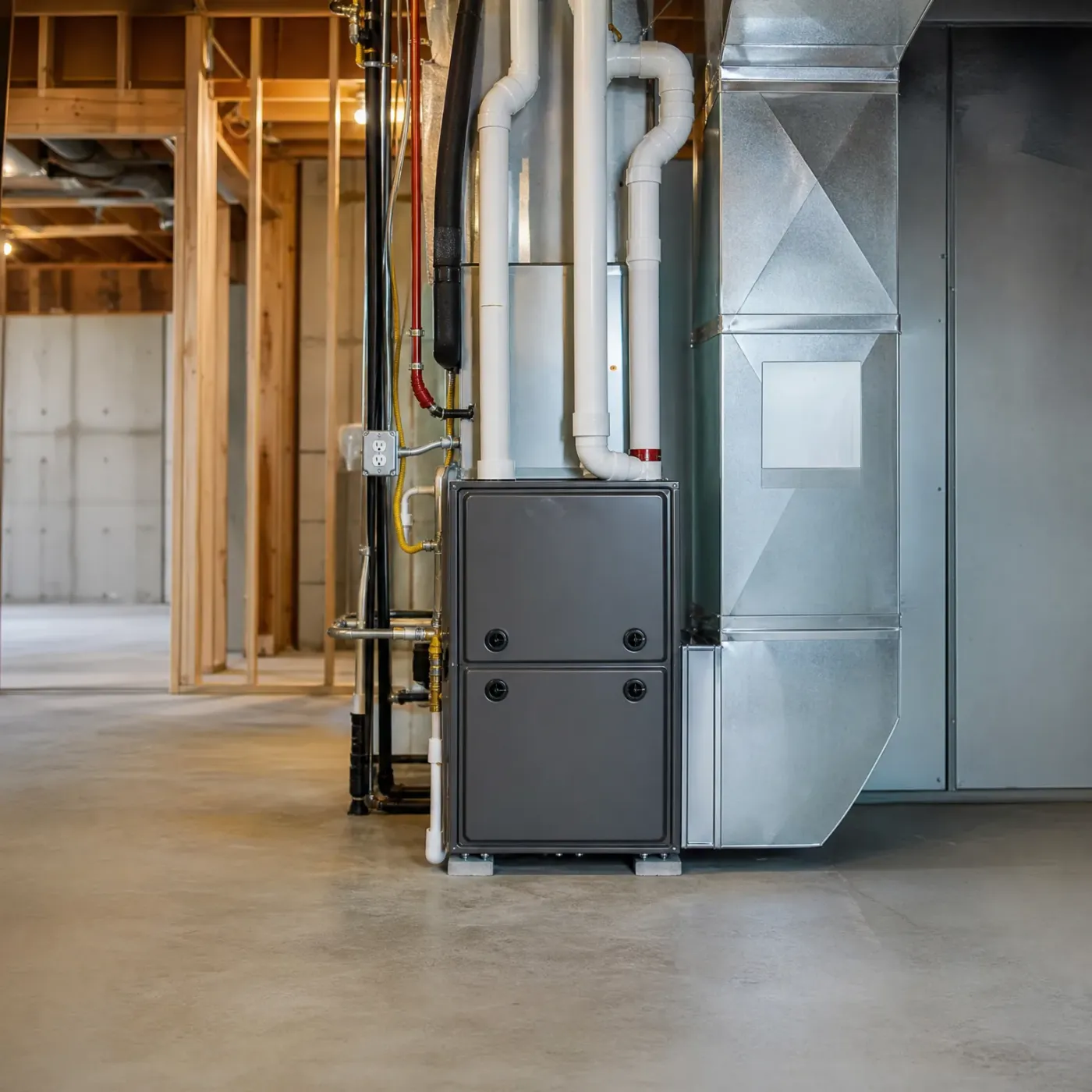
A gray high-efficiency furnace stands on a concrete basement floor beside galvanized sheet-metal ductwork, with white PVC vent pipes, gas and water lines, and unfinished wood framing behind it.

The furnace firing the way it should

A furnace like this draws gas, lights the burners, and pushes heat through the ducts. The PVC flue pipes vent the exhaust safely outside. When this is working right, you feel warm air at the vents within a few minutes of the thermostat calling for heat.

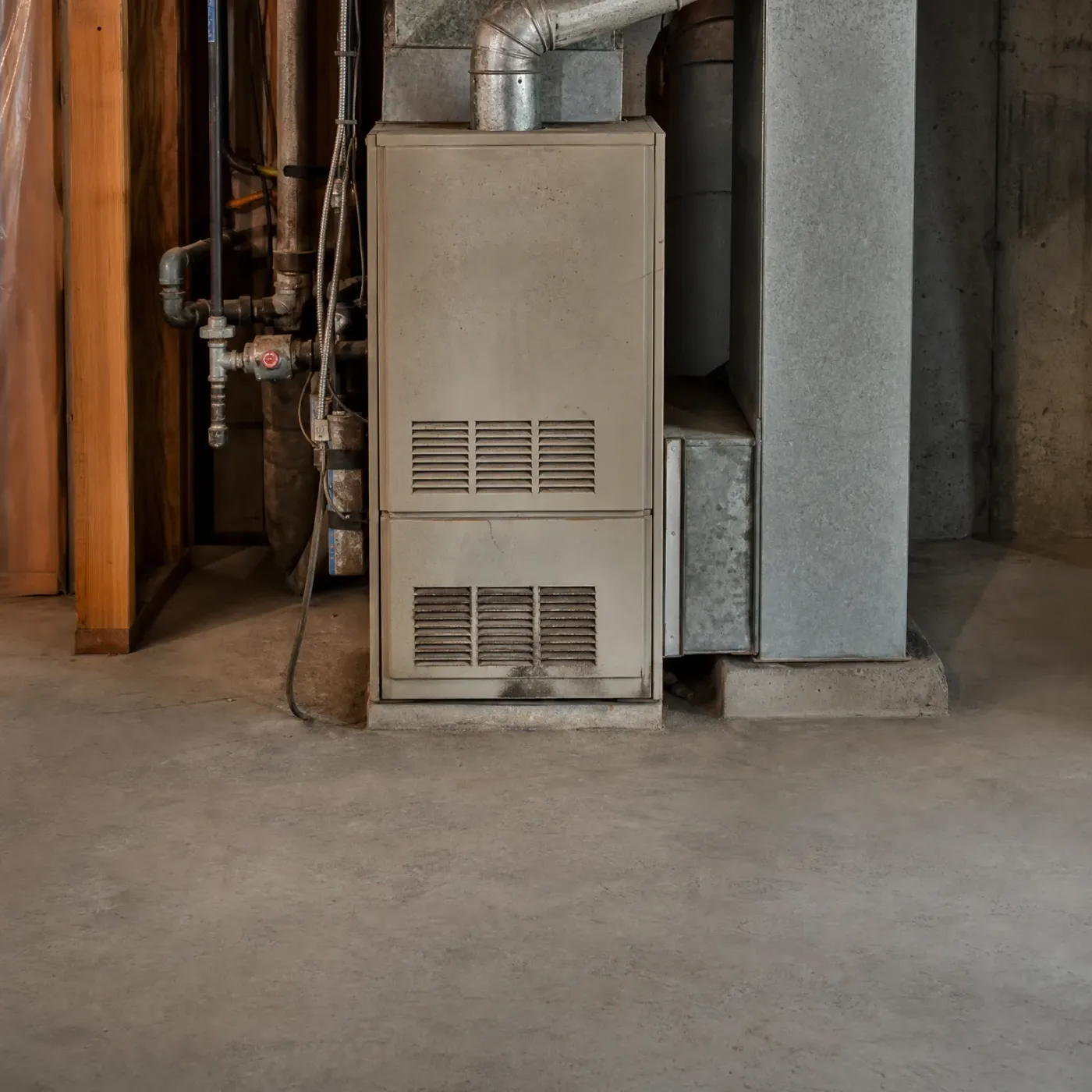
A beige furnace with two louvered front panels stands on a concrete basement floor beside galvanized ductwork, metal pipes, and a wooden post.

The furnace that's only moving air

The same kind of furnace can sit on a concrete floor with every connection intact, gas line, flue vent, ductwork, and still not heat the house. If the burners aren't lighting or staying lit, the blower moves air that was never warmed in the first place.

75.3% of homes statewide heat with gas

Three out of four homes in Illinois run on gas heat, and yours is probably one of them. That means the furnace itself is almost always where the problem sits when warm air stops showing up, not the thermostat wiring or the ductwork around it.

ACS 2020-2024 5-year B25040

A furnace that runs without heating the house is a furnace with a specific problem, and most of the time that problem is the flame sensor, the heat exchanger, or the control board. Guessing at which one wastes a cold evening you don't have to spend that way. The contractor who gets matched to you works on gas furnaces in Illinois homes all winter, which means they've already seen this exact complaint and know what to check first. You'll hear from one contractor, not several, so you're not fielding calls all afternoon trying to figure out who to trust. That contractor is licensed to do this work and local to you, which matters when the forecast says the cold isn't letting up. The thermostat isn't lying to you. The furnace isn't doing what it's supposed to, and that's a repair, not a mystery.

Interior room corner with sunlight from a window, showing peeling paint and damaged plaster on the wall above a white baseboard, a wooden cabinet with a pale bowl on top, hardwood floor and a patterned rug.
Interior corner of a room with tan walls, white profiled baseboard and window trim, a wood-plank floor in sunlight, and green foliage visible through the window.
An empty room corner with cream walls, white baseboard, two windows with deep sills showing green foliage outside, and a wood plank floor lit by sunlight.
Empty room corner with beige walls, white beadboard wainscoting, chair rail and baseboard, a window with green foliage outside, and sunlight casting leaf shadows on the wall above a wood floor.
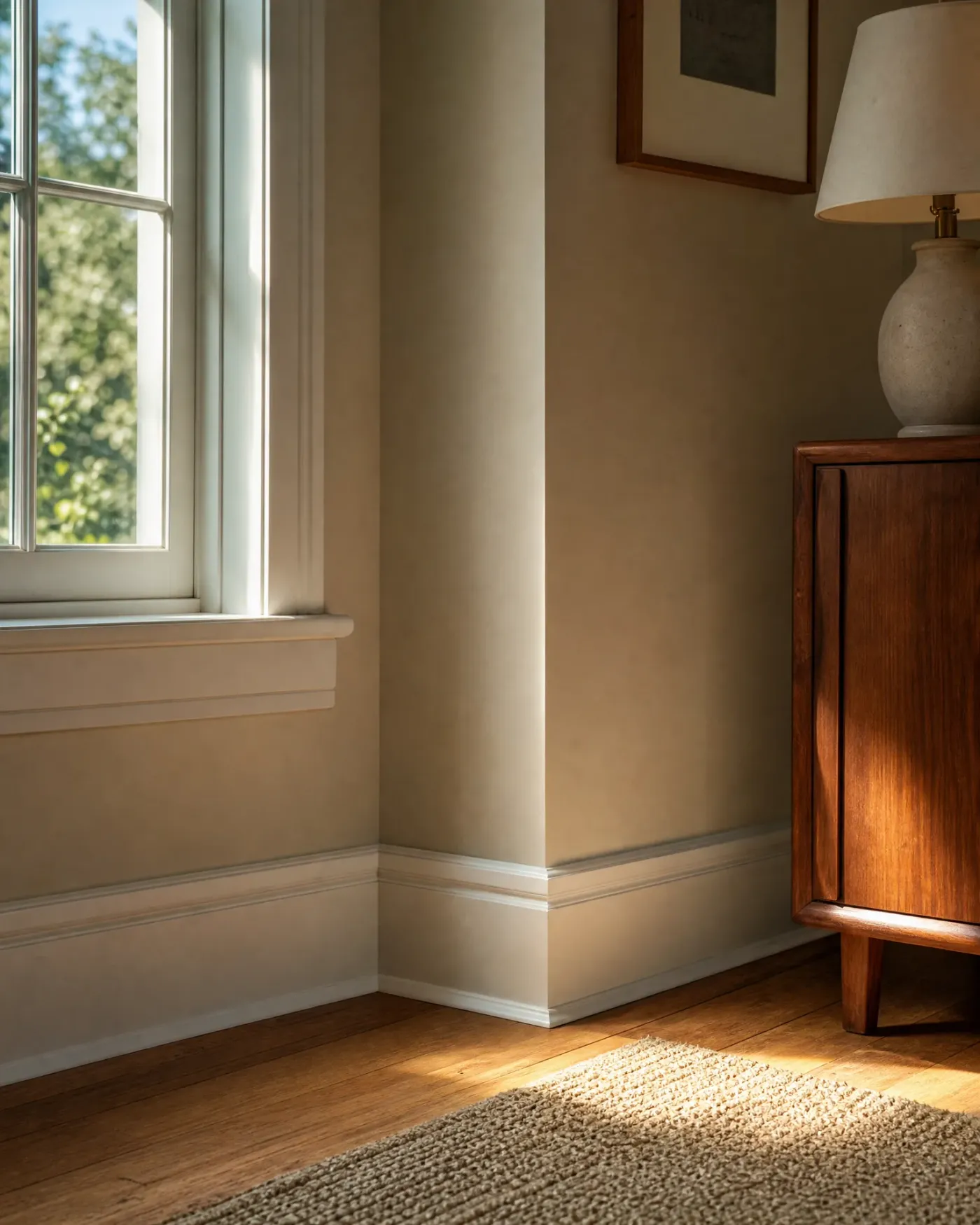
Sunlit room corner with a multi-pane window, beige walls, white baseboard, wood floor with a woven rug, and a dark wooden cabinet holding a ceramic table lamp below a framed picture.

A pro who works on furnaces

The pro who reaches out is licensed in Illinois.

Find a furnace pro

Sending the form costs nothing.