
Furnace pilot light keeps going out in Illinois

Answer a few questions instead of calling shop after shop.

Describe it once

Why does my furnace pilot light keep going out?

A relit pilot that goes out again within a day or two points to something specific, not bad luck. With a gas furnace running hard through an Illinois winter, a pilot that won't stay lit usually means the furnace can't be trusted to hold heat when you need it most, and that's worth sorting out before the next cold snap.

A weak thermocouple is the usual cause

The thermocouple is the small metal rod that sits in the pilot flame. Its job is to sense the flame and keep the gas valve open. Once it wears out or sits slightly out of position, it stops reading the flame correctly and shuts the gas off, even though the pilot was burning fine seconds before. A draft from a vent or a dirty pilot orifice can cause the same thing, so the cause isn't always the part itself. Either way, it's not something to leave alone through an Illinois winter. Most homes here heat with gas, and a furnace that won't hold its pilot means no heat until it's fixed, on a night you'd rather not find out the hard way.

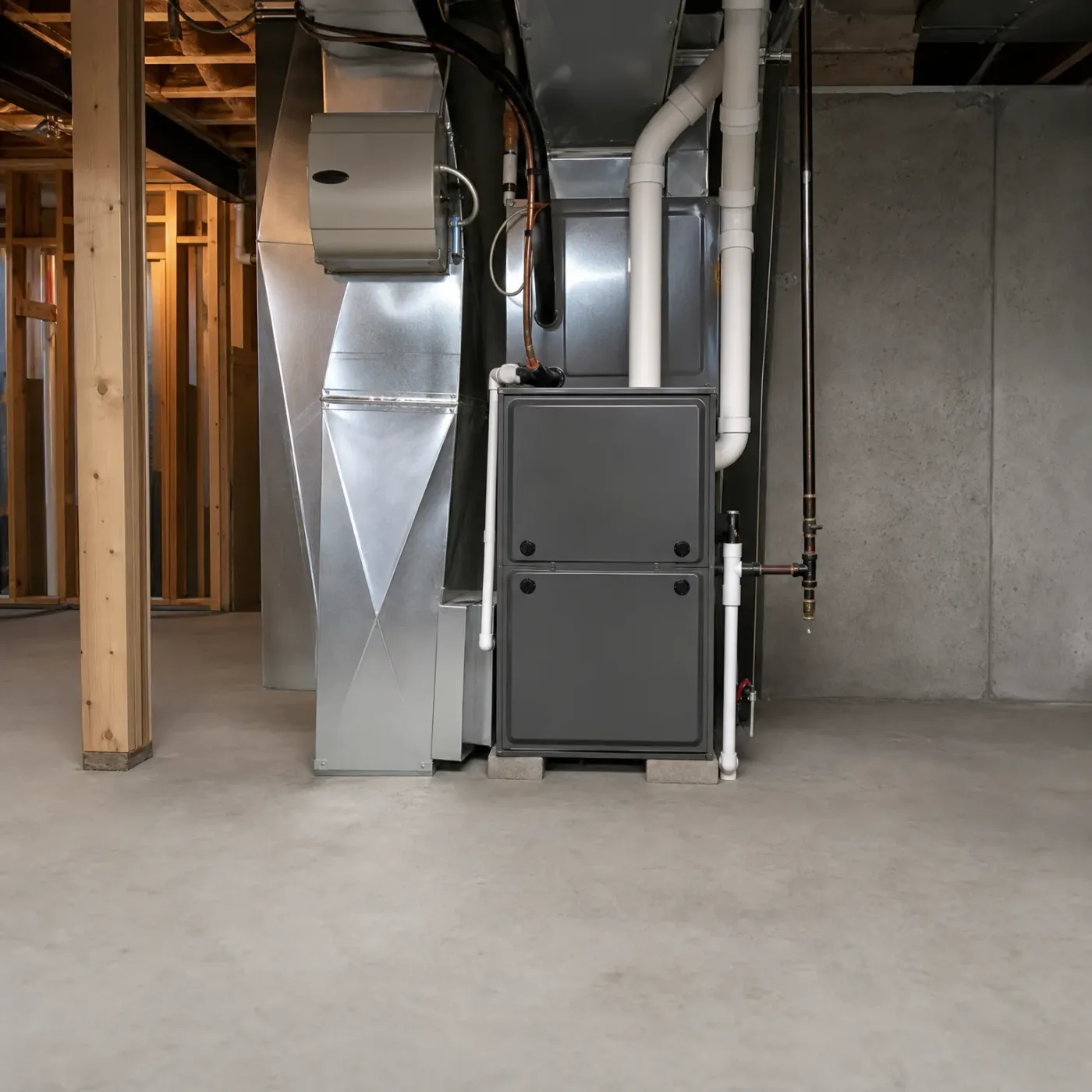
A gray high-efficiency furnace with white PVC venting pipes stands on blocks in a basement next to sheet-metal ductwork, with exposed wood framing on the left and a concrete wall and floor.

Pilot staying lit

This is a furnace running the way it should. The pilot holds steady, the burners fire clean, and the thermocouple reads a strong flame so the gas valve stays open. A furnace set up like this will carry you through an Illinois winter without a second thought.
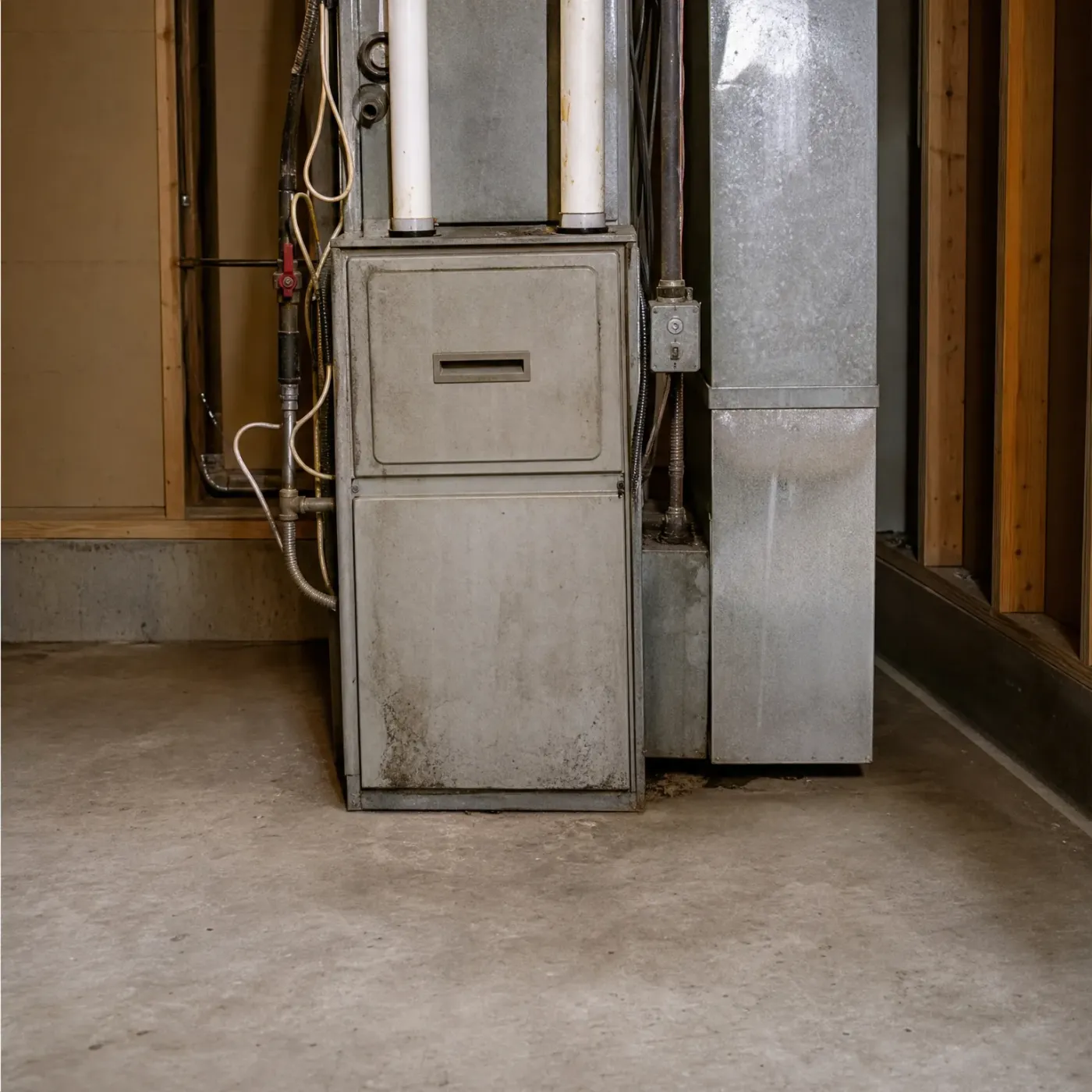

An older gas furnace with two white PVC vent pipes stands on a concrete basement floor beside galvanized sheet-metal ductwork, flexible conduit, and piping along a wall.

Pilot going out

This is the furnace worth a second look. An older cabinet, a flame that won't hold, a pilot that drifts or dies after relighting. A dirty thermocouple, a draft from the flue, or a failing gas valve can all cause this, and each one needs a different fix.

A gray-haired bearded man in a dark knit sweater sits on a light gray sofa in a sunlit living room, looking to his left, with a framed artwork, a potted palm, and a curtained glass door behind him.
A middle-aged man in a dark green sweater sits on a light grey sofa looking toward a sunlit window, with a wooden shelving unit, lamp and potted plants in the background.
A man in a dark green sweater sits on a light grey sofa in a sunlit living room, looking to his left, with a shelving unit, houseplants, framed art and a large window behind him.
A gray-haired bearded man in a dark green sweater sits on a light gray sofa in a sunlit living room with a potted plant, framed picture, and dark shelving in the background.

The pilot and the thermocouple work as a pair. The thermocouple sits in the pilot flame and sends a small signal to the gas valve that says, in effect, keep the gas open, there's a flame here. When that signal weakens or stops, the valve shuts the gas off, pilot and all, whether or not the flame was actually still burning. So the question isn't just whether the pilot is lit. It's whether the thermocouple can tell. Soot on the orifice, a web in the tube, or a draft sneaking in from a loose flue connection can all starve or disturb the flame enough that the thermocouple stops registering it as real, even for a second. A furnace that's been running hard through an Illinois winter gives all of these more chances to happen. Some of this a contractor can clean or adjust. Some of it, like a gas valve that's lost its hold on the pilot circuit, means a part has to come out and a new one go in.

What's Actually Happening at the Pilot

  • A dirty or bent thermocouple can't sense the pilot flame right, so it tells the gas valve to shut off even though the pilot is still lit.
  • A weak thermocouple reads the flame as too cool and cuts gas to the pilot within seconds of you letting go of the gas control knob.
  • A draft from a cracked heat exchanger, a loose flue connection, or a nearby vent can blow the pilot out before the thermocouple even reacts.
  • Buildup of soot or dust on the pilot orifice shrinks the flame until it's too small for the thermocouple to register as a true flame.
  • A bad gas valve can lose its hold on the pilot circuit even when the flame itself is burning fine.
  • Spider webs or debris inside the pilot tube block gas flow enough to starve the flame down to almost nothing.
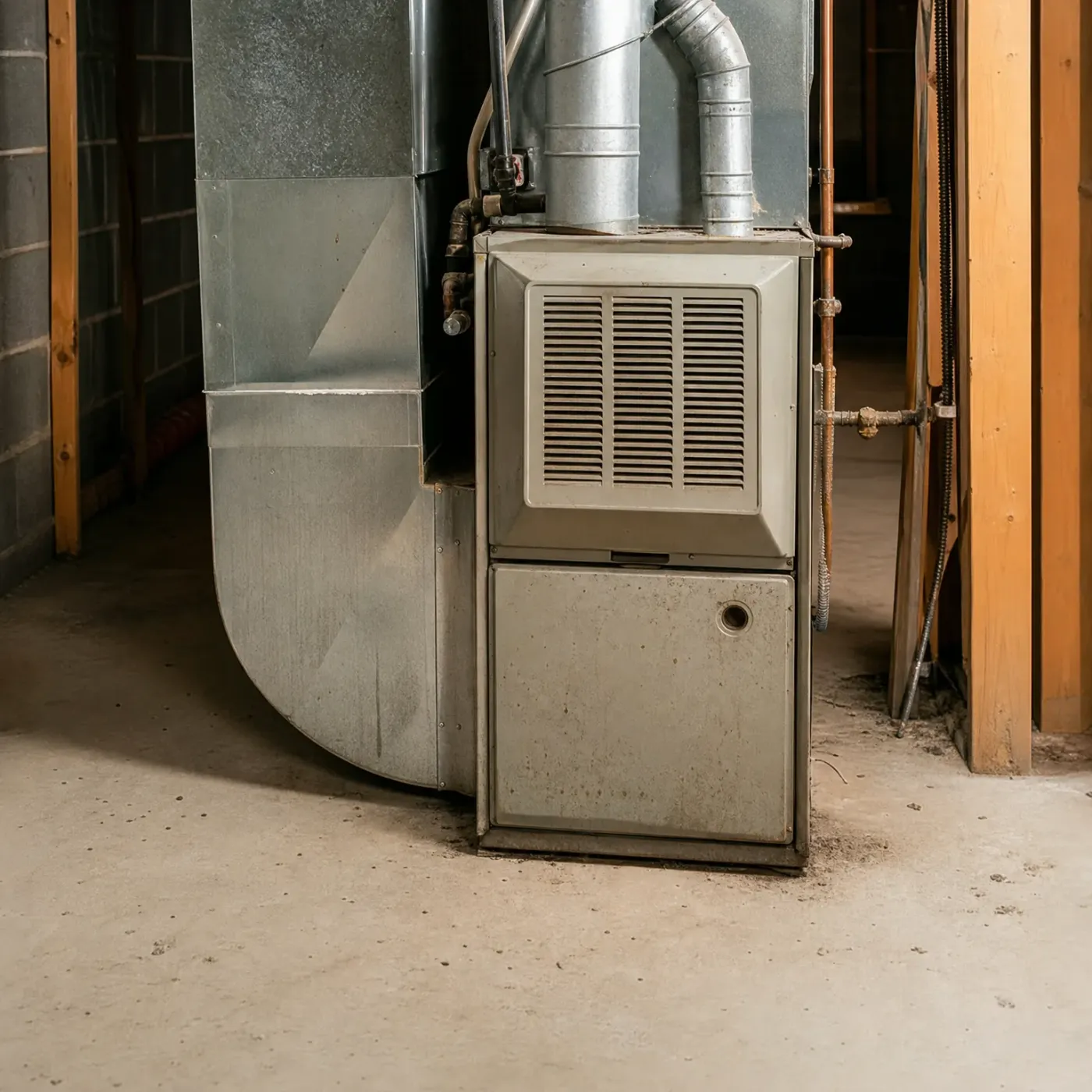
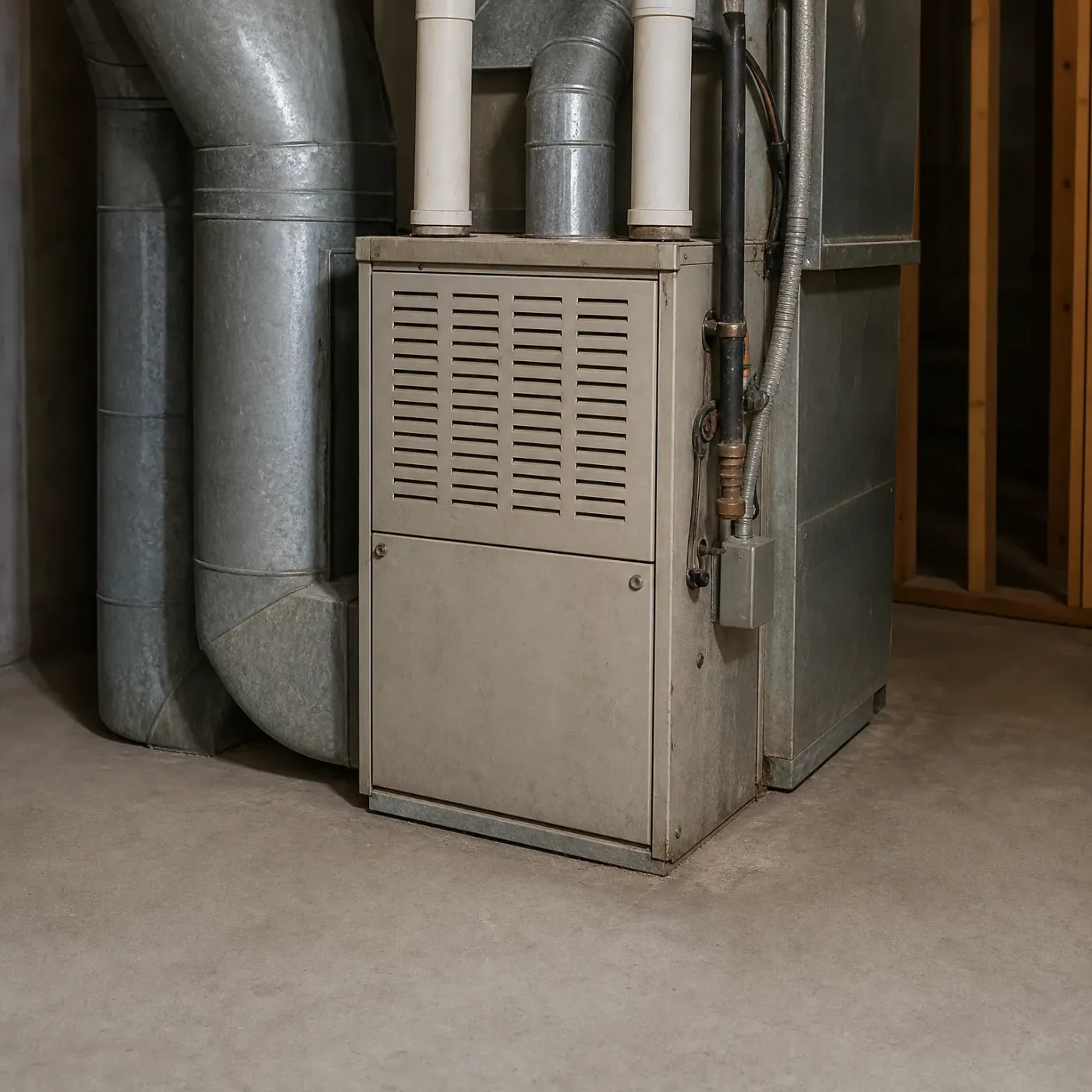
An older gas furnace with a louvered front panel stands on a concrete basement floor beside large sheet-metal ductwork, a metal flue pipe, copper piping and wood framing.
Before you get your furnace repair
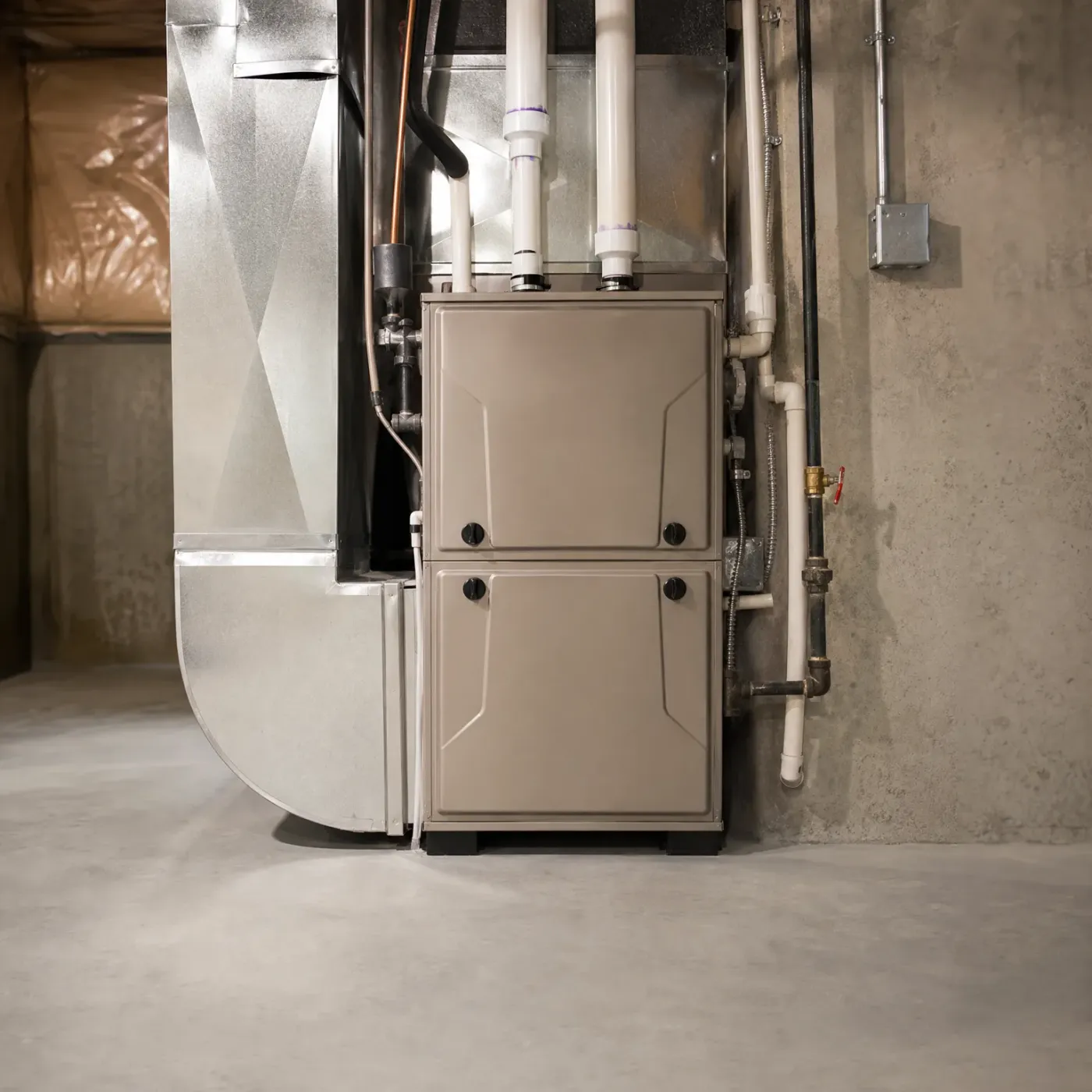
A beige high-efficiency furnace stands on a concrete basement floor beside sheet-metal ductwork, with white PVC vent pipes, flexible conduit and copper and steel piping running up a concrete wall to an electrical box.
After you get your furnace repair
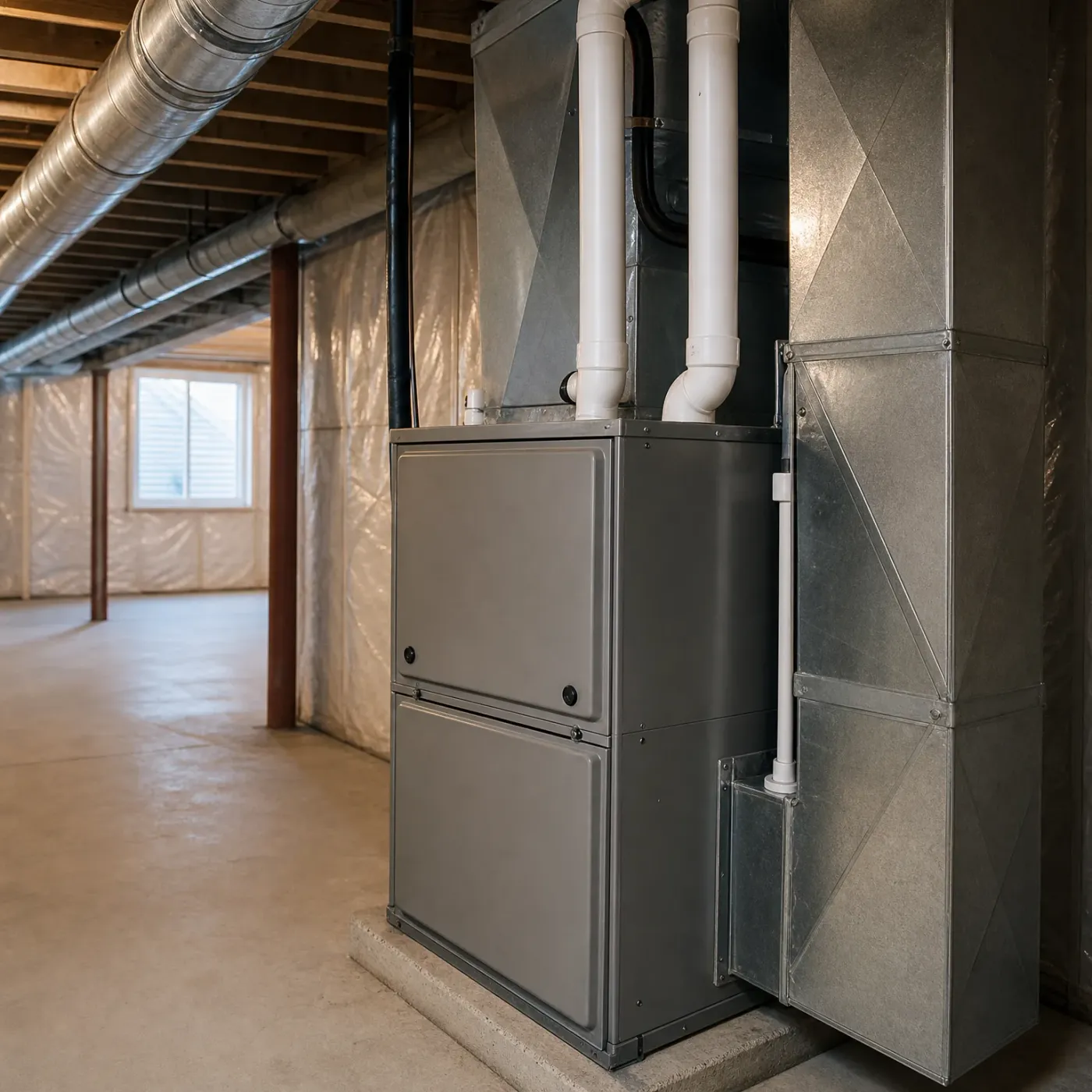
A gray high-efficiency furnace on a concrete pad in an unfinished basement, with white PVC vent pipes, galvanized sheet-metal ductwork, insulated walls and a small window in the background.

Skip calling around

Your request goes to one pro, not a list of companies.

Fill out one short form instead of calling around.

Get a licensed local pro

It costs nothing to send, and you don't have to hire anyone.

Is this something you're noticing right now?

You go down to relight it, hold the button the full minute, and it catches. A few hours later, or the next morning, the house is cold again and the pilot's out. Maybe you smell gas for a second when it fails, or you hear the burner try to fire and quit. Some days it holds, some days it doesn't, and you're down in the basement more than you'd like, lighter in hand. Left alone through an Illinois winter, a furnace that keeps dropping its pilot either stops heating when you need it most or stays a nuisance you're managing by hand instead of a problem that gets fixed.

A gray high-efficiency furnace with white PVC vent pipes stands in an unfinished basement beside sheet-metal ductwork, gas piping, and insulated stud walls on a concrete floor.

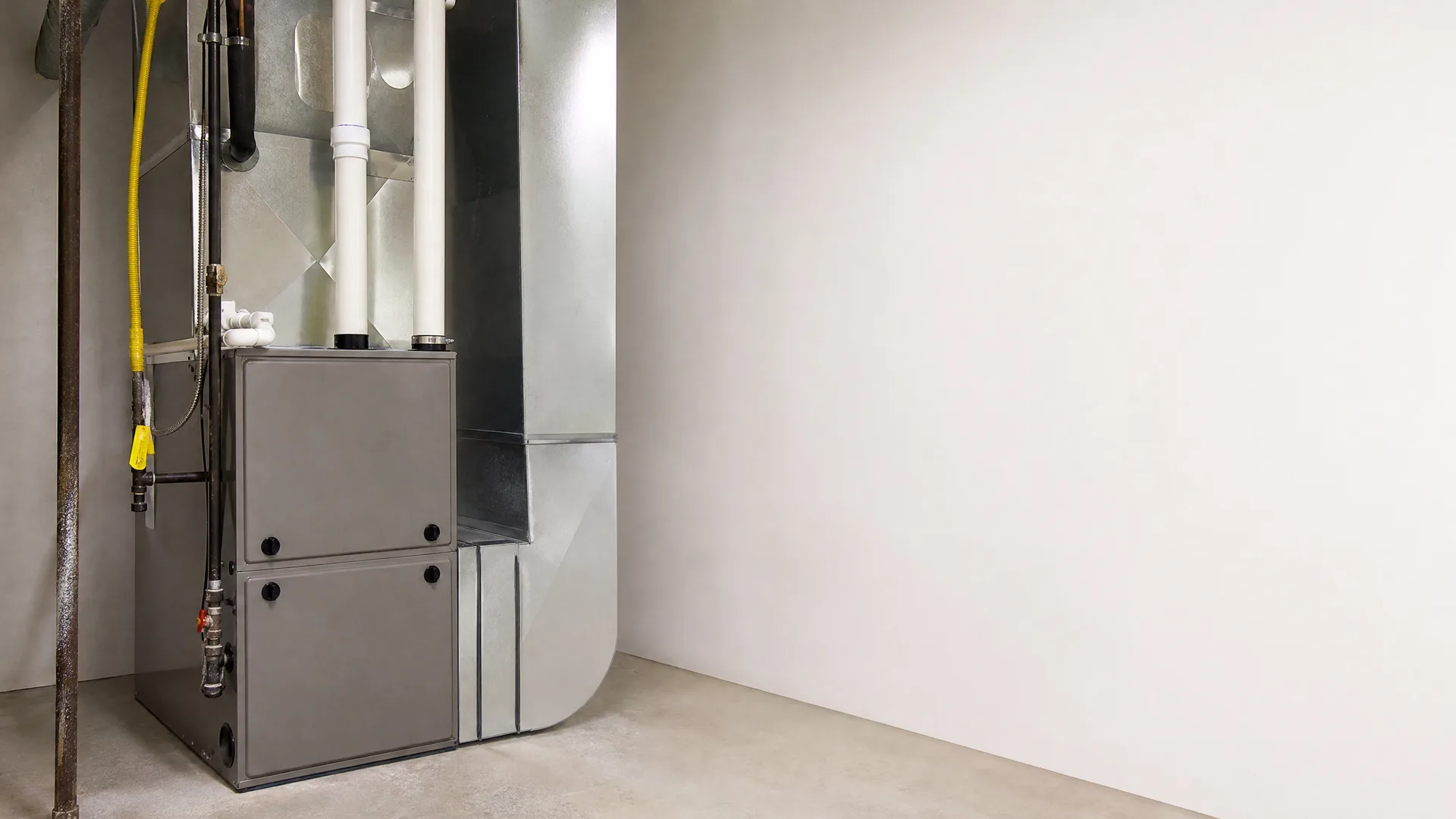
Furnace running clean

A high-efficiency furnace like this vents through PVC pipe instead of a metal flue, and the gas line feeds a sealed burner chamber. When it's set up right, the pilot or igniter system holds steady and the furnace cycles on and off without you ever going down to check on it.

A beige sheet-metal furnace with a louvered upper panel stands on a concrete basement floor, connected to galvanized ductwork, white PVC vent pipes, and a metal gas line with an electrical box.

Furnace losing its pilot

This is an older mid-efficiency furnace, the kind with a standing pilot and a metal flue pipe instead of PVC. These units depend on a thermocouple to keep gas flowing to the pilot, and when that part wears out or sits dirty, the pilot drops out on its own.

A closed silver laptop and a white cup of coffee on a saucer sit on a wooden table in front of a wooden chair, a plain beige wall, a potted leafy plant and a window with greenery outside.

A furnace that won't hold a pilot still has to be dealt with by hand

Every time it goes out, someone has to go down to the basement or the utility closet, find the pilot assembly, and hold the gas button in for a full minute while the thermocouple heats up enough to let gas flow on its own. In January that might mean doing it twice in one day. If nobody catches it overnight, you wake up to a cold house and cold water, and the furnace sits idle until someone relights it.

With power this expensive in Illinois, most of the homes around you lean on gas heat to keep that bill in check, which means a furnace that keeps dropping its pilot is doing you no favors either way. Finding someone to look at it shouldn't mean another afternoon on the phone, calling a few names off a search page, explaining the same thing to each one, then sitting on quotes trying to guess who actually knows this furnace. A licensed contractor near you who works on these all winter can usually tell you what's failing before they've finished asking a few questions about it.

A large weathered ceramic vase and a shallow wooden bowl sit on a rustic wooden table beside a window with linen curtains, with a blurred sofa with cushions and a hanging fabric panel in the background.

75.3% of homes statewide heat with gas

With three out of four Illinois homes heating with gas, your furnace's pilot or igniter is doing real work all winter. When that pilot won't stay lit, you're not dealing with a rare setup. It's the same gas furnace system a local contractor sees in most houses on your street.

ACS 2020-2024 5-year B25040

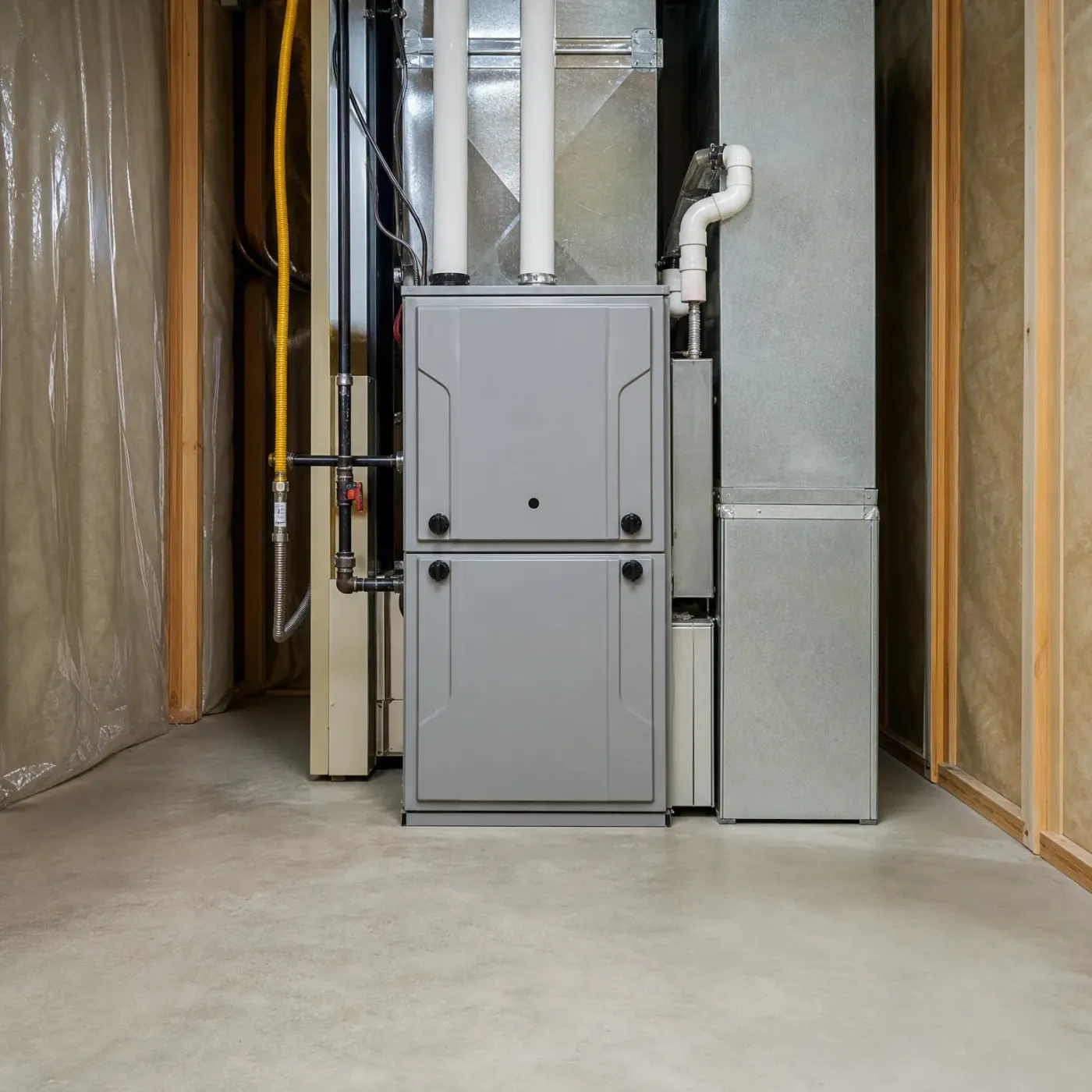
A gas furnace with two gray access panels stands against a plain wall in a basement, connected to sheet-metal ductwork, white PVC vent pipes, and a yellow gas line.

What a draft can do

A pilot sits open to the air around it, so a draft from a cracked door or a cold air return nearby can push the flame sideways or snuff it out. The thermocouple then reads no flame and cuts gas to the pilot within seconds. If the pilot goes out mostly on windy nights or right after the furnace closet door swings open, moving air is worth ruling out before anything gets replaced.

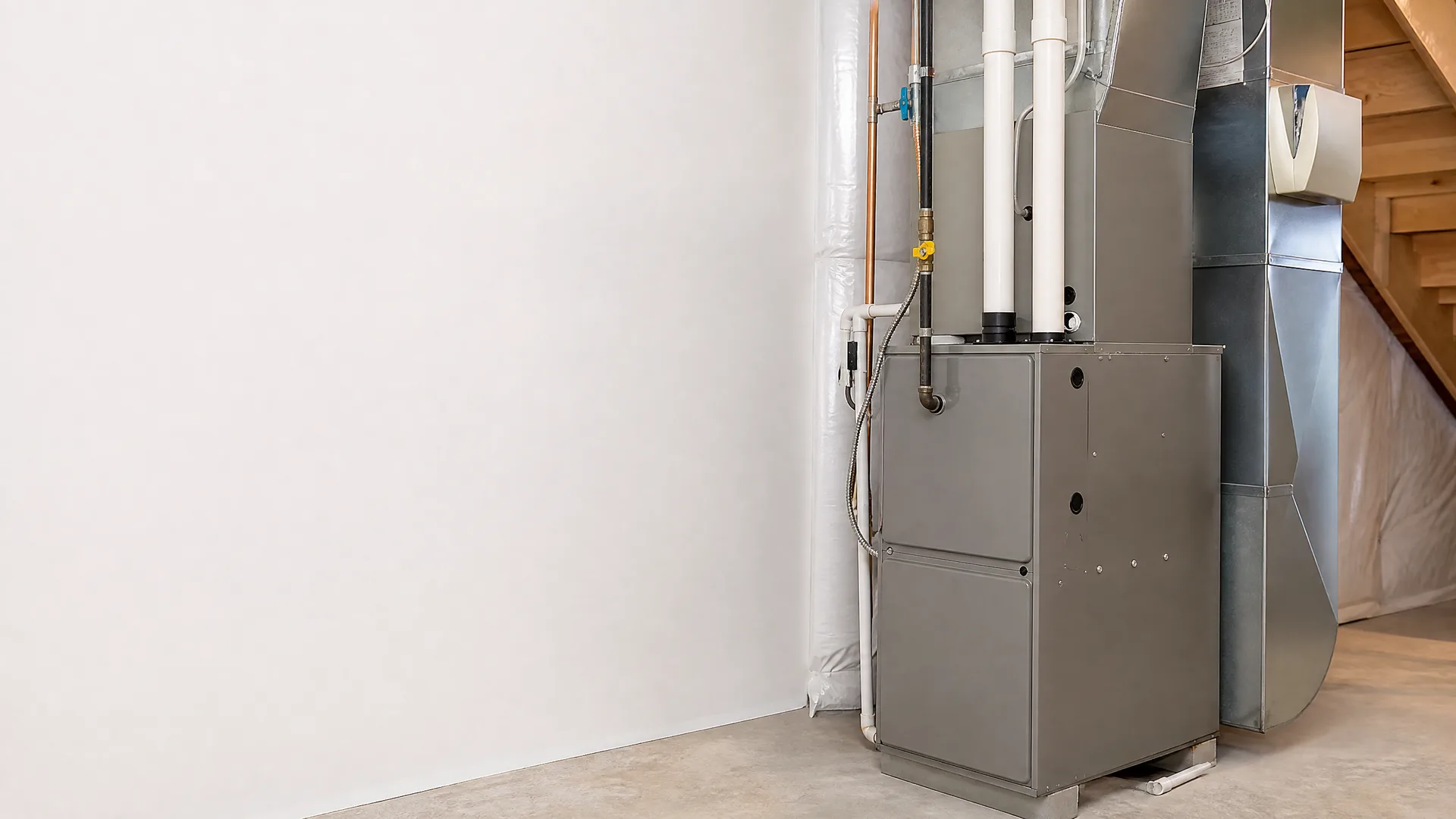
A gray high-efficiency furnace in a basement corner with white PVC vent pipes, copper and black gas piping, and sheet-metal ductwork beside a plain white wall and wooden stair framing.

What the gas valve controls

The gas valve only stays open as long as the thermocouple tells it a flame is present. It does not know why the flame went out, only that it did, so the valve shuts regardless of whether the cause was a dirty thermocouple, a draft, or a clogged pilot orifice. That single point of control is why one small part failing can take the whole furnace down for the night.

A pilot that keeps going out has a reason behind it, whether that's a thermocouple that's worn out, a draft reaching the flame, or a dirty orifice choking the gas. None of those fix themselves, and relighting the pilot over and over just gets you through the night, not through the winter. A licensed Illinois contractor who works on gas furnaces all season can look at the pilot assembly, the thermocouple, and the draft around it, and tell you which one is causing this. That's one call instead of several, to someone who already knows what usually fails on furnaces like yours. Once it's fixed, you stop checking the basement every cold morning to see if the house is still warm. The furnace goes back to doing what it's supposed to do all winter: hold a flame and heat your home without you having to think about it.

A woman with shoulder-length dark brown hair in a cream knit cardigan sits in an upholstered armchair beside a window, looking off to the side, with a white bookshelf and potted plant blurred behind her.
A woman with her hair in a bun sits wrapped in a beige knitted blanket on a couch, holding a sleeping child against her chest in a warmly lit room with a lamp and houseplant in the background.

Furnace Repair

Describe it once

The pro who reaches out is licensed in Illinois.

A black-framed smartphone standing upright against a plain light gray background, its screen filled with solid green.
Step 1 of 3: Equipment