Profile view of a bearded man wearing a dark baseball cap and a dark gray T-shirt against a plain off-white background.

How often to change your furnace filter in Illinois

Step 1 of 3: Equipment

How often should I change my furnace filter in Illinois?

Illinois furnaces run hard from October through April, and that filter sits in the airflow the whole time. You want to catch a dirty filter before it starts costing you on the gas bill or strains the furnace into a breakdown, not after.

Every 1 to 3 months during the heating season

A 1-inch filter, the kind most furnaces here use, needs a look every 30 to 90 days once the furnace starts running regularly in the fall. Check it monthly if you have pets or anyone in the house has allergies, since pet hair and dander clog the filter faster than normal dust. A furnace pulling air through a clogged filter works harder to move the same amount of heat, and in a state where power costs are already high, that shows up on the gas and electric bill both. A thicker filter, 4 or 5 inches, holds more dust and can usually go 6 months between changes. Check the box it came in for the exact size and rating before you buy a replacement.

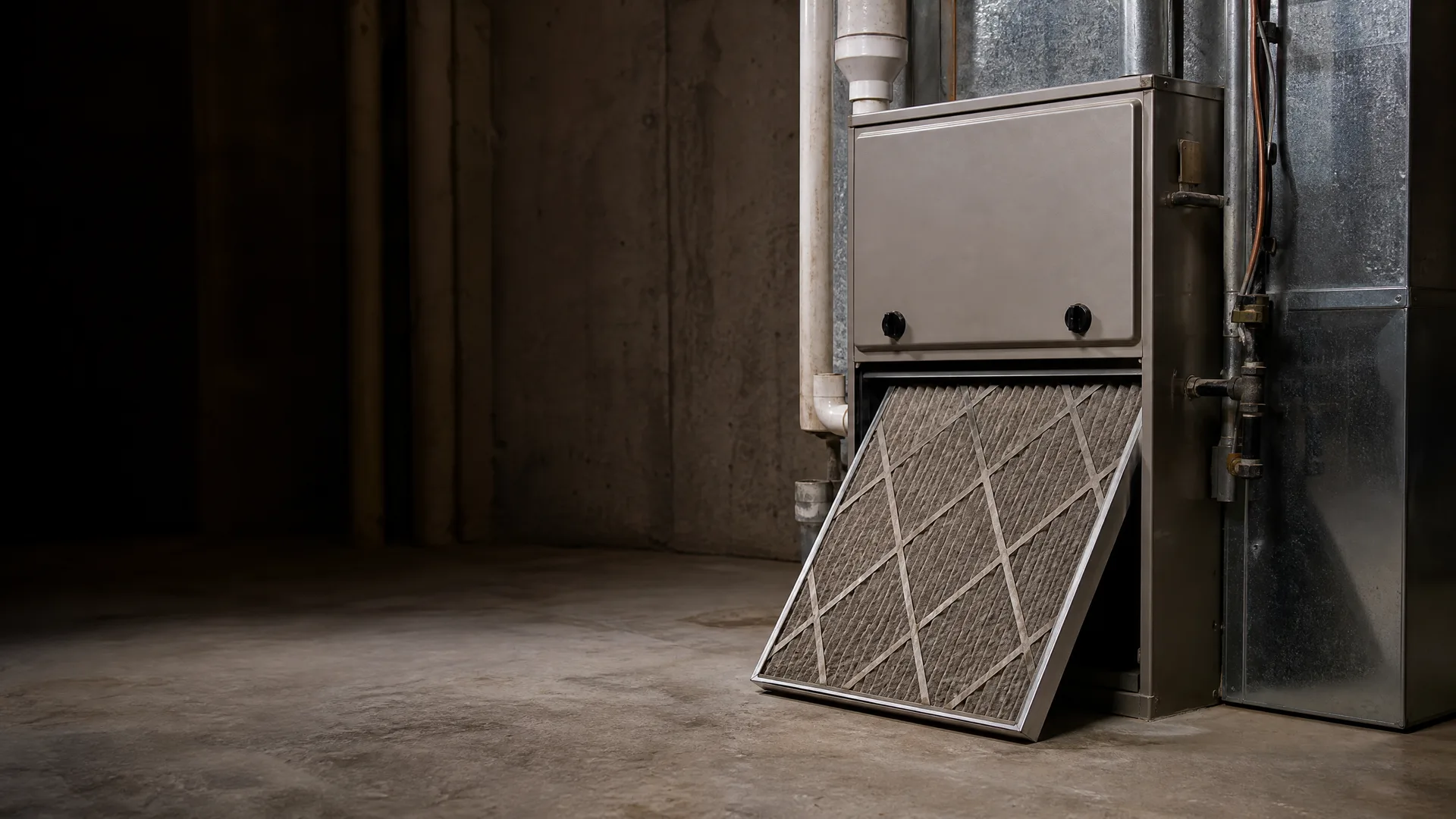
A dirty pleated air filter leans against a furnace with metal ductwork in a dim concrete basement.

You're down in the basement on a Saturday afternoon, the light coming in gray through the small window near the ceiling. The furnace has been running most of the morning, that first real cold snap of the year pushing in. You pull the filter out to check it and it stops halfway, caught a little in the slot. It's gray, almost felted, and you can't see through it when you hold it up to the window light. You hadn't meant to let it go this long. You set it on top of the furnace and go upstairs for the new one, already thinking about getting it in before dinner.

1-inch Filter or 4-inch Filter

1-inch filter

  • A standard 1-inch filter catches less dust per pass, so it loads up faster once the furnace is running daily.
  • Check it every 30 days from October through April and expect to swap it most months during that stretch.
  • It costs less up front, which matters if you're the type who'd rather replace it often than pay more per filter.
  • A furnace that cycles a lot in January can push a 1-inch filter past its limit before the 30 days are up.
  • These fit almost any furnace without modification, so there's no added cost to use one.

4-inch or 5-inch filter

  • A thicker filter has more surface area, so it holds more dust before airflow starts to suffer.
  • Most of these are rated for 90 days, meaning one filter can carry you through a big part of the winter.
  • Fewer swaps means fewer chances to forget, which matters once the furnace is running every day and the filter is out of sight in the basement.
  • Not every furnace has the slot for one of these, so it depends on whether yours was set up for it.
  • They cost more per filter, but you're buying four or five of them a year instead of six or seven.
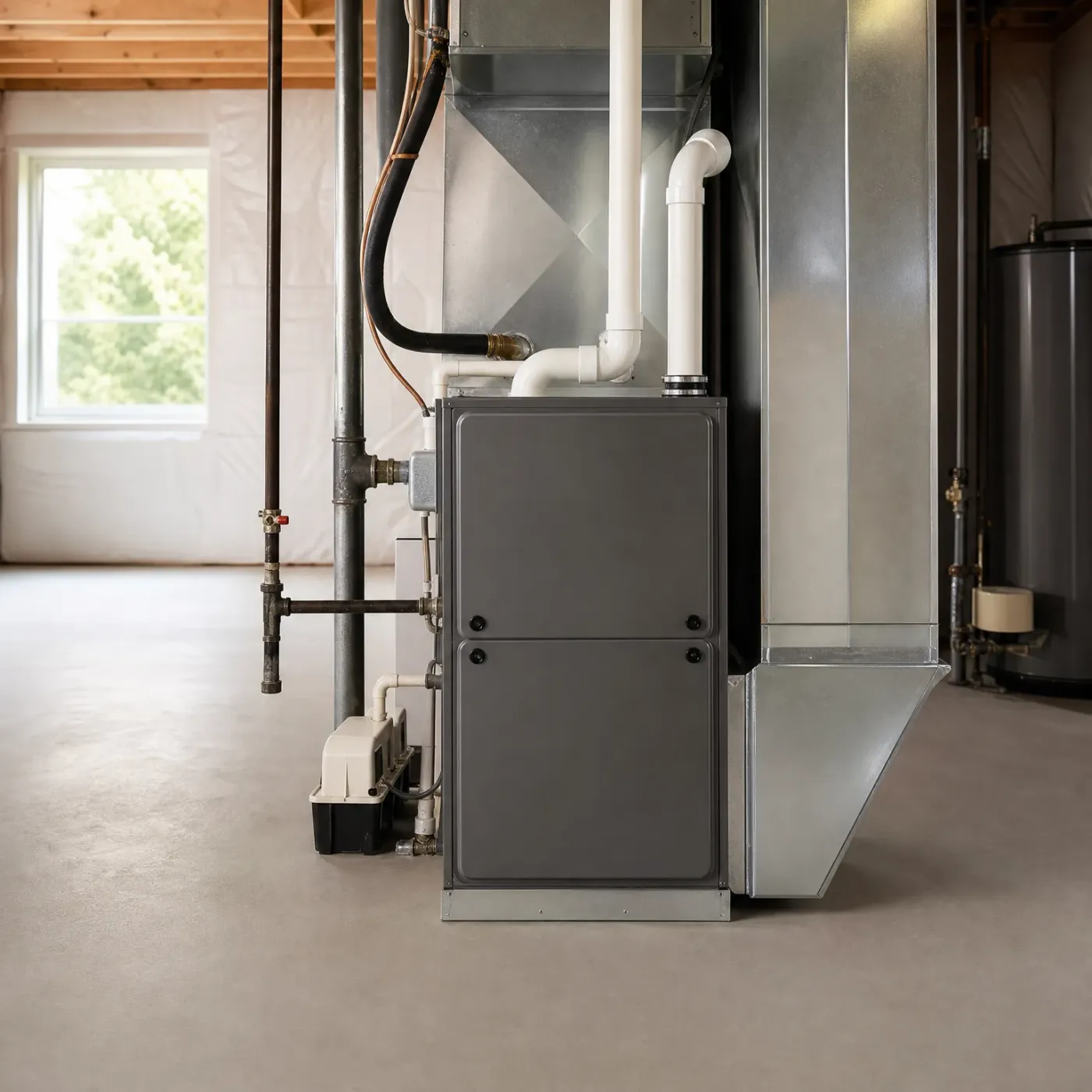
A gray high-efficiency furnace in a basement with sheet-metal ductwork, white PVC vent pipes, metal plumbing lines, a condensate pump on the floor, and a window showing green trees outside.

Clean filter, clear airflow

This is what it looks like running the way it should. Air moves through the duct above it without a fight, and the furnace cycles on, heats, and shuts off. A filter changed on schedule is most of why it stays this way through a long Illinois winter.

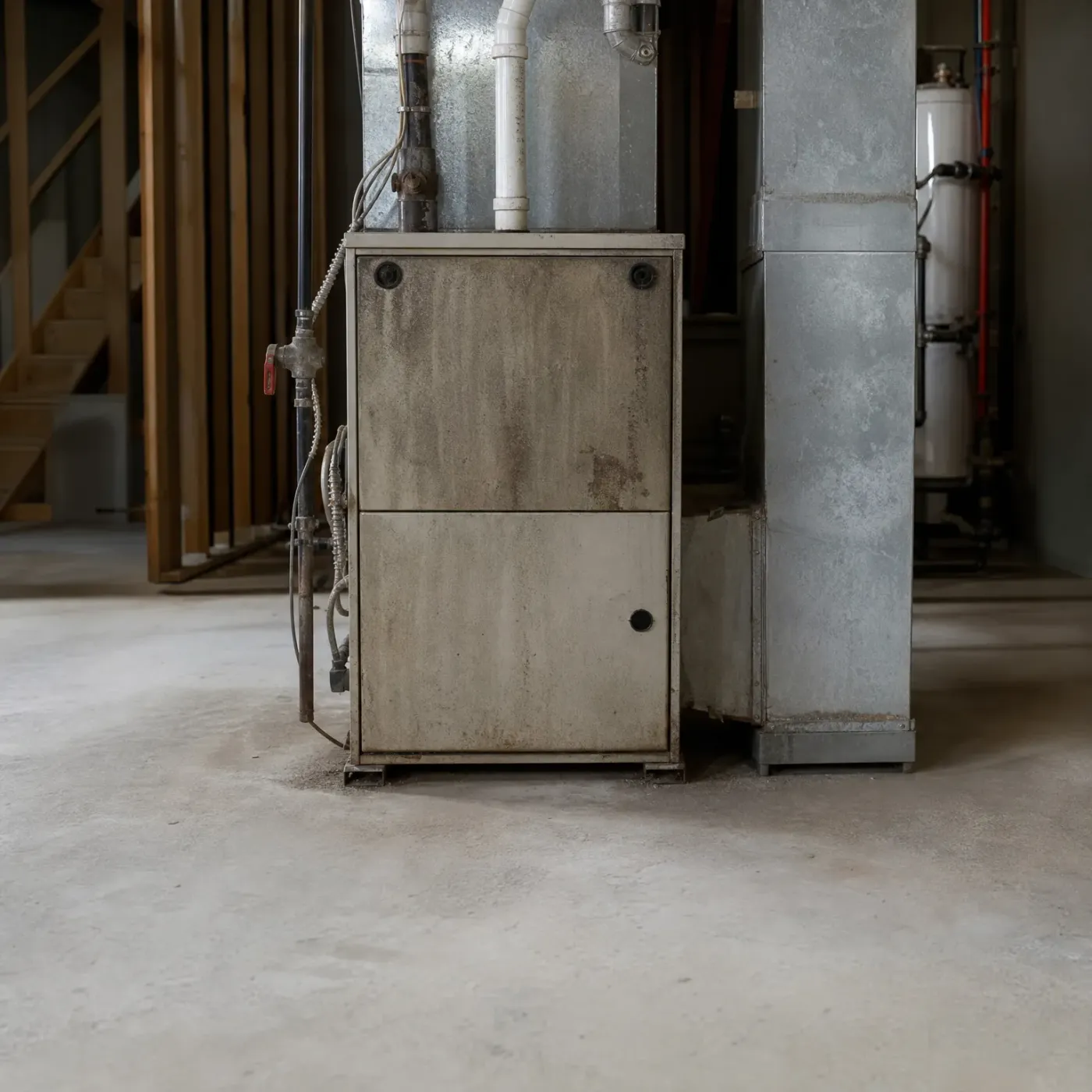
An older metal furnace with PVC and metal pipes stands on a concrete basement floor beside galvanized ductwork, with wooden stairs and a water tank in the background.

Clogged filter, furnace straining

Dust builds up fast once a filter gets ignored, and the furnace has to pull harder to move the same air. Left alone, it runs longer to heat the same rooms, and that shows up on the gas bill before anything else gives out.

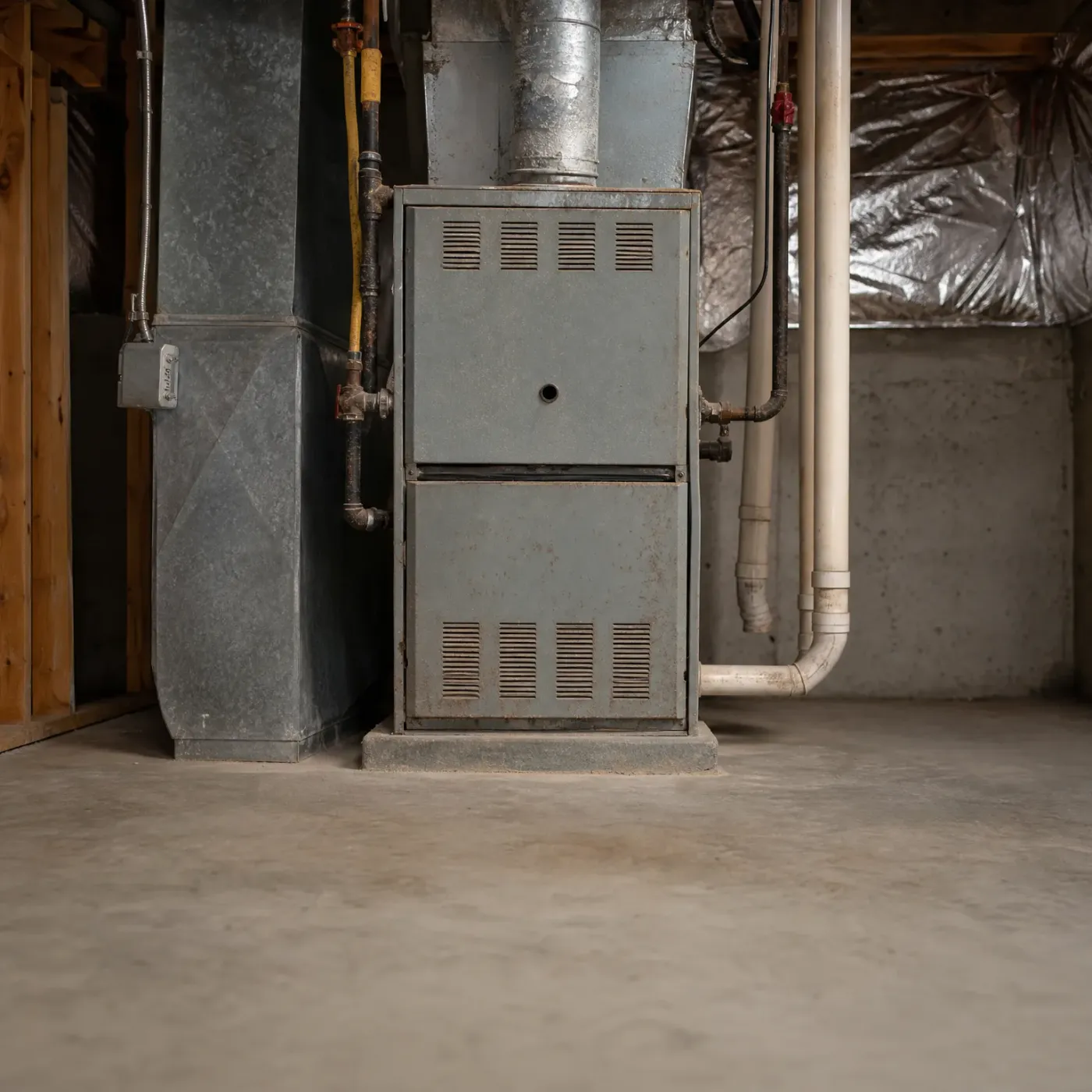
A gray metal furnace with louvered vent panels stands on a concrete basement floor beside galvanized ductwork, gas and plastic pipes, and foil-faced insulation along the ceiling and wall.
Before you get your furnace maintenance
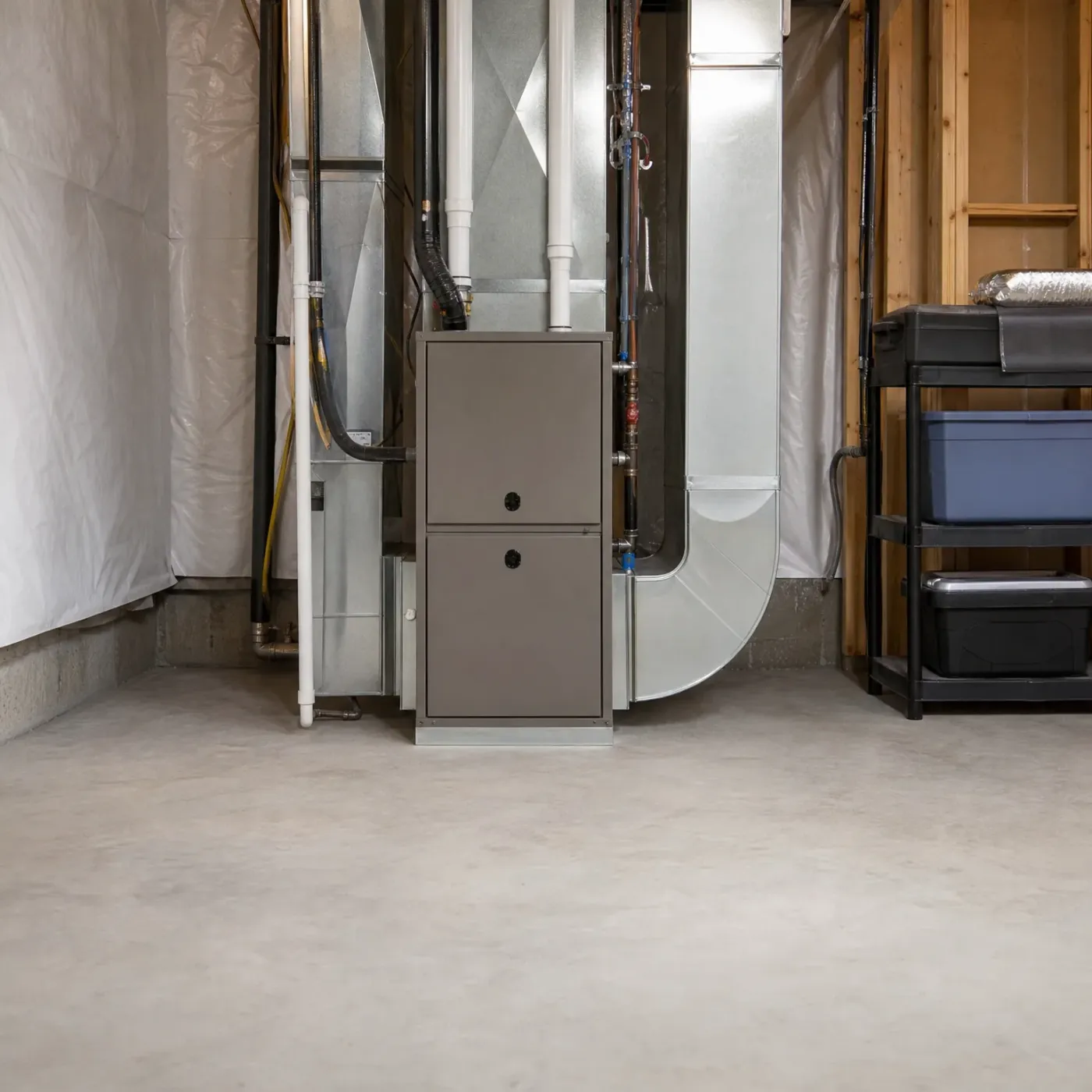
A basement utility area with a gray furnace, sheet-metal ductwork, pipes, plastic-covered walls, a concrete floor, and a black shelving unit holding storage bins.
After you get your furnace maintenance

1 inch thick

Most furnace filters in Illinois homes are this size. It needs more frequent checks since it holds less dust before airflow starts to suffer.

Match me with a pro

October through April

The stretch your furnace runs here. A filter ignored for that whole run is working against a blower that never really gets a break.

Match me with a pro
A woman in a gray turtleneck sweater stands by a window looking outside at snowy ground, with a dimly lit living room containing a sofa, shelves, lamp and a lit candle behind her.
A woman in a cream cable-knit turtleneck sweater stands in a warmly lit living room with a fireplace and shelves behind her, looking out a window toward snow-covered trees and a railed deck.
A woman in a cream knit turtleneck sweater stands by a window looking out at snow, with a lit fireplace, sofa and lamp in the room behind her.
A woman in a gray knit sweater sits by a window looking out at falling snow, with a dimly lit living room containing a sectional sofa, pillows, a lamp and houseplants behind her.
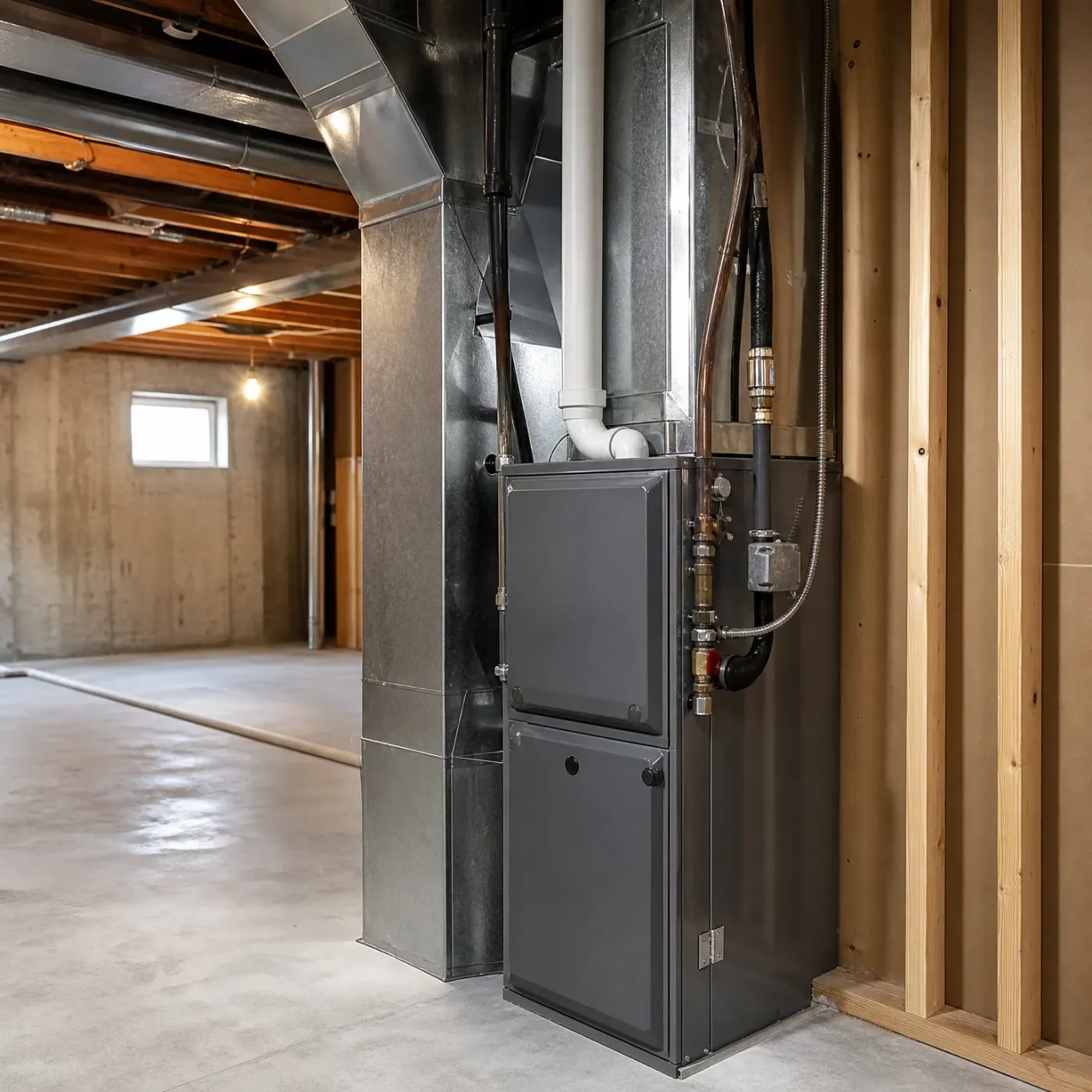
A gray furnace with copper and flexible piping stands against a wood-framed wall in an unfinished basement, connected to galvanized sheet-metal ductwork and PVC venting, with a concrete floor and exposed joists.

Get the right pro for your furnace

Send the form and the furnace tune-up stops being something to remember.

Say what's going on with your furnace, and a pro who works on them reaches out.

Find my pro

There's no charge for the request.

A man in a dark blue shirt stands in an open front doorway of a stucco and wood-clad house, facing a blond woman seen from behind in the foreground on a stone walkway.

What a dirty filter actually does to your furnace

The blower pulls air through the filter before it ever reaches the burner compartment. As dust packs into that filter, the blower has to work harder to pull the same volume of air through it. The motor draws more power to keep up, and in a lot of furnaces it just slows down instead, so less warm air makes it to your rooms per cycle. That's why a furnace with a clogged filter runs longer to hit the same thermostat setting, and longer runs on an electric blower motor show up on a power bill in a state where electricity isn't cheap.

There's a second problem most people don't think about. The heat exchanger needs airflow across it to carry heat away as it's produced. Starve that airflow and the exchanger runs hotter than it's built for, cycle after cycle. That's the kind of strain that shortens a furnace's life rather than breaking it outright in one go. If you've gotten this far checking your own filter and you're wondering what else is worth a look while you're down there, a contractor who works on furnaces like yours can tell you what your system actually needs this winter, not a generic list.

Interior corner of a dining room with a round wooden table, a ceramic vase holding olive branches, a dark spindle-back chair near a curtained window, and a sideboard with a lamp against beige walls.
A bearded man in a blue and brown plaid flannel shirt stands indoors looking out a window at snow-covered trees, with a ceramic mug on the windowsill.
A smiling man with dark curly hair in a navy t-shirt sits on a gray couch indoors, with a large-leafed plant and a window in the background.

Check the filter and it's still mostly clean

Put it back in and check again at the next 30-day mark. A filter that still looks clean after a month in a milder stretch like October or April doesn't need replacing yet, but keep checking on schedule rather than stretching the gap.

75.3% of homes statewide heat with gas

Three out of four homes in Illinois run on gas heat, same as yours probably does. Gas furnaces pull a steady stream of air through that filter all winter, so a clogged one shows up fast, in a higher gas bill or a blower that won't quit.

ACS 2020-2024 5-year B25040

Where that leaves your filter

  • Check your furnace filter monthly from October through April and swap it when it looks gray or packed with dust.
  • A 1-inch filter usually needs replacing most months in that stretch, while a thicker 4 or 5-inch filter can often go longer.
  • Skipping checks lets the blower strain against a clogged filter, and that strain shows up as a higher gas bill before anything breaks.
  • A filter that still looks clean at the 30-day mark can go back in, but keep checking it on the same schedule.
  • Getting a furnace looked at once a year catches the problems a clean filter alone won't, like a worn part or a drifting burner.
  • Once you've sent in a request, a contractor who handles this in your area takes it from there, and you're off the hook for tracking any of it down yourself.

A furnace filter in Illinois has one job from October through April: stay clean enough that the blower isn't fighting it. Check it monthly, swap it when it's gray or packed, and put it back if it still looks clear. That's the whole routine, whether you're running a 1-inch filter that needs attention most months or a thicker one that stretches longer between changes.

What that routine buys you is a furnace that isn't working harder than it has to. A clogged filter forces the blower to strain for the same airflow, and that strain turns into a higher gas bill and, over time, wear on parts that are expensive to replace. None of that announces itself right away. It shows up gradually, in the bill or in a blower that runs longer than it used to, which is exactly why the monthly check matters more than any single swap.

A clean filter won't catch everything. A worn igniter or a burner that's drifted out of adjustment needs a yearly look from someone who can see past the filter. That's separate from the monthly habit, but it covers what the habit can't.

If you'd rather have a contractor keep an eye on the parts of this that aren't about the filter, sending a request hands that off. You won't need to track down who's available or follow up yourself. Someone local who handles this picks it up from there, and it's off your list.

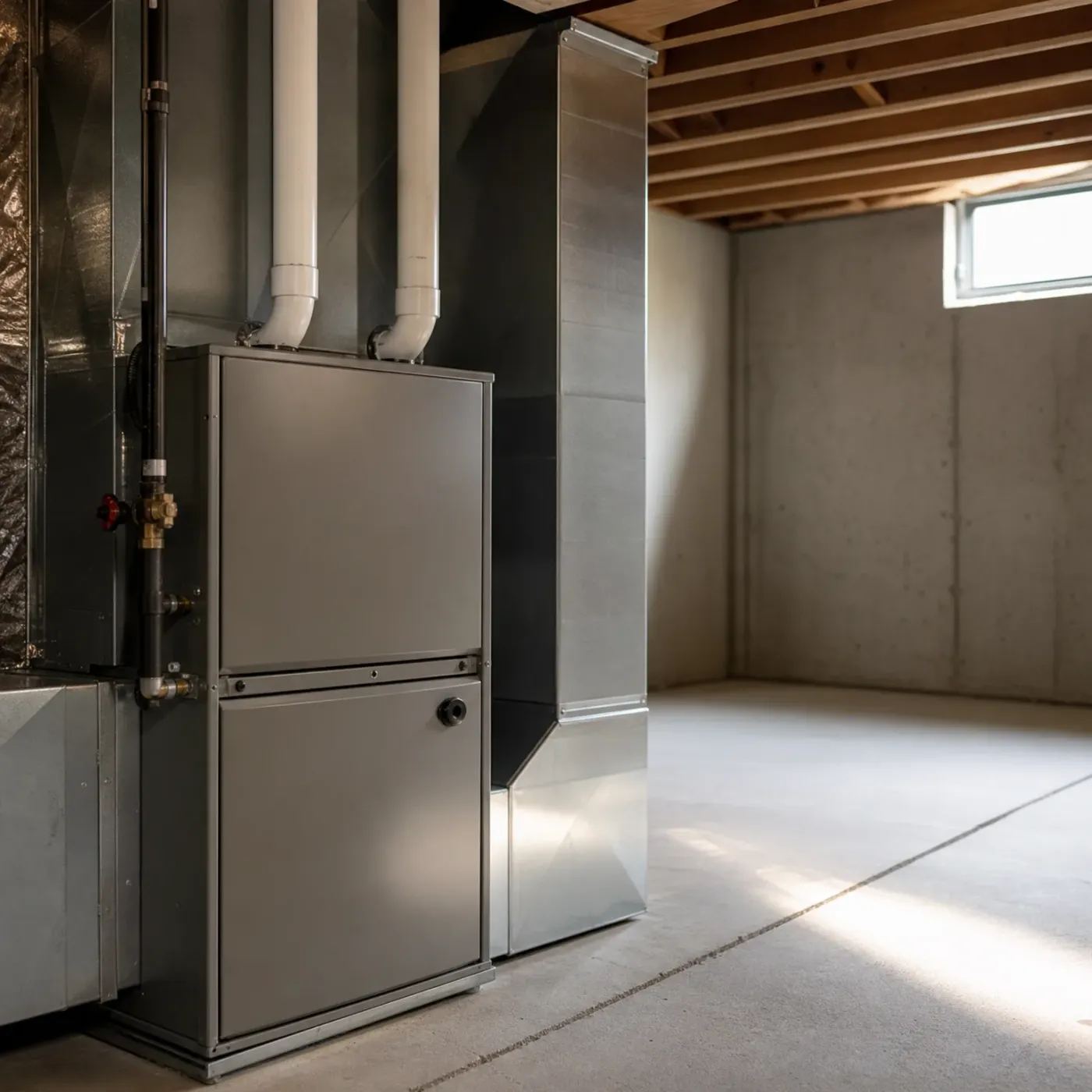
A gray furnace with PVC vent pipes and sheet-metal ductwork stands against a wall in an unfinished basement with concrete floor and walls, exposed wood joists, and a small window.

A pro who works on furnaces

Get a furnace pro

One request and finding someone for the tune-up is handled.

You only hire the pro if you want to.