




Is a cold-climate heat pump worth it in Illinois

Step 1 of 3: Equipment

Is a cold climate heat pump worth it in Illinois

Winters in Illinois get cold enough that a standard heat pump starts losing its grip, and most homes here still lean on gas furnaces for backup heat or primary heat entirely. If you already have a heat pump or are deciding between upgrading to a cold-climate model, you want to know whether it will actually carry you through January, not just October and April.

Yes, if your winters regularly drop below freezing

A cold-climate heat pump keeps pulling heat from outside air down to much lower temperatures than a standard model, which starts struggling somewhere in the teens. Illinois winters pass through that range often enough that a standard heat pump would hand off to backup heat for weeks at a stretch. A cold-climate unit keeps working instead. For summer, it cools the same way any heat pump does, which matters here since summers get sticky and humidity sits on the system as much as heat does. If your home runs on gas, the heat pump can still carry most of the cold months before the furnace needs to take over, and with power costing what it does here, how much it runs versus the furnace is worth working out with whoever installs it.

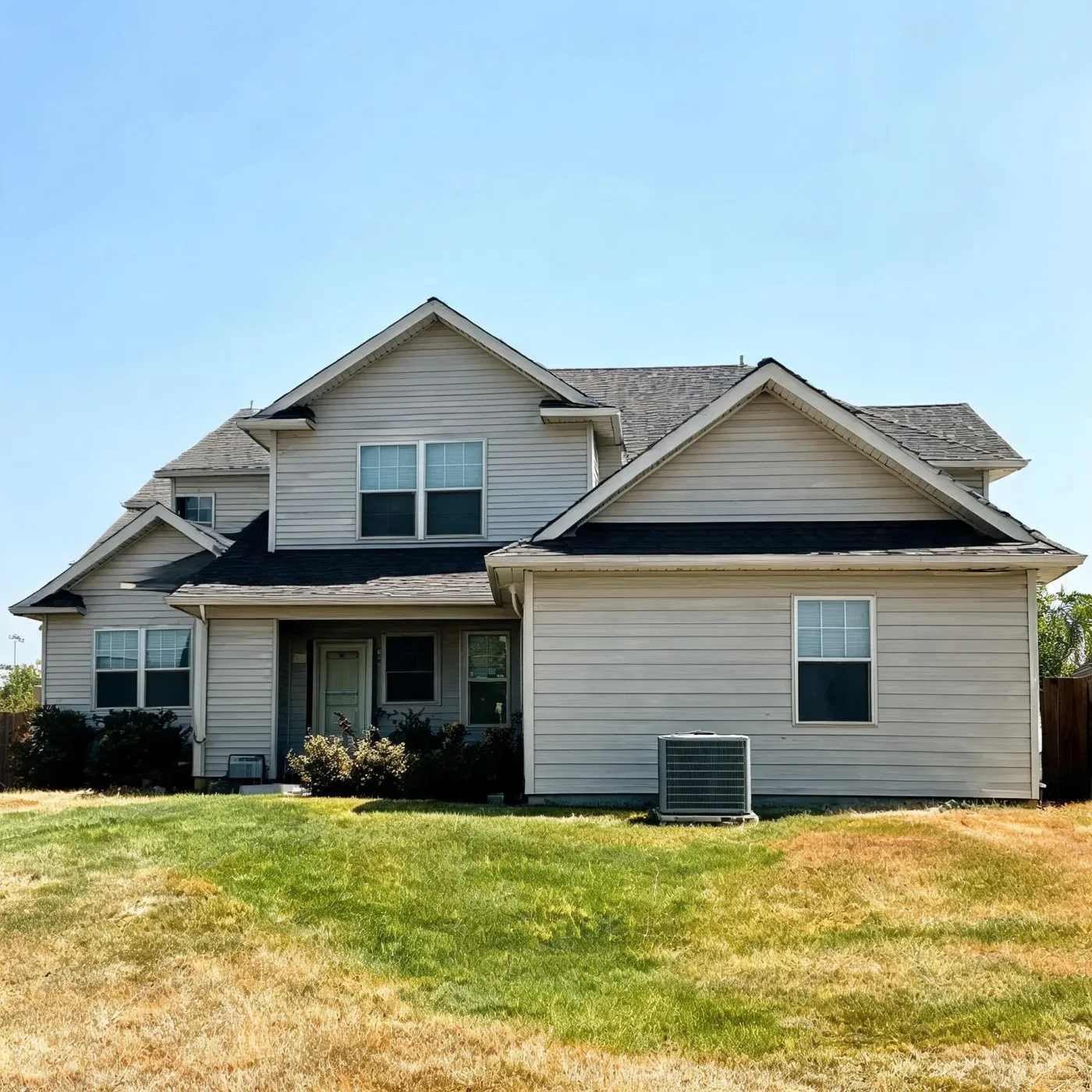
Two-story house with beige horizontal siding, gray shingled gable roofs and a covered front entry, with an outdoor air conditioning unit beside it and a partly dry grass lawn in front under a clear blue sky.

Summer here isn't just hot, it's heavy. The average dew point across June, July and August runs 63°F, which is the sticky, hard-to-shake kind of air. Your heat pump has to pull that moisture out before the house actually feels comfortable, not just cooler. A cold climate model is built for the winter side of things, but that same variable-speed compressor runs longer, gentler cycles in summer too, and that's what actually wrings out the humidity instead of just dropping the temperature and shutting off. If the air inside still feels damp even when the thermostat says it's satisfied, that's the dew point talking, not the degrees. Source: NOAA regional climate data.

NASA POWER T2MDEW county cells weighted by homes

Standard vs. Cold-Climate Heat Pump

Standard Heat Pump

  • Below a certain outdoor temperature, usually somewhere in the teens or lower, a standard heat pump can't pull enough heat from the outside air to keep up.
  • Once that happens, the system leans on electric resistance backup coils to make up the difference, and those run up your electric bill fast.
  • In a lot of Illinois homes, the gas furnace takes over as the real backup once it gets cold enough, with the heat pump handling only the milder days.
  • The compressor has to work harder in single-digit and below-zero weather, which adds wear over a winter like the ones here.
  • Defrost cycles run more often in damp cold, and each one pauses heating to melt ice off the outdoor coil.

Cold-Climate Heat Pump

  • A cold-climate model keeps producing meaningful heat well below zero, so it stays the one doing the work instead of handing off to backup heat.
  • Electric backup coils run less often, which matters with power costs as high as they are in Illinois.
  • The compressor is built to ramp output up in extreme cold rather than just struggle to keep pace, so it holds up better over a hard winter.
  • It still handles the muggy Illinois summer the same way any heat pump does, pulling humidity out as it cools.
  • A local contractor who works on these year-round knows which parts tend to fail first in weather this cold and can size the system for it.
A man in a navy sweater reclines with closed eyes in a beige armchair in a living room, with a lamp, wooden cabinet, bookshelf, potted plant, and a side table holding a newspaper and mug nearby.
A man in a blue henley shirt reclines on a leather chair with his eyes closed, beside a window, a houseplant, a side table with a newspaper and a dark mug.
A man in a gray sweatshirt reclines with his eyes closed in a dark leather chair, with a bookshelf behind him and a side table holding folded newspapers, a mug, and a potted plant by a window.
A man in a blue sweater leans back on a brown leather chair with his eyes closed and a slight smile, in a room with bookshelves, framed pictures, a potted plant by a window, a folded newspaper and a dark mug on a table.
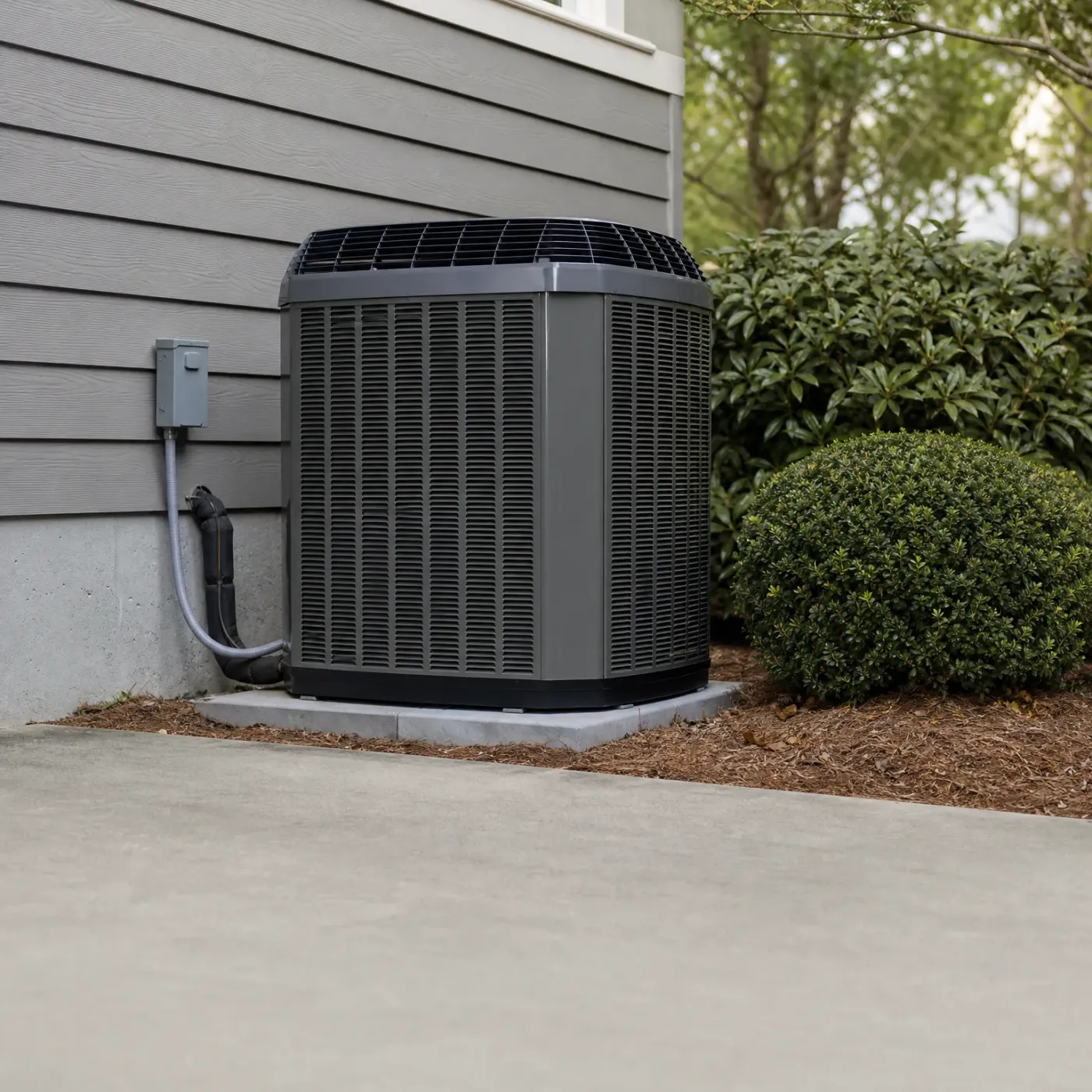
An outdoor condenser unit on a concrete pad beside a gray lap-sided house, with an electrical disconnect box and conduit on the wall and shrubs with mulch to the right.
A heat pump sized and installed right for your house keeps pulling heat from the air even when the temperature drops into the teens, with no strain.
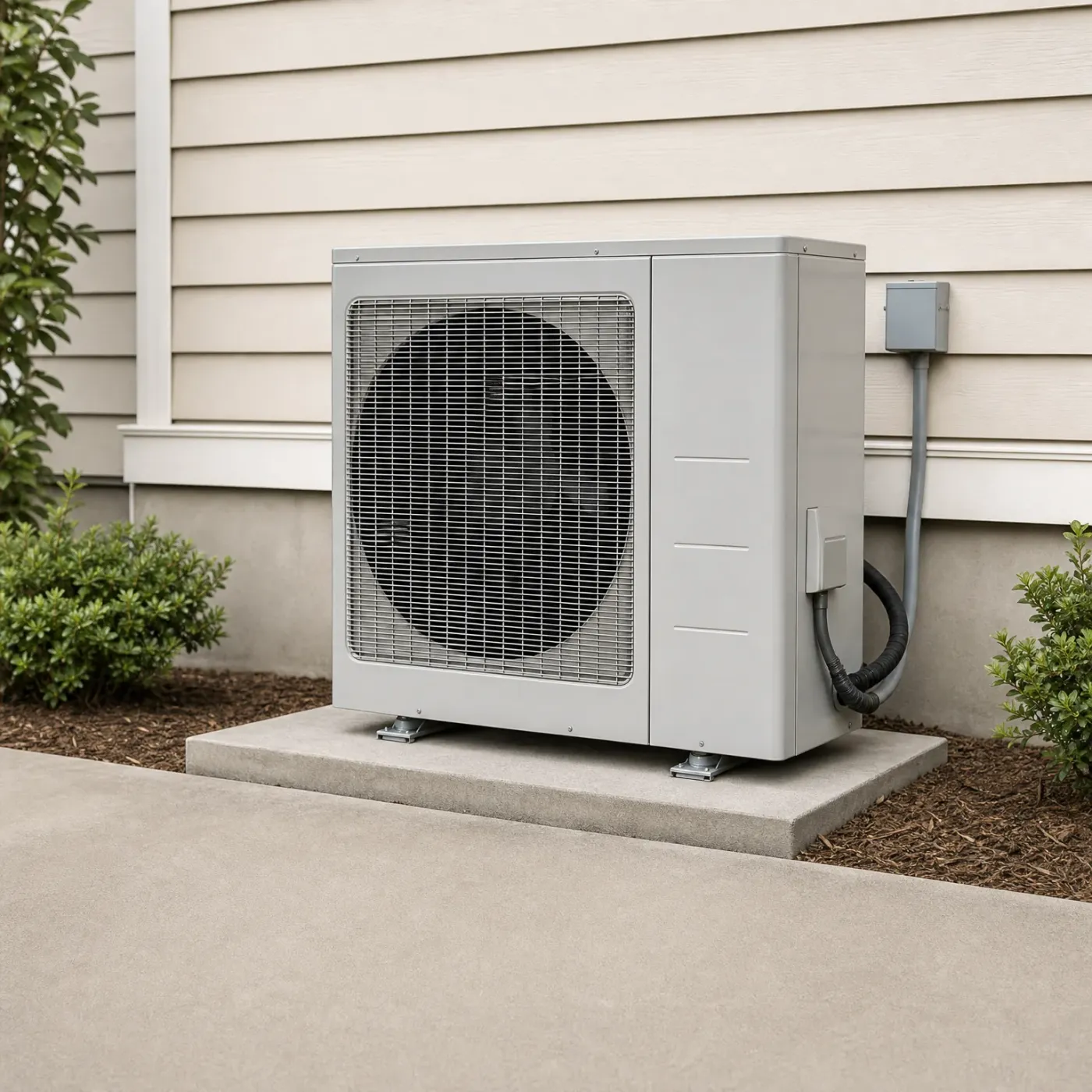
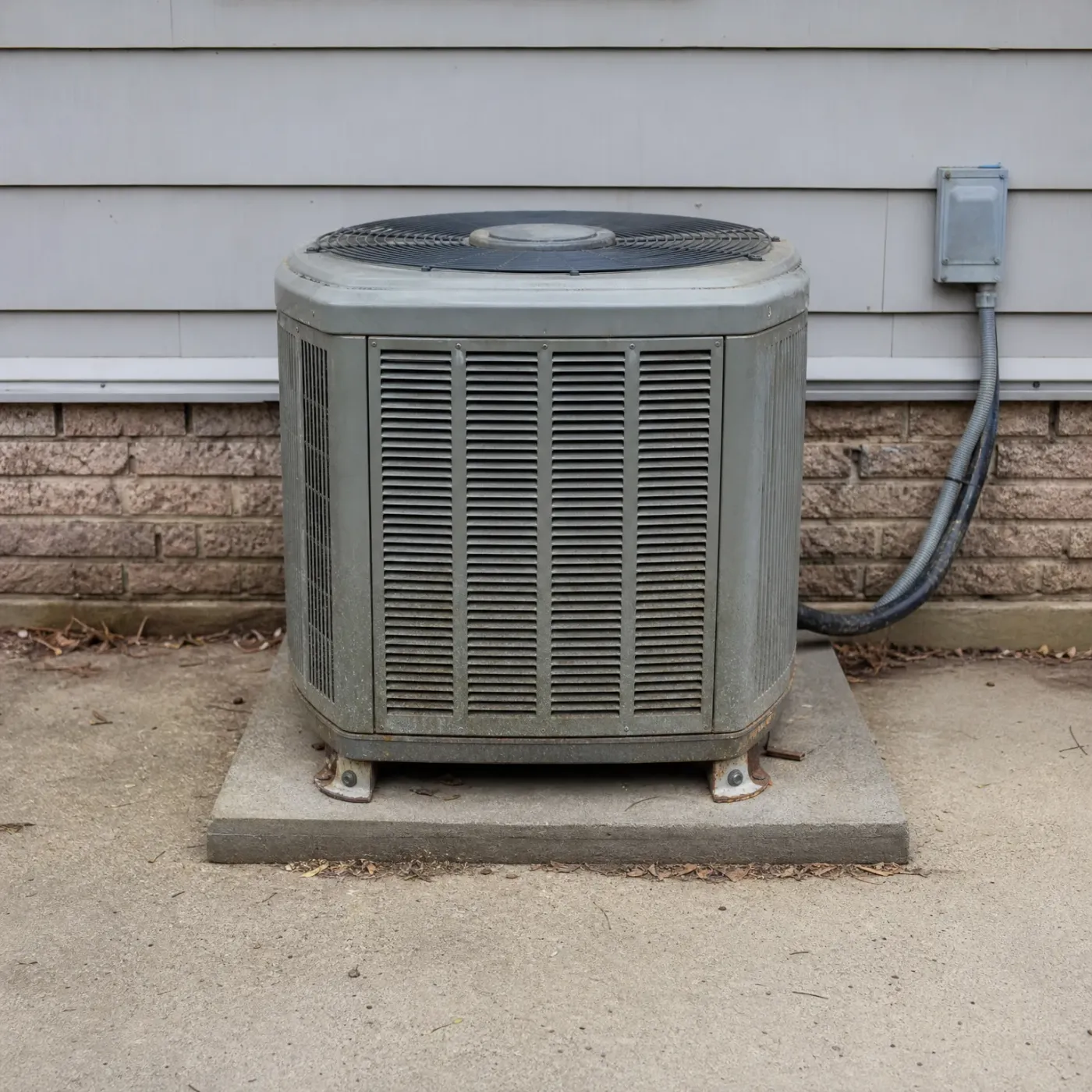
An outdoor air conditioning condenser unit on a concrete pad beside a house with horizontal siding above a brick foundation, with a flexible conduit running to a wall-mounted disconnect box.
Dust and grime building up on the outdoor unit block airflow across the coil, and a cold-climate model will still lose capacity when it can't breathe.
  1. Refrigerant inside the outdoor coil pulls heat from the cold air.

  2. A compressor squeezes that refrigerant to raise its temperature.

  3. The hot refrigerant moves inside to the indoor coil.

  4. A reversing valve switches refrigerant flow direction for winter heating.

Does your heat pump keep up on the coldest days

You notice it most on the nights that dip into single digits. The air coming out of the vents feels cooler than usual, or runs longer without the house quite catching up to the thermostat setting. Your gas furnace may kick in more than you'd expect, even on days that don't seem that extreme. Outside, the unit might run almost constantly, or frost builds up and takes a while to clear. None of that means something's broken. A standard heat pump just runs out of capacity in weather like this, and the system falls back on backup heat to fill the gap, which is part of why the gas bill climbs faster than the thermostat setting would suggest.

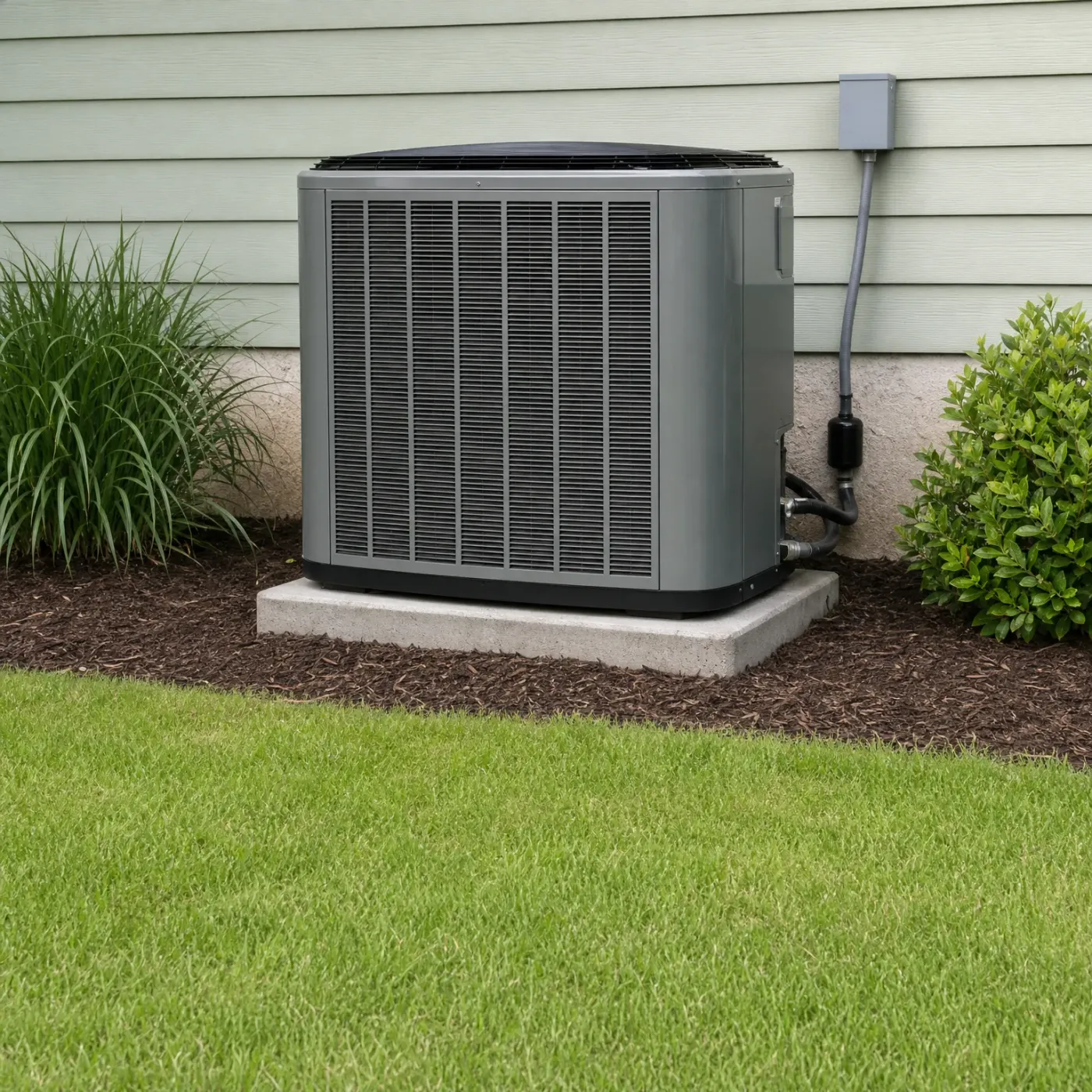
A gray outdoor condenser unit on a concrete pad beside a light-green sided house, surrounded by mulch, ornamental grasses and a shrub, with mowed lawn in the foreground.

Unit kept clear

A heat pump with open airflow around it, like this one, pulls heat and moisture the way it's supposed to. The coil stays clean, the fins stay straight, and the space around the pad is clear of mulch piled too high or grass left to grow into the cabinet.
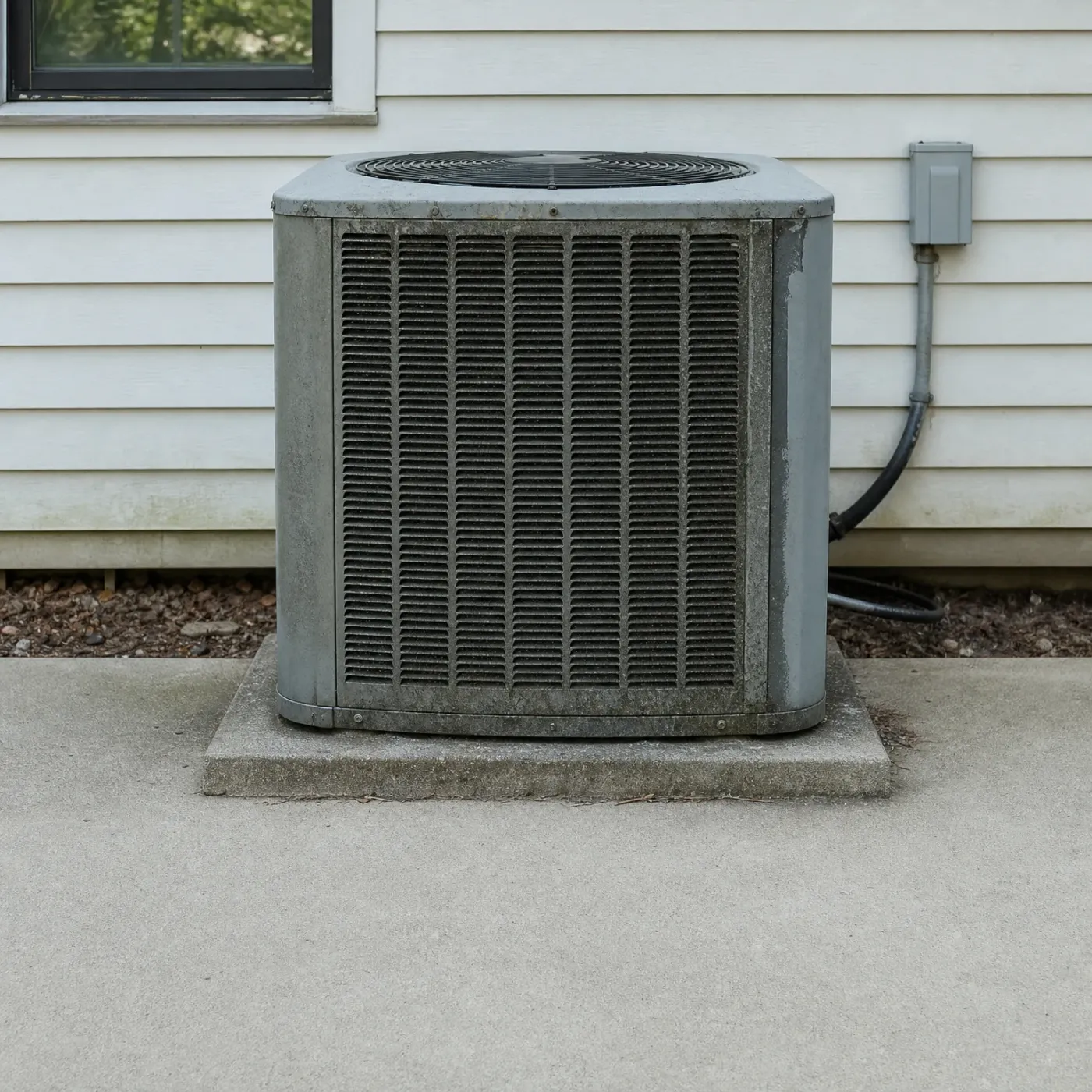

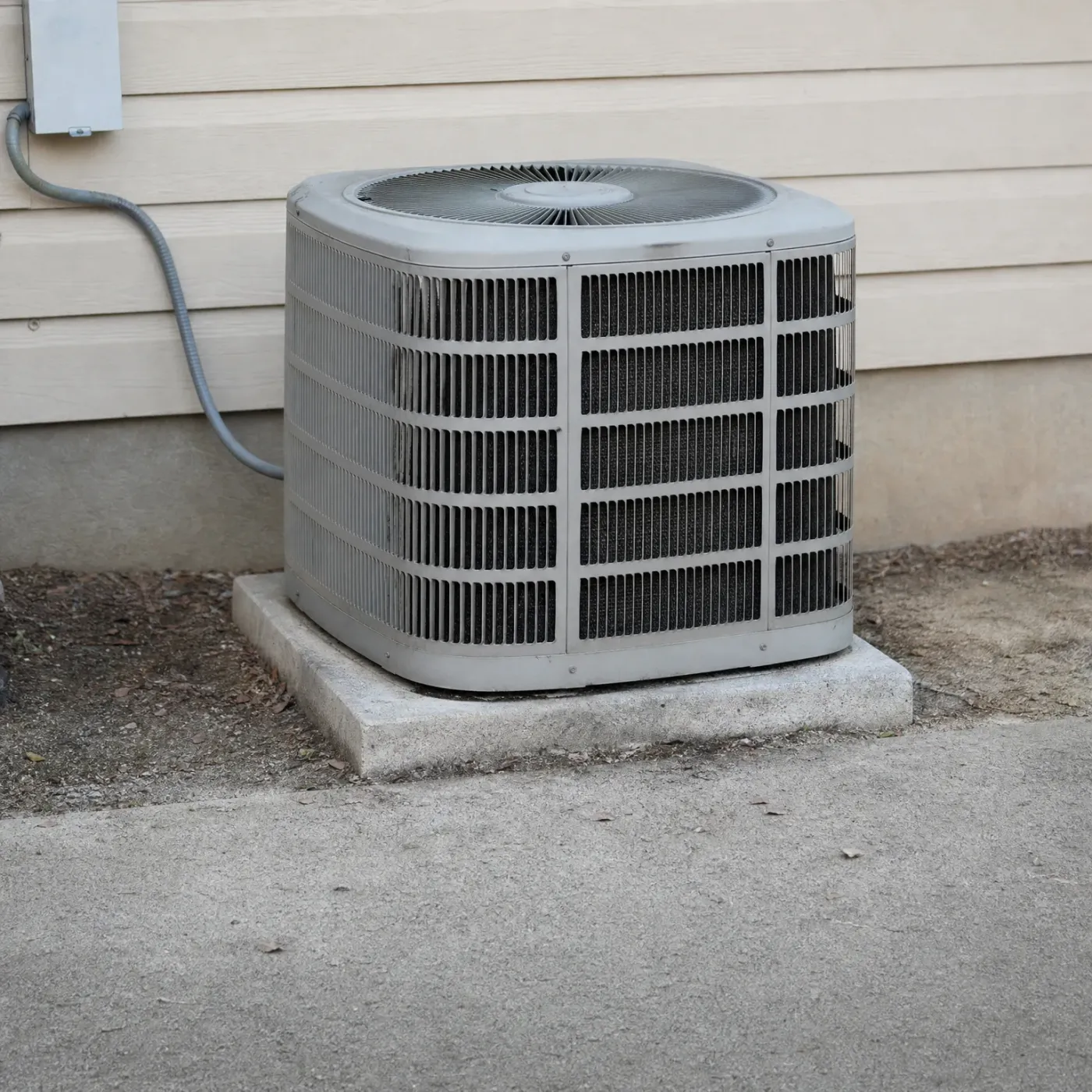
A gray outdoor air conditioning condenser unit on a concrete pad beside a house with light vinyl siding, with a gray electrical disconnect box and conduit on the wall to the right.

Unit choked with grime

Dirt and weathering on the fins like this cut airflow across the coil. The system works harder to pull the same heat from the air in January and the same moisture out of the air in August, and a cold-climate model loses the edge it's built for.

An older man with gray hair and a navy knit sweater sits in an armchair with his eyes closed, near a bright window with potted green plants.
A woman in a cream knit sweater sits with closed eyes in an armchair beside a window showing orange autumn foliage, with a framed picture, plants, and a white mug on a wooden table nearby.

Send one request and you're done looking

One installer gets your project, so there's no bidding war over it.

You're not committing to anything by asking.

What happens during a defrost cycle

  • A defrost cycle runs when frost builds on the outdoor coil, reversing the system briefly to melt it off.
  • During defrost the indoor fan usually pauses or drops to low so you don't feel a blast of cool air through the vents.
  • A cold-climate compressor uses vapor injection, feeding extra refrigerant partway through the compression stroke to boost heat output in cold air.
  • That added refrigerant step is what lets the unit keep producing useful heat well below the temperatures where a standard compressor falls off.
  • The outdoor unit sits on a raised pad or stand so melted frost and snow drain away instead of icing around the base.
  • A low-ambient sensor on the outdoor unit tells the system when conditions call for defrost rather than running on a fixed timer alone.

Frost forms on the outdoor coil whenever it runs cold and moist winter air across itself for long stretches, which is just how a heat pump works in Illinois. The system has to clear that frost or it chokes off airflow and the coil can't pull heat anymore. So it reverses briefly, running like an air conditioner for a few minutes to melt the ice off the coil, then switches back to heating. You might notice the outdoor fan stop and steam or water coming off the unit. Inside, the fan usually slows or shuts off during this, so you're not feeling a few minutes of cool air blow through the house while the system works outside. A cold-climate unit handles this more often than a standard one simply because it's running in cold, humid air more of the time, and it's built for that. The low-ambient sensor on the outdoor unit is part of what makes this efficient. Instead of defrosting on a fixed timer whether it needs to or not, the sensor reads actual coil temperature and triggers defrost only when frost has really built up. That saves the unit from reversing itself needlessly, which would waste heat and run up your bill for no reason. Underneath, the raised pad matters for the same cycle. Water from each defrost has somewhere to go instead of pooling and refreezing around the base, which over a winter could ice the unit in place.

An outdoor air conditioner condenser unit on a concrete pad beside a house with beige horizontal siding, with conduit running from an electrical box on the wall.
Before you get your heat pump installation
A gray outdoor heat pump unit on a concrete pad beside a house with horizontal lap siding, connected by conduit and a flexible line to a wall-mounted disconnect box, with low shrubs and mulch nearby.
After you get your heat pump installation

63°F average summer dew point

That's the moisture your system has to wring out of the air before the house feels dry, not just cool. A unit sized right handles it without running nonstop.

Hand off the search

Rated down to around -5°F

A cold-climate heat pump keeps drawing heat from outside air well below where a standard unit gives up and leans on backup coils to finish the job.

Hand off the search

Power costs 17.67 cents per kilowatt-hour statewide

A heat pump moves heat instead of making it, so it puts out more than it draws from the outlet, and at that rate every kilowatt-hour still counts on your bill. When backup resistance heat kicks in on the coldest nights, it's drawing straight power with none of that advantage, and in Illinois that's the hour you feel the cost. Keeping the heat pump itself doing the work as long as possible is what keeps the bill in check.

EIA-861 2025 statewide residential average

A cold-climate heat pump is worth it in Illinois if it's sized and installed to handle both ends of the year here, the sticky summer dew point and the nights that drop into single digits. That's an installation job, not a repair, and it matters who does it. A contractor who works on these systems all year in your area has seen which units hold up through an Illinois winter and which ones lean too hard on backup heat when they shouldn't have to. Submitting your information here connects you with one licensed local contractor, not a handful of companies competing for your callback, so you're dealing with someone who already knows the equipment and the climate it has to work in. From here, finding that contractor stops being something you have to chase down yourself.

A curving paver walkway runs alongside a house with beige lap siding and a white-trimmed window, bordered by low shrubs, grassy plants, and trees in sunlight.
A dark-framed casement window with divided upper panes set in a stucco wall beside a stone-clad section, with hydrangeas, hostas and trimmed shrubs in a mulched bed above a lawn.
White horizontal lap siding wall with a single six-pane double-hung window, above a mulched bed of hydrangea shrubs with browning blooms, bordered by mown grass in low sunlight.
Interior corner with tan plaster walls, a potted olive tree in a large terracotta urn beside a floor-to-ceiling window, and a wooden bench with a beige cushion on a herringbone brick floor partly covered by a woven jute rug.
A wooden bench beneath a window holds a green linen cushion and a fringed cream throw, with a woven basket stored underneath on a wood plank floor.

Let someone else find the pro

Your request stays with one local pro.

Send my request

No charge to send it. You decide if you hire them.