


15 years
Past this age, a furnace is working harder for less heat. Replacement starts making more sense than another repair bill.
One request and the search for a pro is handled.
Send my requestYour furnace is getting old and something just broke again, or the repair bills are starting to add up. You're trying to figure out if it's worth paying for one more fix or if you should just put the money toward a new system instead, especially with how cold it gets here and how much gas and electric both cost in Illinois.
A furnace that's broken down twice in one winter is telling you something. Parts wear out together once a system gets old, so fixing one part now usually means another fails next month or next year. Past 15 years, most furnaces are also running less efficiently than a new one would, and in Illinois that gap shows up on the gas bill every month from October through March. If your furnace is younger than that and this is its first real repair, fixing it still makes sense. If you're replacing a second or third part in a few years, or the furnace is old enough that parts are getting harder to find, a new furnace stops being an expense and starts being the thing that gets you through winter without worrying about it.
A contractor checks the heat exchanger for cracks or corrosion.
They test the igniter, flame sensor and gas valve for wear.
They weigh the repair cost against a new furnace's upfront price.
You get a straight recommendation on repair or replacement.
Fifteen winters is a long time for a furnace to run every day from October through March. Once it passes that age, the signs show up in places you'd rather they didn't. Your gas bill creeps up because the burner and heat exchanger aren't converting fuel the way they did when new. The blower motor runs longer to push the same amount of warm air through your ducts, and that shows up on the electric side too, which matters when power here already costs more than it should. Then there are the repair calls. One technician visit for a failed igniter or a cracked flame sensor is manageable. Three in one winter, each with its own service fee on top of parts, starts to rival what a new furnace would have cost outright. The real risk sits quieter than the bill. A heat exchanger that's cracked from years of heating and cooling can let carbon monoxide into the air your household breathes while you sleep, with no obvious sign until a detector catches it. And because your furnace shares ductwork with your air conditioner, a unit that's struggling in January often means the same ducts are working against your AC come July, when Illinois summers turn sticky and that system needs all the help it can get. None of this fixes itself. It gets slowly worse until the day it doesn't work at all, usually on the coldest night of the year.



Past this age, a furnace is working harder for less heat. Replacement starts making more sense than another repair bill.
Skip searching, calling around and explaining the problem twice. Send the form and a contractor reaches out to go over repair or replacement.


You already know what's wrong, or close to it. The question is whether to pay for the next repair or stop paying for repairs altogether. That decision gets harder the longer you sit with it, especially with Illinois winters not giving you much room to wait once the furnace actually quits. Most homes here run on gas, and an old furnace burning more of it than it should is money you won't see again. Figuring out which way to go usually means calling a few contractors, explaining the same symptoms each time, and sorting through quotes that don't quite match up. Send the form instead and that part stops being your problem. One contractor gets your request, looks at what you've got, and tells you straight whether it's worth fixing or time to replace it. You still have a furnace to deal with. You don't have to deal with finding someone to look at it.
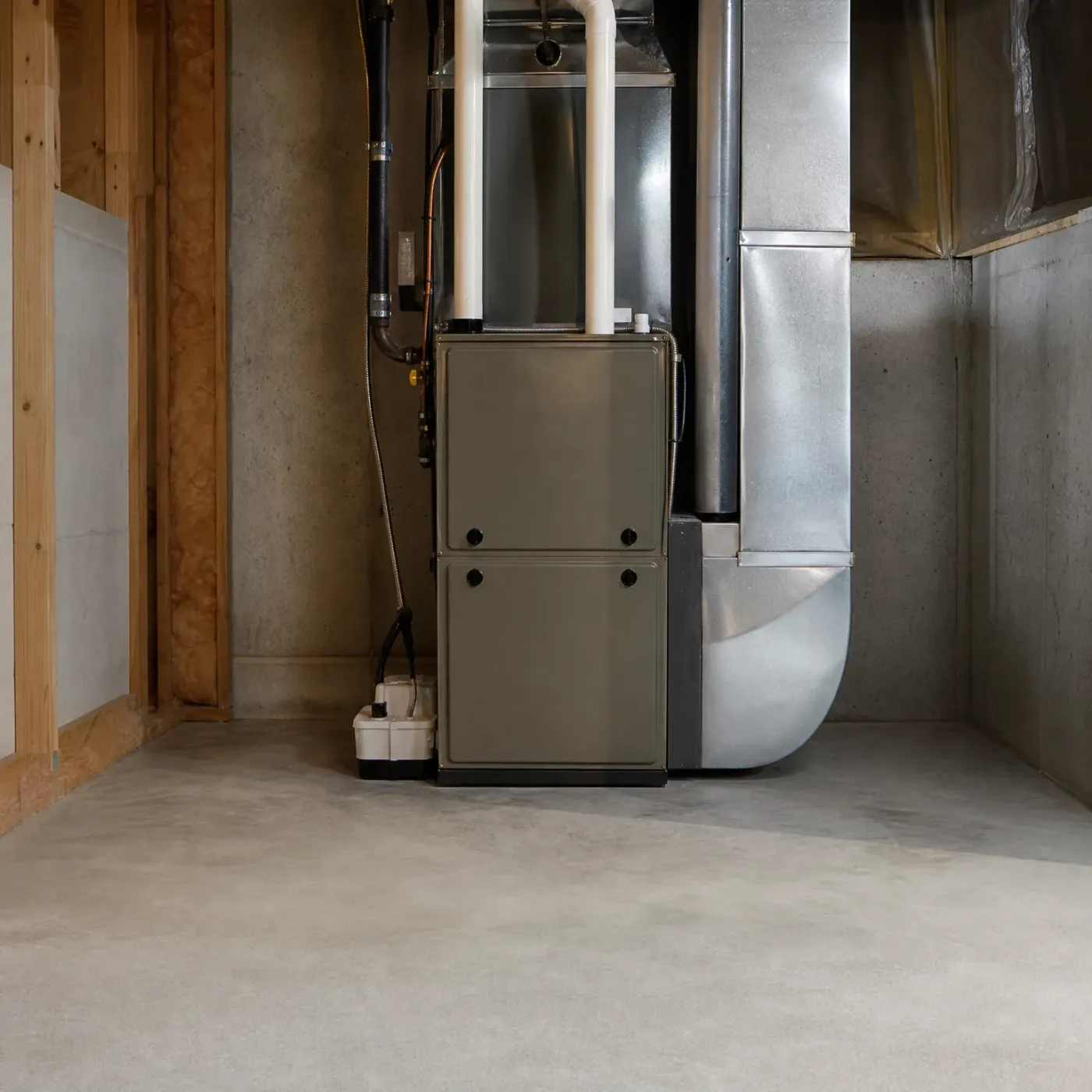
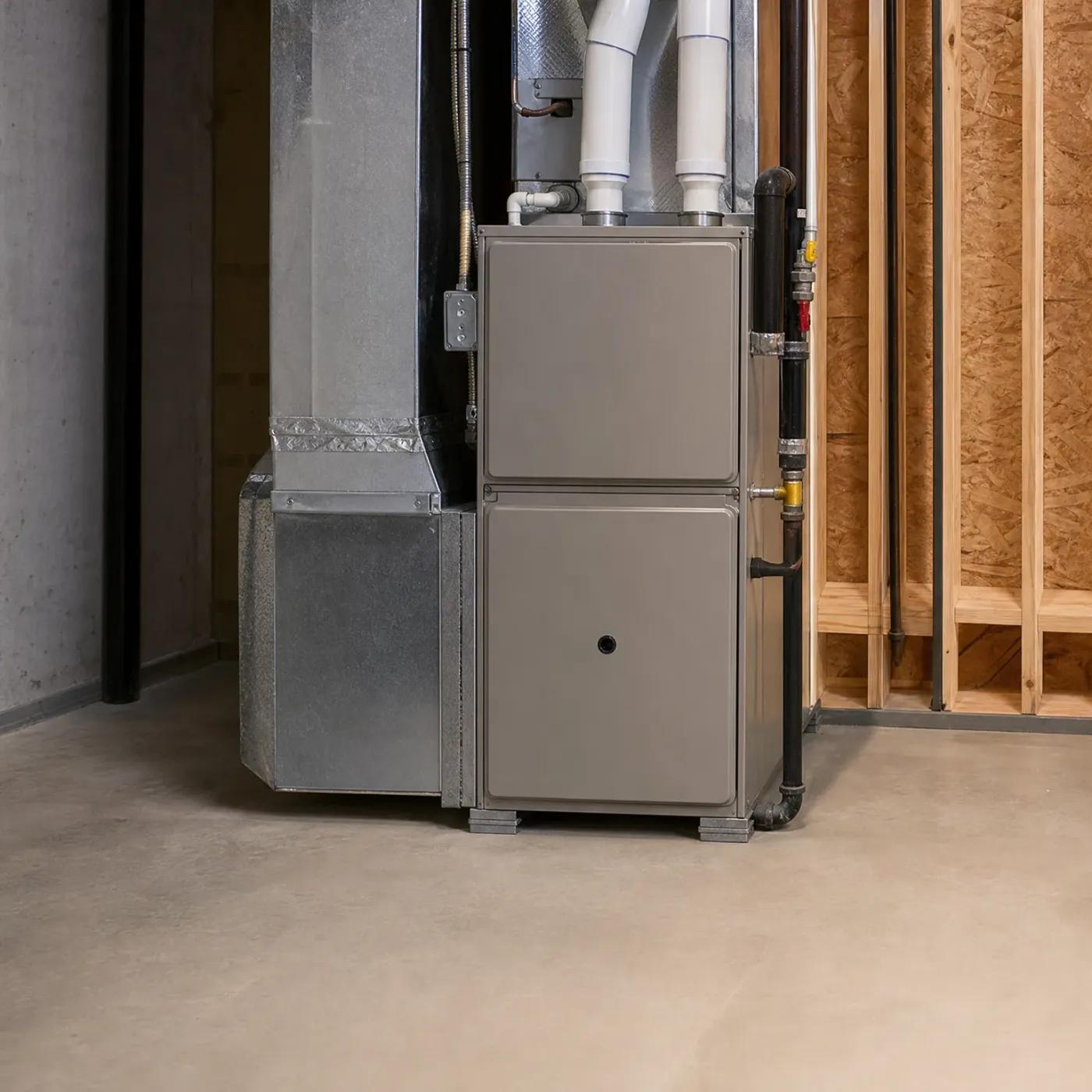
A furnace like this holds a steady flame and vents straight out through the PVC pipe. The ductwork seals tight at every joint. No rust on the cabinet, no water pooling near the condensate pump. It heats the house without making you think about it.
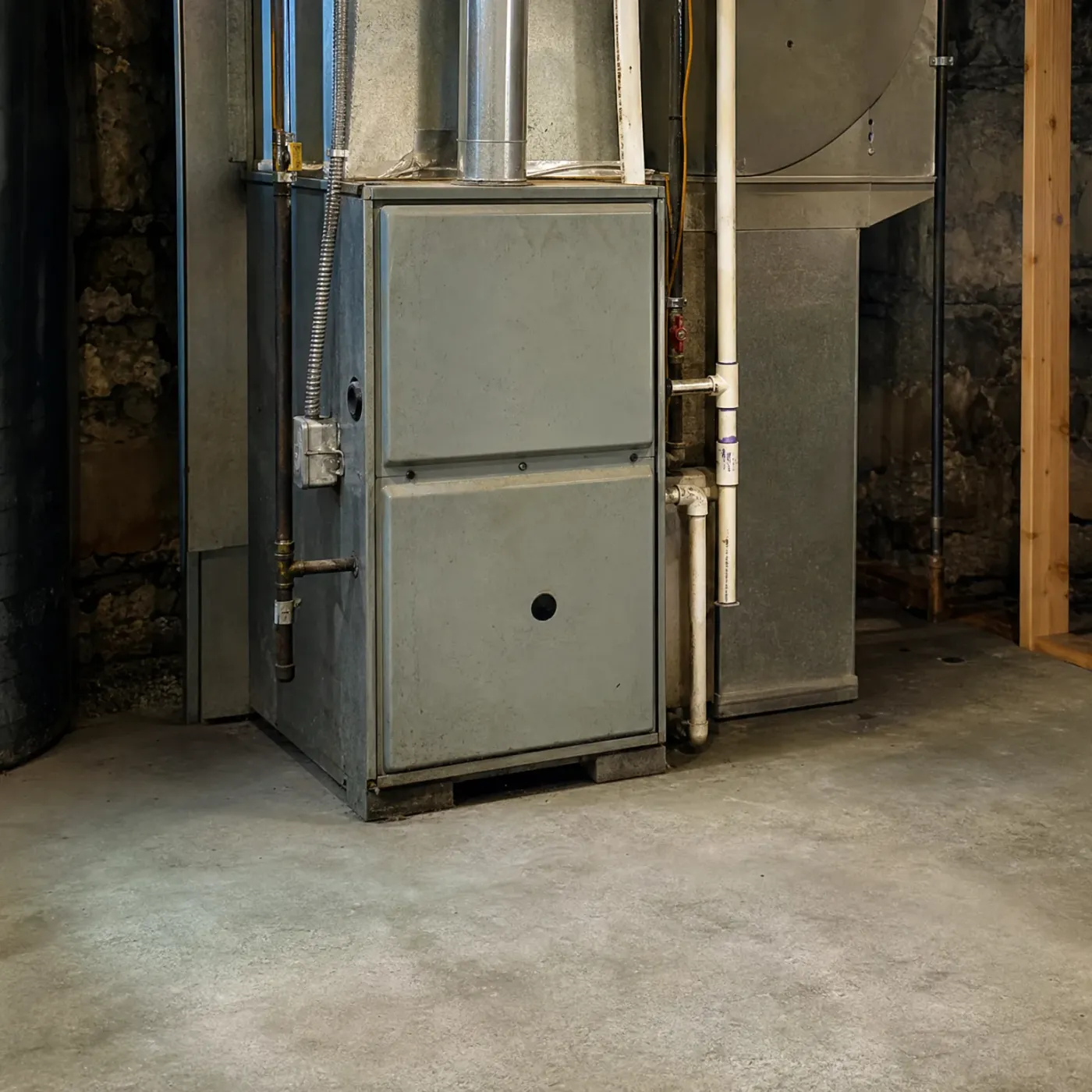
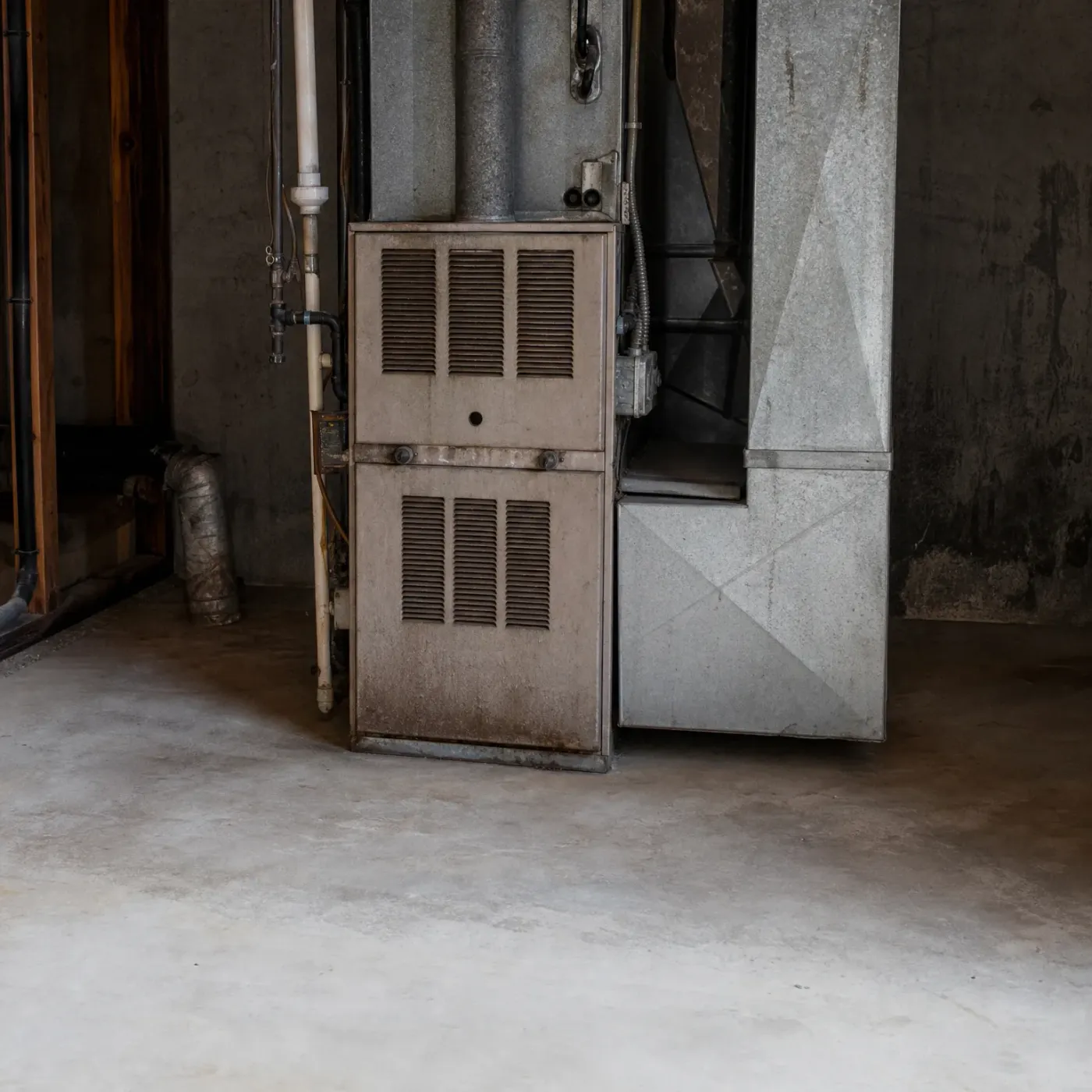
Gas lines and flex tubing crowd a cabinet that's seen better decades. Stone and block walls hold damp, and that damp finds metal. Once rust works into the burner compartment, a contractor is checking the heat exchanger, not just the filter.
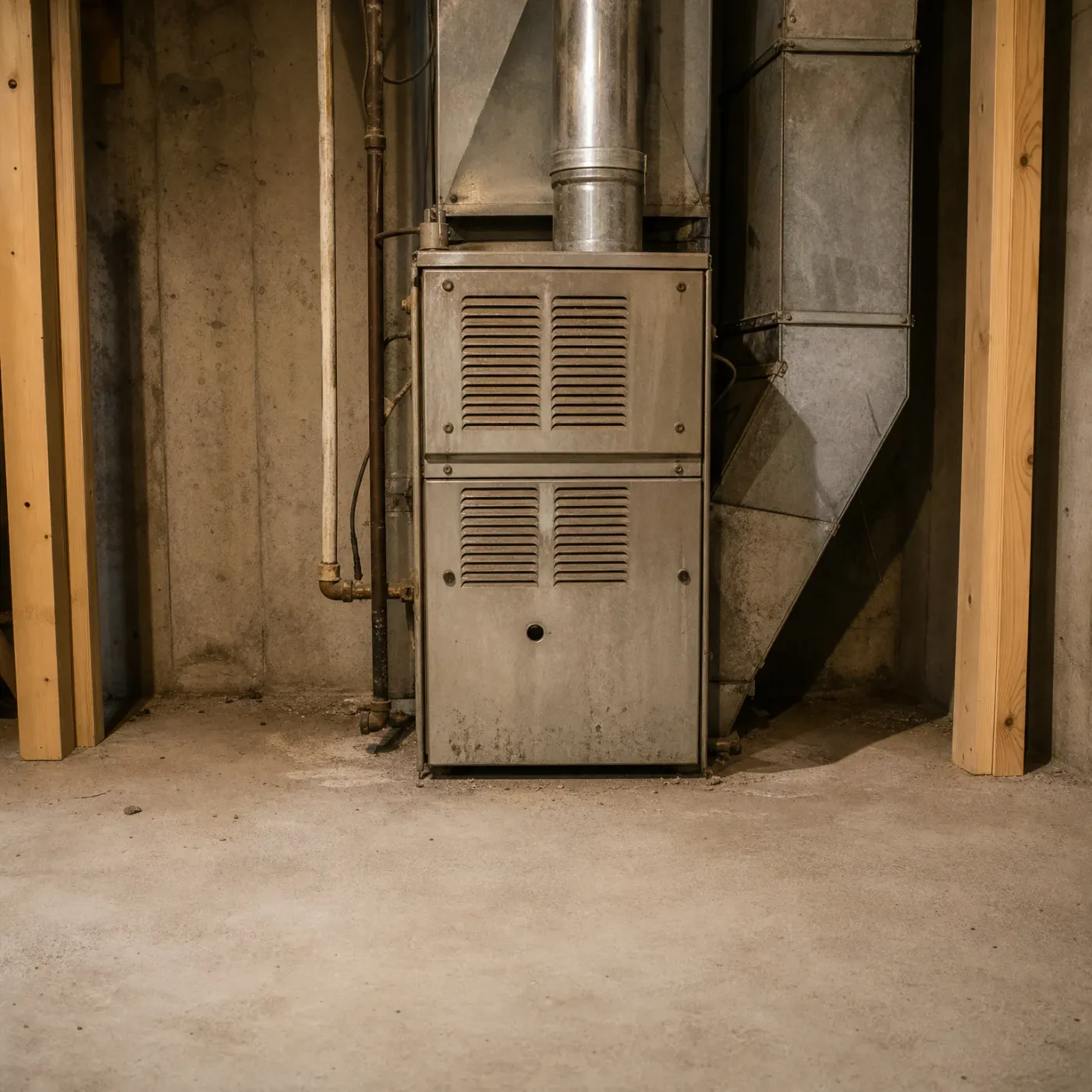
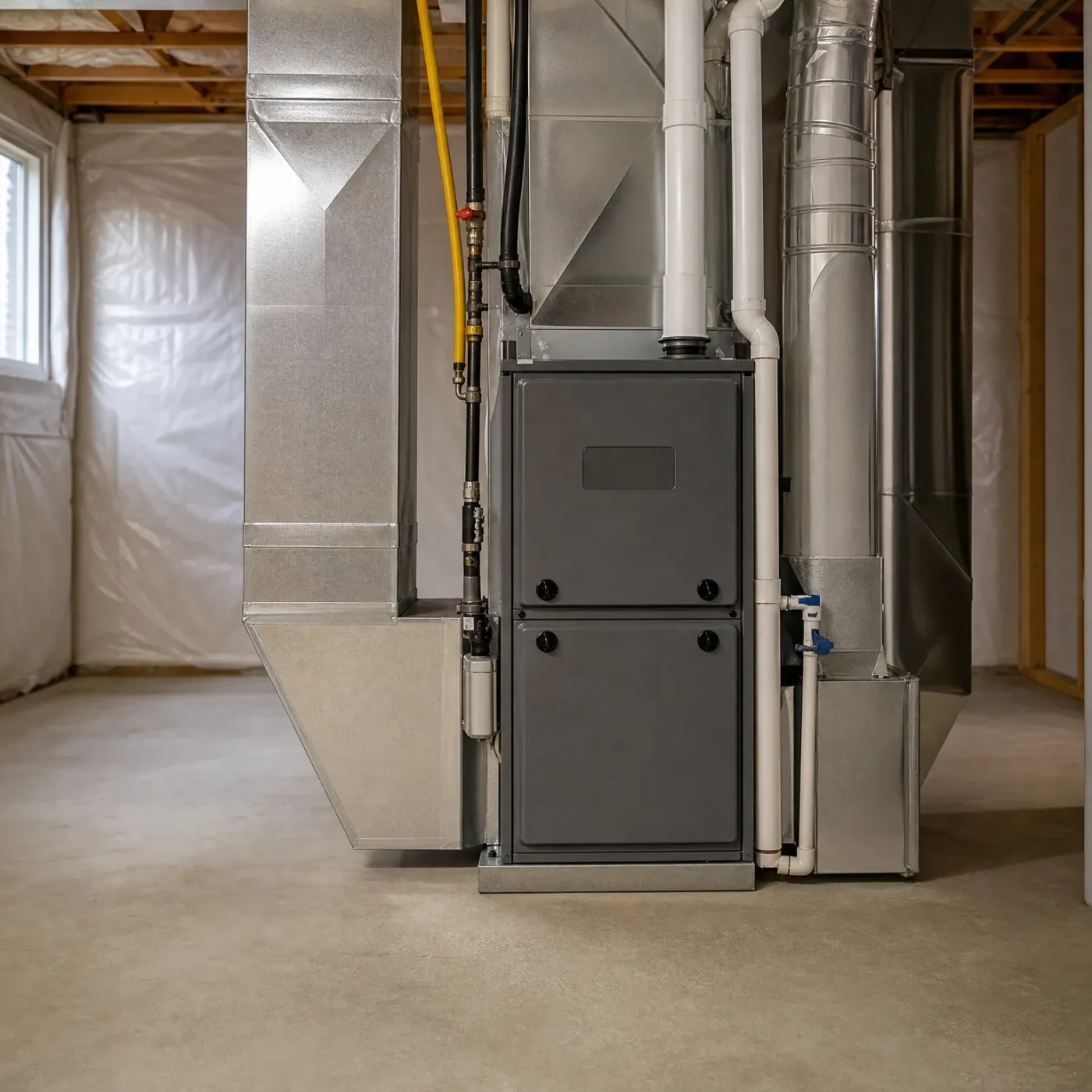
Keep paying for repairs on an old furnace and the money disappears into parts and labor with nothing to show for it next winter. The furnace breaks down on a night when Illinois temperatures are in the single digits, and you're stuck calling around at nine at night trying to find someone who'll come out. A cracked heat exchanger doesn't announce itself with a loud noise, it just leaks carbon monoxide into the house while the furnace keeps running like nothing's wrong. Your gas bill creeps up every month the furnace struggles to do what it used to do without working so hard. None of that fixes itself by waiting. Send the form once and a contractor takes over from there, so you're not the one searching, calling, and explaining the same problem to five different companies before anyone gives you a straight answer about whether it's worth fixing again.
Three out of four homes in Illinois run on gas heat, same as yours probably does. That means parts like the igniter, the gas valve and the heat exchanger are doing the work all winter, and a furnace this common also has a well known failure pattern once it passes 15 years.
ACS 2020-2024 5-year B25040

A furnace under 15 years with one bad part is usually worth fixing. A furnace past that age, especially one with a cracked heat exchanger or a cabinet going to rust, is telling you the next repair won't be the last one. You already have enough to make that call for your own house.
What's left is finding someone to do the work right, and that's the part that eats an evening. Calling a few contractors, explaining the same problem each time, waiting on quotes that come back on different days for different things. Send the form once and that search is off your plate. A contractor reaches out, looks at what you've got, and tells you straight whether it's a repair or a new furnace.

Skip collecting and comparing quotes for the new furnace.