A cracked heat exchanger leaks carbon monoxide into your air
A tune-up checks the exchanger before it's buried under a cold snap. Catching it early keeps a gas furnace from turning into a safety call.

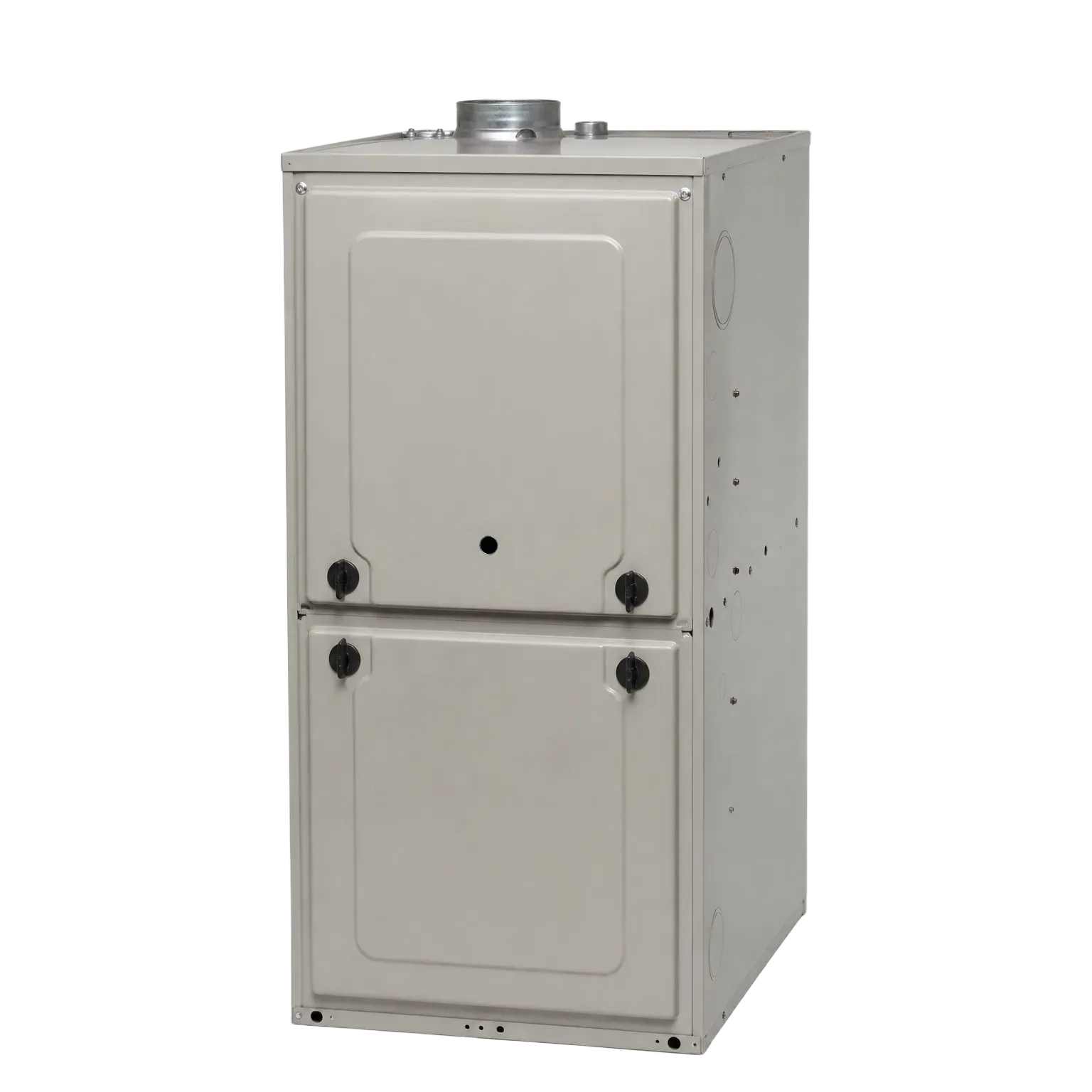
A furnace tune-up before winter is a technician going through your system piece by piece while it's still mild out, so nothing surprises you once the cold sets in. That means checking the igniter and flame sensor, testing the flue for proper venting, inspecting the heat exchanger for cracks, checking gas pressure, and cleaning or replacing the filter. Most Illinois homes heat with gas, and a furnace that's been sitting idle since spring can have a buildup of dust on the burners or a flame sensor coated just enough to cause trouble lighting. Since power here isn't cheap, a furnace that's clean and properly adjusted also burns less gas to put out the same heat. The real value is catching a weak part in October instead of finding out it failed on a night in January when you need the heat most and a technician is harder to get quickly.


A tune-up checks the exchanger before it's buried under a cold snap. Catching it early keeps a gas furnace from turning into a safety call.
That's a long stretch for an igniter or blower motor to run without anyone looking at it. A fall check catches what's wearing down before January does.
You might notice a burning dust smell the first time the furnace runs, a pilot light that looks more orange than blue, or a short cycle where it shuts off before the house warms up. Maybe there's a faint smell you can't place near the vents, or the furnace runs longer than it used to just to hit the same temperature on the thermostat. Any of these can mean a dirty burner, a failing igniter, or a flame that isn't burning clean. Left alone through a full Illinois winter, that strain adds up on a furnace that's already working hard, and a flame burning wrong is worth a look before you're relying on it every day.
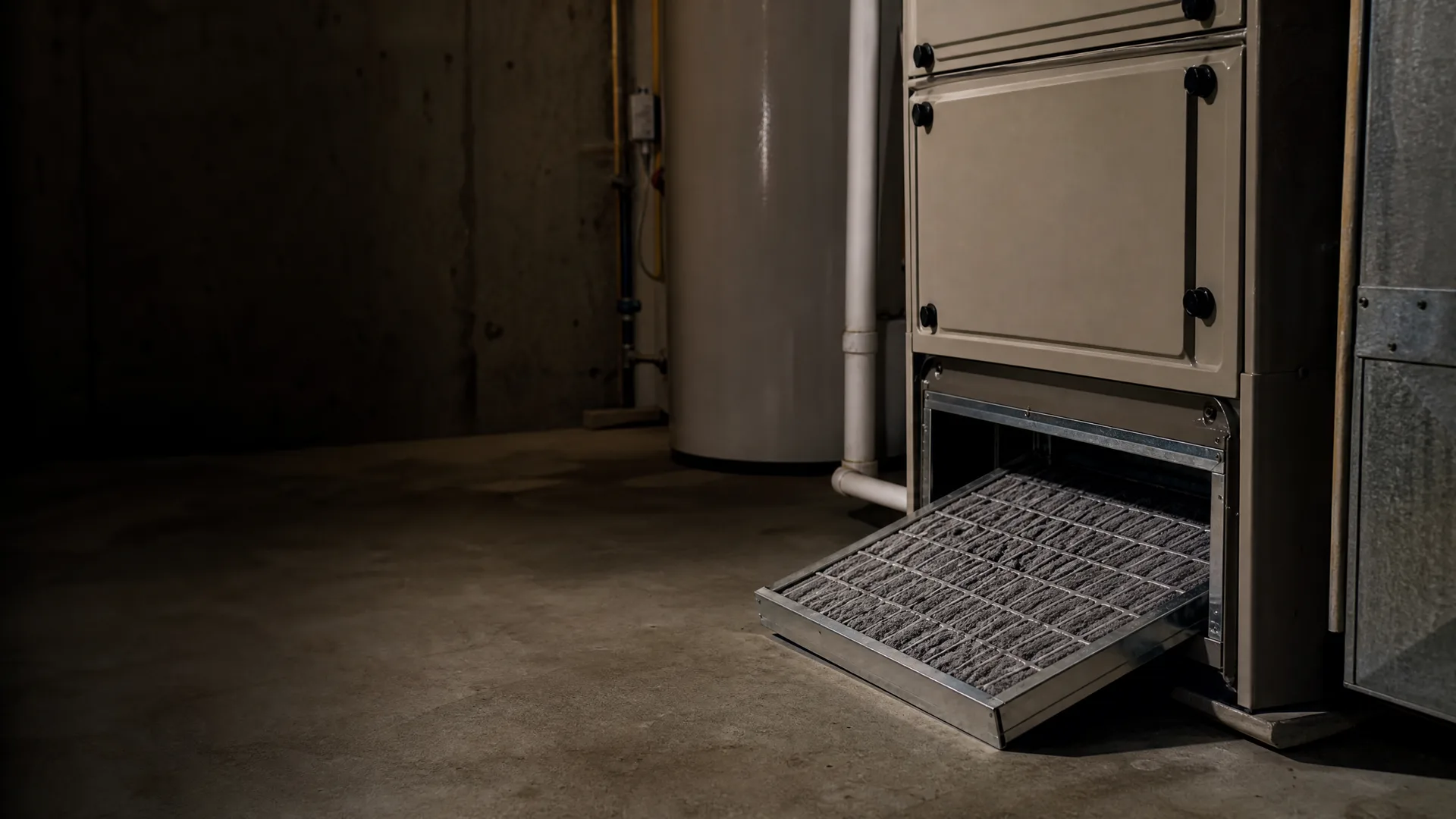
You pull the filter out and hold it up to the light from the basement window. Grey, matted, an inch of dust packed into the pleats. Outside it is still October, warm enough that the furnace has only run a handful of times, but you can hear it humming behind you, working harder than it should through a filter like this. You set it on top of the cabinet and crouch down to look at the slot, wondering how long it's been since anyone checked it. A local contractor who services furnaces all winter would know within a minute whether this is the only thing wrong, or the first sign of something else.
Your request stays with one local pro.
It costs nothing to send, and you don't have to hire anyone.




The burners sit under the heat exchanger, and they're supposed to burn a steady blue flame across every port. A technician pulls the burner assembly and cleans each port, because a clogged one burns yellow or uneven, and that uneven flame is what scorches the exchanger over time. They'll check the gas pressure at the manifold too, since too high or too low throws off how the furnace heats and how much gas it uses to do it. Then the igniter gets tested under load, not just looked at, because a hot surface igniter can glow and still fail to light the burners reliably.
A furnace built different from the last one, with a different ignition system or a flue routed through a different part of the house, gets checked different. That's the kind of thing you want someone local for, someone who sees the furnaces actually installed around Illinois and knows which ones tend to crack a flame sensor or foul an igniter by year three. Getting matched with one contractor instead of several means the person who shows up already knows what to look for before they open the cabinet.

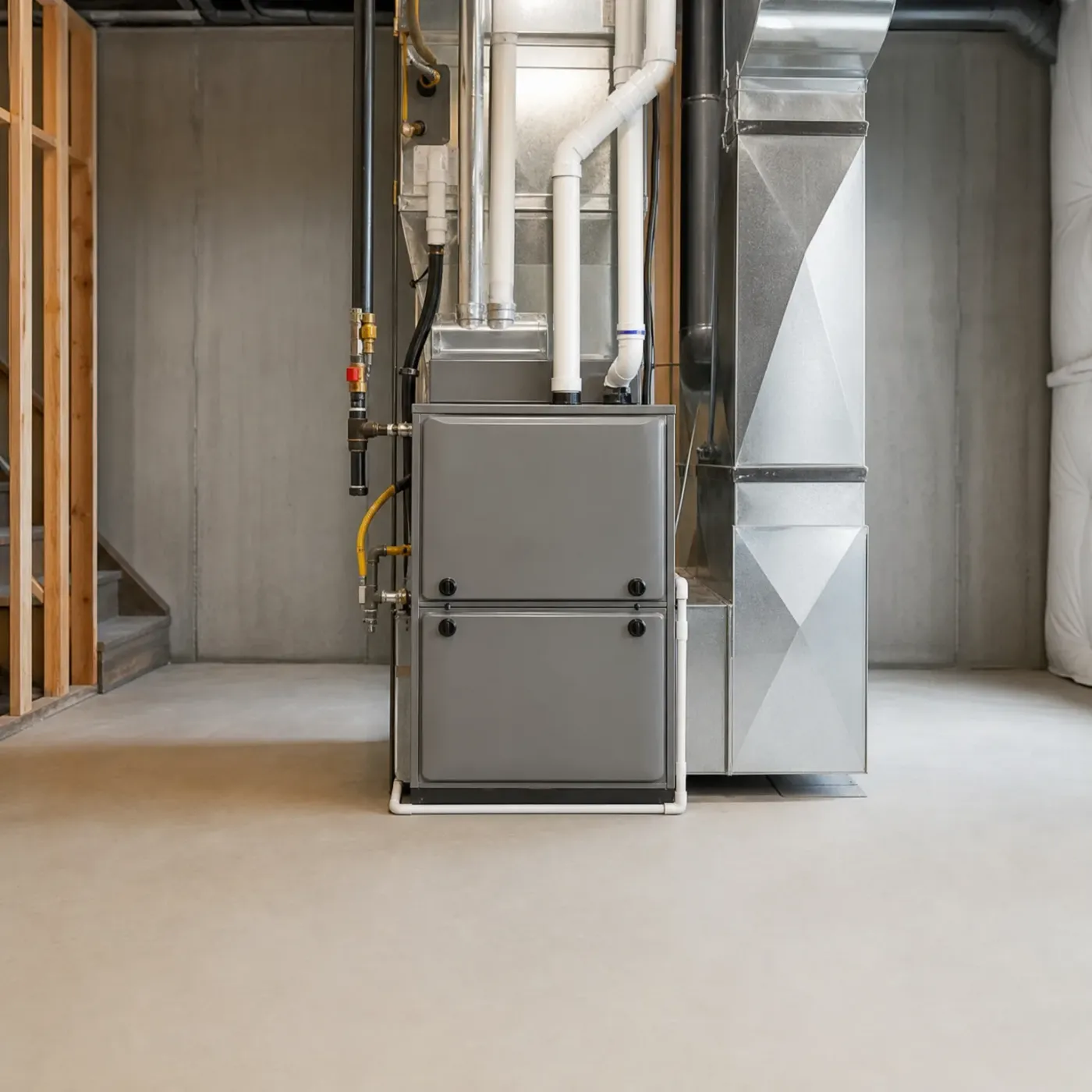
This is a furnace doing its job. The cabinet is sealed, the flue runs straight to the vent, and the gas line feeds a steady burn. A technician who serviced it going into fall checked these connections before the first cold week in Illinois ever hit.
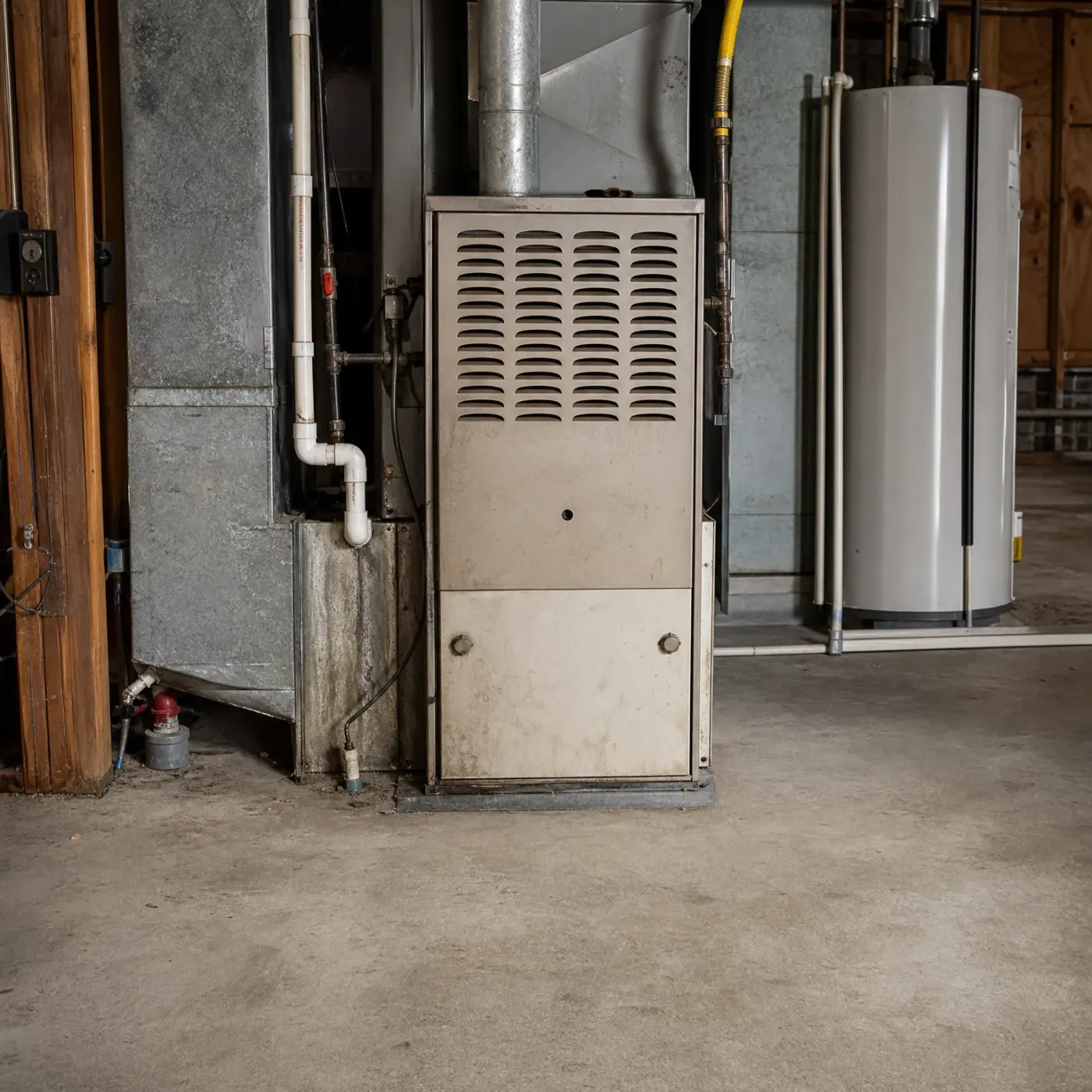
This furnace has seen a lot of winters. The louvered vents and older cabinet still push heat, but nobody's looked at the burners or the flue lately. Next to the water heater and condensate lines, it's easy to forget this one until it stops working on the coldest night.
Three out of four Illinois homes run on gas heat, and the odds are yours is one of them. Gas furnaces push a lot of heat through a long winter, which is exactly why the burners, igniter and heat exchanger need a look before the cold settles in for good.
ACS 2020-2024 5-year B25040
Technician shuts off gas and power before opening the cabinet.
Burners come out and each port gets cleaned.
Flame sensor and igniter get tested, then cleaned.
Heat exchanger gets inspected for cracks or rust.
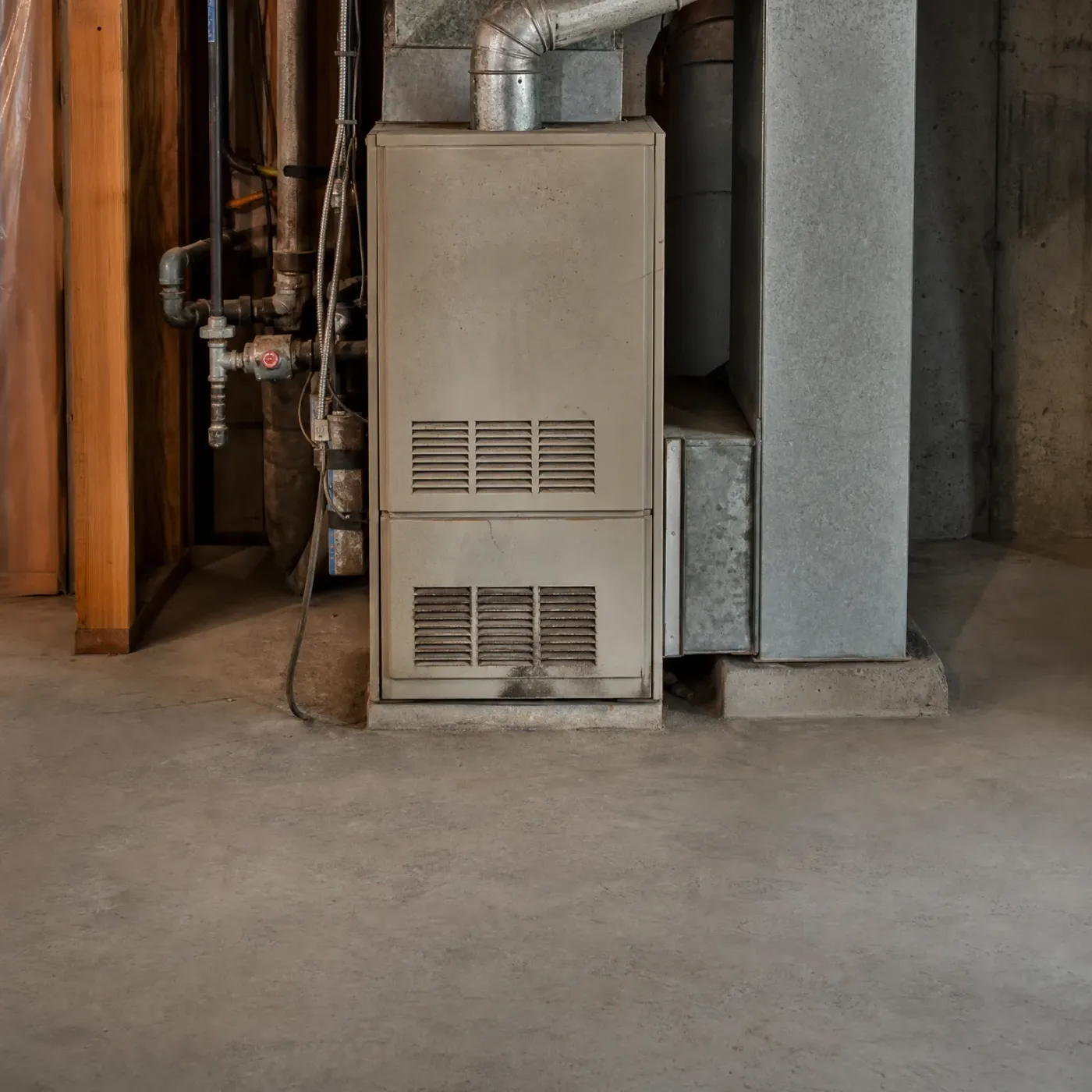
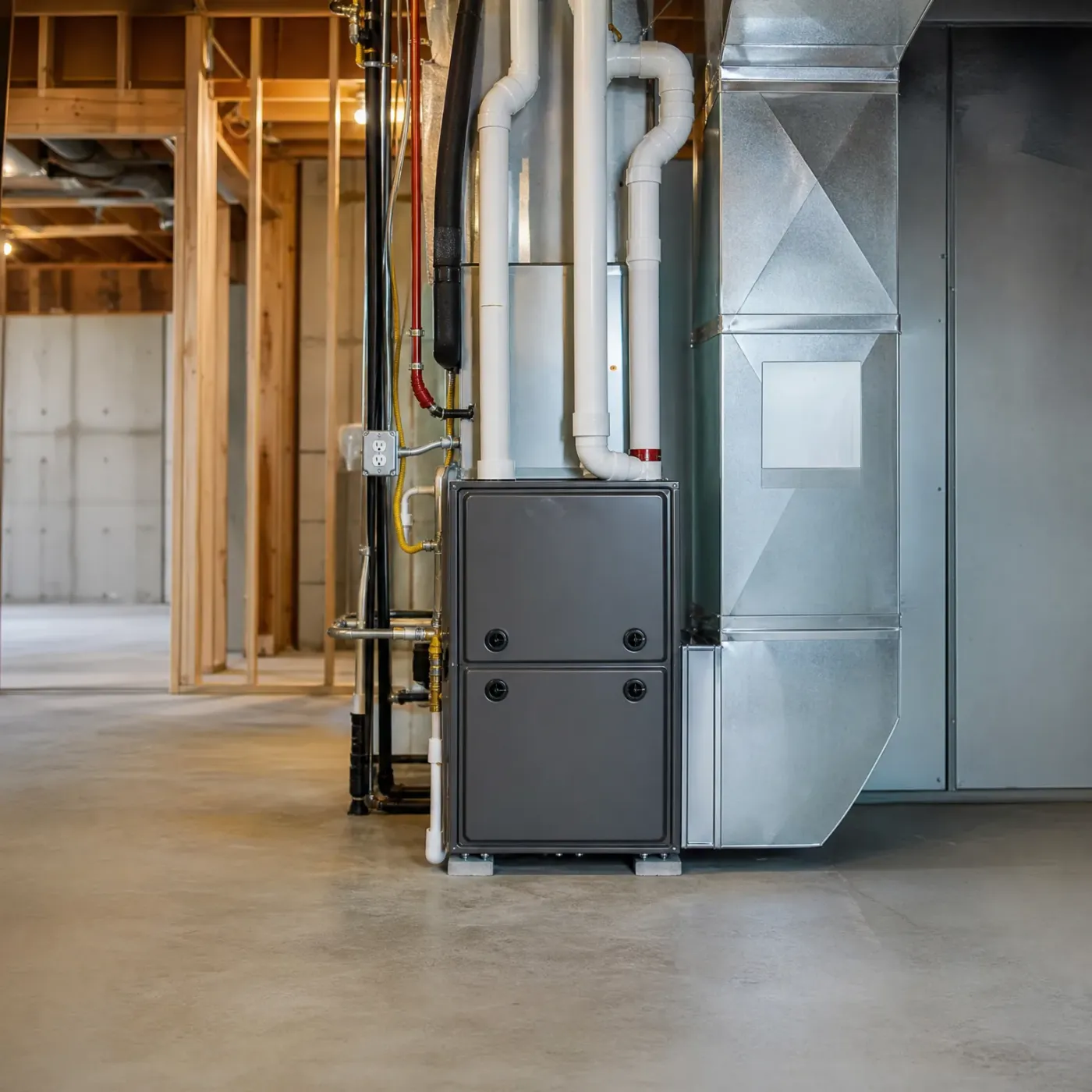
A furnace tune-up before winter comes down to one question: does this system make it through January without quitting on you. The answer is in the heat exchanger, the igniter, the flame sensor, the burners. Checked now, while it's still mild, any one of those can be fixed on a schedule you control instead of on a cold morning with no heat.
Illinois asks a lot of a gas furnace. Months of steady running, long stretches where the system doesn't get a break, wear that shows up in the same handful of parts year after year. A contractor who works on these furnaces all winter has seen that wear before. They know a scorched flame sensor when they see one, know what a hairline crack in an exchanger looks like before it's a safety problem, know which igniter is on its way out versus which one is fine for another season.
That's who you get matched with here. One licensed contractor, local to Illinois, not a handful of companies all calling about the same job. Someone who can look at your furnace and tell you what it needs, not what every furnace needs.
Nothing changes about your system by reading this page. The burners still need cleaning or they don't. The exchanger is still sound or it isn't. What changes is whether you find that out in October or in the middle of a cold snap with the house going cold around you.





Your request goes to one pro, not a list of companies.
No charge to send it. You decide if you hire them.