

What size heat pump an Illinois home needs
Describe your heat pump job, and a local pro who handles it gets in touch.
Get matchedWhat size heat pump do I need for my house in Illinois?
You want a straight answer before a contractor ever sets foot in your house. Heat pump sizing isn't a number you can pull off a chart by square footage alone, and guessing wrong either way costs you. Too small and it can't keep up on the coldest days. Too big and it short cycles, wearing itself out faster and leaving the air damp in summer, which matters here when the humidity sets in.
The right size comes from a load calculation, not your square footage
A contractor sizes a heat pump by running a Manual J load calculation, which weighs your square footage against your insulation, your windows, your ceiling height and how much sun hits the house. Two homes the same size in Illinois can need different sized units because of these differences. Getting this right matters more here than in milder climates. Illinois winters push heat pumps hard, and most homes still lean on gas furnace backup for the coldest stretches, so the heat pump has to be sized to work well with that system rather than carry the whole winter alone. Oversizing also hurts you in summer, when a unit that's too big cools the air fast but doesn't run long enough to pull the humidity out, leaving the house cold and sticky at the same time.

Summer air here averages a dew point of 63°F across June, July and August, based on National Weather Service data for Illinois. That's the sticky range where your heat pump has to pull real moisture out of the air, not just cool it. A unit sized right for your house handles both jobs at once. One sized wrong, even by a little, will chill the rooms but leave the air feeling damp, so the thermostat says 72 and the house still feels clammy. That's usually a sizing problem, not a failing unit.
NASA POWER T2MDEW county cells weighted by homes
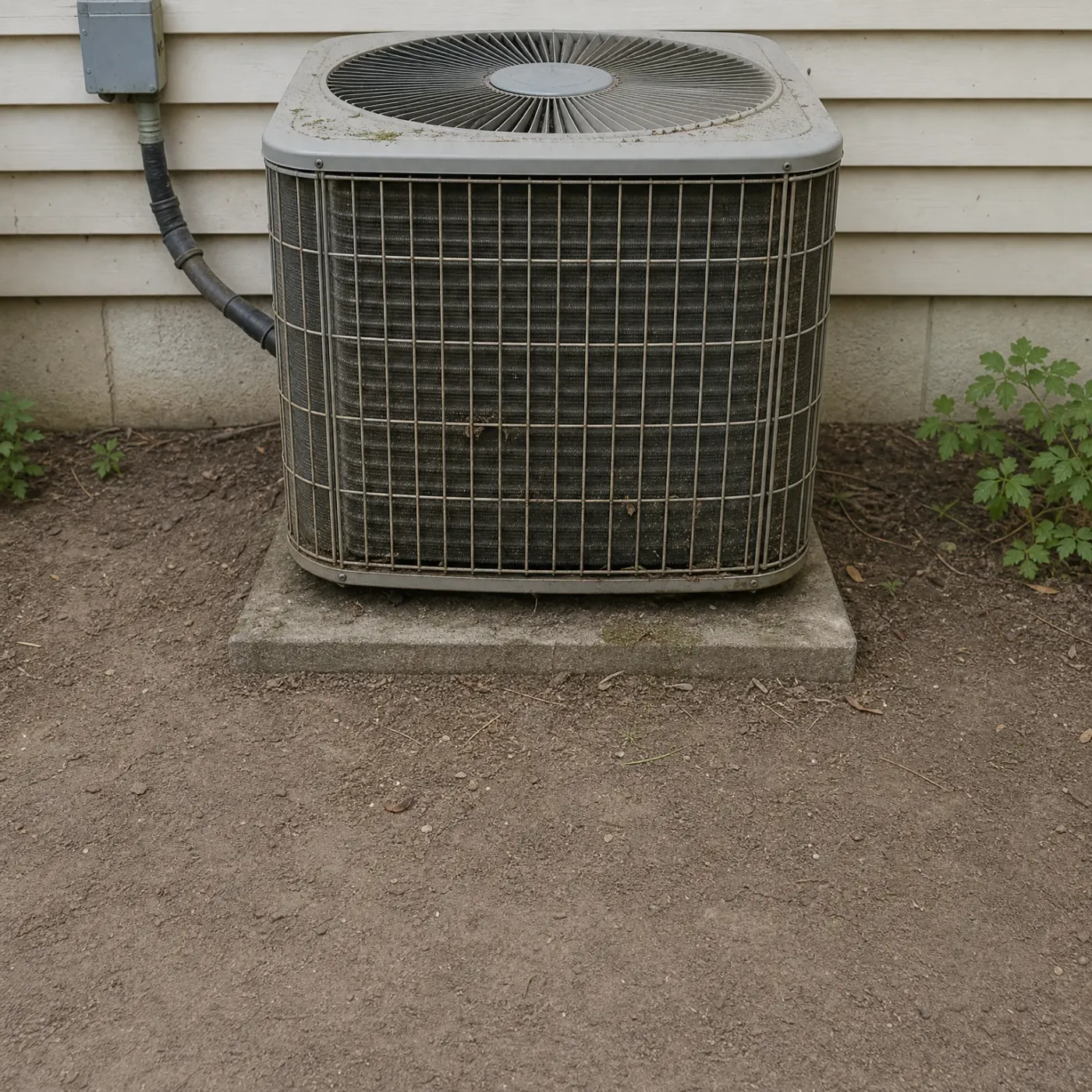
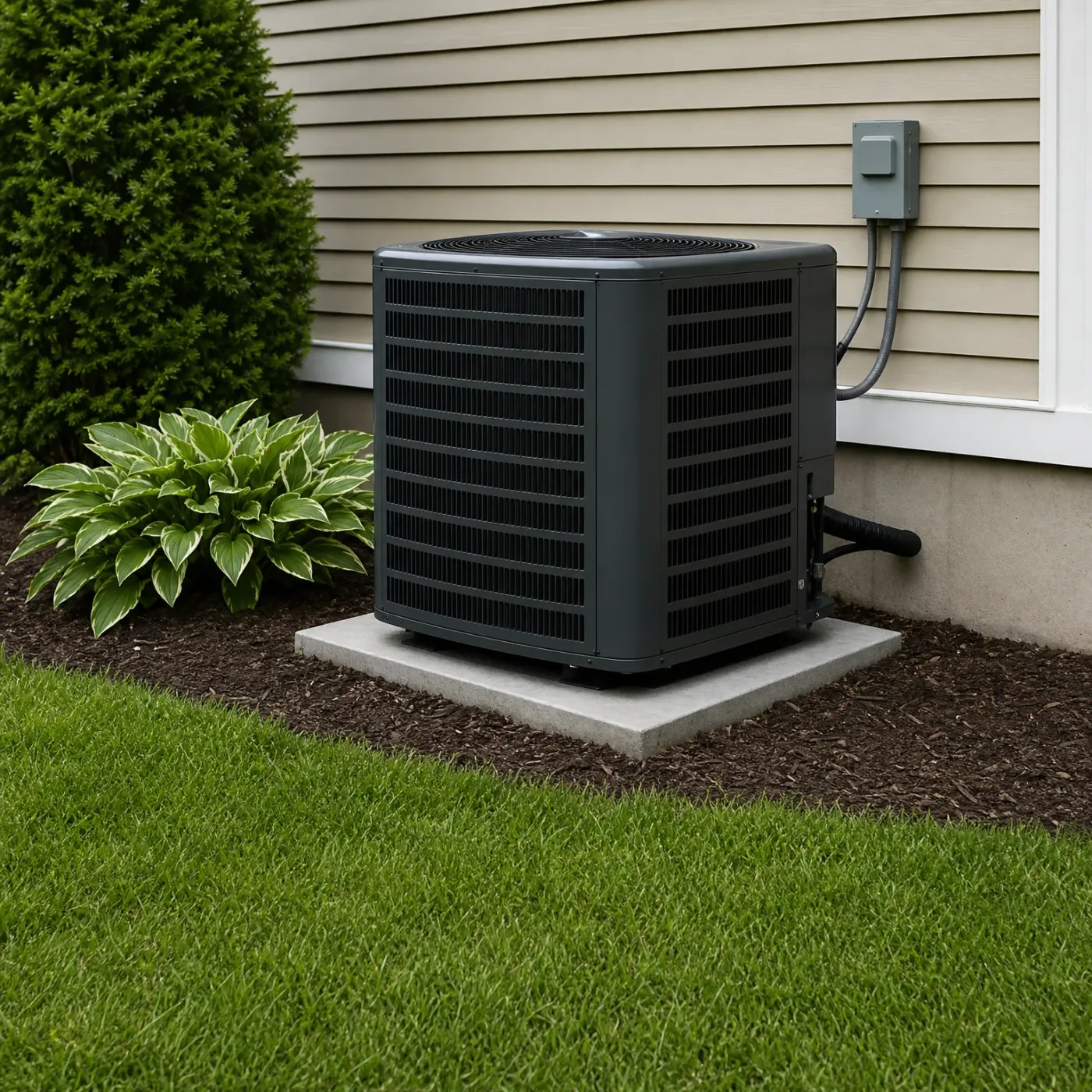
Get the size wrong and you'll feel it in specific ways. A heat pump too big for your house cools the air fast, then shuts off before it's pulled the moisture out, so your rooms feel clammy even at 72 degrees and you keep reaching for the thermostat. One too small runs nonstop on the sticky days in July and August and still can't quite keep up, so it leans on backup heat strips to close the gap, and with power rates here that shows up on your bill fast. Short cycling wears on the compressor over time. In January, an undersized unit struggles the same way in reverse, running long stretches in the cold and drawing on backup heat more than it should. Most homes here heat with gas, so your heat pump is doing its heaviest work in the summer months, and that's exactly when sizing mistakes cost you the most, in comfort and in what you pay to run it.
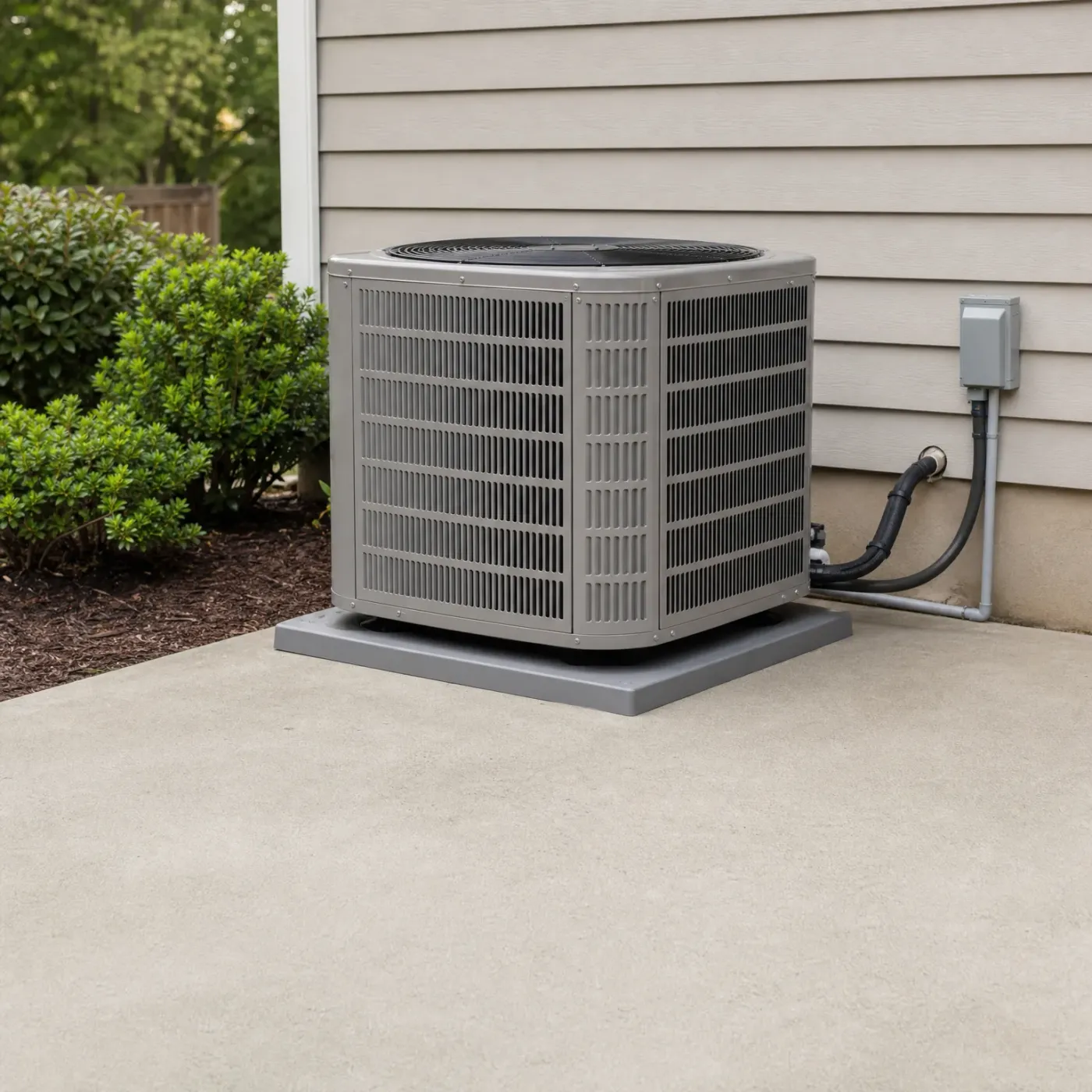
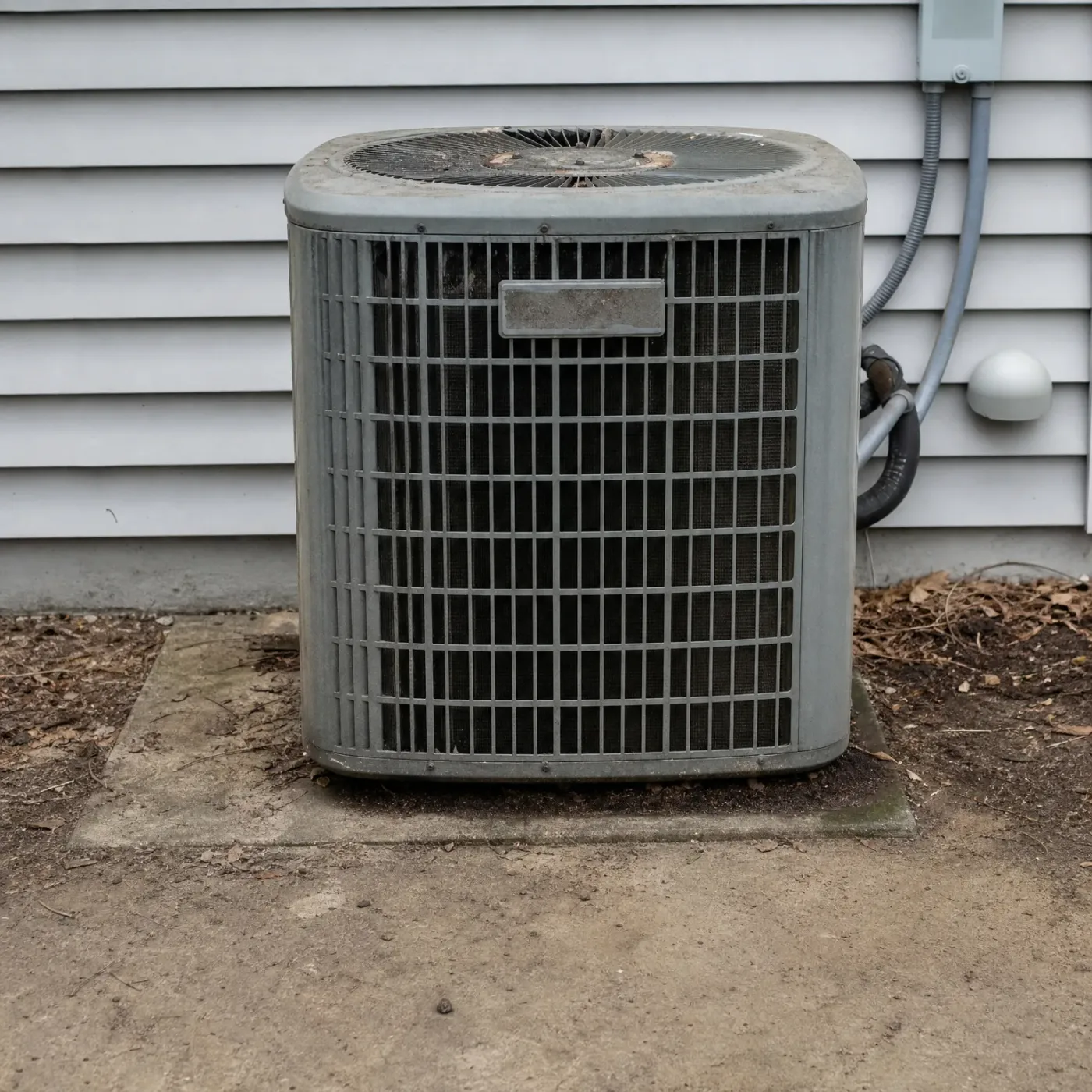




Oversized vs. Right-Sized Heat Pump
Oversized unit
- Short cycles that cool the air fast but shut off before the coil has time to pull moisture out of it.
- Rooms feel clammy at 72 degrees, so you keep nudging the thermostat down without it helping.
- More starts and stops wear on the compressor over the years, since it never gets to run a full steady cycle.
- Sizing is based on gross square footage instead of the load calculation, so the number looks right but isn't.
- Installation costs more upfront for capacity your house never actually needs.
Right-sized unit
- Runs longer, steadier cycles that pull humidity down along with the temperature, so 72 degrees feels dry, not damp.
- Sized from a load calculation that accounts for your house, not a flat square footage number.
- In winter, it covers more of the load on its own before your gas furnace has to kick in, which matters given how expensive power is here.
- Fewer start-stop cycles mean less strain on the compressor over time.
- A contractor who works on these year-round can size it against both the muggy summer dew point here and a cold Illinois winter.
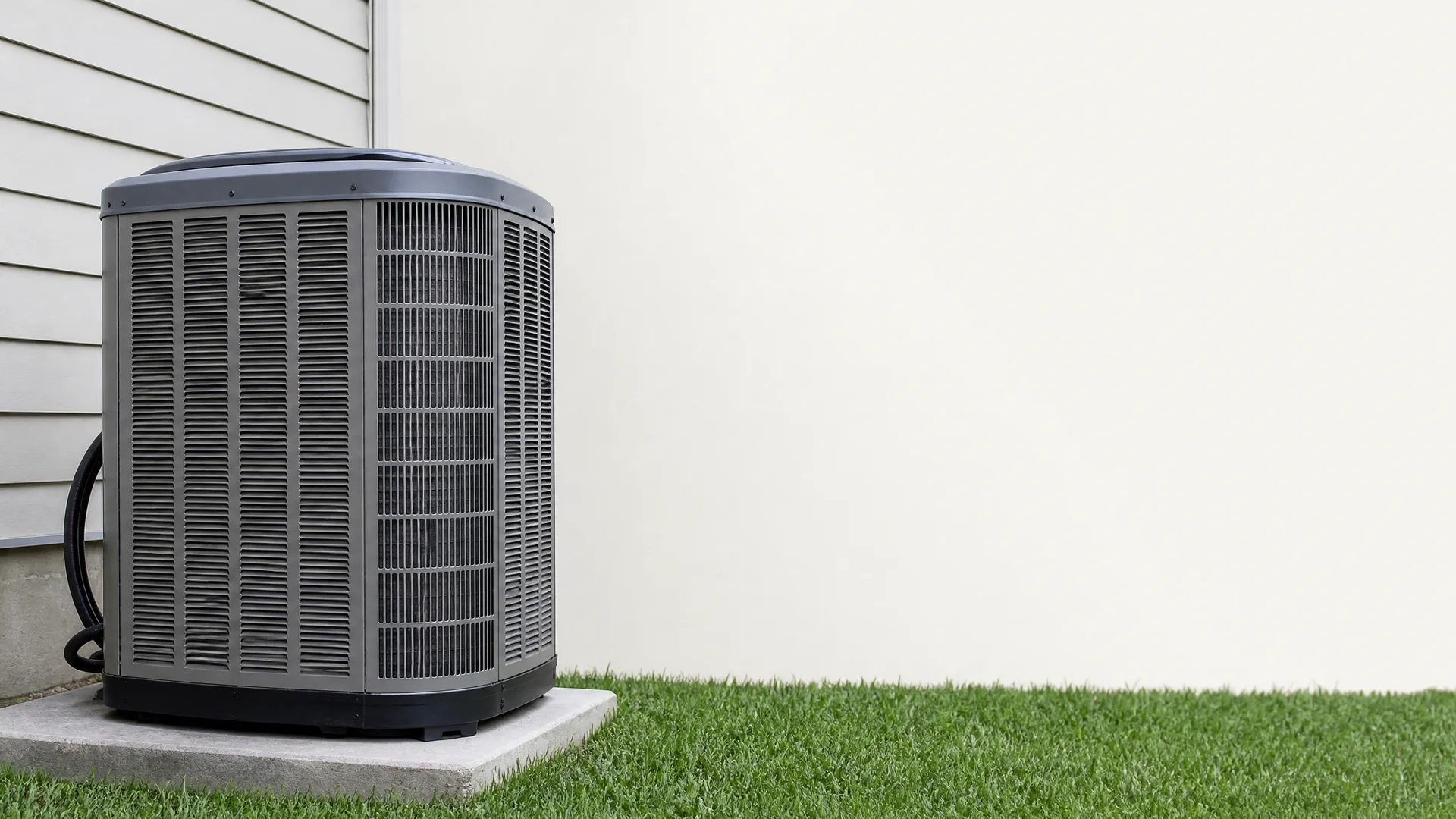
Sizing runs on a load calculation
A contractor sizes your heat pump with a Manual J load calculation, not a chart tied to your square footage. It accounts for your windows, your insulation, how many walls face the sun and what's above and below each room. Two houses the same size down the street from each other can need different tonnage because one has more west-facing glass or a finished basement the other doesn't. That's why a size that worked for a neighbor isn't a safe guess for you.
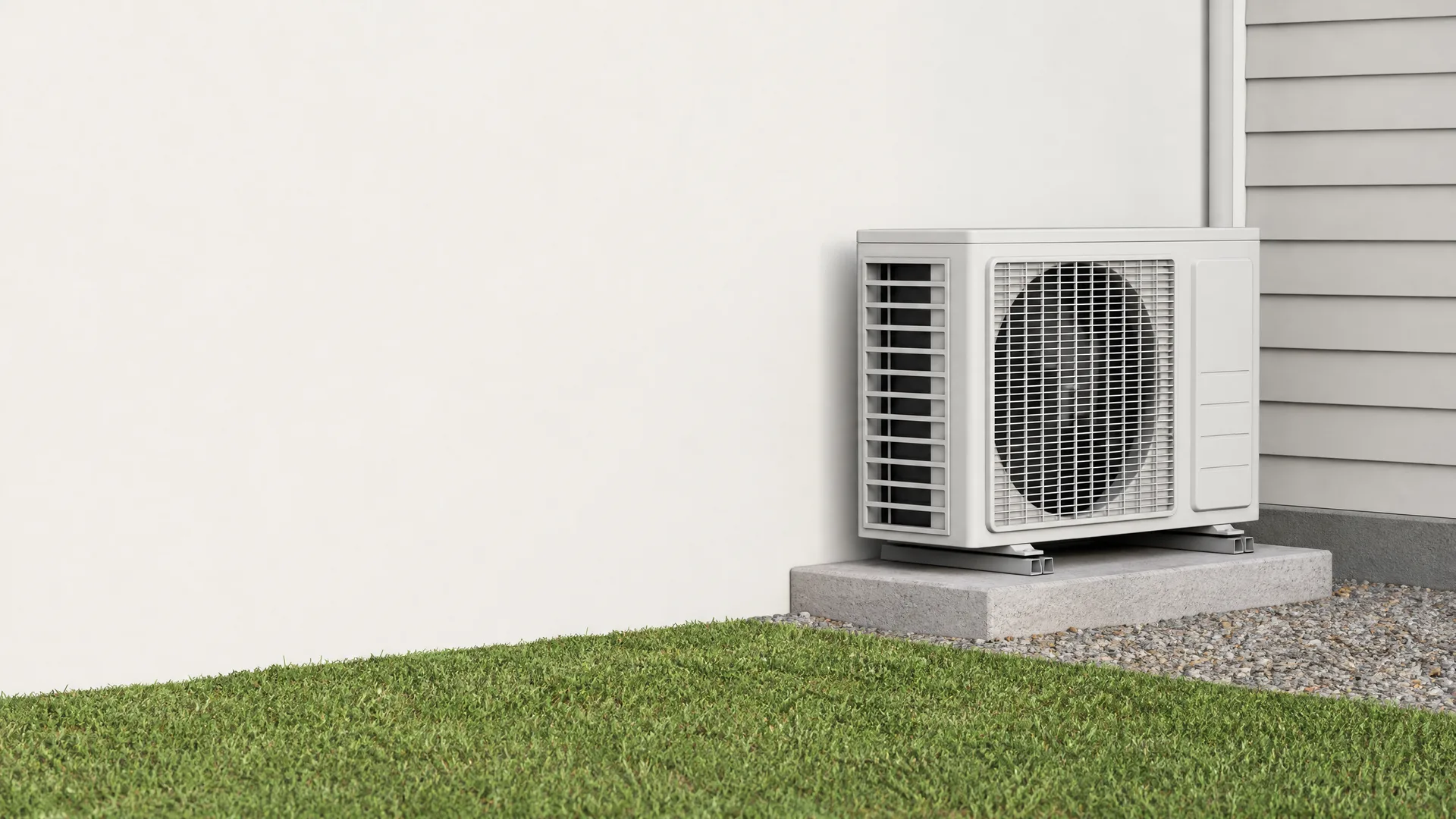
Cold weather changes what it can do
Illinois winters push a heat pump harder than its summer side of the job. As the outdoor temperature drops, a heat pump pulls less heat out of the air with each cycle, which is why most homes here still have a gas furnace to back it up on the coldest days. Sizing has to account for that handoff point, not just the tonnage needed to cool your house in July. Get that balance point wrong and either the heat pump idles uselessly or the furnace carries more of the winter than it should.
Is your heat pump actually the wrong size for your house
You might already have a feeling something's off. Certain rooms never quite cool down in July while others feel fine. The system kicks on and off every few minutes instead of running a steady stretch. The air it's putting out feels cool but not dry, so you still feel sticky standing in front of the vent. Your electric bill climbs faster than the weather seems to justify, which matters more here with Illinois power rates than it would somewhere cheaper. Left alone, a wrong-sized unit keeps working harder for a worse result, cycling more often and wearing down parts sooner than a system that was sized to your house from the start.


A local pro for your heat pump installation
A Manual J load calculation is the only way to know what size heat pump your house actually needs, and getting it wrong in Illinois means fighting your system every muggy July. An oversized unit that doesn't match your windows, your insulation, and how your rooms sit against the sun leaves you cooling fast but not drying the air out. Since most homes here heat with gas, that heat pump's main job in your house is handling summer humidity, which makes the sizing call even less forgiving. A local contractor who works on heat pumps all season knows what tends to go wrong with sizing in houses like yours, and the request goes to one contractor, not a handful calling you back at once. With power costing what it does in Illinois, running the wrong size unit for years isn't something you want to find out about later. Getting matched with someone who can run the calculation on your actual house settles the question instead of guessing at it.
Sizing for heat, not just cooling
- A heat pump also carries a SEER2 rating for cooling and an HSPF2 rating for how it performs pulling heat from cold air.
- Below a certain outdoor temperature, most heat pumps can't pull enough heat from the air alone and lean on backup heat strips or your gas furnace.
- Since most Illinois homes heat with gas, a dual fuel setup lets the furnace take over once outdoor temperatures drop too low for the heat pump to work efficiently.
- The balance point is the outdoor temperature where your heat pump stops keeping up on its own, and sizing affects where that point falls.
- A unit sized for summer humidity but ignoring Illinois winters can leave you running expensive backup heat more often than you should.
- Two heat pumps with the same tonnage can perform differently in cold weather depending on the compressor and how the manufacturer rated its low temperature output.
Most of what gets discussed about heat pump sizing in Illinois centers on summer humidity, but the same unit has to carry your house through January, and that side of the job runs on different numbers. A heat pump moves heat rather than making it, pulling warmth out of outdoor air even when that air is cold. There's a limit to that. As the outdoor temperature drops, the amount of heat a compressor can pull out of the air drops with it, and at some point the unit can't keep up on its own. That point is called the balance point, and where it falls depends on how the unit is sized and rated, not just its tonnage. Two units rated at the same tonnage can have different balance points because their compressors and low temperature output aren't the same. Since most homes in Illinois heat with gas, the usual setup pairs the heat pump with the furnace in a dual fuel system, so the furnace takes over once outdoor temperatures drop below where the heat pump can work efficiently. A heat pump sized only for a mild September afternoon, without weighing what it does at 20 degrees, can end up leaning on backup heat strips or the furnace more often than it should, and with power costs in Illinois what they are, that's not a cheap habit to fall into. A contractor sizing your system has to weigh both ends of the year, not just the one you notice first.
Power costs 17.67 cents per kilowatt-hour statewide
At that rate, an oversized heat pump that short cycles all summer runs up your bill without actually drying the air out. Sizing it right means it runs longer, steadier stretches, which is what keeps both the humidity and the cost down.
EIA-861 2025 statewide residential average

The right size is the one a load calculation finds
No chart tied to your square footage tells you what size heat pump your house needs. A Manual J load calculation does, room by room, window by window. That's the only number worth trusting before anyone installs anything.
A contractor who works on heat pumps in your area all year, through muggy Augusts and cold snaps when the backup heat kicks on, has seen what gets missed when a system is sized off a guess. Getting matched with one means someone local looks at your actual house and calls you directly, not a handful of companies competing for your number. You'll know where you stand once that calculation is done.


Heat Pump Installation
Get the right pro for your heat pump

- A local pro who knows heat pumps gets your details and gets in touch.
- Get in touch with a local installer about a new heat pump.

- Once you send the form, finding a pro is off your list.
- After you send the request, you're done searching.

- Answer a few questions instead of calling shop after shop.
- Describe your heat pump job once, to one pro.

- The pro who reaches out is licensed in Illinois.
- Only one pro gets your request, so you hear from one company.