





Side profile of a bearded man wearing a dark faded baseball cap and a dark gray t-shirt against a plain light background.

When a furnace flame sensor needs cleaning in Illinois

Step 1 of 3: Equipment

A furnace flame sensor needs cleaning when the furnace runs through short cycles: it fires up, runs for a few seconds or a minute, then shuts off, over and over, through a cold night. That happens because the flame sensor is a thin metal rod that reads the flame to confirm it's burning, and over a heating season it collects a layer of soot and oxidation. Once that coating builds up, the rod can't sense the flame anymore, so the furnace assumes the flame is out and cuts the gas for safety. In an Illinois winter, where gas furnaces run for months straight, that buildup happens fast and a short-cycling furnace means cold rooms while the system keeps trying and failing to stay lit. A sensor on its way to needing attention usually gives warning first, with cycles getting shorter over a few days before the furnace stops holding a flame at all.

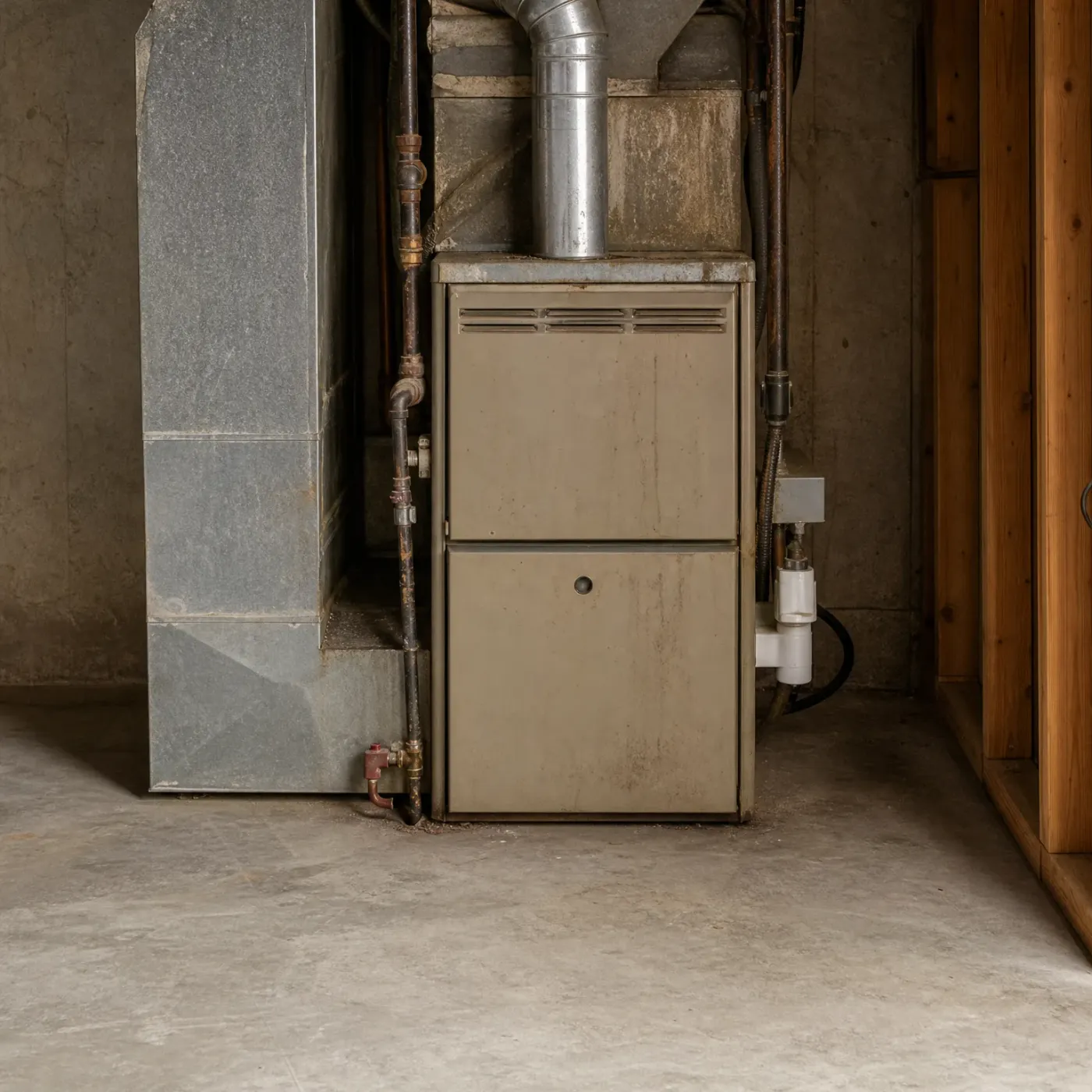
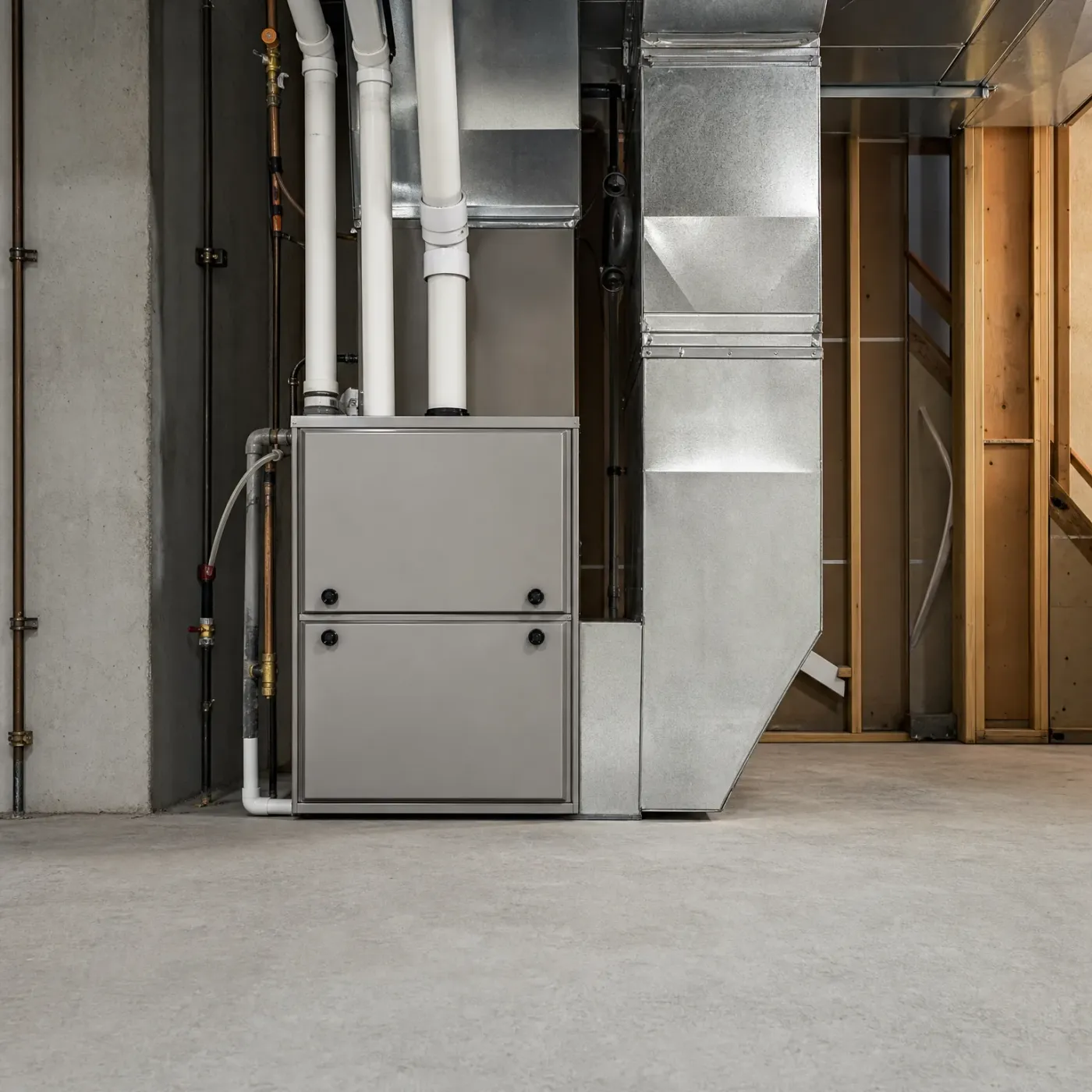
A beige residential furnace stands on a concrete basement floor beside galvanized sheet-metal ductwork, a round flue pipe, copper gas piping, and a PVC condensate line, with a wood-paneled wall at right.
Before you get your furnace maintenance
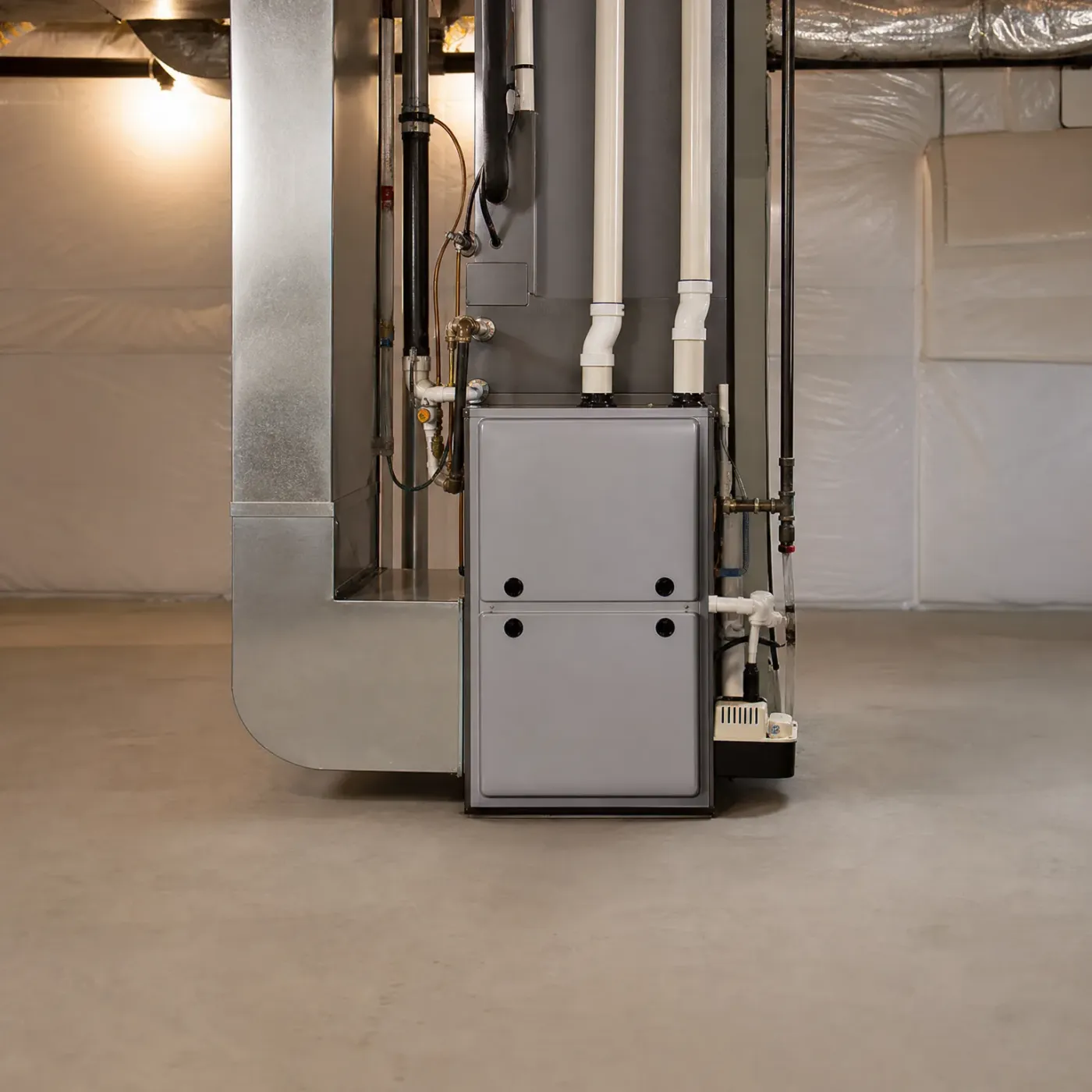
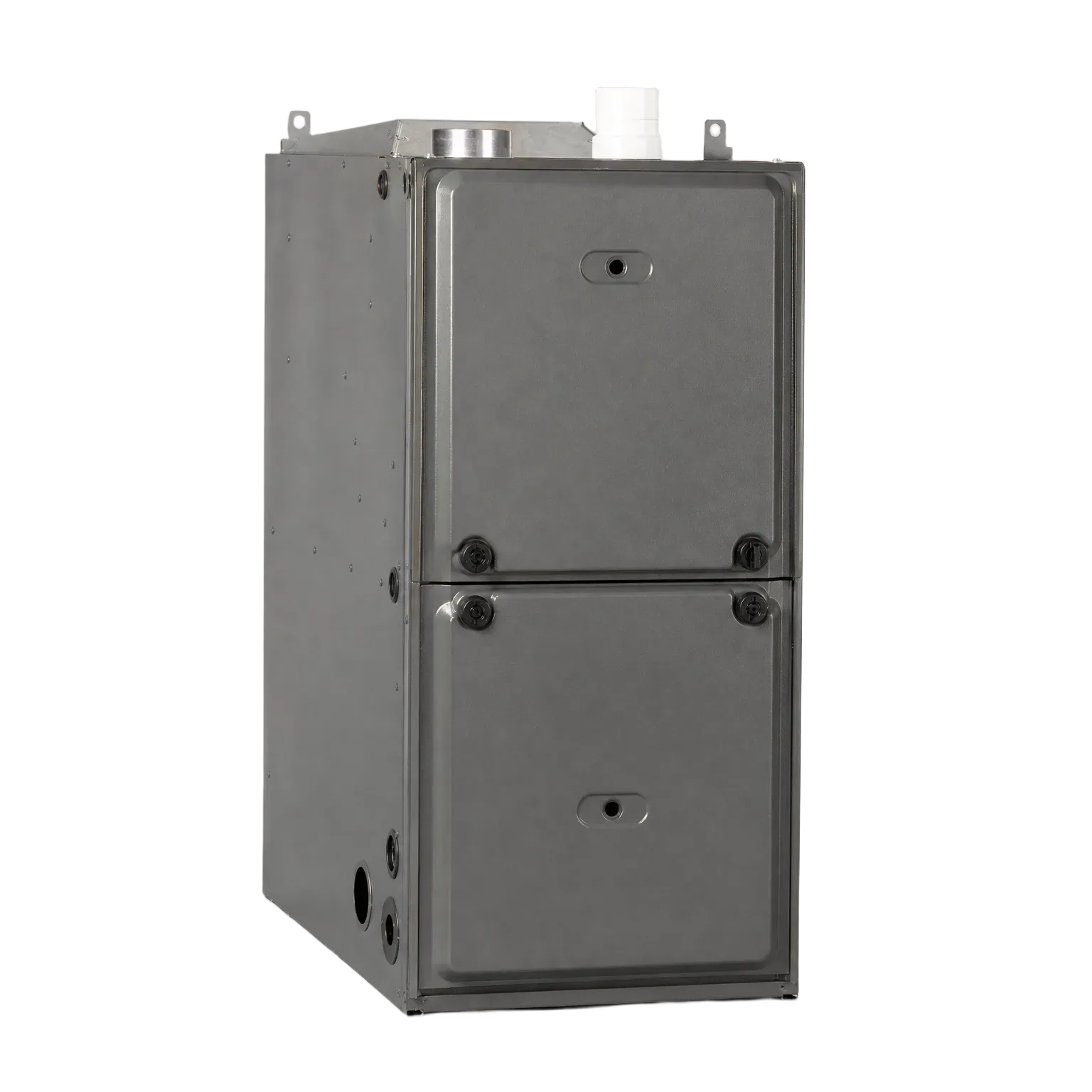
A gray high-efficiency furnace in a basement with white PVC vent pipes, sheet-metal ductwork, copper and black piping, a condensate pump, and insulated walls above a concrete floor.
After you get your furnace maintenance

The flame sensor is a thin metal rod mounted right where the burner flame hits it. Its job is simple. It senses heat and sends a small electrical signal back to the control board, confirming gas is actually burning. Over time, carbon and oxidation build up on that rod from normal combustion. The coating doesn't melt off or burn away on its own. It just sits there, and it blocks the signal the rod is supposed to send. The control board doesn't know the furnace is running fine. It only knows the signal is weak or gone, and it reads that as no flame. Rather than let gas keep flowing to a burner that might not be lit, the furnace shuts the gas valve. That's the short cycling you notice: fire, run a few seconds, stop, try again. Cleaning the rod with fine sandpaper or steel wool usually clears the coating and restores the signal. The sensor then needs to go back in the exact spot it came from, since its position in the flame is part of how it reads correctly.

Why the Flame Sensor Fails

  • The flame sensor sits in the burner compartment, directly in the path of the gas flame it has to detect.
  • A thin coat of carbon or oxidation builds up on the rod and blocks the tiny electrical signal it sends back to the control board.
  • The control board reads that weak or missing signal as no flame at all, even while the burner is lit.
  • Shutting off gas to a burner that might be running without a flame is the furnace protecting against a gas leak.
  • A light scrub with fine sandpaper or steel wool on the rod is usually enough to restore the signal.
  • The sensor has to be reinstalled in the exact spot it came from, since its position in the flame matters.
A gray high-efficiency furnace stands on a concrete basement floor beside galvanized sheet-metal ductwork, white PVC vent pipes, copper and black piping, and unfinished wood stud framing.
A clean sensor reads the flame right away, so the furnace fires once and keeps running through a cold Illinois night.
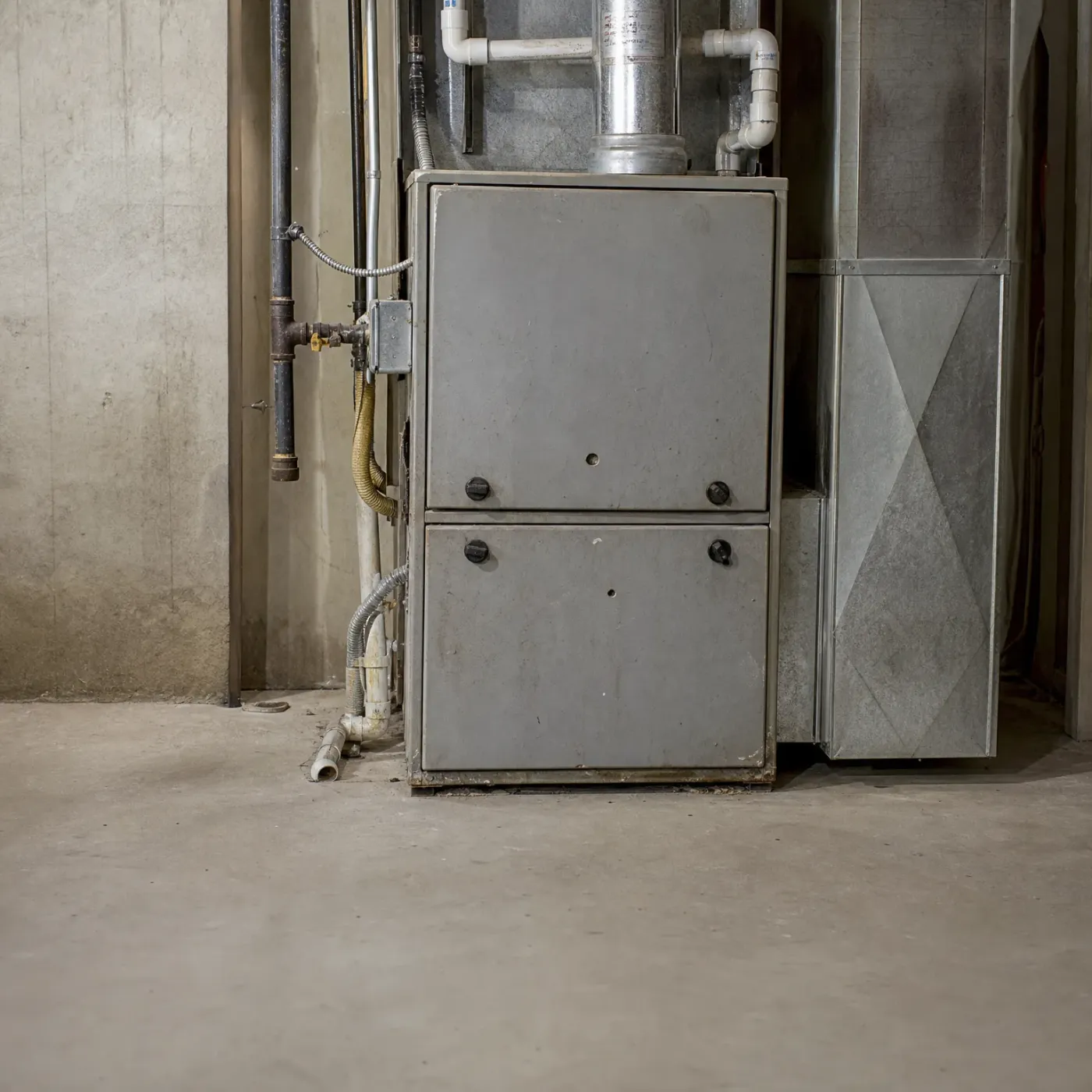
A gray furnace with two access panels stands on a concrete basement floor beside sheet-metal ductwork, with pipes, flexible conduit and an electrical box on the concrete wall to the left.
A fouled sensor can't hold that signal, so the furnace shuts off and relights over and over, burning more power to do it.
A man in a navy sweater reclines in a leather armchair with his eyes closed and a slight smile, beside a side table with a mug and folded newspaper, in a room with a bookshelf and a sunlit window.
A bearded man in a navy robe over a gray shirt reclines with closed eyes in a brown leather armchair, with a houseplant, folded newspaper on a wooden table, and a bookshelf behind him.
A bearded man in a navy sweater reclines with closed eyes in a leather armchair beside a table holding a folded newspaper and a green mug, with a dresser, potted plants, a lamp and framed artwork behind him.
A man in a dark green sweatshirt reclines with his eyes closed and a slight smile in a brown leather armchair, with a window, table lamp, mug and newspaper beside him.

Done looking for a furnace pro

Fill out one form instead of calling around for a furnace tune-up.

Asking costs nothing, and the choice to hire stays yours.

Why the rod fouls so fast

The flame sensor is uncoated steel sitting right in the combustion gas. Every time the burner fires, it leaves behind a thin film on the rod, the same way a candle leaves soot on glass. One cycle doesn't do much. Hundreds of cycles over a winter build up a coating thick enough to block the signal. A furnace that runs often, because an Illinois cold snap has it firing all night, builds that coating faster than one that only kicks on now and then. Cleaning the rod removes that film and gives it a bare metal surface to read the flame from again.

What the control board does with it

The control board watches for a small electrical current through the flame sensor as proof a flame is actually burning. No current, and the board assumes there's no flame, even if there is one, and it cuts the gas valve as a safety measure. That's why a dirty sensor doesn't just dim or flicker the burner. It shuts the whole furnace down mid-cycle, then lets it try again. A technician can confirm this with a microamp reading at the sensor wire, which is a more exact check than looking at the rod by eye.

A gray-haired man in a blue sweater over a checked collared shirt sits in an armchair with his eyes closed and head tilted back near a bright window, with a houseplant and lamp nearby.
A woman in a grey knit sweater leans back with closed eyes in an armchair beside a window, with a ceramic mug on a round wooden side table and a yellow-leaved tree outside.

What a bad sensor looks like at home

You'll hear the burner kick on, then shut off a few seconds later, then try again. It might do this five or six times before it finally catches, or it might lock out and leave the house cold until the control board resets. On a January night in Illinois, that's the furnace running through its whole ignition sequence over and over instead of just heating the house. Some homeowners never notice the short cycling itself, only that a room they're sitting in doesn't seem to be warming up the way it should.

What those extra cycles cost you

Every failed ignition attempt still draws power to run the igniter and the inducer motor, even though no heat comes out of it. With power priced the way it is in Illinois, a furnace that's relighting itself ten times an hour all winter is spending money on cycles that produce nothing. It also puts more wear on the igniter and the control board than normal operation does, since both are working through the startup sequence far more often than they would with a furnace that fires once and keeps running.

75.3% of homes statewide heat with gas

Three out of four Illinois homes heat with gas furnaces like yours, which means that flame sensor is doing the same job in most houses on your block. It's also why the short-cycling shows up so often here once the rod fouls. A gas furnace won't run without a clean signal from that sensor, so the fix matters before the cold settles in for good.

ACS 2020-2024 5-year B25040

  1. The furnace is shut down and the gas supply is cut off.

  2. The burner compartment is opened to reach the flame sensor.

  3. The sensor rod is drawn out of its bracket for cleaning.

  4. Light abrasion removes the carbon film from the rod.

A closed laptop and a ceramic mug of coffee on a wooden table, with a blurred kitchen counter, cutting board, utensil jar and plant in the background.

A clean flame sensor keeps your furnace running the way it should

A furnace that short cycles on a cold night needs that rod cleaned. That's the whole answer. The carbon film builds up, the signal drops, and the furnace shuts off and relights until the rod can read the flame again. Cleaning it is a small job with a clear cause and a clear fix.

Finding someone to do it is the part that takes the time. Looking up contractors, calling a few, explaining the short cycling to each one, waiting on quotes and sorting through them while the house sits cold. Send the form once and that work is off your plate. You'll know who's coming without having to track down who that is yourself.

A mug and a small round vase sit on a wooden windowsill beside sheer and heavier curtains, with blurred autumn trees seen through the rain-speckled window and a sofa with cushions and a throw in the foreground.
Interior corner with a white-trimmed window overlooking green shrubs and trees, a framed artwork on a pale wall, and a woven basket holding a fringed linen throw on a wood floor.
Corner of a white horizontal-siding house with a white downspout running from the roof gutter to a mulched bed of shrubs, beside a mown lawn and leafy trees in low sunlight.
Corner of a house with board-and-batten siding, a shingled roof, and a dark gutter and downspout, with shrubs in the foreground and conifers and bare trees against a hazy sky behind.
A dark round planter holding a white-flowering hydrangea sits on a concrete porch between a stacked stone wall, a wooden post, and a dark vertical board-and-batten wall beside a window.
A dark wood front door with a divided-light glass panel above stone steps, flanked by white columns, shingle siding, a woven basket planter with a draped throw, dried hydrangea blooms, and trimmed shrubs with fallen leaves on the paving.

It's off your list after this

Skip calling around to set up a furnace tune-up.

I'm done searching

No fee to send it, and nothing to sign.