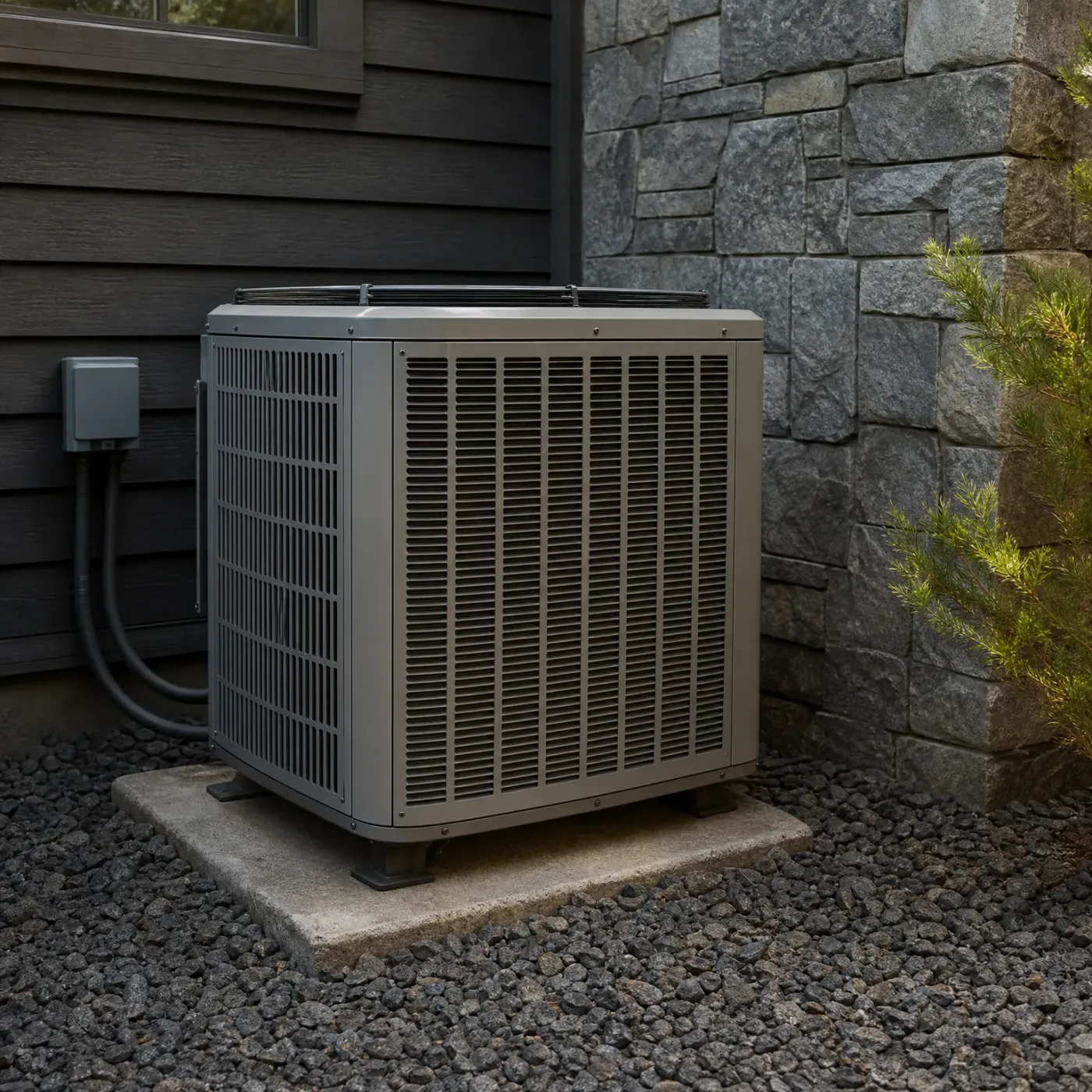


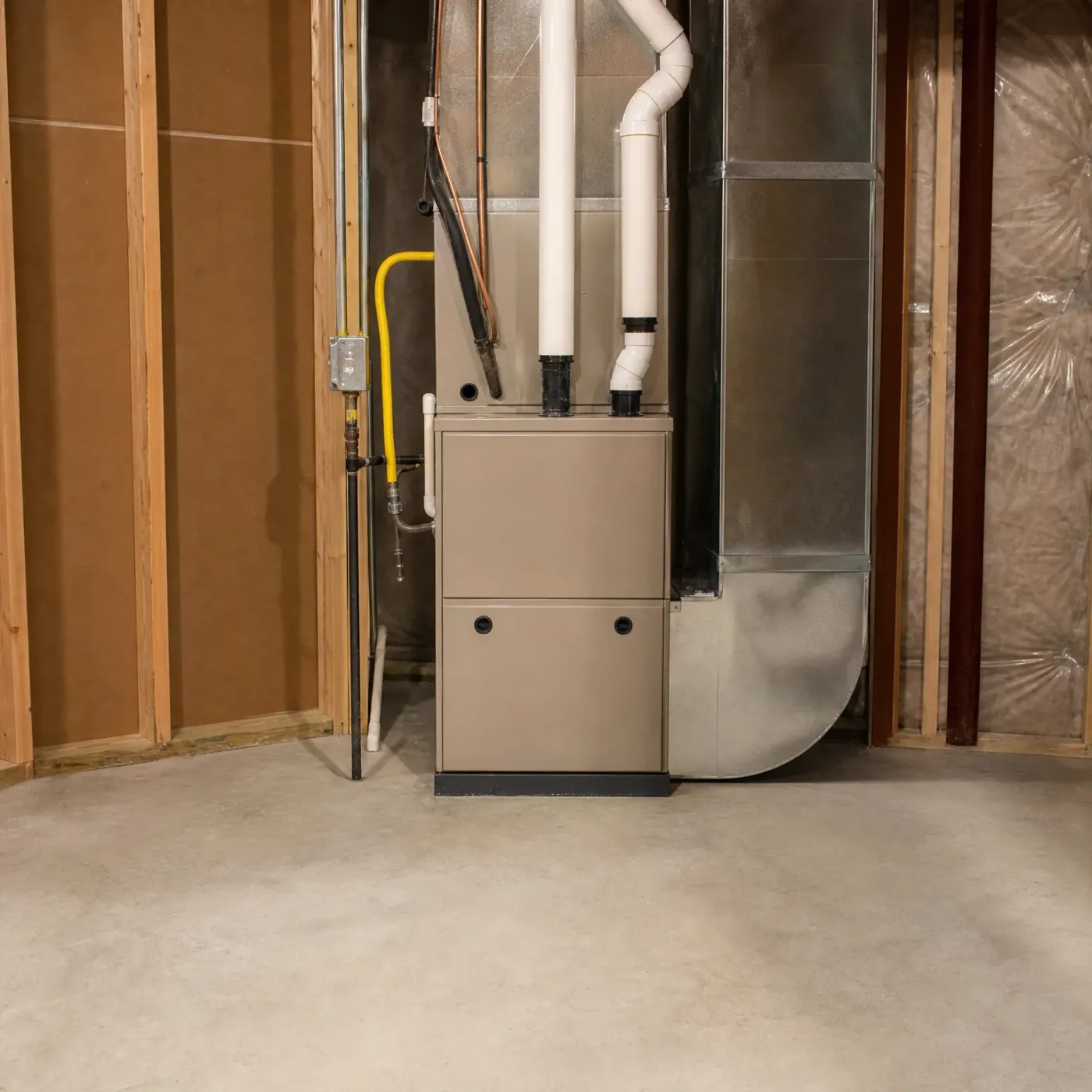
Furnace working right
The burners light the same way every cycle, the blower only kicks on once there's real heat behind it, and warm air reaches every room. The flame sensor and igniter are doing their job unnoticed, which is how you want them.
Describe what your furnace is doing once, in one form.
Start one formA furnace blowing cold air usually means the burners aren't lighting or the blower is running without heat behind it. A dirty flame sensor or a failed igniter will stop the burners from staying lit, so the blower pushes room-temperature air through the vents instead. Sometimes it's simpler: the thermostat fan is set to "on" instead of "auto," which runs the blower constantly, even between heating cycles. A clogged filter can also choke airflow enough that the furnace overheats and shuts the burners off as a safety measure, leaving the fan running alone. In Illinois, where gas furnaces carry most homes through winter, a furnace that won't hold a flame needs a look soon. Cold air blowing on a January night isn't something to wait out, and some of these causes, like a cracked heat exchanger, aren't safe to leave alone. A licensed technician can tell which of these it is and whether it's a quick fix or something more.
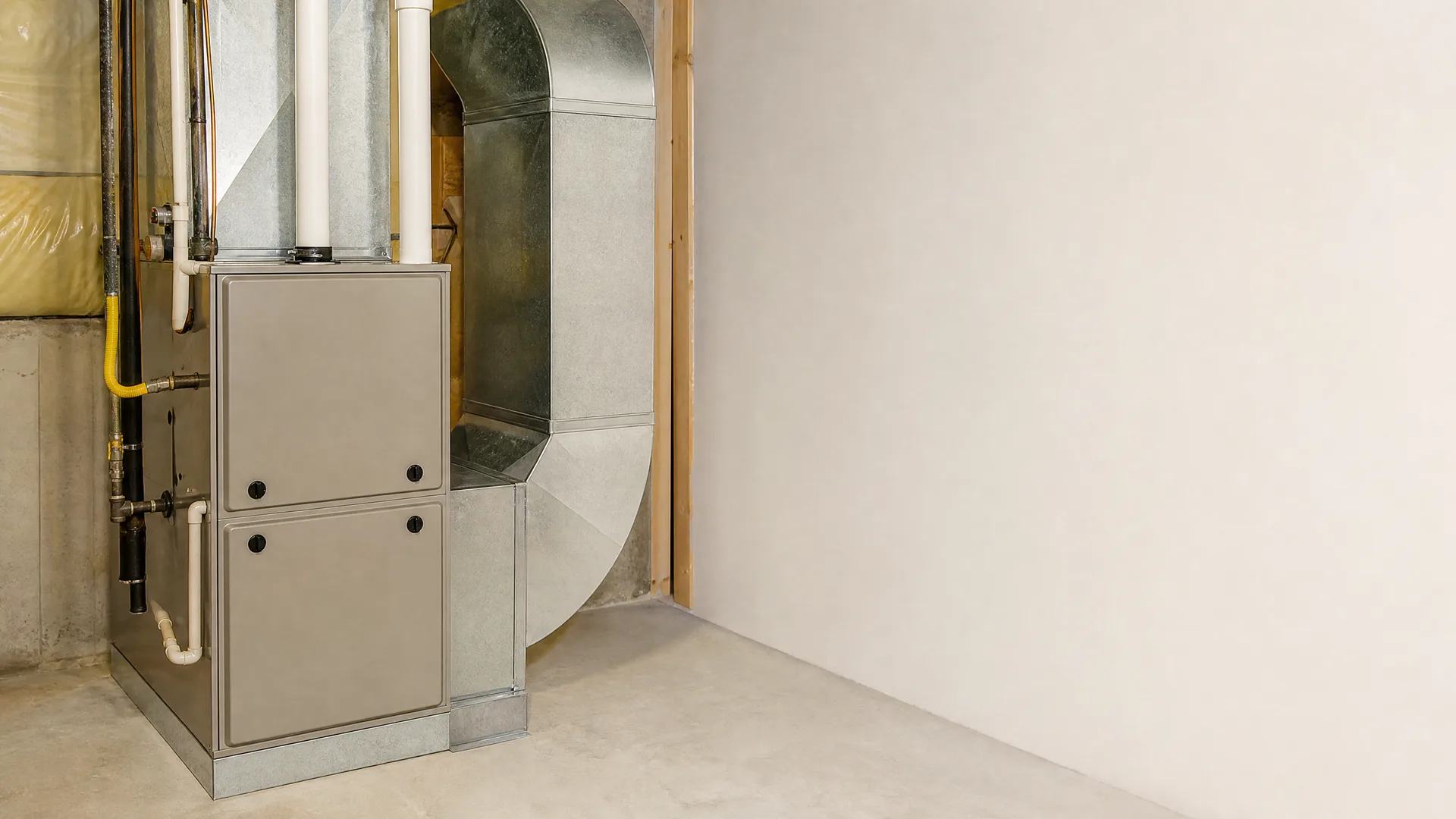
The flame sensor sits right in the burner flame, and over a winter it builds up a layer of soot. That coating stops it from sensing the flame at all, so the control board shuts the gas valve down a few seconds after ignition. The blower doesn't know any of this happened. It keeps running on its own timer, pulling air across a heat exchanger that never got hot.
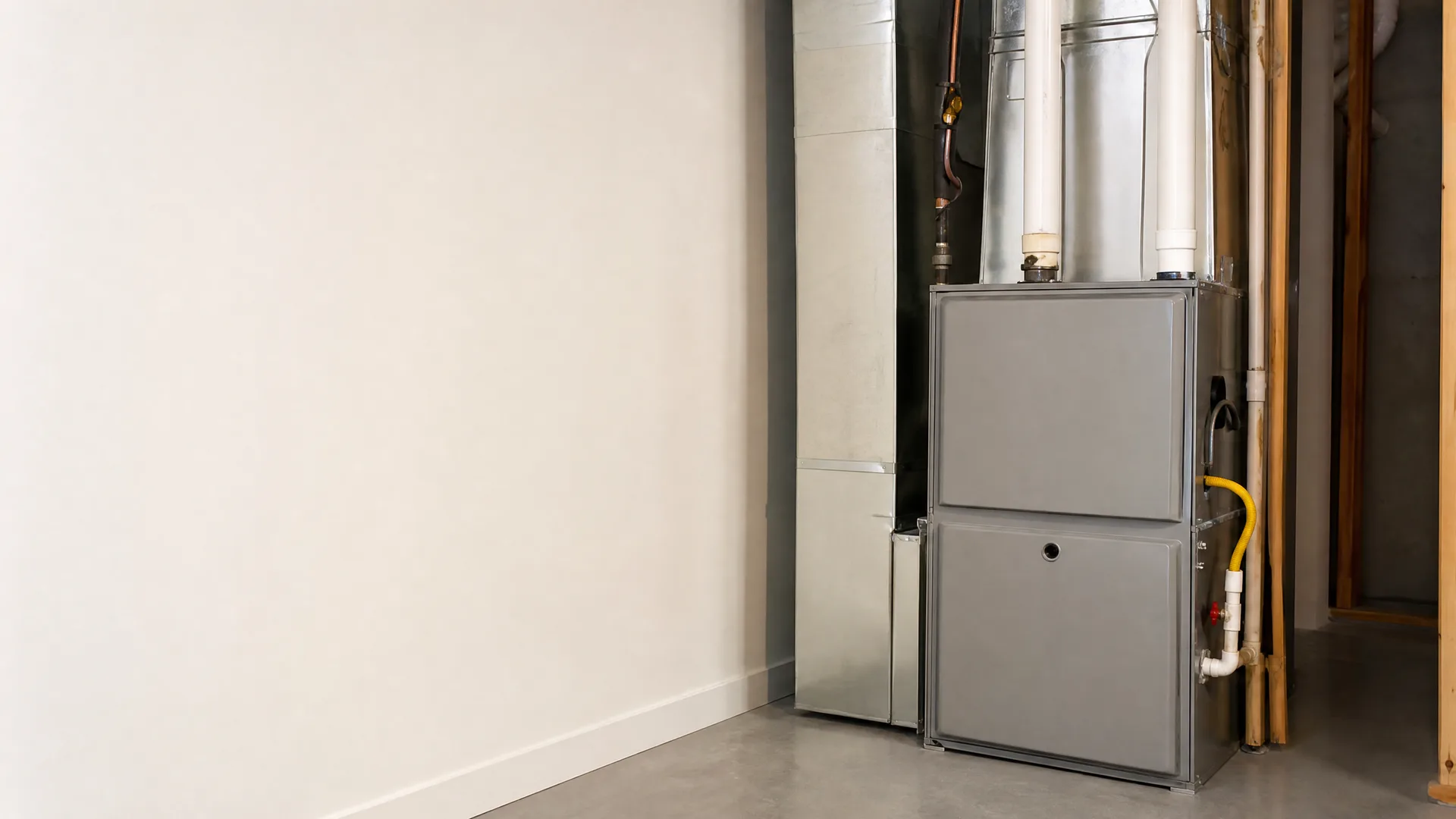
A hot surface igniter has to reach a few hundred degrees in seconds to light the gas, and the circuit running through it is thin and brittle. It can survive hundreds of cycles through an Illinois winter and then crack on an ordinary morning like any other. When it breaks, the burners never get a flame to start with, and the blower runs the same as before, moving only cold air.
You've checked the vents and air is moving, just not warm. The furnace sounds like it's working, the blower is on, but nothing is heating up. In an Illinois winter that's not something to let ride overnight, so you want to know what's actually happening before you decide whether this is a quick fix or something more.
The blower motor and the burners are controlled separately. Once the thermostat calls for heat, the control board fires the igniter and opens the gas valve first, then waits a short delay before switching the blower on, so warm air is already in the duct by the time air starts moving. If the burners fail to light or shut off early, that delay still runs out and the control board turns the blower on anyway, on schedule, with no heat behind it. That's why you get full air flow and a furnace that sounds normal while the air stays at room temperature. The blower isn't broken. It's doing its job on a system that never produced heat to push.
Thermostat calls for heat and the furnace control board wakes up
Inducer motor starts to clear exhaust gas from the heat exchanger
Igniter heats up or the pilot lights to ignite the gas
Flame sensor confirms the burners are lit and holds the gas valve open
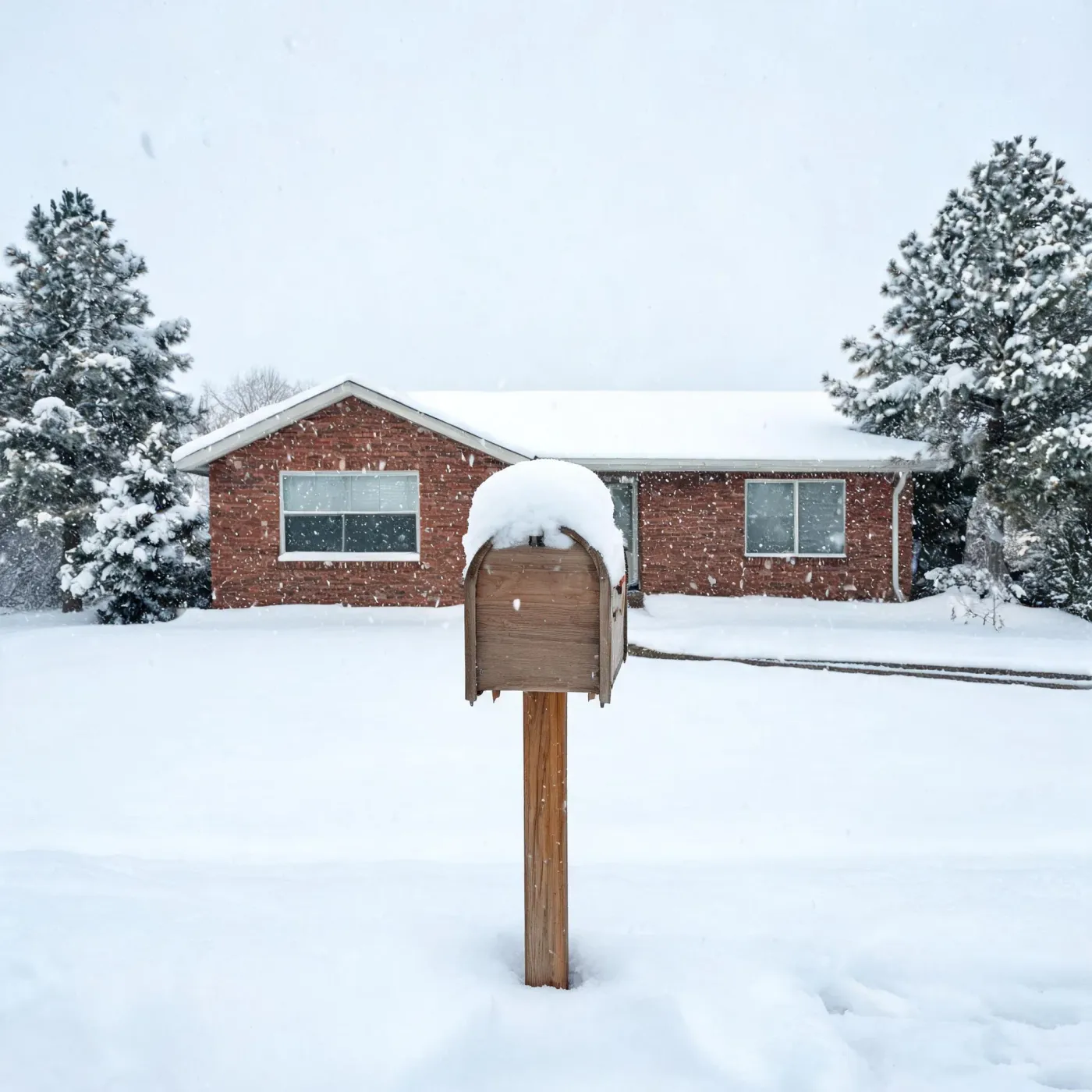
Statewide, winter nights average 20°F, according to NOAA climate data. At that temperature a furnace is cycling on often, and the burners have to light clean every single time to keep up. A flame sensor coated in soot or an igniter on its way out might still manage on a mild day, but on a cold night it fails right when you need heat most, and that's when people notice the blower running with no warmth behind it. Once that happens, most homeowners are stuck searching for a contractor at the worst possible time, calling a few companies, explaining the same problem over and over, and waiting on quotes to compare. Matching with one licensed Illinois contractor who works on furnaces all winter skips that part entirely.
NOAA nClimDiv 1991-2020 county normals weighted by homes
A furnace blowing cold air in the middle of an Illinois winter isn't something to sit with while you call around. Finding someone who can look at a flame sensor or an igniter today usually means working the phone yourself: searching, calling a few numbers, explaining the same problem each time, then weighing quotes that aren't really comparable. Submit the request here instead and it goes to one licensed contractor local to you, not a handful competing for the job, so you're not fielding five calls back. Someone who works on furnaces all winter in this state has seen this exact failure plenty of times and knows what to check first. With nights averaging 20°F statewide, a furnace that's lighting unevenly or not holding a flame isn't going to sort itself out, and the sooner it's looked at, the sooner the blower has real heat behind it again.
Once the burners stop holding a flame, the house doesn't wait to tell you. An Illinois winter night can pull a home down toward freezing in a matter of hours once the only heat coming through the vents is whatever the blower started with. That matters most for pipes run along outside walls or through a basement that isn't heated directly. Those are the first to feel it if the furnace sits broken overnight instead of getting looked at.
The blower itself doesn't stop to save you money. It keeps pulling power whether the air coming out is 68 degrees or room temperature, so a furnace stuck in this state runs up the electric bill while doing nothing for the house. And the part causing it, usually the flame sensor or the igniter, doesn't tend to recover on its own. A sensor coated in soot gets more coated. An igniter on its way out finishes failing. What starts as the burners dropping out now and then turns into the furnace refusing to light at all, often by tripping its own safety lockout over and over until it needs a reset just to try again.
Some households bring in space heaters to cover the gap while they figure out next steps. That solves the cold for one room, but it adds its own load to the circuit it's plugged into and carries a fire risk a furnace running correctly doesn't have.




Try resetting the furnace yourself: cut power at the switch for a minute, check the thermostat batteries, and make sure the filter isn't choked with dust. Some cold-air spells clear up without a visit.
If the burners still won't catch after that, a reset isn't going to fix a flame sensor caked in soot or an igniter that's cracked. That calls for someone who can test the part and replace it.
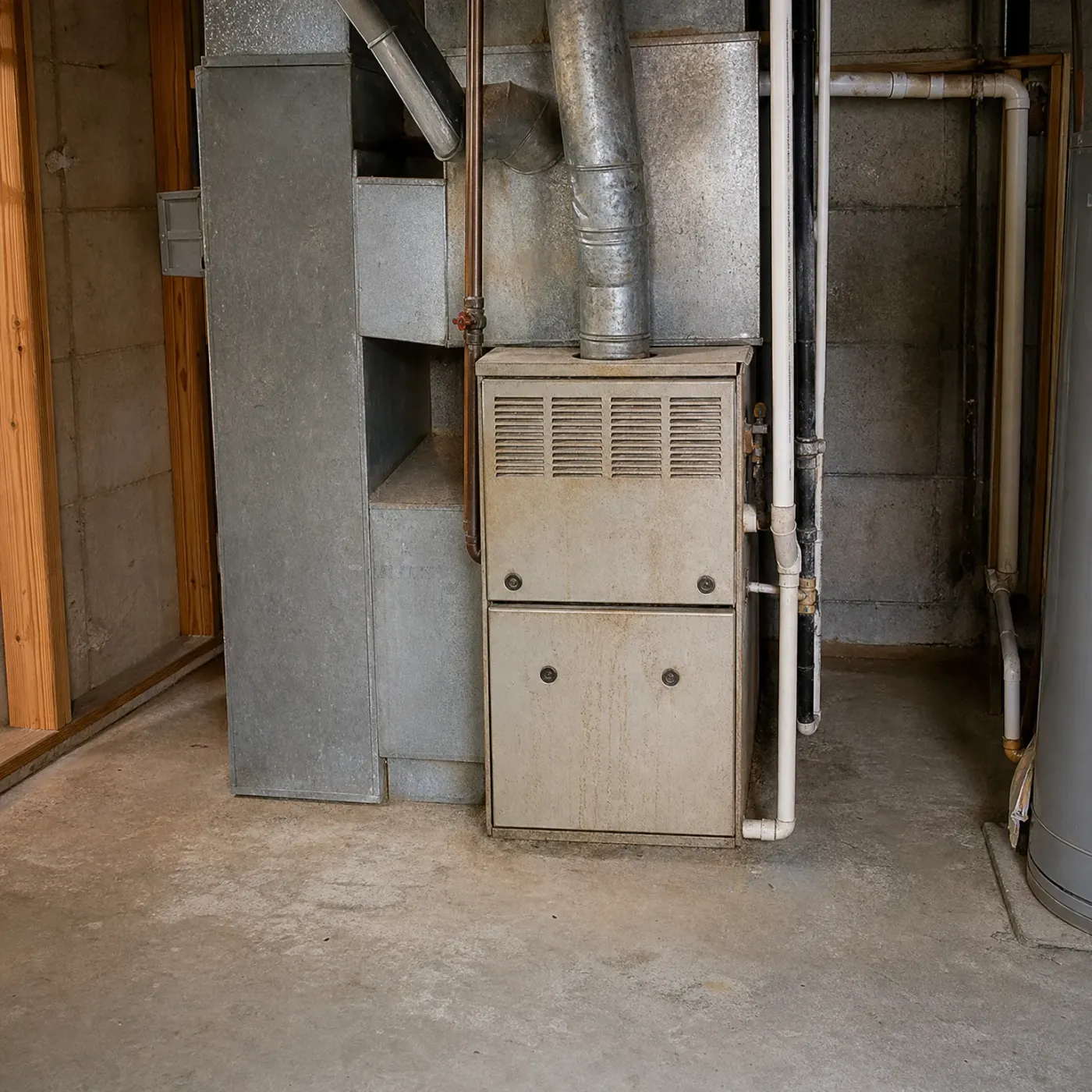
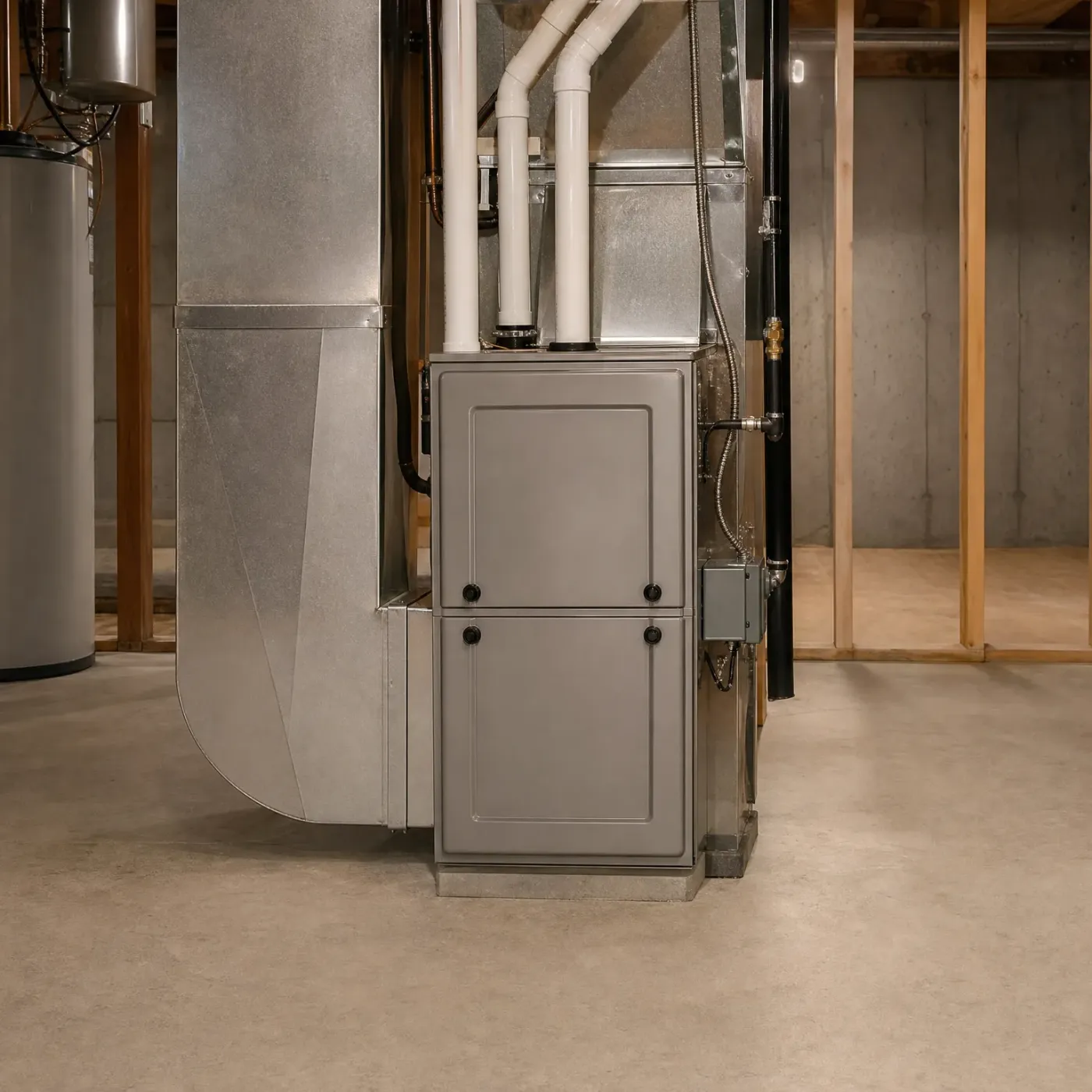
At 20 below freezing most nights, a furnace that's only blowing cold air isn't a minor annoyance, it's a house that starts losing heat fast once the burners quit lighting. A flame sensor or igniter that's barely hanging on tends to give out on nights like these, not the mild ones.
NOAA nClimDiv 1991-2020 county normals weighted by homes


The burners light the same way every cycle, the blower only kicks on once there's real heat behind it, and warm air reaches every room. The flame sensor and igniter are doing their job unnoticed, which is how you want them.
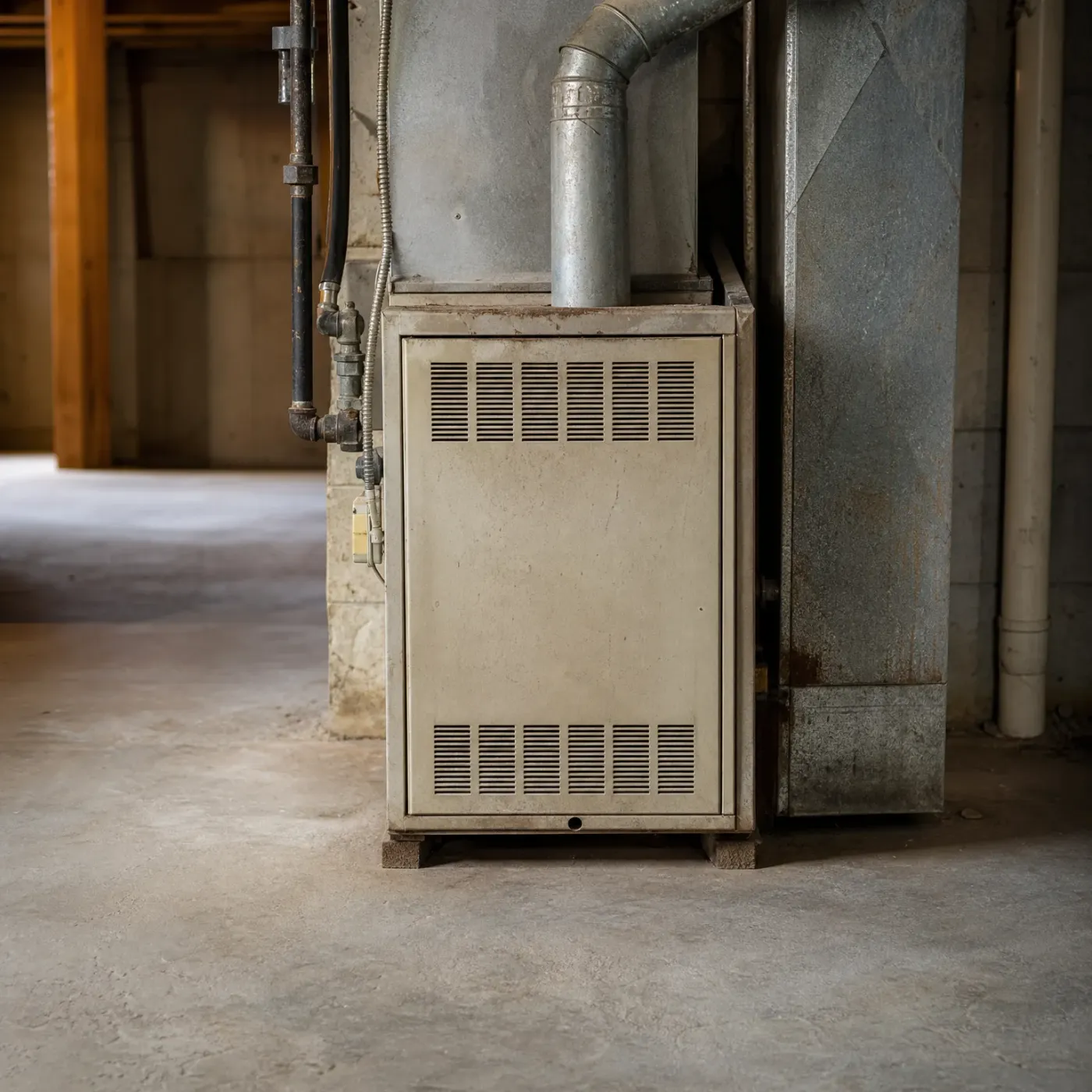
The blower runs but the air at the vent is room temperature or cooler. That usually means the burners tried to light and didn't, or lit and then cut out. On an older unit, worn gas pipe connections and a tired igniter are common culprits.

Cold air from a furnace that's running almost always traces back to the flame sensor or the igniter. One stops the burners from staying lit, the other stops them from lighting at all, and either way the blower keeps moving air that never got heated. That's the answer. What it takes to fix depends on which part failed and how far gone it is, and that's a judgment a licensed tech makes in person, not over the phone.
Finding that tech is the part you can skip. Instead of searching around, calling a few numbers, and walking through the same symptoms with each one, you get matched with a local contractor who works on furnaces all winter and knows what tends to fail when one starts blowing cold. One contractor, not a handful calling you back at once. You explain it once, to the person who's actually coming out.

Skip the calls to every shop