 Start one form
Why your furnace keeps turning on and off in Illinois
One form replaces the calls you'd make to find a furnace pro.
A furnace that short cycles turns on, runs for a few minutes, and shuts off again before it's actually warmed the house. In an Illinois winter, that means it's running more often but doing less with each run, and your gas bill shows it.
A few things cause this. A dirty flame sensor will shut the burner down seconds after ignition. A clogged filter starves the furnace of airflow and trips the high limit switch. A furnace that's too large for the house heats the air fast, satisfies the thermostat, and shuts off before the cycle finishes properly. Each of these points to a different fix, and guessing wrong means paying for a repair that doesn't solve it.
Finding out which one it is means someone looking at the actual unit, not a guess over the phone. That usually starts with searching for furnace repair companies near you, calling a few, describing the same problem three or four times, and then sitting with quotes that don't line up because each contractor saw something different, or nothing at all, before pricing the job.
This page skips that part. You tell it what's happening once, and it goes to a contractor local to Illinois who works on furnaces all winter and has seen what causes this in homes like yours. One contractor, not five calling you back at once. No repeating yourself to a second or third company because the first one wanted more than you expected.
Below is what usually causes short cycling and how a contractor sorts out which one it is in your case. Read through it, and if it sounds like your furnace, the button on this page sends your information to someone licensed to fix it.
A furnace that short cycles is usually reacting to something that's making it think it has already finished heating, or something that's making it shut down before it should. A dirty filter is the most common cause. When airflow is blocked, the furnace overheats inside its own cabinet and a safety switch cuts the burner off early, then it fires back up once things cool down a few minutes later. A furnace sized too large for the house will do the same thing: it heats the air near the thermostat fast, shuts off, and the rest of the rooms never catch up. A flame sensor coated with residue or a cracked heat exchanger can also trip the same shutoff. Whatever the cause, the pattern means your furnace is working against itself, burning gas on startup after startup without holding a steady flame long enough to actually heat your house through an Illinois winter.
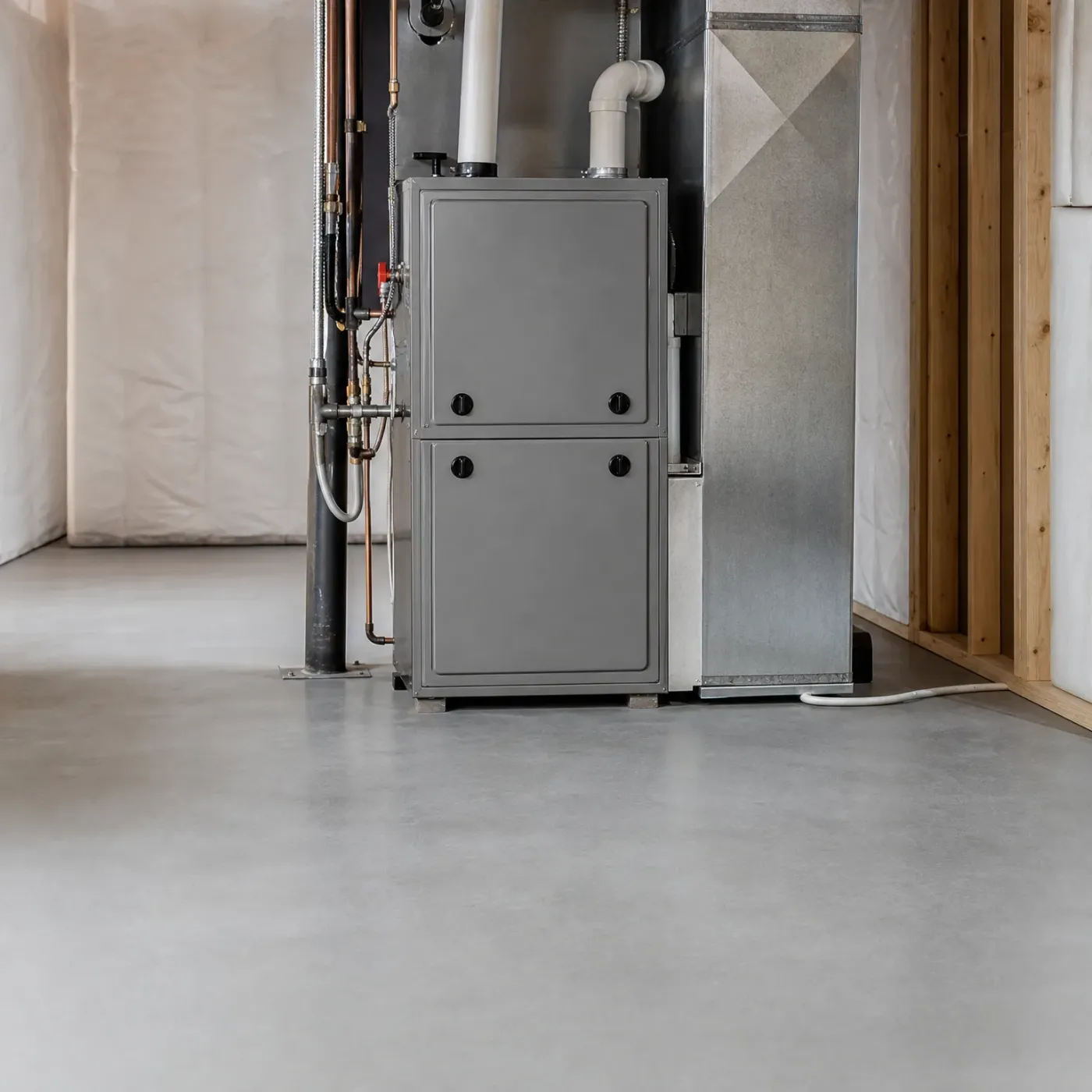
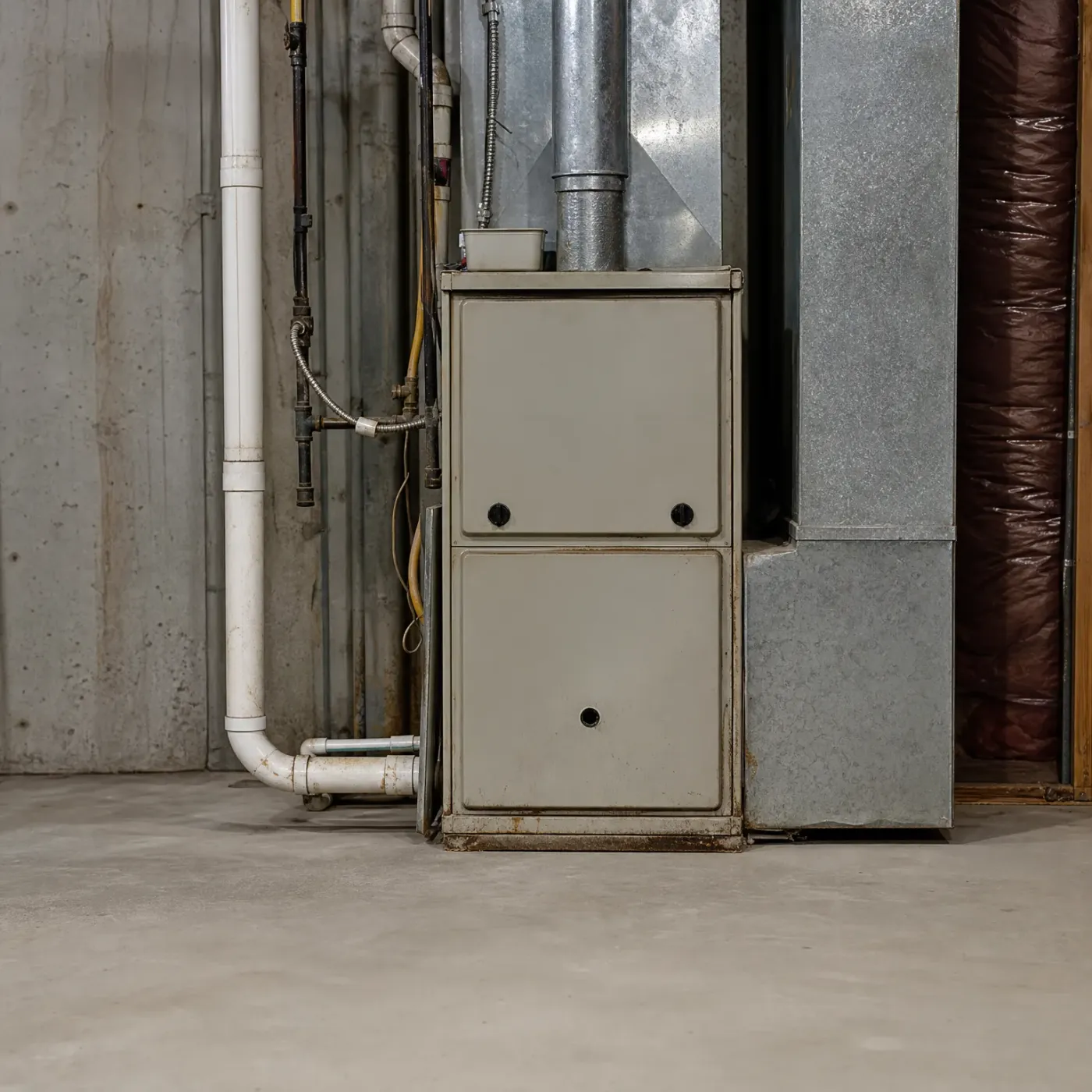
The furnace isn't cycling at random. It's following a sequence, and short cycling means one step in that sequence keeps failing. The flame sensor is a small rod that sits in the burner flame and proves to the control board that ignition happened. A coating of soot or oxidation on that rod can be enough to block the signal, and once the board stops seeing a flame, it cuts the gas valve. That can happen a minute into the cycle, every cycle. The limit switch is a different check, watching the air temperature near the plenum, and it trips if that air runs too hot, often because a dirty filter or closed vents are choking airflow. Before any of that, the inducer motor has to prove it's venting exhaust, and a pressure switch confirms it. If that switch sticks, or the vent pipe is partly blocked, the furnace fires the igniter, fails the proof, and shuts down to try again. Three different parts, three different reasons to stop early, and all three show up as the same thing from the thermostat: on, then off, too soon.
What's Actually Happening Inside
- The flame sensor reads the pilot flame and tells the control board the burner lit, and a coated sensor can't send that signal.
- Without that signal the board assumes no flame and shuts the gas valve, so the furnace stops a minute or two into the cycle.
- A limit switch sits near the plenum and trips if the air coming off the heat exchanger runs hotter than it should.
- That switch is doing its job when it cuts the burner, but a blocked filter or closed vents can make it trip every cycle.
- The inducer motor has to prove it's pulling exhaust before the igniter is allowed to fire, checked through a pressure switch.
- A pressure switch stuck or a vent pipe partly blocked will stop that proof, so the furnace tries, fails, and tries again.


Explain it one time
Your request goes to one pro, not a list of companies.
Describe what your furnace is doing once, in one form.
Asking costs nothing, and the choice to hire stays yours.
Troubleshoot It or Call Someone
Fix It Yourself First
- Pull the filter and hold it up to a light. If you can't see through it, that alone could be causing the short cycles.
- Check the thermostat batteries and make sure nothing is blocking the vents or the return air grille in the room it sits in.
- Walk around and check that supply vents in other rooms are open, since closed vents push air pressure back through the system.
- Reset the furnace by switching it off at the panel for a minute, then back on, which clears some control board faults on its own.
- This works when the cause is simple and current, but it won't fix a cracked heat exchanger, a failing limit switch, or a flame sensor already coated with corrosion.
Have a Contractor Look
- A local contractor who services furnaces all winter has likely seen the same model shut down the same way in another house nearby.
- Opening the cabinet to check the flame sensor, the limit switch, and the heat exchanger needs tools and training most homeowners don't have on hand.
- One call gets one licensed technician out to diagnose it, instead of you explaining the same symptoms to several companies and sorting through different answers.
- If the short cycling is from a cracked heat exchanger, that's a safety issue, not a repair you want to guess your way through.
- A technician who knows what usually fails on furnaces your age can often narrow it down faster than trial and error at home.




75.3% of homes statewide heat with gas
Three out of four Illinois homes run a gas furnace like yours, so the short cycling you're dealing with is a problem contractors here see constantly, not something unusual about your setup. Parts wear the same way across the state's winters, and most repair visits trace back to the same handful of causes.
ACS 2020-2024 5-year B25040
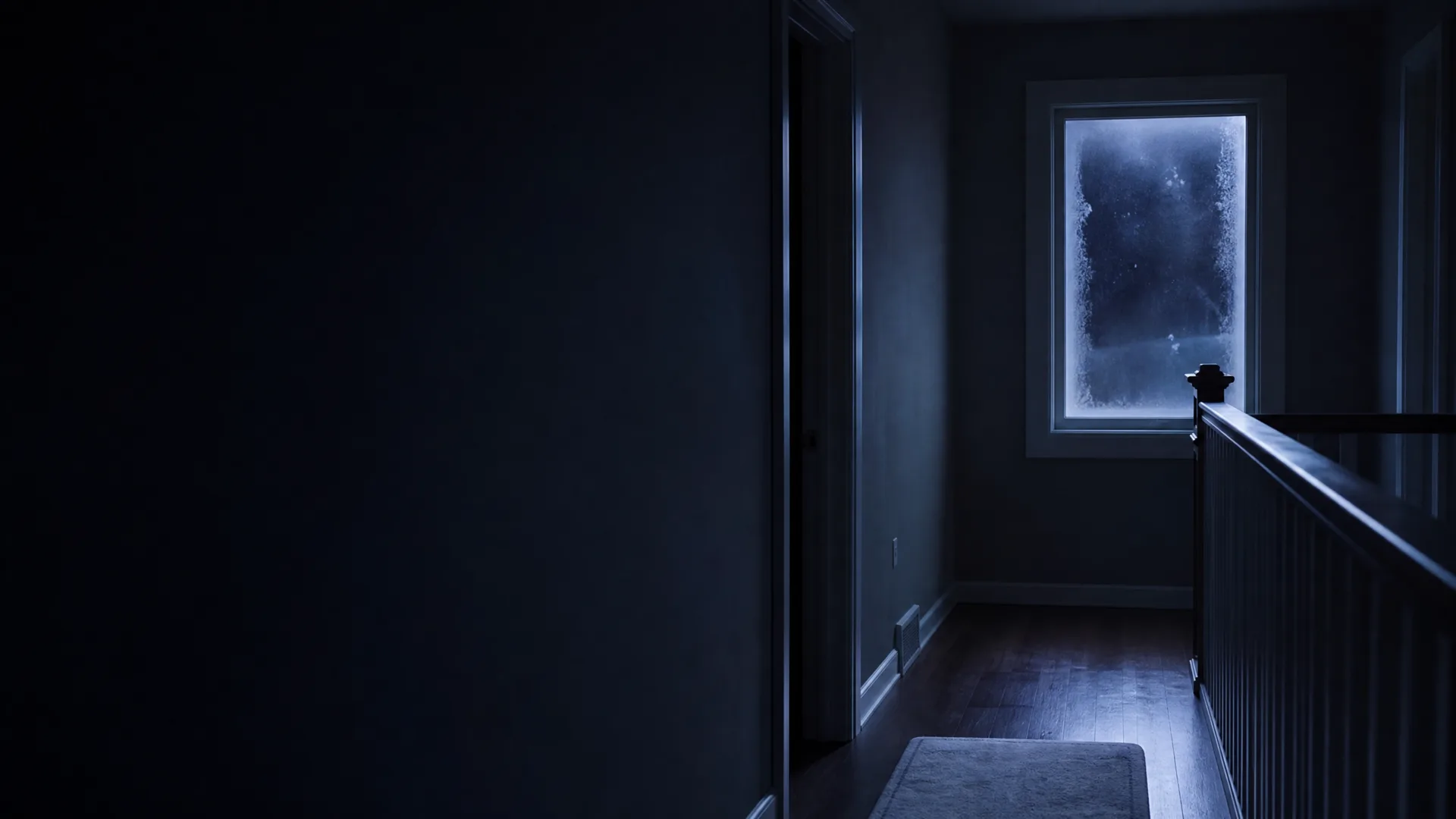
It's 2 a.m. and you're awake for no reason you can name until you notice the quiet. The vents aren't blowing. You go check the hallway upstairs and the floor is cold under your socks. Frost has crept up the edges of the window, and the glass gives off that flat blue light that only shows up at this hour in January. You stand there in the hallway waiting to hear the burner catch, the way it always does, but the house stays silent except for the tick of the pipes cooling down. Somewhere below you the furnace has already shut off again, minutes after it started.

A furnace that short cycles has a reason, and it can be found
Short cycling always comes back to one thing: the filter, the flame sensor, the limit switch, or something else telling the furnace to stop before the house is warm. Once that part is found and fixed, the furnace runs the way it's supposed to, on full cycles that actually heat the rooms instead of short bursts that run up the gas bill without much to show for it.
Finding that part usually means finding a contractor first, which in Illinois can mean a few calls, a few voicemails, and explaining the same symptoms more than once before someone can get out to look at it. A local contractor who works on furnaces like yours all winter has likely already seen whatever is causing yours to cycle short, and you only have to describe it once.


Furnace Repair
Skip the calls to every shop

- Tell a local repair pro what your furnace is doing.
- Describe your furnace job, and a local pro who handles it gets in touch.

- Send the request today and let a furnace pro reach out to you.
- Get the furnace repair search off your mind today.

- Fill out one short form instead of calling around.
- Explain the job once and skip repeating it on every call.

- Only one pro gets your request, so you hear from one company.
- Your request stays with one local pro.