







Why your heat pump bill jumps in an Illinois winter

Step 1 of 3: Equipment

Why does my heat pump bill jump in winter here in Illinois?

Your heat pump bill climbs once the cold settles in, and it's enough to make you wonder if something's wrong with the unit. Most homes around you heat with gas, so there's no neighbor's bill to compare it to. Power in Illinois isn't cheap either, which makes the jump feel bigger than it probably should. Before you call anyone out, it helps to know what's normal for this equipment in this kind of winter and what isn't.

Your heat pump switches to backup heat strips when it gets cold, and those use a lot more electricity

A heat pump moves heat from the outside air into your house. That works fine down to a point, but once temperatures drop into the 20s and lower, which happens for stretches most Illinois winters, the outdoor unit can't pull enough heat to keep up. At that point the system leans on electric resistance strips built into the air handler to make up the difference. Those strips run on straight electricity, with none of the efficiency a heat pump normally has, and that's what drives the bill up. A bill that climbs on the coldest weeks is expected. A bill that stays high even on mild days, or a system that feels like it's running on backup heat constantly, points to something not working right, like a stuck defrost cycle or a thermostat calling for heat strips too soon.

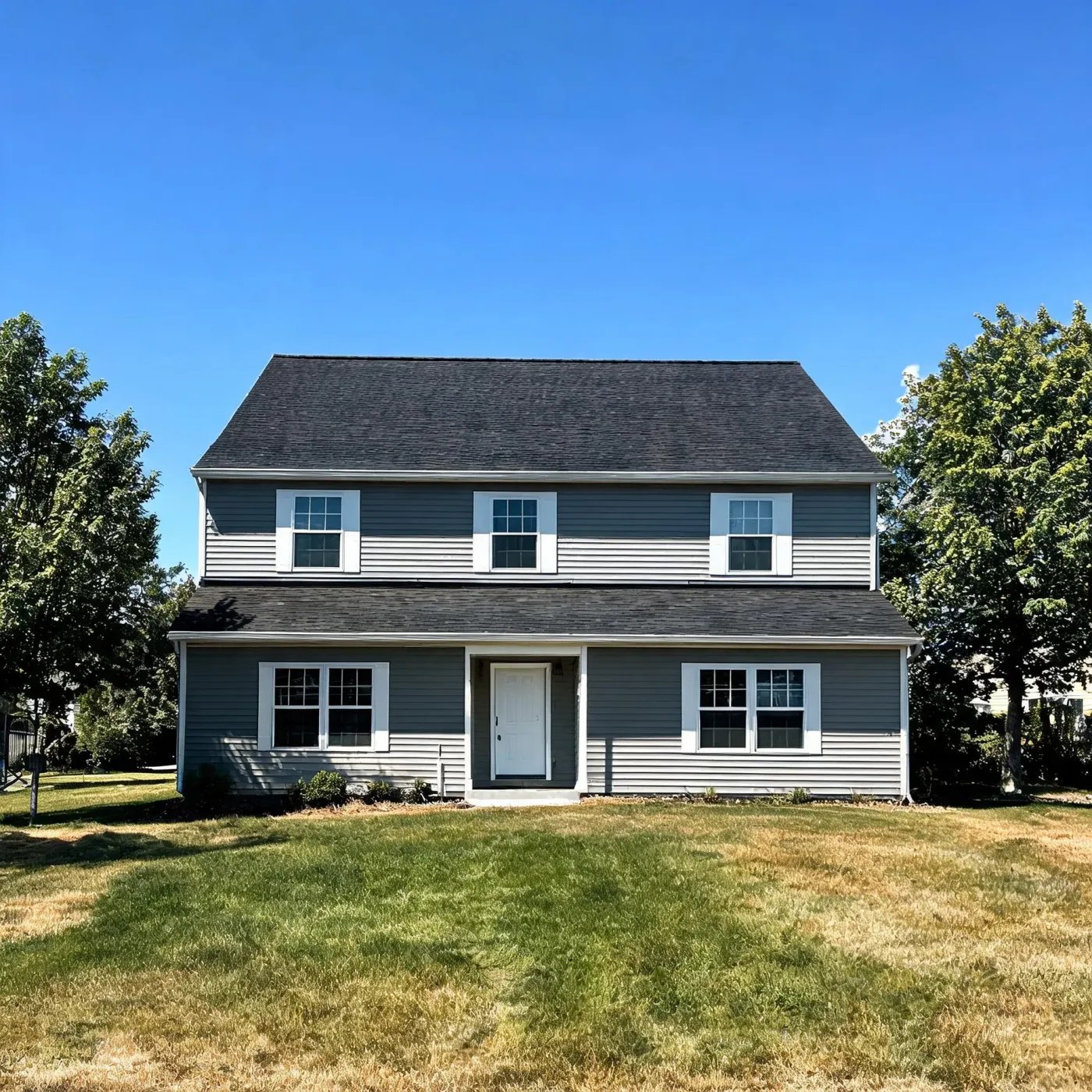
A two-story house with gray and light gray siding, white-trimmed windows and a white front door, flanked by deciduous trees, with a partly browned lawn in front under a clear blue sky.

That same heat pump earns its keep in July, when the dew point here averages 63°F, according to NOAA climate data. Air that heavy makes a heat pump work through two jobs at once, pulling moisture out as well as cooling the house, and it will run longer stretches to do both. That's normal and it's a big part of why the unit wears the way it does. A heat pump that spent all summer fighting that humidity goes into winter already worked, and anything that was straining quietly in July, a weak capacitor, a coil that never got fully clean, tends to show itself once the system has to run hard for heat instead.

NASA POWER T2MDEW county cells weighted by homes

Normal Cost or a Sign of Trouble

Normal Winter Bill

  • Your heat pump switches to electric backup heat when the outdoor temperature drops low enough, and that backup draws far more power than the compressor alone.
  • On a cold Illinois morning the unit may run almost constantly for an hour or two to recover a few degrees, and that shows up as steady electric use all day.
  • Defrost cycles kick in during damp, near-freezing weather to clear ice off the outdoor coil, and each one briefly runs the backup heat strip to keep warm air moving.
  • A bill that rises and falls with the week's temperature swings, higher on the coldest days and lower when it warms up, points to the system working as it should.
  • Electric rates in Illinois run high, so even a heat pump working correctly costs more to run here than the same unit would in a place with cheaper power.

Something's Wrong

  • A bill that stays high even on milder days, when the backup heat shouldn't be needed much, suggests the unit is leaning on backup heat more than the weather calls for.
  • A thermostat that won't hold its set temperature, or a house that feels cool even with the system running, often means the heat pump itself isn't keeping up.
  • Ice building up on the outdoor unit that doesn't clear during a defrost cycle can force the system into backup heat far longer than it needs to be.
  • A refrigerant leak or a failing component can quietly push a heat pump into backup heat for hours it shouldn't need, and that's where the bill jumps hardest.
  • A licensed technician who works on heat pumps through Illinois winters can tell from a service call whether the system is running as designed or struggling to keep up.
A gray-haired man in a dark long-sleeve shirt sits on a gray sofa in a living room, looking toward a sunlit window with sheer curtains.
A gray-haired man in a dark green sweatshirt sits on a sofa in a living room, looking toward a bright window, with a houseplant, lamp, fireplace and framed art behind him.
A gray-haired bearded man in a dark green collared sweater sits on a sofa in a living room with a window, houseplant, floor lamp and bookshelves, looking off to the side.
A gray-haired man in a dark green sweater sits on a sofa in a sunlit living room, looking off to the side, with a framed landscape painting, dining table and shelving behind him.
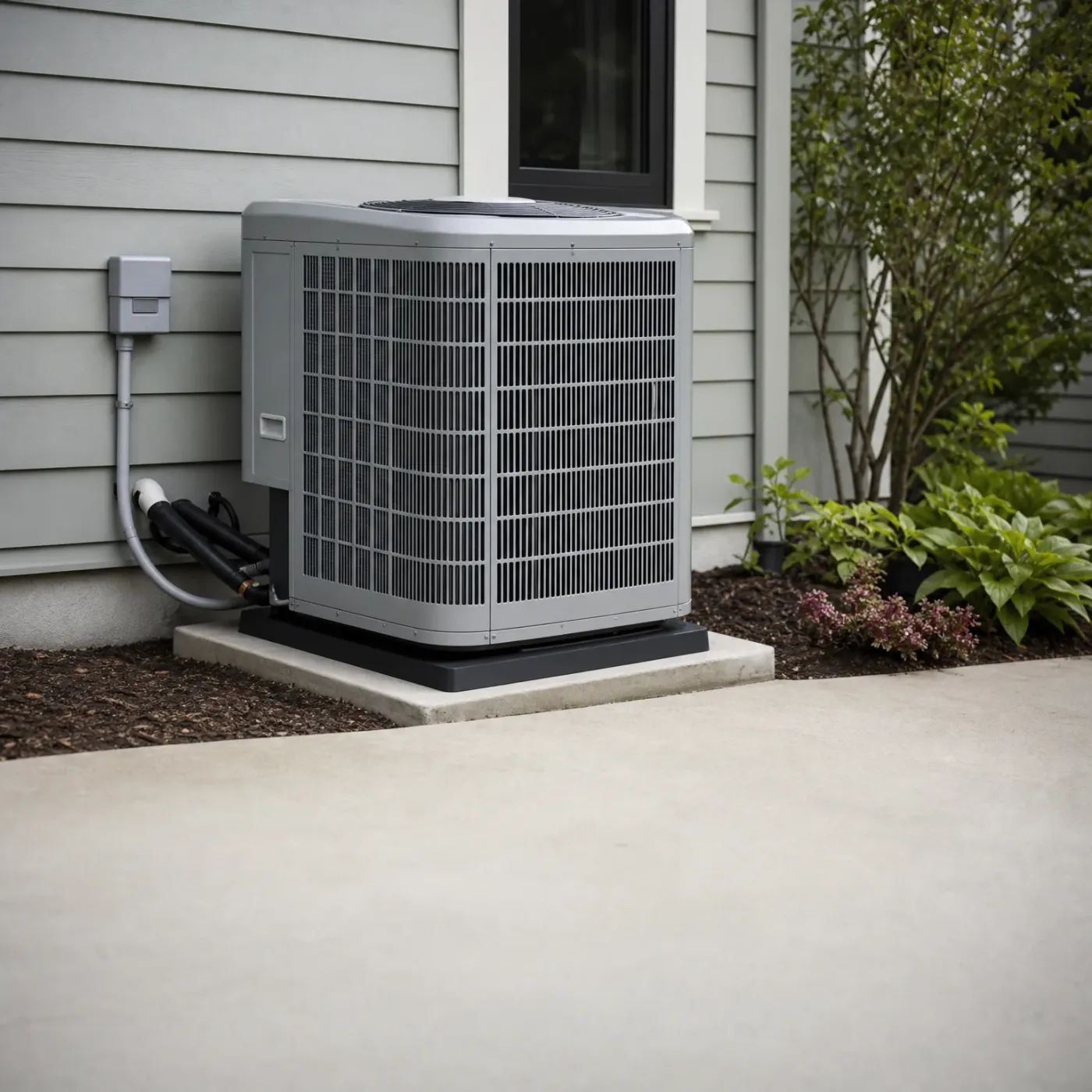
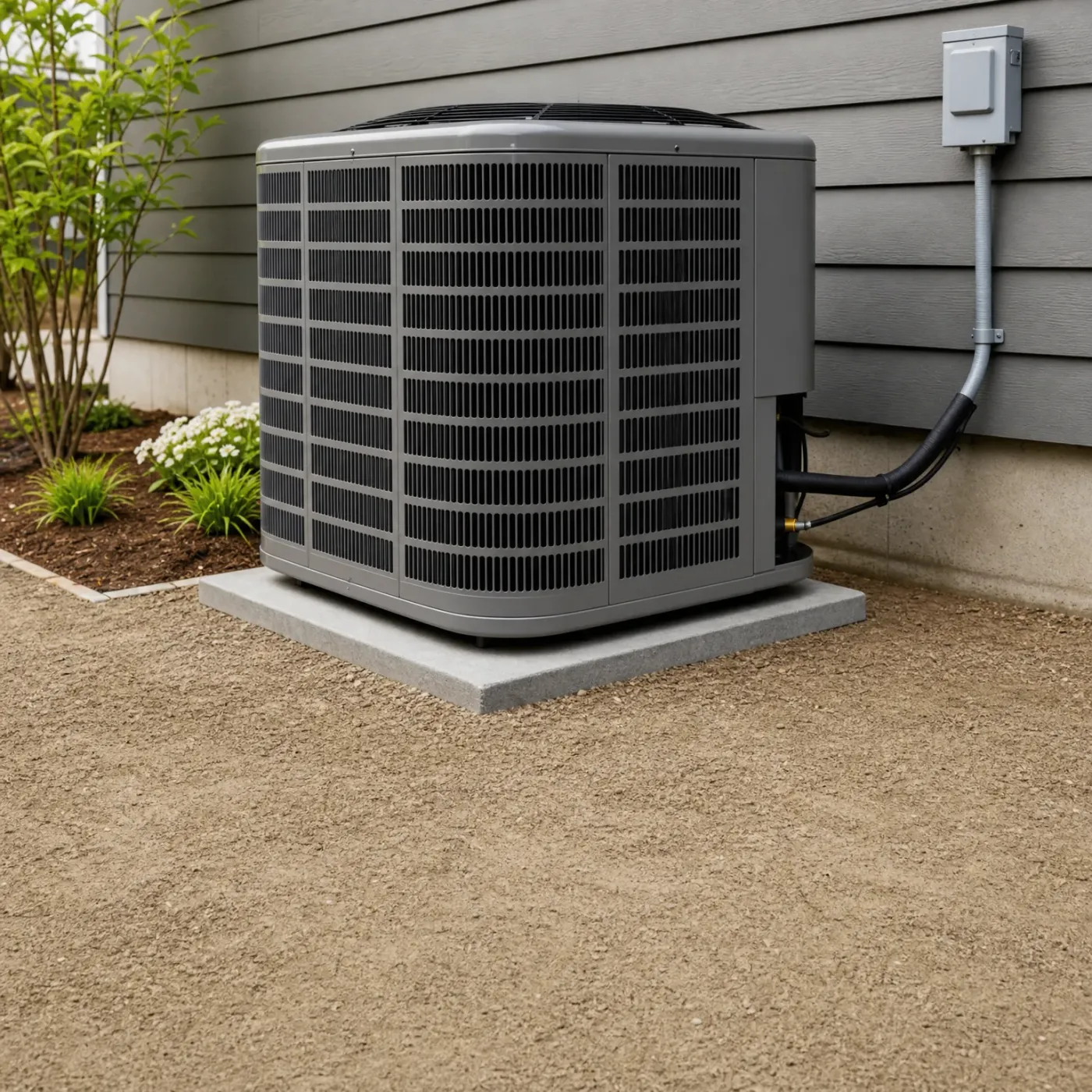
A gray outdoor condenser unit on a concrete pad beside a light-colored lap-sided house, with a wall-mounted disconnect box, refrigerant lines, mulch bed and shrubs, and a concrete walkway in the foreground.
A heat pump keeping up on its own, running steady without leaning on backup heat.
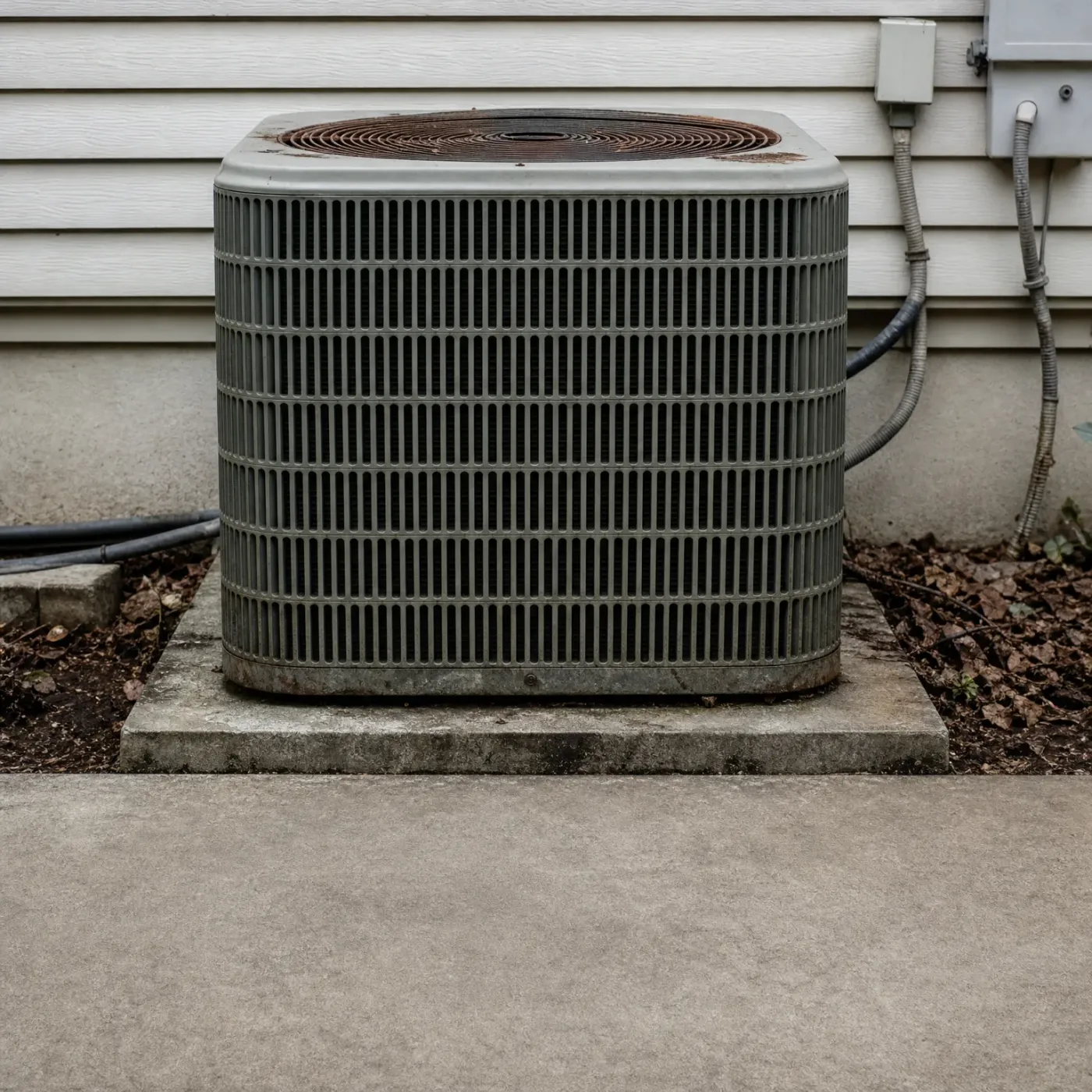
An outdoor air conditioner condenser unit with rust spots on its top grille sits on a concrete pad beside a house with light horizontal siding, with conduit lines and an electrical box on the wall and a mulch bed to the right.
Rust on the grille and dirt packed around the base, signs a struggling unit burns through backup heat faster.

Is your heat pump stuck on backup heat right now?

Go look at the outdoor unit. If the fan is running nonstop and the air coming from your vents feels warm but not hot, it's likely leaning on backup heat to keep up. You might also notice the thermostat never quite satisfies, cycling on again a few minutes after it shuts off, or a burning dust smell the first time backup heat kicks on for the season. None of that means the unit is broken. But if it's leaning on backup heat more than it should, on a system that's losing capacity or low on refrigerant, you'll pay for it every day the cold holds on, not just once.

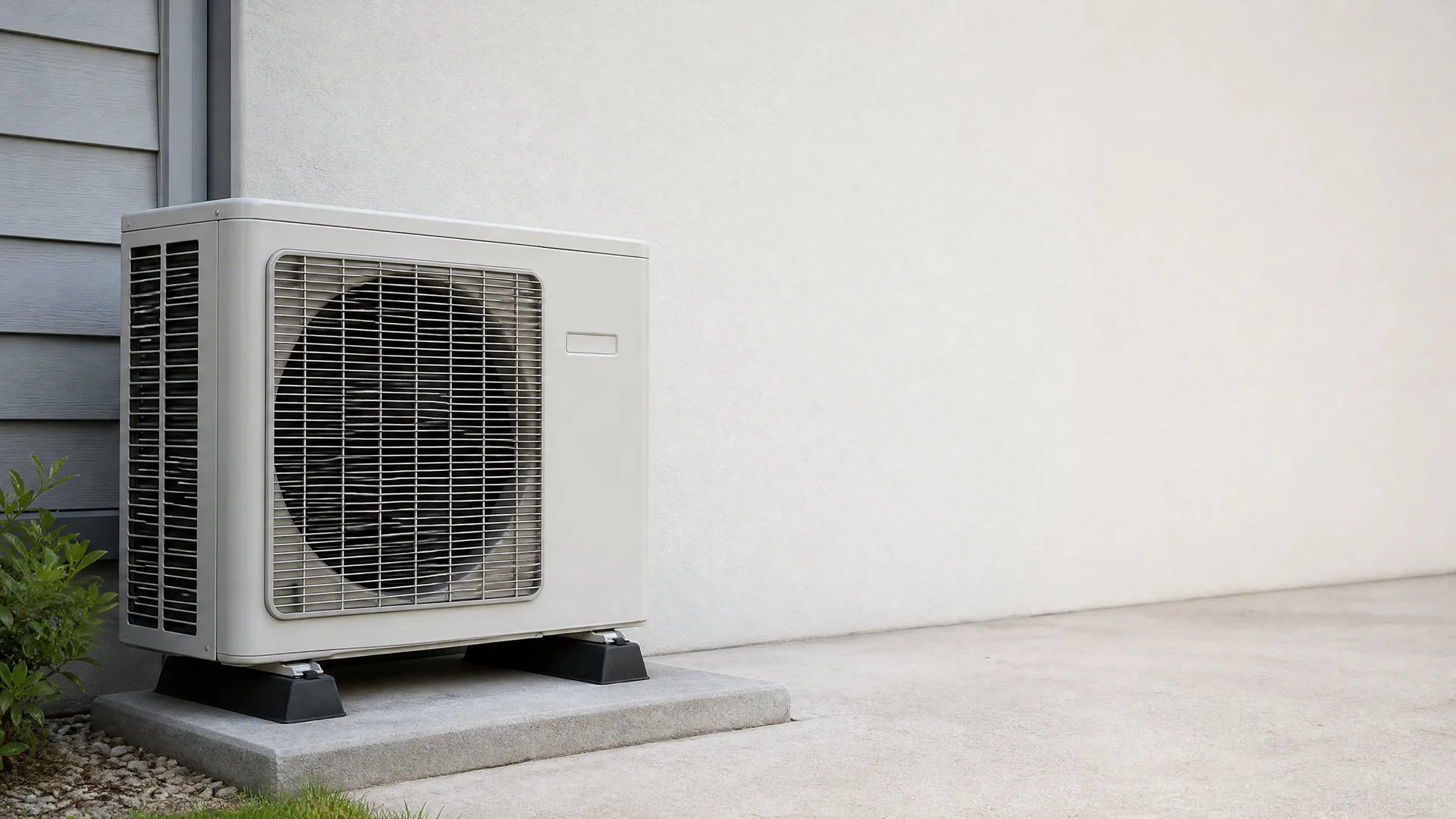
A white outdoor heat pump unit on rubber feet atop a concrete pad beside a light stucco wall, with gray siding and a small shrub at the left edge.

The defrost cycle runs on power

When frost builds up on the outdoor coil, the unit reverses itself for a few minutes to melt it off, and during that time it often kicks on the electric backup heat so cold air doesn't blow through your vents. On a damp, near-freezing day this can happen several times an hour. Each cycle draws power beyond what the compressor alone would use, and it adds up over a long stretch of January weather.

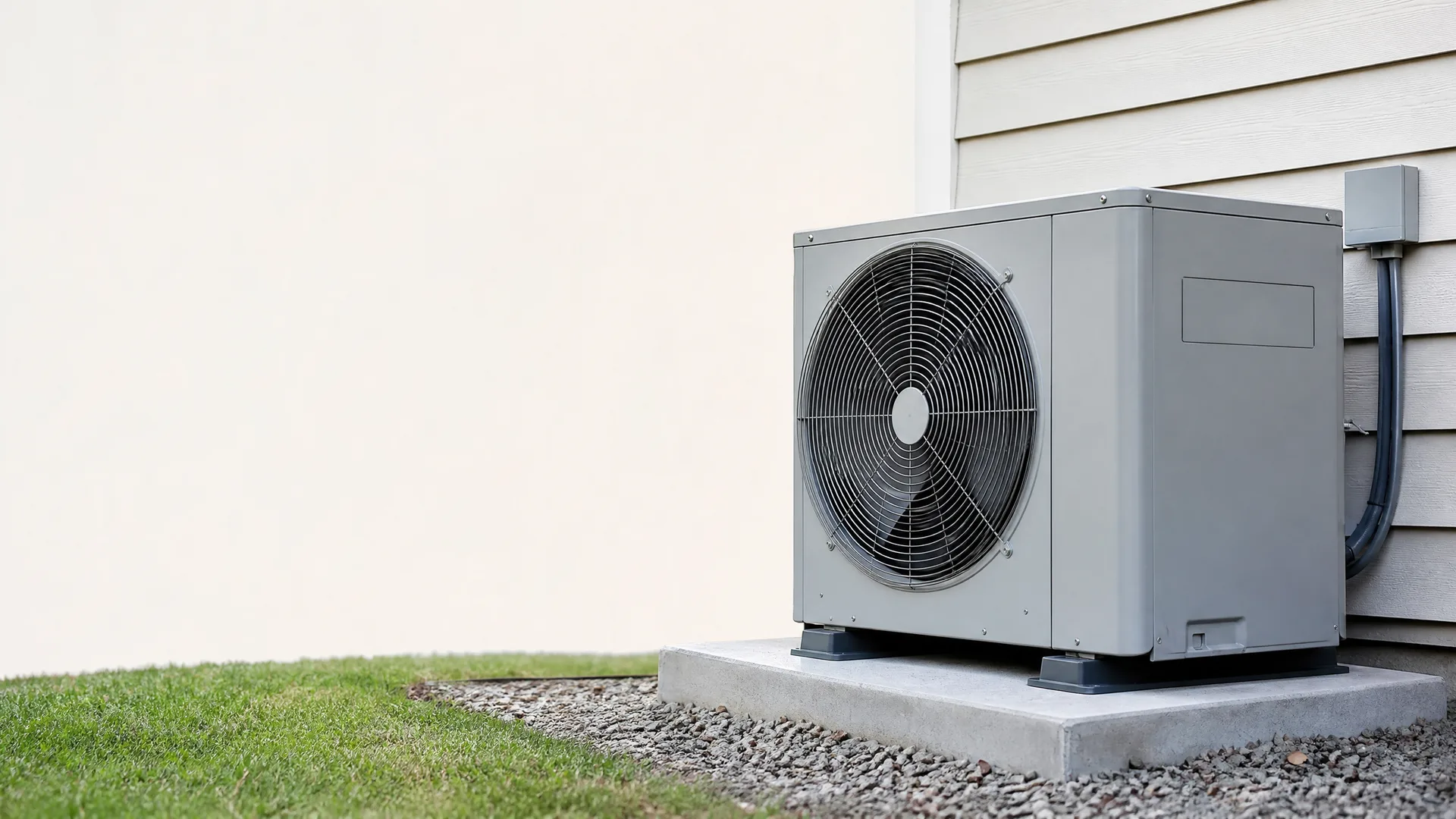
A gray outdoor heat pump unit with a large circular fan grille sits on a concrete pad beside a house with horizontal siding, surrounded by gravel and grass, with a conduit and junction box on the wall.

A thermostat that won't catch up

If your thermostat is set back overnight and then raised a few degrees in the morning, a heat pump can struggle to close that gap on a cold day. Instead of a quick burst of heat, the system may switch to backup heat to recover the temperature faster, drawing far more power than it would holding steady. Keeping the setting level through the day often asks less of the unit than swinging it back and forth.

Power costs 17.67 cents per kilowatt-hour statewide

At that rate, every hour your backup heat runs instead of the compressor alone shows up fast on the bill. It's why the same cold snap that barely touches a gas furnace next door can push your heat pump's number up hard.

EIA-861 2025 statewide residential average

A middle-aged woman with shoulder-length dark hair, wearing a gray cardigan over a cream top, sits in an upholstered armchair and looks toward a sunlit window, with a shelf holding framed pictures and a plant behind her.
A woman with dark hair in a bun sits wrapped in a chunky knit blanket on a couch with a child resting his head on her shoulder, eyes closed, beside a lit lamp and bookshelf indoors.

Let someone else find the pro

Your request stays with one local pro.

No fee to send it, and nothing to sign.

How a heat pump actually heats

  • The reversing valve switches the refrigerant flow so the same unit can heat or cool the house.
  • A thermostatic expansion valve meters refrigerant into the outdoor coil so it can pull heat out of cold air.
  • Below a certain outdoor temperature, the compressor alone can't move enough heat, so the system calls for backup heat strips.
  • The defrost cycle runs off a timer and a sensor on the outdoor coil, not off how cold it actually is outside.
  • Backup heat strips draw power directly, with no compressor cycle to spread that draw out over time.
  • A technician checks refrigerant charge and the reversing valve first, since either one running weak forces backup heat to cover the gap.

A heat pump doesn't make heat the way a furnace does. It moves heat from outside air into the house, using the same refrigerant loop an air conditioner uses, just run backward. The reversing valve is what flips that direction. In summer it sends refrigerant one way to pull heat out of the house. In winter it sends it the other way to pull heat out of the outdoor air, even when that air is cold, and push it inside. The expansion valve controls how much refrigerant reaches the outdoor coil at a time, which determines how much heat the coil can grab from the air passing over it.

That works well down to a point. Once the outdoor temperature drops far enough, there isn't enough heat left in the air for the compressor to pull out fast enough to keep the house warm, so the system turns on backup heat strips to make up the difference. Those strips are straight electric resistance heat, the same principle as a toaster, and they draw power the whole time they run.

The outdoor coil also frosts up in cold, damp weather. The system clears that frost on a schedule set by a timer and a coil sensor, not by how cold it is outside, and backup heat often covers the house during that cycle so cold air doesn't blow through the vents. A technician checking a high bill starts with the refrigerant charge and the reversing valve, since a problem with either one leans the whole system on backup heat to compensate.

An outdoor air conditioner condenser unit on a concrete pad beside a house with horizontal siding, with conduit, cables and an electrical box on the wall and mulch beds at either side.
Before you get your heat pump repair
A light gray outdoor heat pump unit mounted on a concrete pad beside a house with horizontal lap siding, with refrigerant lines and conduit running to a wall-mounted electrical box, gravel and a leafy shrub nearby.
After you get your heat pump repair
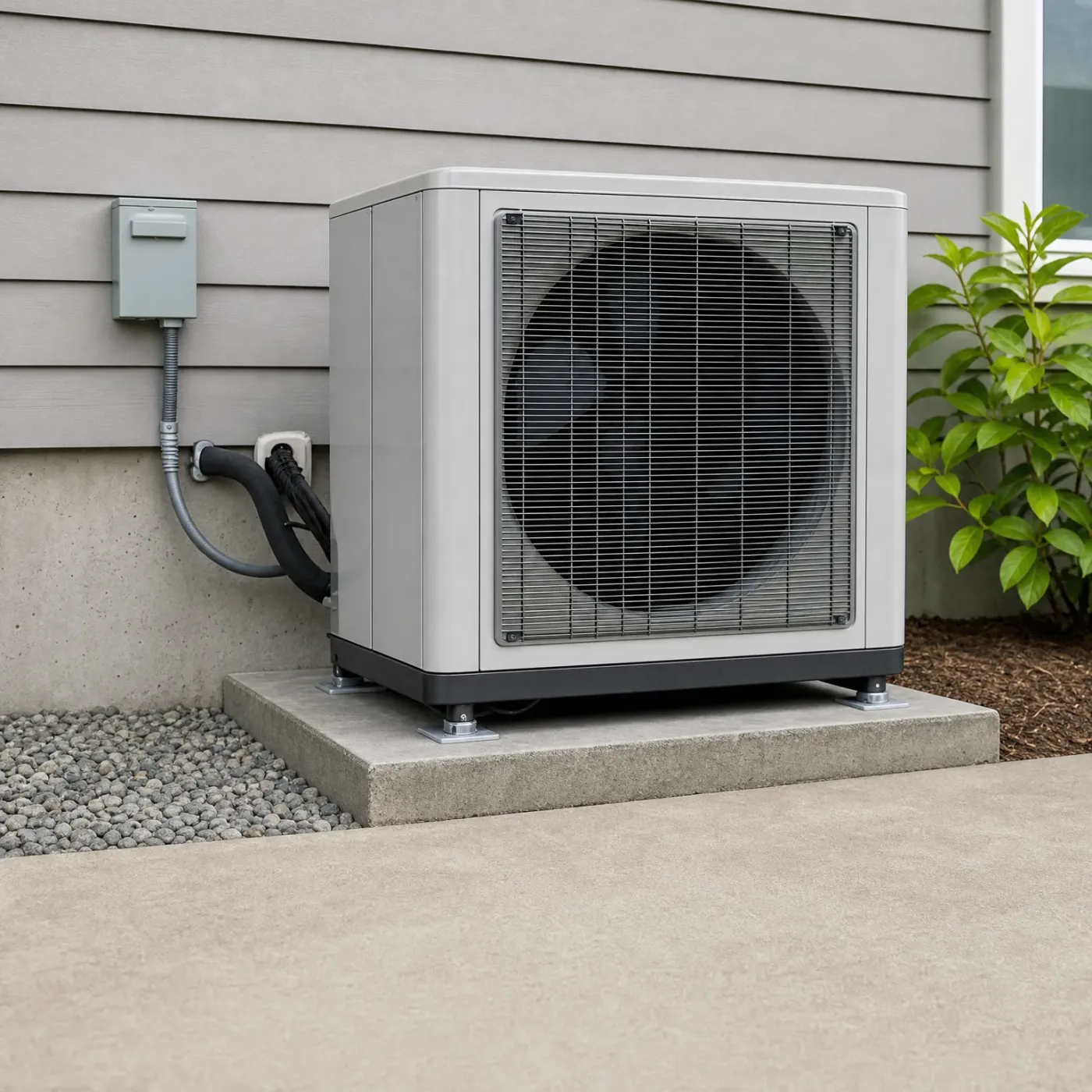
A gray outdoor condenser unit on a concrete pad beside a house with horizontal lap siding, with an electrical disconnect box and insulated refrigerant lines on the wall, gravel in the foreground and a planting bed at left.

Running clean

The outdoor unit sits clear and the fins stay open, so air moves through it the way it's built to. The compressor can pull its weight most of the winter without handing the job to backup heat. That keeps your bill tied to what the compressor costs to run, not the backup.
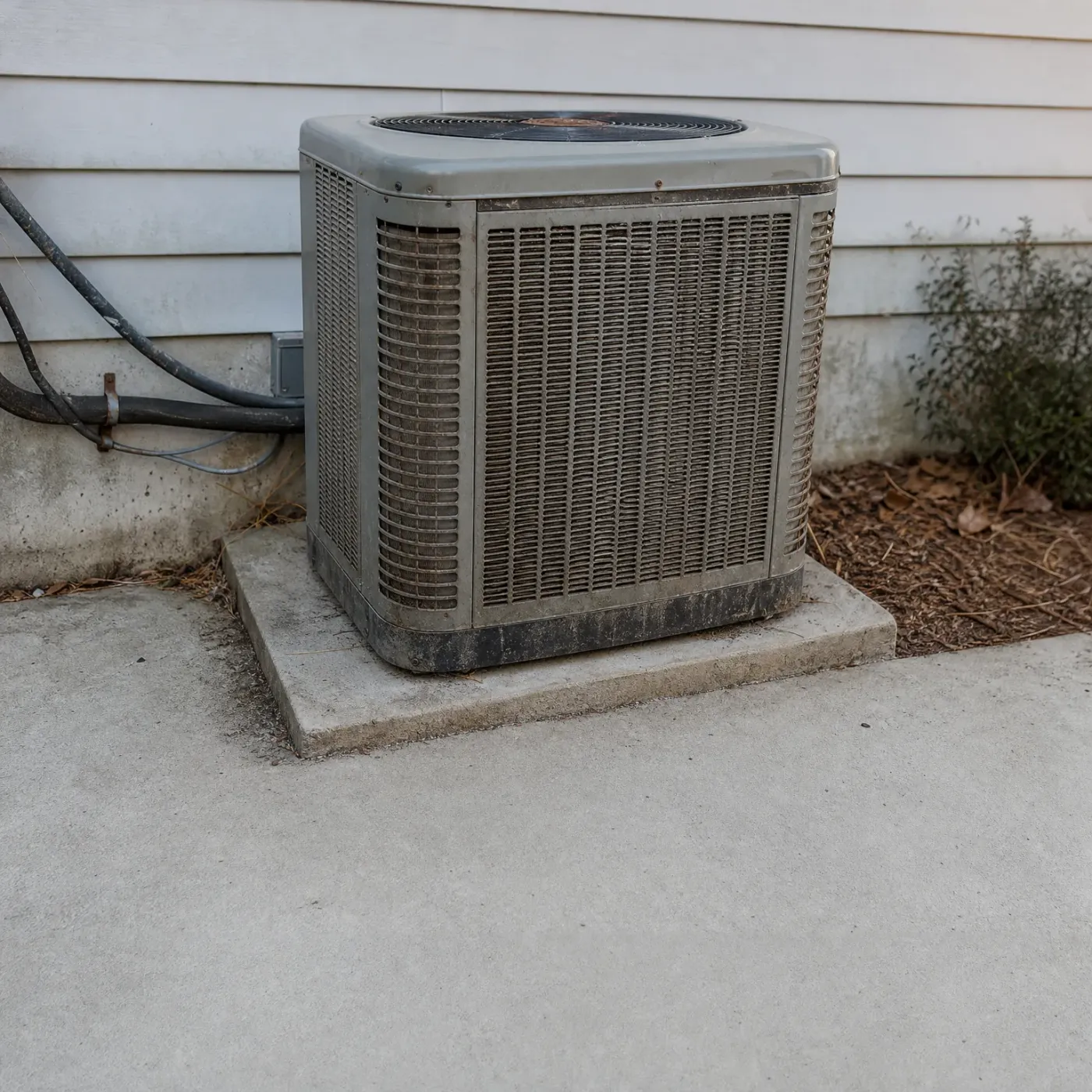

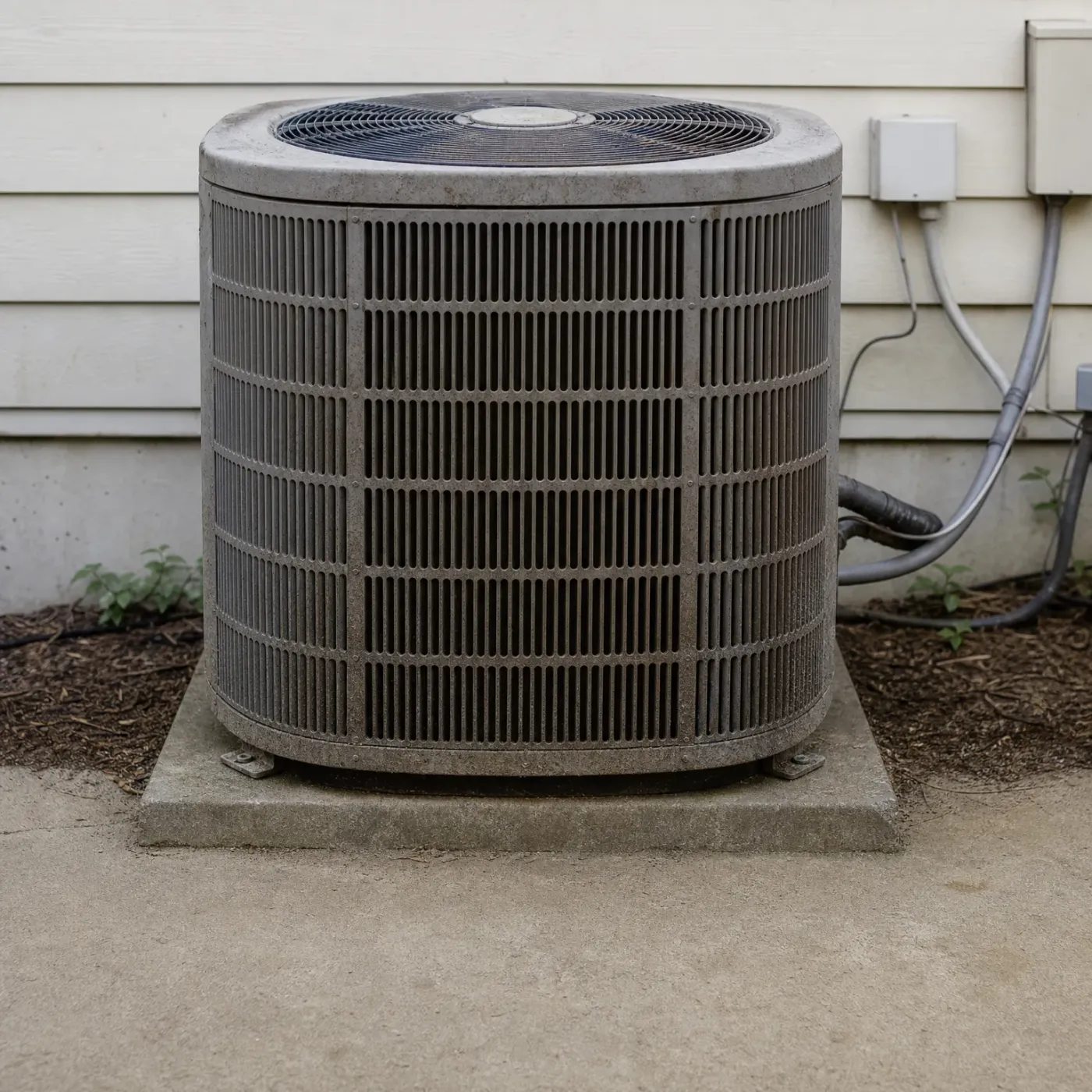
A weathered gray outdoor condenser unit sits on a concrete pad beside a house with horizontal siding, with refrigerant lines entering the wall at left and a mulched shrub bed at right.

Caked and struggling

Dirt packed into the fins and grime across the base block the airflow the unit needs to pull heat from cold air. It leans on backup heat sooner and more often just to keep the house warm. A technician can tell from the buildup alone that this unit's been working harder than it should for a while.

The jump in your bill comes down to how much your heat pump leans on backup heat instead of the compressor, and that depends on whether the unit is running the way it's supposed to. A frozen coil, a low charge, a defrost cycle that won't stop cycling, any of these push the system onto backup heat faster and keep it there longer. A technician who works on heat pumps in Illinois winters all season knows which of these tends to show up first and what to check before touching the backup heat strips. Getting matched with one licensed contractor who knows the equipment means someone looks at your unit specifically, not a general number pulled from an average house, and you're not fielding calls from three different companies while you wait. Your bill should track the weather, not a problem sitting in the outdoor unit. Once that's fixed, the swings in your bill should settle back into something that matches what's actually happening outside.

Close view of a dark standing-seam metal roof with a stone chimney and metal flue cap, overlooking a wide river, trees, and flat farmland under a partly cloudy sky.

One request and it's handed off

Find a licensed heat pump pro

Sending the form costs nothing.

A technician who services heat pumps all winter can usually tell from the outdoor unit and your thermostat settings whether backup heat is running more than it should. Sending the request puts that answer in front of someone local who sees this same problem on cold Illinois mornings, instead of leaving you to guess at what's driving the bill.