
Why your heat pump blows cold air in an Illinois winter

Step 1 of 3: Equipment

Why is my heat pump blowing cold air in winter?

Cold air coming out of the vents when it's freezing outside feels like something is badly wrong, especially with gas furnaces doing most of the heating lift around Illinois homes. You turn the heat pump up and the air at the register still feels cool, not warm, and you're left wondering if it's broken or if it's just doing something you don't understand.

It's probably running a normal defrost cycle, not broken

A heat pump moves heat from the outside air into your house, and in an Illinois winter that outside air is often near or below freezing. Frost builds up on the outdoor unit's coil, and every so often the system reverses itself for a few minutes to melt that frost off. During that time it's pulling heat from inside your home to warm the outdoor coil, so the air at your vents turns cool. That's expected. What's not expected is cold air running for long stretches, or air that feels cold rather than just cool. That points to a low refrigerant charge, a stuck reversing valve, or the backup heat not kicking in when it should.

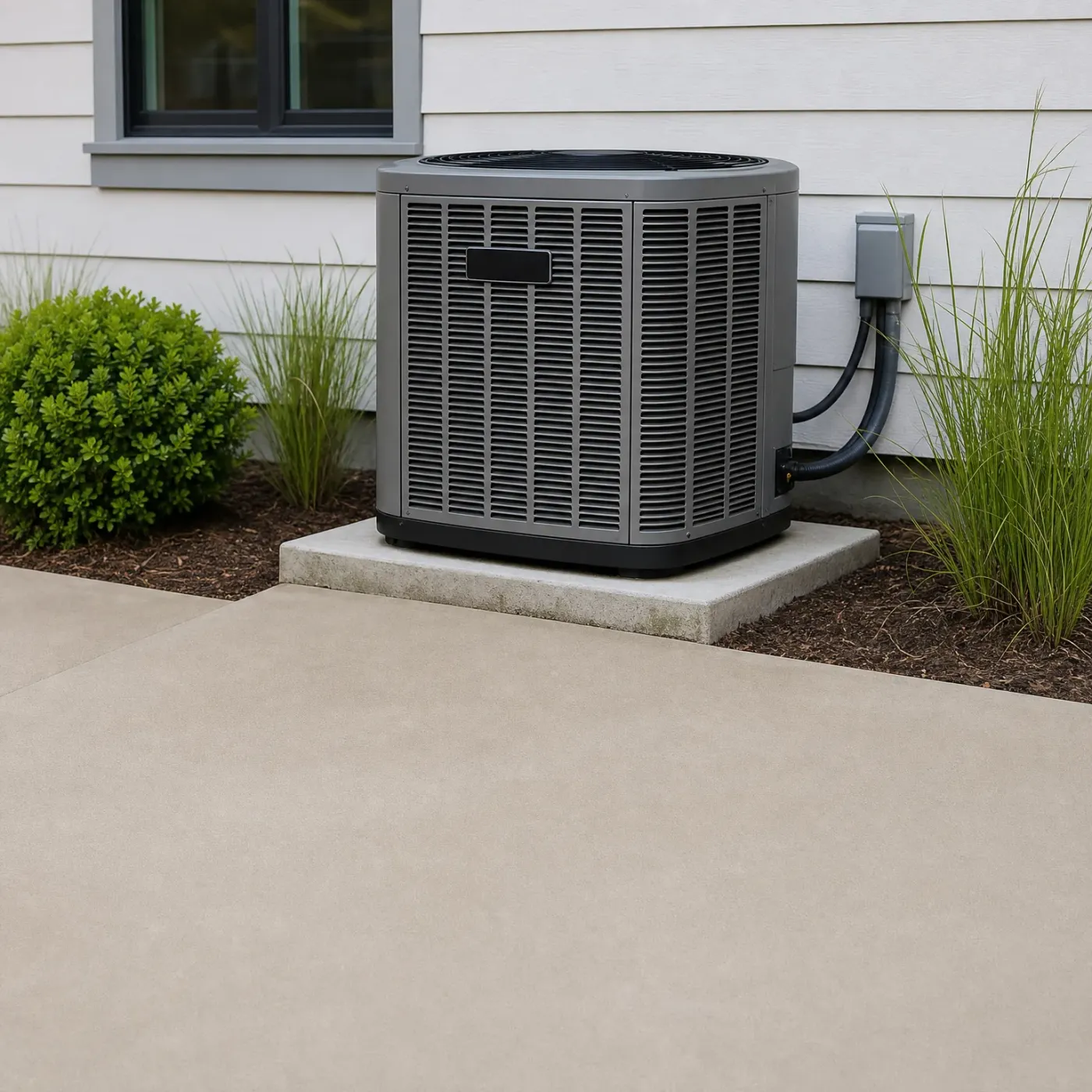
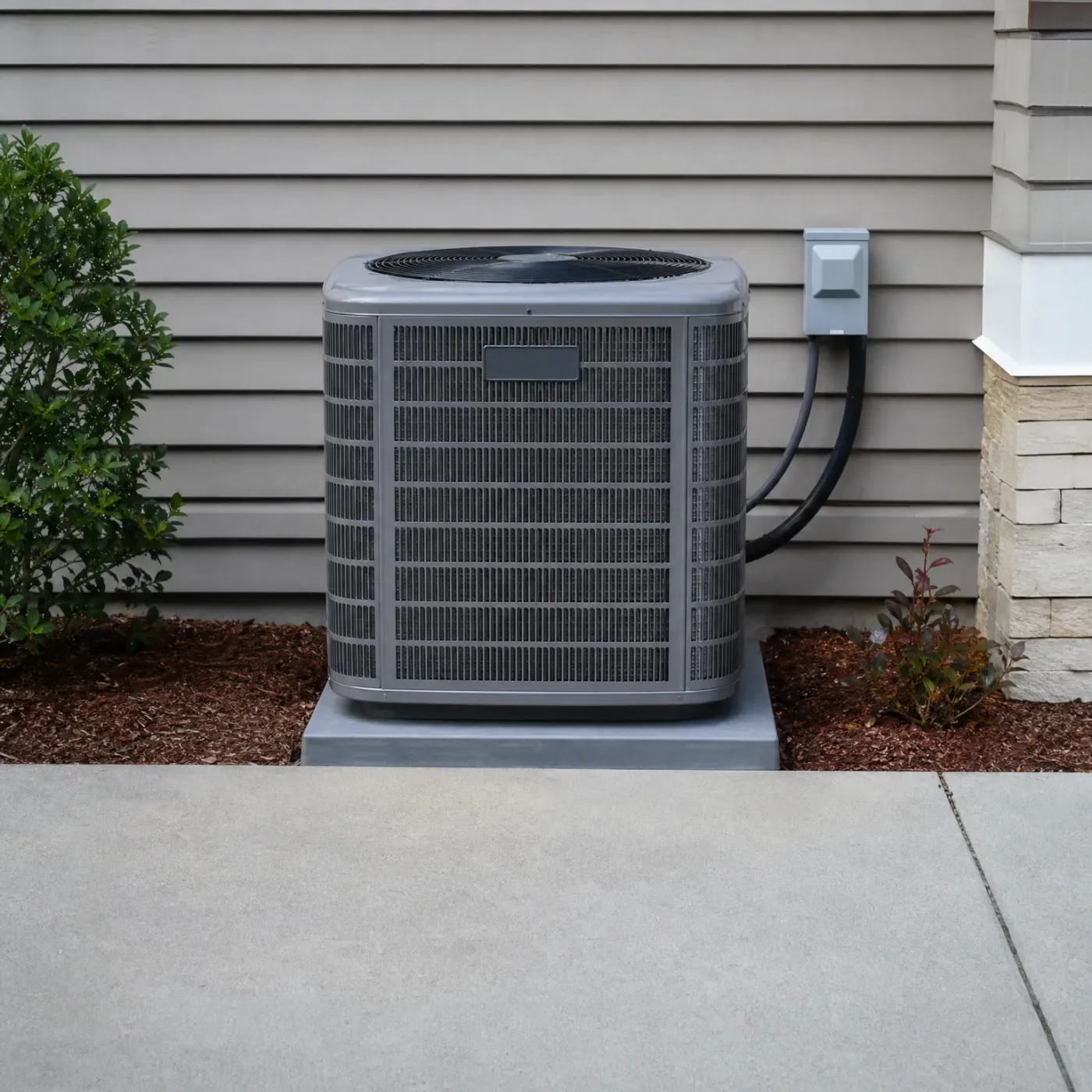
A gray outdoor condenser unit sits on a concrete pad beside a house with horizontal lap siding, with a wall-mounted disconnect box and refrigerant lines, mulched beds and a shrub nearby, and a concrete walkway in the foreground.

Normal operation

A heat pump in heating mode still delivers air that feels cool next to your skin, often in the 85 to 95 degree range, because that's cooler than your body even though it's warmer than the room. If the house is slowly warming up, the unit outside is doing its job.
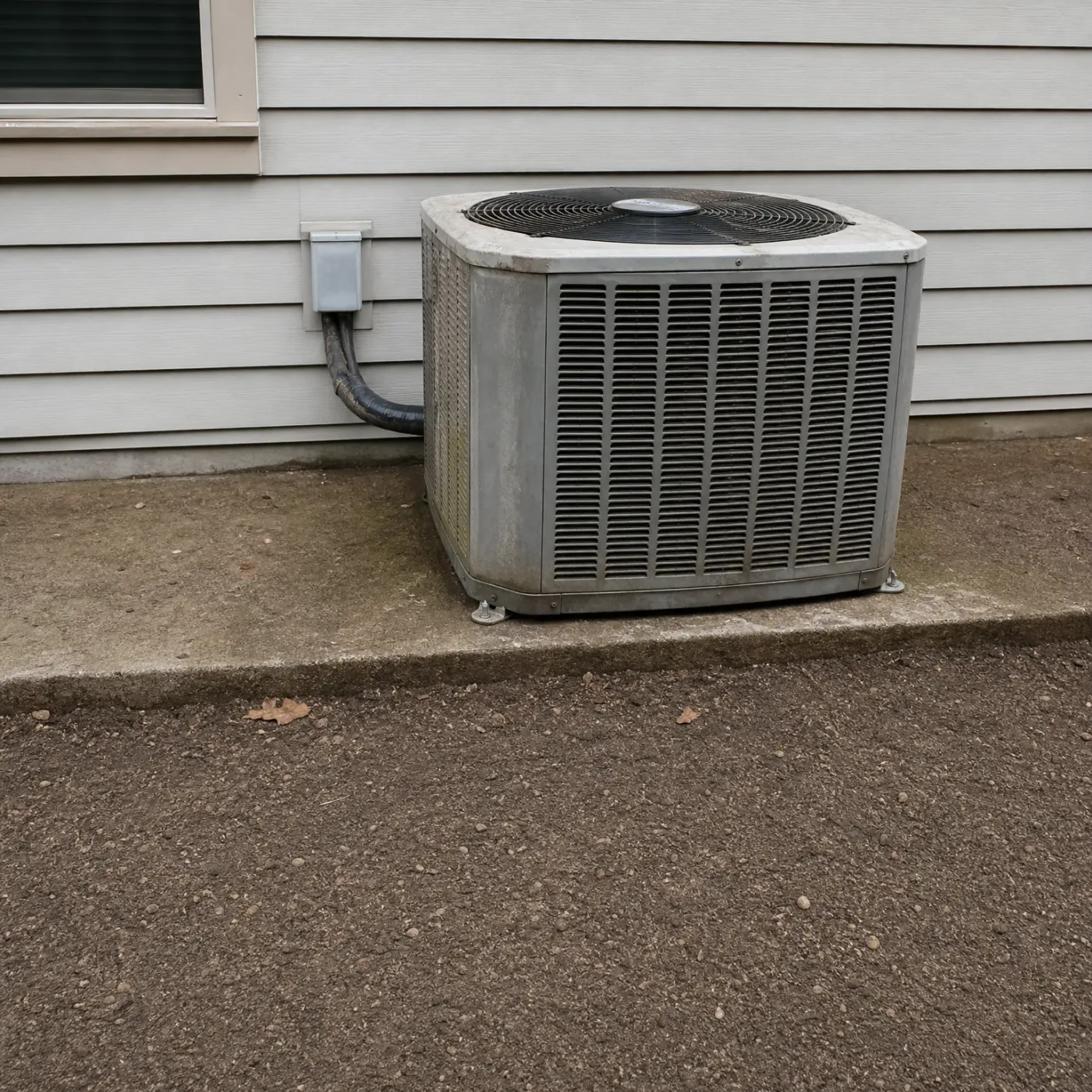

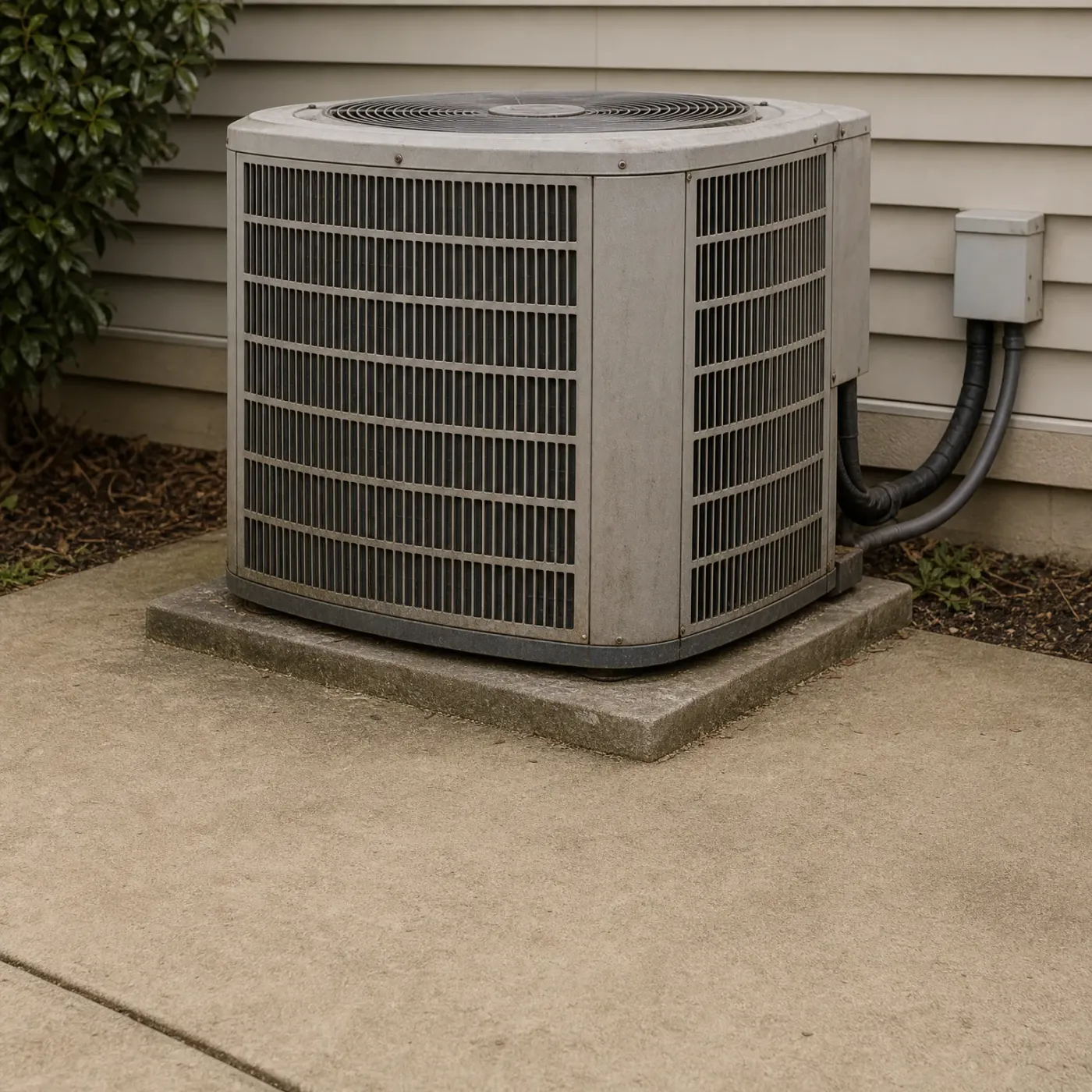
An outdoor air conditioner condenser unit on a concrete pad beside a light gray vinyl-sided house, with an electrical disconnect box and conduit on the wall and bare soil in the foreground.

Something's wrong

Air that's truly cold, not just cool, or a house that keeps losing ground on a freezing Illinois day, points to a different problem. It could be low refrigerant, a stuck reversing valve, or a unit that's iced over and can't pull heat from the outside air at all.

Normal Feel or Real Problem

Normal cold-air feel

  • Air blowing from the vents feels cool against your skin even when the system is heating correctly, since it's below body temperature.
  • The thermostat set point is being met and the house temperature is holding steady or climbing slowly over the hour.
  • The outdoor unit cycles through a defrost mode in freezing weather, and air can feel notably cooler for a few minutes during that cycle.
  • Supplemental heat kicks in during the coldest stretches, so you may hear or feel a change as a gas furnace or electric strips take over part of the load.
  • Vents near the thermostat or return read warmer than vents in back bedrooms, which is normal with duct layout and distance from the unit.

Signs something's wrong

  • The house keeps losing ground against the thermostat setting over several hours instead of holding or climbing.
  • Air at the vents stays at room temperature or cooler no matter how long the system runs.
  • The outdoor unit is coated in thick ice that doesn't clear after a defrost cycle finishes.
  • The system switches on and off far more often than usual, or runs constantly without the house warming up.
  • A breaker trips repeatedly, or the outdoor unit goes quiet while the indoor blower keeps pushing air.
  • The refrigerant lines or the outdoor coil show frost in spots where you've never noticed it before this winter.
A woman in a cream sweater with her hair in a bun laughs while seated at a stone counter holding a glass of red wine, in a dimly lit interior with a sofa, houseplants and a large window at night.
A woman with long dark hair in a cream knit sweater laughs while looking off to the side, seated in front of a dimly lit kitchen with an island, stools, open shelving and a potted plant, with a glass of red wine in the foreground.
A smiling woman with long dark wavy hair in a light knit sweater sits at a marble counter with a glass of red wine, with a dimly lit living room and kitchen in the background.
A smiling woman with long wavy brown hair in a beige sweater sits at a white marble counter with a glass of red wine, with a living room, dining table and kitchen cabinets behind her.

Is this normal, or is something wrong with your heat pump

Stand under a vent and the air feels cool, but the thermostat isn't catching up, the house is losing ground a degree at a time, or the outdoor unit is caked in ice. Some homes notice the furnace kicking on more than it used to, running longer to cover what the heat pump isn't. Others hear the outdoor unit cycling oddly or notice it's gone quiet when it should be running. Left alone through an Illinois winter, a heat pump that's stopped actually heating means the backup system carries more of the load than it was sized for, and the electric bill on a heat pump running wrong can climb while the house still doesn't feel warm.

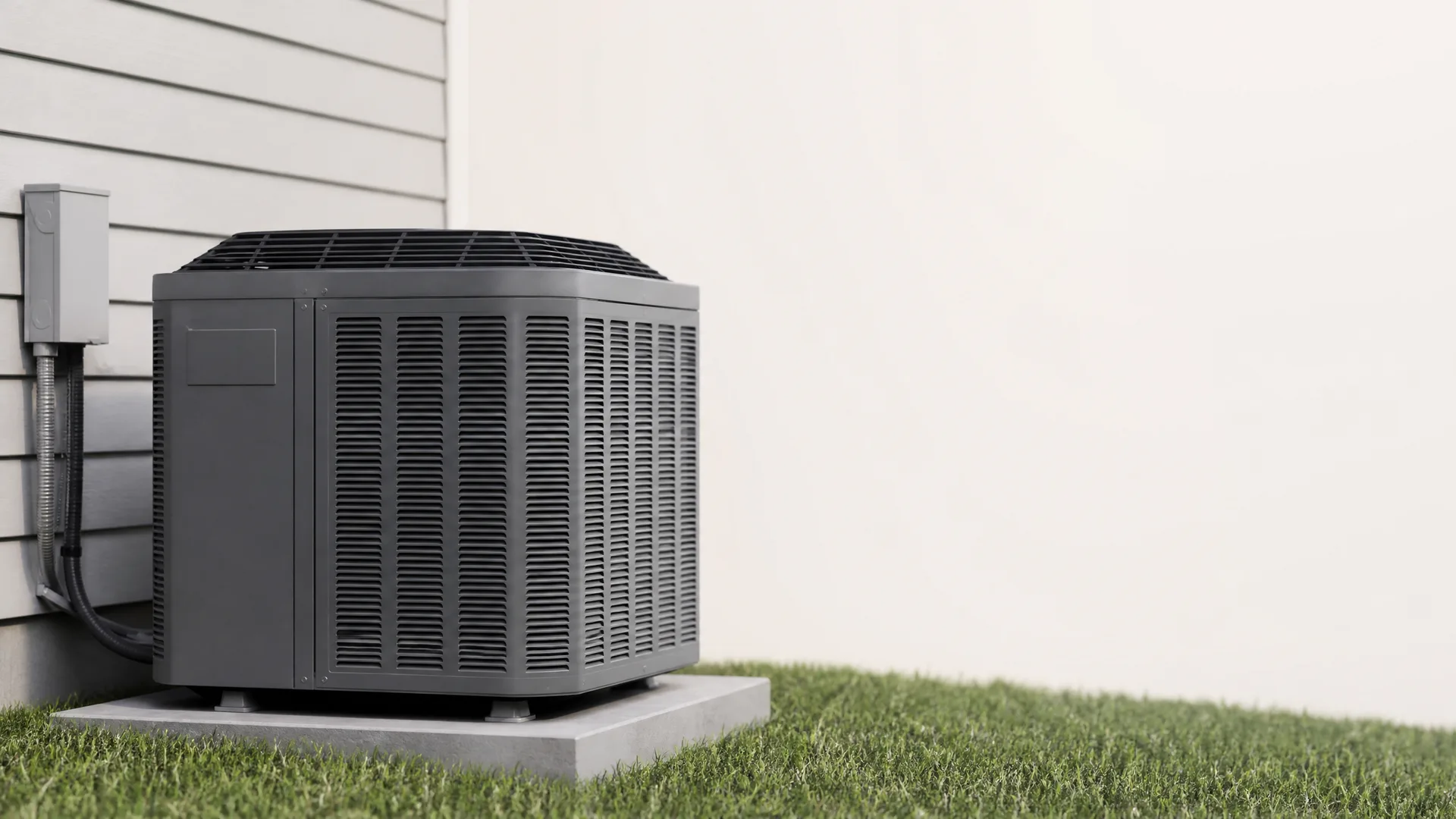
A gray outdoor air conditioner condenser unit on a concrete pad beside a house with horizontal siding and an electrical disconnect box, surrounded by grass.

The defrost cycle explained

Every heat pump reverses itself for a few minutes to melt frost off the outdoor coil. During that time it's actually running in cooling mode, and a fan can push noticeably cool air into the house until it switches back. Most systems run a backup heater during defrost to offset this, so you may not notice much change. If your home doesn't have that backup running, the cool air during defrost will be more obvious, especially on damp, near-freezing days.

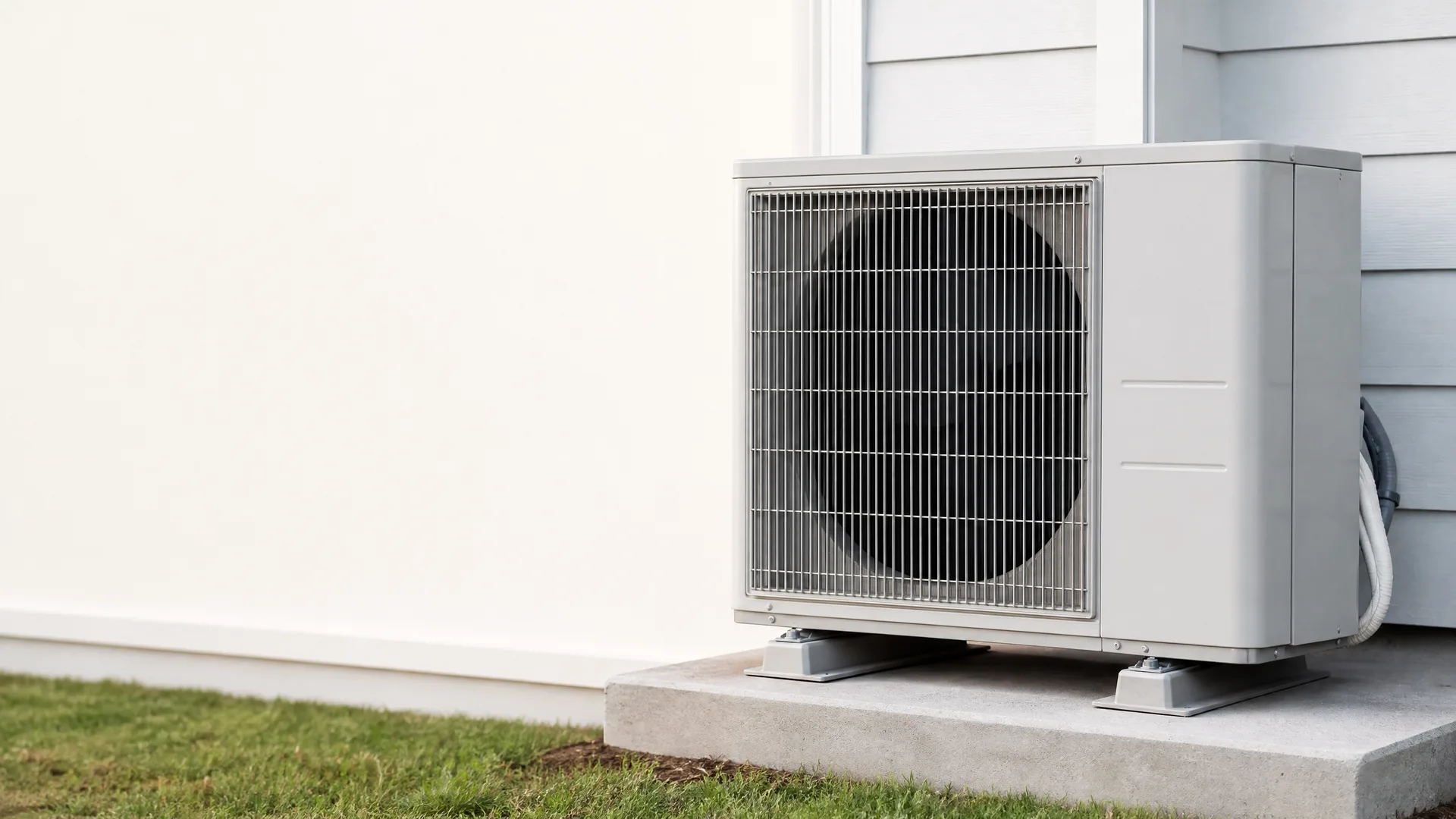
A white outdoor heat pump unit on a concrete pad beside a house with horizontal lap siding, with a plain light wall and grass lawn to the left.

Where your gas furnace fits in

Many Illinois homes pair a heat pump with a gas furnace for backup, switching over once outdoor temperatures drop low enough that the heat pump can't keep up on its own. If that switch point is set wrong, or the furnace isn't kicking in when it should, the heat pump keeps trying to heat alone in air too cold for it to pull much warmth from, and what reaches the vents feels colder than it should.

Power costs 17.67 cents per kilowatt-hour statewide

At 17.67 cents per kilowatt-hour, running the backup electric strips to chase a heat pump problem adds up fast on your bill. A stuck reversing valve or an iced-up coil can leave those strips carrying the load for hours at a time, which is exactly where the cost piles on.

EIA-861 2025 statewide residential average

Let it run another day

If the defrost cycles are short and the house still climbs to your set point by evening, the system is managing itself. A few minutes of cool air a couple times an hour fits how these units work in freezing weather. The real test is whether your house holds its temperature overnight and whether the outdoor unit sheds its ice after each cycle instead of building more. If both of those hold up through a cold snap, there's nothing to chase yet, and calling someone out means paying for a diagnosis that comes back clean.

Get it looked at now

If the coil stays frosted over after defrost, or the house keeps losing ground even with the furnace helping, something is keeping the system from doing its job. A stuck reversing valve, a low charge, or a failed defrost sensor won't fix itself, and every day it runs like that is a day the backup strips or your furnace are covering for it. Finding a contractor, explaining what you're seeing, and getting someone out to look at the unit takes time you'd rather not spend twice. A contractor matched to your situation can tell you which one it is.

A smiling bearded man in a navy crewneck sweater sits at a dinner table with a glass of red wine, plates and glasses in the foreground, in a dimly lit room with a lamp and framed picture behind him.
A woman in a dark gray sweater reclines on a light sofa with eyes closed and a slight smile, under a textured gray blanket with an open book resting on her lap, with a lit table lamp and plant in the background.

A local pro for your heat pump repair

Answer a few questions instead of calling shop after shop.

You only hire the pro if you want to.

What's actually going wrong inside the unit

  • The reversing valve is a sliding metal piece that switches the refrigerant flow between heating and cooling mode.
  • When that valve sticks halfway, the system can run partly in cooling mode no matter what the thermostat calls for.
  • A low refrigerant charge weakens the heat pump's ability to pull warmth from cold outdoor air, so the air at the vent runs cooler than it should.
  • The outdoor unit relies on a defrost sensor and board to end the defrost cycle on time, and a failed sensor can leave it stuck in cooling longer than it needs.
  • A failing compressor can run but stop compressing refrigerant properly, which still moves air through the house without heating it.
  • Auxiliary heat strips are supposed to kick in automatically when the heat pump falls behind, and a broken control board can keep them from firing.

A heat pump only has a few ways to fail into blowing cold air, and most trace back to one part not doing its job. The reversing valve sits in the refrigerant line and physically redirects flow depending on whether you need heat or cooling. It's a mechanical slide, and over years of switching back and forth it can start sticking halfway, caught between the two positions. When that happens, the system can't fully commit to heating mode even though the thermostat is calling for it.

Refrigerant charge matters more in winter than people expect. A heat pump pulls heat out of outdoor air that might be well below freezing, and doing that efficiently depends on having the right amount of refrigerant in the system. Low charge means less heat gets moved into your ductwork, so what comes out the vent runs cooler than it should, even when every other part is working.

The defrost cycle depends on a sensor reading the coil temperature and a board deciding when to end it. If that sensor fails or reads wrong, the unit can stay in defrost, which is really cooling mode, far longer than the few minutes it needs.

A compressor can also run without compressing refrigerant the way it should. Air still moves through the house. It just isn't being heated on the way.

A gray outdoor condenser unit on a concrete pad beside a light-colored horizontal-siding house, with a disconnect box and refrigerant line on the wall, ornamental grasses and a shrub in mulch nearby, and a concrete patio in the foreground.
This is what a heat pump looks like when it's keeping up: running quietly, no ice on the cabinet, lines clean, nothing iced over even with the cold against it.
An outdoor condenser unit sits on a concrete pad beside a house with horizontal vinyl siding, with a gray electrical disconnect box and conduit on the wall and a shrub at left.
This is the same kind of unit in trouble: ice building on the cabinet and lines, a sign the defrost cycle isn't clearing it like it should.
  1. Thermostat calls for heat and the compressor starts up.

  2. Reversing valve slides into heating position to redirect refrigerant.

  3. Outdoor coil pulls heat from the air outside.

  4. Indoor coil releases that heat into air moving through the ducts.

A smiling man in a denim shirt and white t-shirt stands in an open dark doorway of a stucco house, facing a woman with long brown hair and a green jacket seen from behind in the foreground.

What a stuck heat pump costs your house

If the reversing valve is stuck or the coil is iced over, your gas furnace has to pick up the slack it wasn't sized to carry alone, and you might hear it kick on more than usual. Meanwhile the backup strips in the heat pump's air handler may be running to cover the gap, and those run on electric power, which costs more here than in most places. Left alone through a stretch of Illinois cold, that's two systems working against a problem neither one can fix by itself.

None of that tells you which part failed or what it takes to fix it. That takes someone looking at the actual unit on your house. Rather than calling around and explaining the ice on the coil or the cold air at the vent to three different companies, you can get matched with a contractor who handles heat pumps in this area, and have them reach out to you directly.

A gray upholstered sofa with a matching cushion sits beside a potted plant and a wooden table holding a small green plant in a stone pot, near a curtained window.
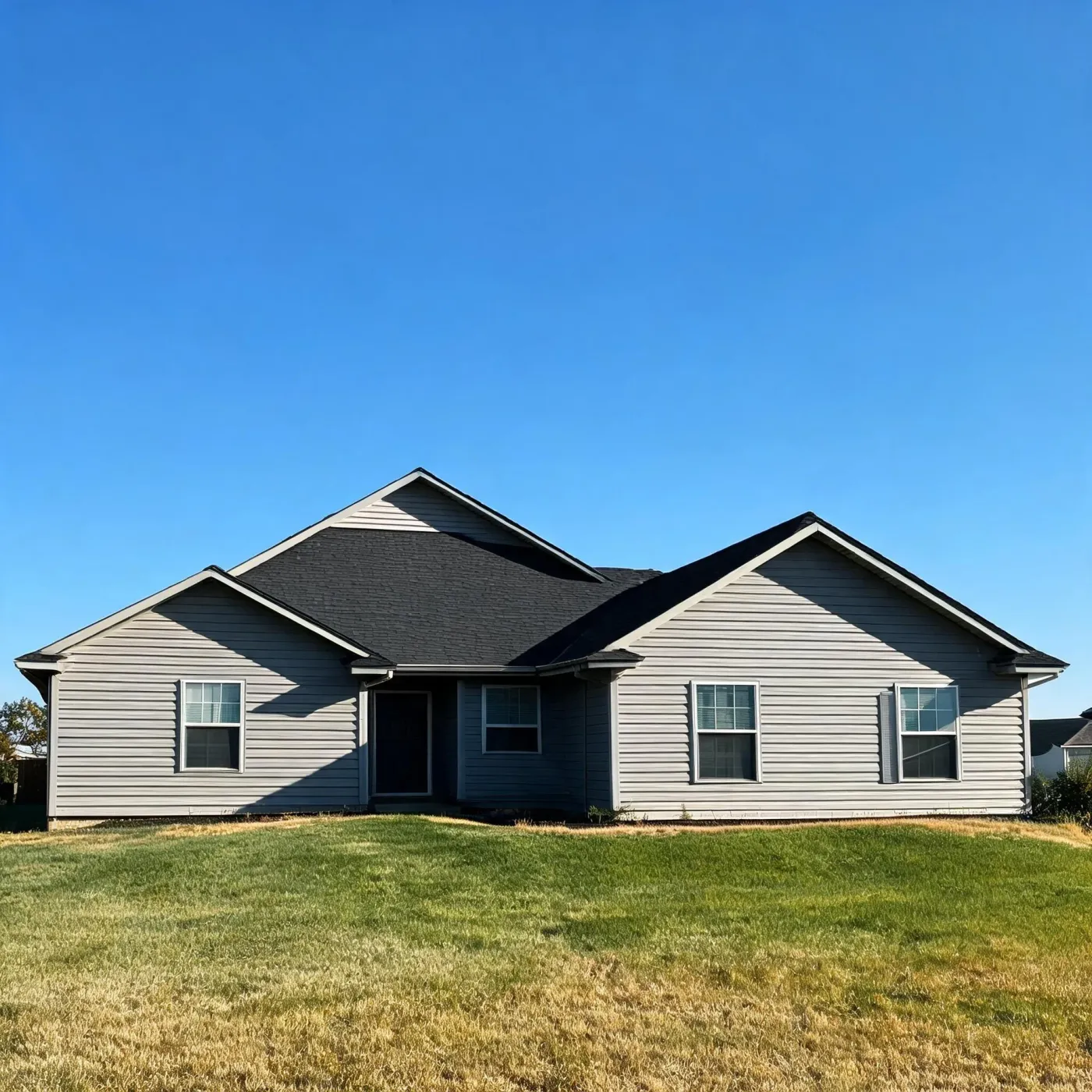
A single-story house with gray vinyl siding, dark shingled gable roofs, and white-trimmed windows, set behind a partly dry green lawn under a clear blue sky.

Illinois summers run humid, with a dew point averaging 63°F across June, July and August according to NOAA climate data. That moisture matters now because the same outdoor coil that pulls humidity out of your air all summer is the one that ices over in winter. A coil that's been working against thick, sticky air for months doesn't get a break before the cold sets in. Once temperatures drop, that coil frosts up faster and needs defrost cycles more often to clear itself, and each one pushes a few minutes of cool air through your vents. It's the same piece of equipment, working year round, in two different kinds of weather.

NASA POWER T2MDEW county cells weighted by homes

A little cool air from the vents during a defrost cycle is normal. Ice on the cabinet, a reversing valve that won't let go of cooling mode, or a house that keeps losing ground against the thermostat is not. You know by now which one you're looking at. If it's the second, someone needs to get eyes on that outdoor unit before your furnace and your backup strips keep eating the cost of a problem they can't fix. That usually means finding a contractor who works on heat pumps, calling around to see who can come out, and going through the whole thing again on the phone before anyone shows up. You can skip that part. Answer a few questions about what your system is doing and get matched with a contractor who handles heat pumps in your area, so the next call you make is the one that gets it looked at.

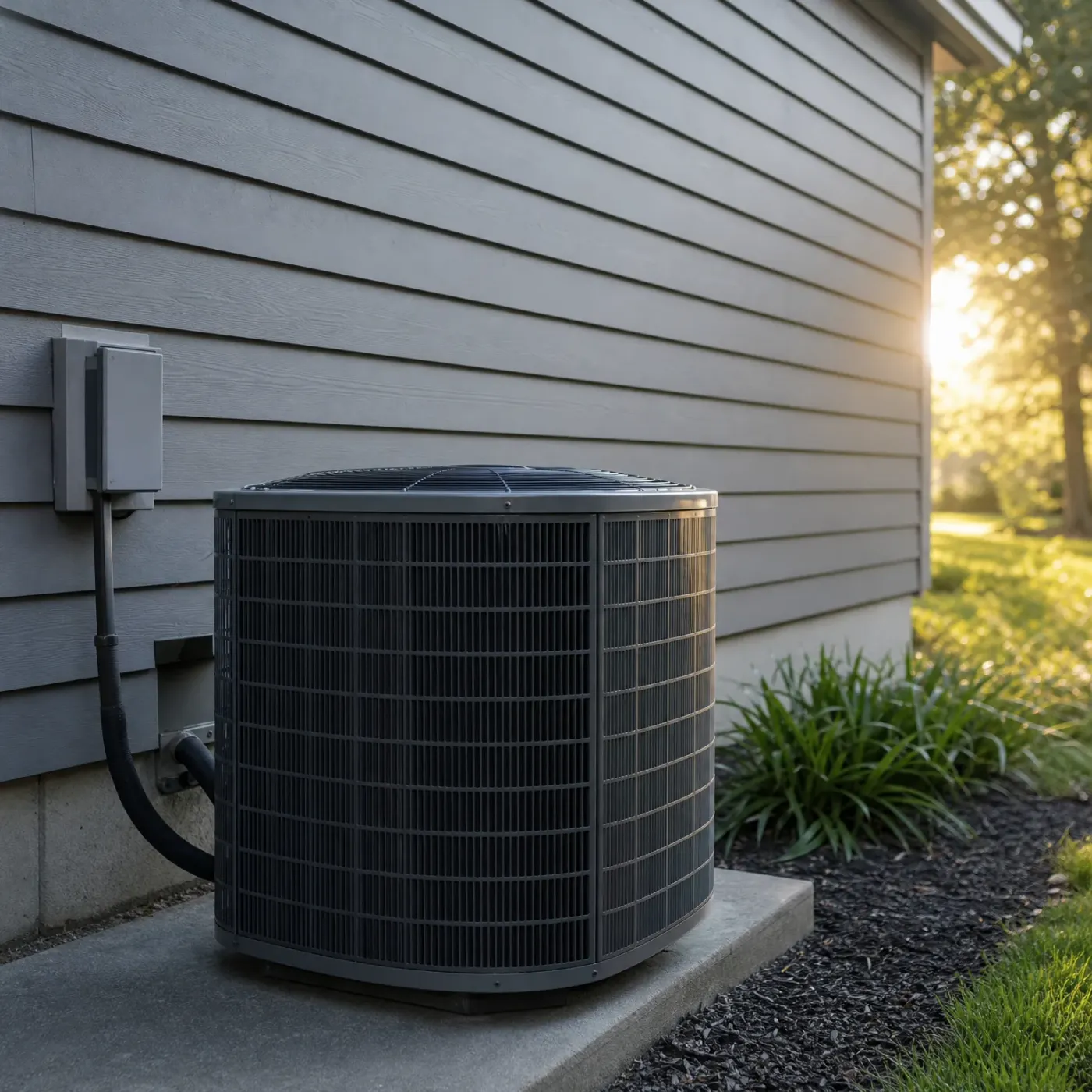
An outdoor air conditioner condenser unit on a concrete pad beside a gray horizontal-lap-sided house, with an electrical disconnect box and refrigerant line on the wall, grass, shrubs and a tree with low sun behind.

Get the right pro for your heat pump

Start one form

Describe your heat pump job once, to one pro.

Asking costs nothing, and the choice to hire stays yours.