A thin frost line that melts off
Here the coil stays mostly clear, with maybe a light frost along the bottom edge on a cold morning. The lines run clean to the disconnect box on the siding. Within an hour or two of sunrise, it's gone on its own.
 Hand it off
After you send the request, you're done searching.
A little frost along the bottom of the outdoor unit is normal on a cold Illinois morning. That melts off during the defrost cycle. What you're dealing with is different if the coil is coated in solid ice, or if ice has built up on the lines, or if the unit has been frozen over for more than a few hours. That means the system isn't defrosting the way it should, and left alone, it won't fix itself.
A heat pump that can't shed ice can't move heat. The unit will keep running, drawing power, and losing the fight against the ice while your house gets colder. With gas heat uncommon here and electric rates what they are in Illinois, a heat pump stuck in that state is an expensive way to not heat your home.
This isn't something to watch for a few days to see if it clears up on its own. A frozen coil points to a specific problem, a defrost control board that isn't cycling, a stuck reversing valve, a fan motor that's slowed down, low refrigerant, and each of those needs a contractor to open the unit and find out which one it is.
Normally that means getting on the phone. Searching for someone who works on heat pumps instead of just furnaces, calling two or three companies, explaining the ice, the noise, how long it's been doing this, then doing it again for the next company, then sitting with the quotes trying to tell a fair price from a bad one.
Send the form on this page instead and that work is off your plate. You're not the one tracking down who's available or qualified. A licensed contractor who works on heat pumps gets your information, and the search you'd have been running is already done.
Why does my heat pump have ice all over it in winter?
Your heat pump runs a defrost cycle on its own, switching briefly to cooling mode to melt off the frost that builds up as it pulls heat from cold outdoor air. Heavy ice means that cycle isn't finishing the job. A failing defrost control board, a stuck reversing valve, a bad sensor, or a fan motor that's slowed down can all keep the system from clearing itself. Low refrigerant does it too, since the coil runs colder than it should and ice forms faster than defrost can remove it. With Illinois winters pushing outdoor temperatures well below freezing for stretches at a time, a unit that can't complete its own defrost cycle will keep adding ice until something in the system gets damaged.
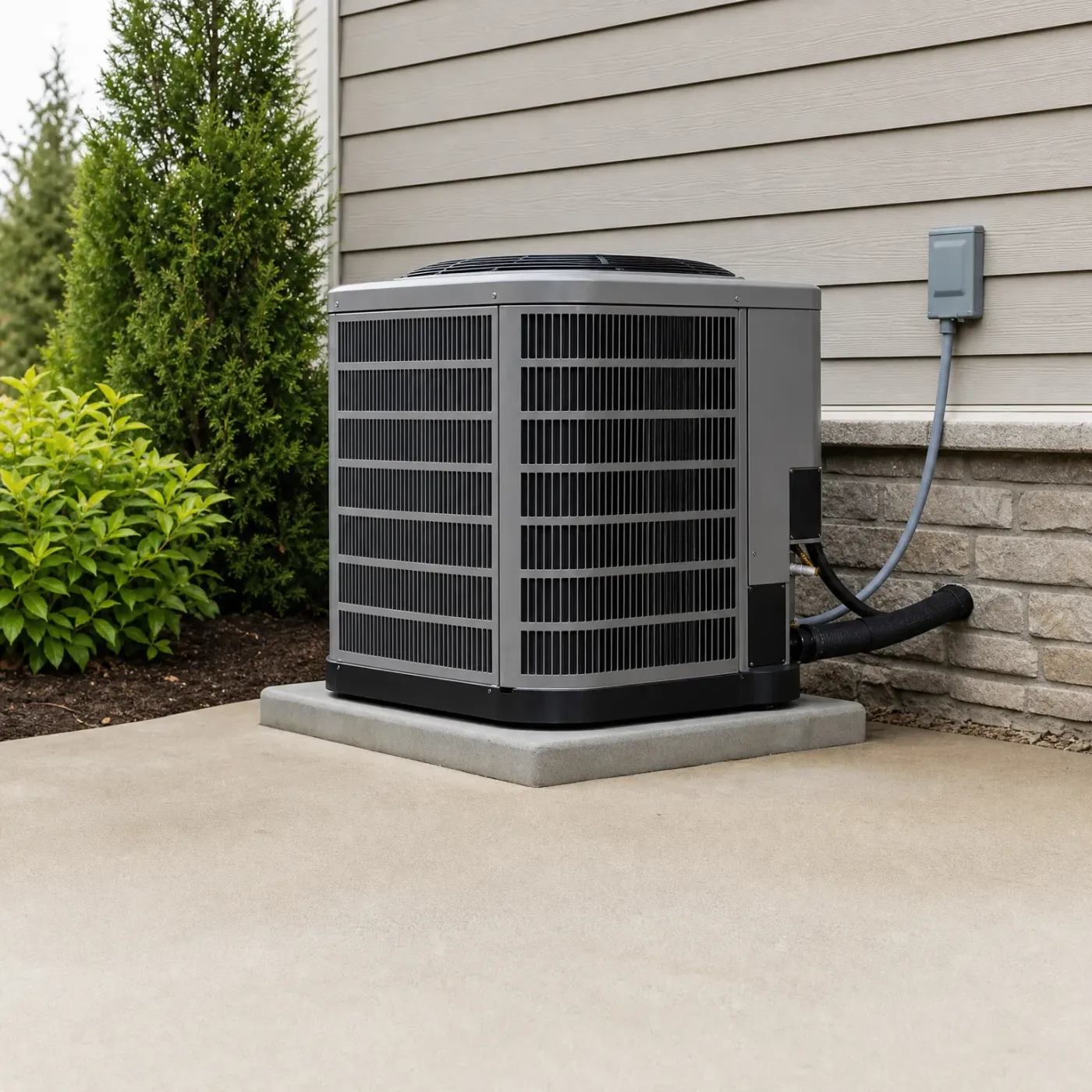
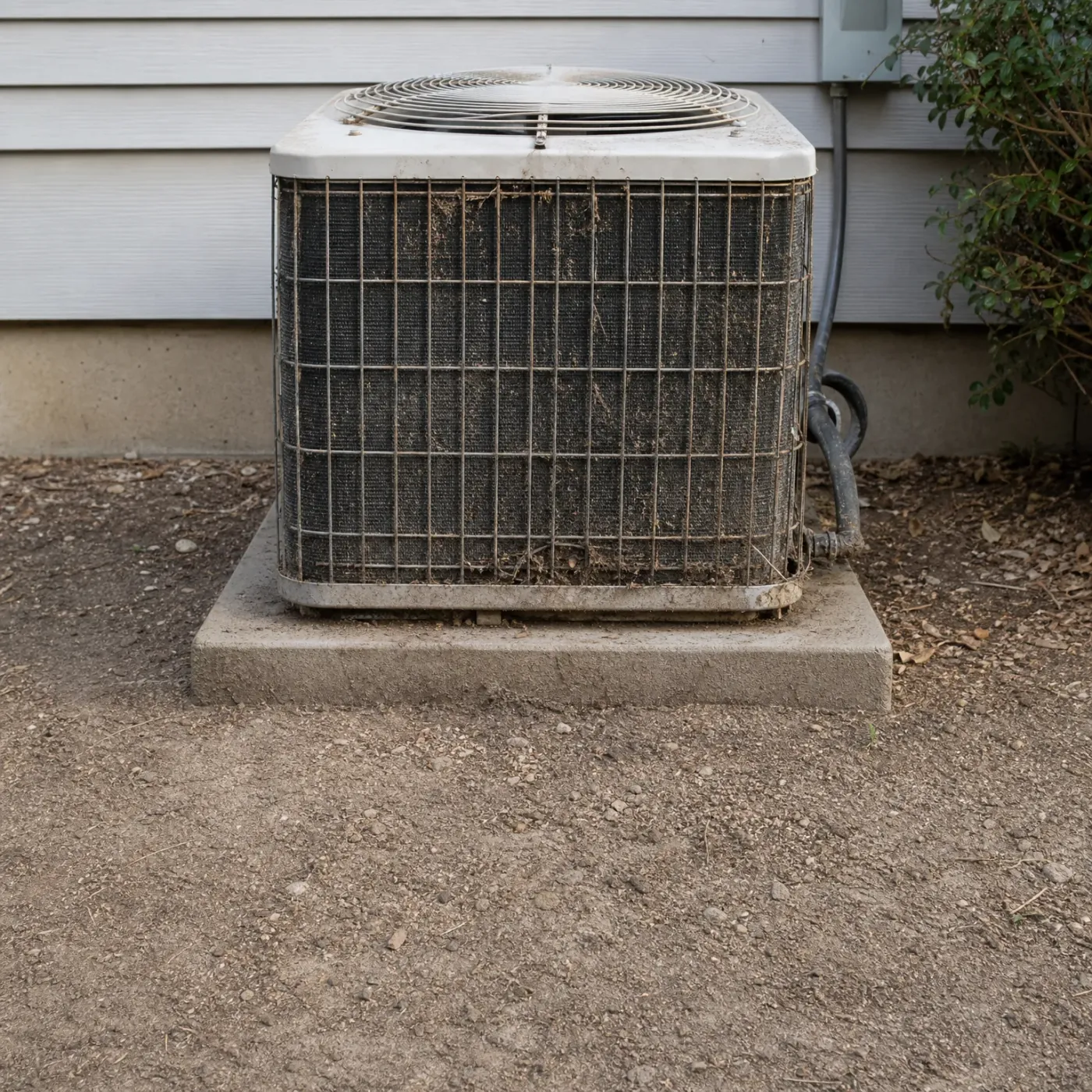
Here the coil stays mostly clear, with maybe a light frost along the bottom edge on a cold morning. The lines run clean to the disconnect box on the siding. Within an hour or two of sunrise, it's gone on its own.
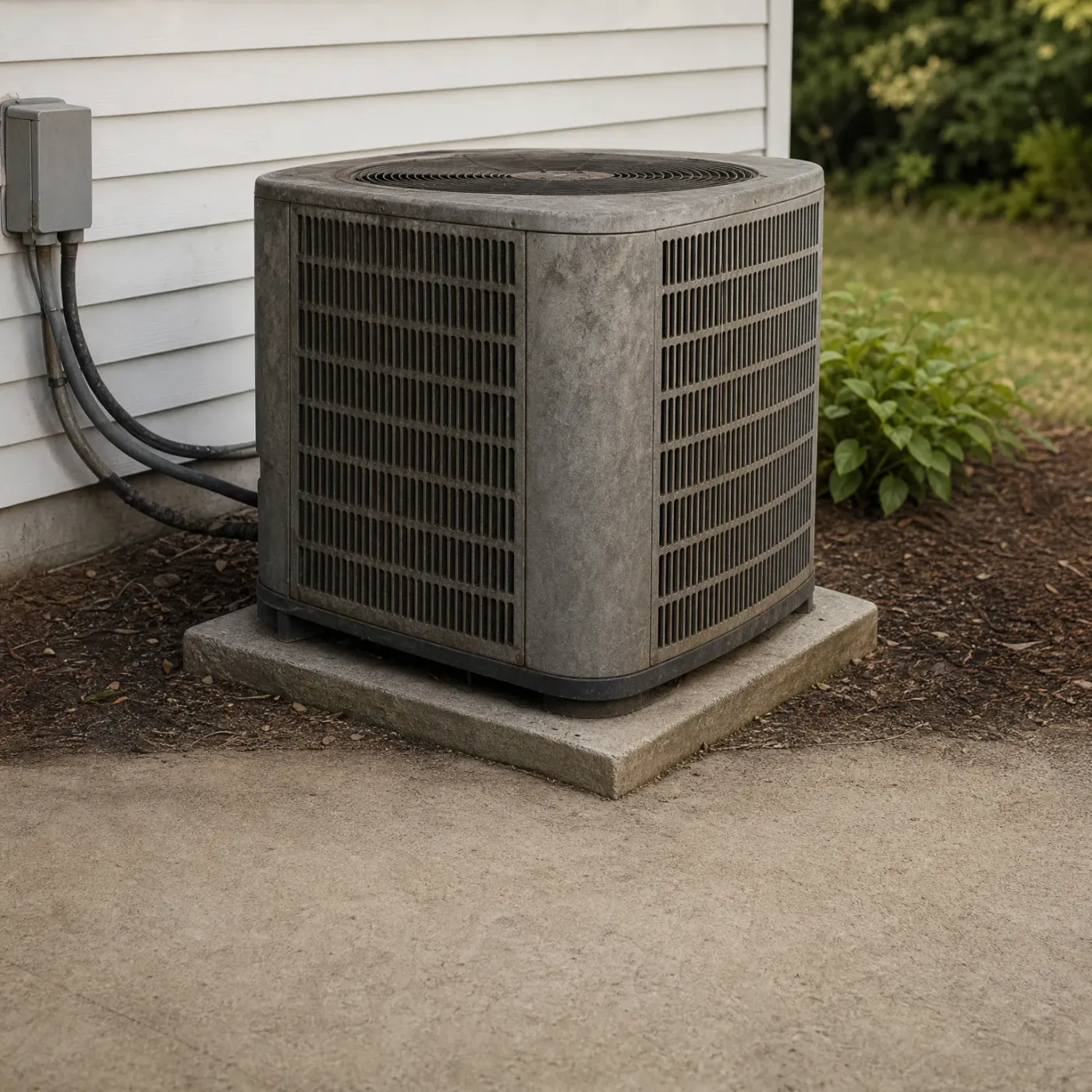
Here the coil is coated white, and ice has crept onto the refrigerant lines running into the house. It doesn't melt back by afternoon. That's the defrost cycle failing to clear it, and it won't fix itself.
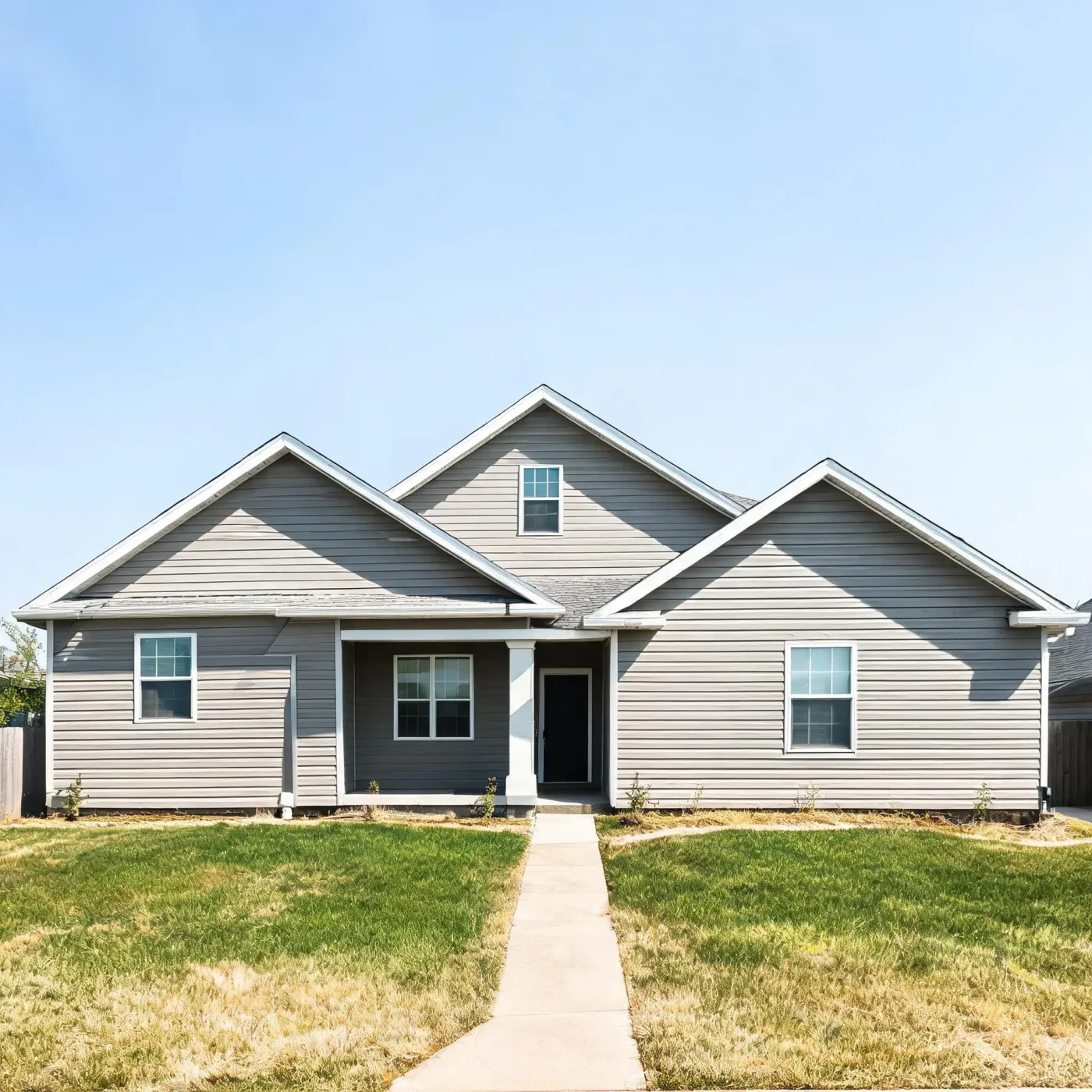
That ice forming on your heat pump isn't really about the cold, it's about the water in the air. Illinois summers average a dew point of 63°F across June, July and August, according to NOAA climate data, and that same moisture hangs around into the shoulder months when your heat pump is still pulling double duty. More moisture in the air means more frost forming on the coil every time the unit cycles, and more work for the defrost cycle meant to clear it off. If that cycle is already struggling, a heavy moisture load is what pushes a thin frost line into a solid sheet of ice. If you're seeing that, send the form and stop hunting down a contractor on your own. Someone qualified gets back to you, and from there it's off your plate.
NASA POWER T2MDEW county cells weighted by homes
A heat pump that keeps icing over is still trying to heat your house, and in an Illinois January it's losing that fight while your gas furnace backup, if the system has one, picks up the slack at a higher cost. Left alone, a frozen coil makes the system run longer for less heat, and it can push the compressor into stress it wasn't built for. Right now you're probably thinking about searching for an HVAC contractor, reading through reviews, calling a few, explaining the ice and the noise and the timeline to each one, then waiting on quotes to compare. That's hours you don't have while your house sits at 62 and the unit keeps running. Send the request instead, and that search, the calls, the repeating yourself, all of it stops being something you have to manage. One contractor gets your information and reaches out. You go back to your day while the ice stays someone else's problem to figure out.
A heat pump doesn't just blow warm air and hope for the best. It's moving heat from the outside air into your house, even when that air is cold, and the outdoor coil picks up frost doing it. To clear that frost, the system has to temporarily run backward. The reversing valve, the same part that lets the unit switch between heating and cooling in the first place, flips the refrigerant flow so the outdoor coil turns hot for a few minutes instead of cold. A defrost control board decides when that happens, usually based on a timer, a sensor reading the coil's temperature, or both together. While defrost is running, the outdoor fan shuts off so it isn't blowing cold air across a coil that's trying to warm up. Indoors, something has to cover for the heat pump during those few minutes, either an electric heat strip or the gas furnace, so the vents don't start blowing cold air through the house. Any one of these pieces can fail on its own. A bad sensor can tell the board the coil is warmer than it is, so defrost never gets called even with ice built up. A reversing valve that's stuck can trap the whole system in heating mode, which means defrost physically can't happen no matter what the board tries to do. From the outside, both failures look the same: a coil that just keeps icing over.
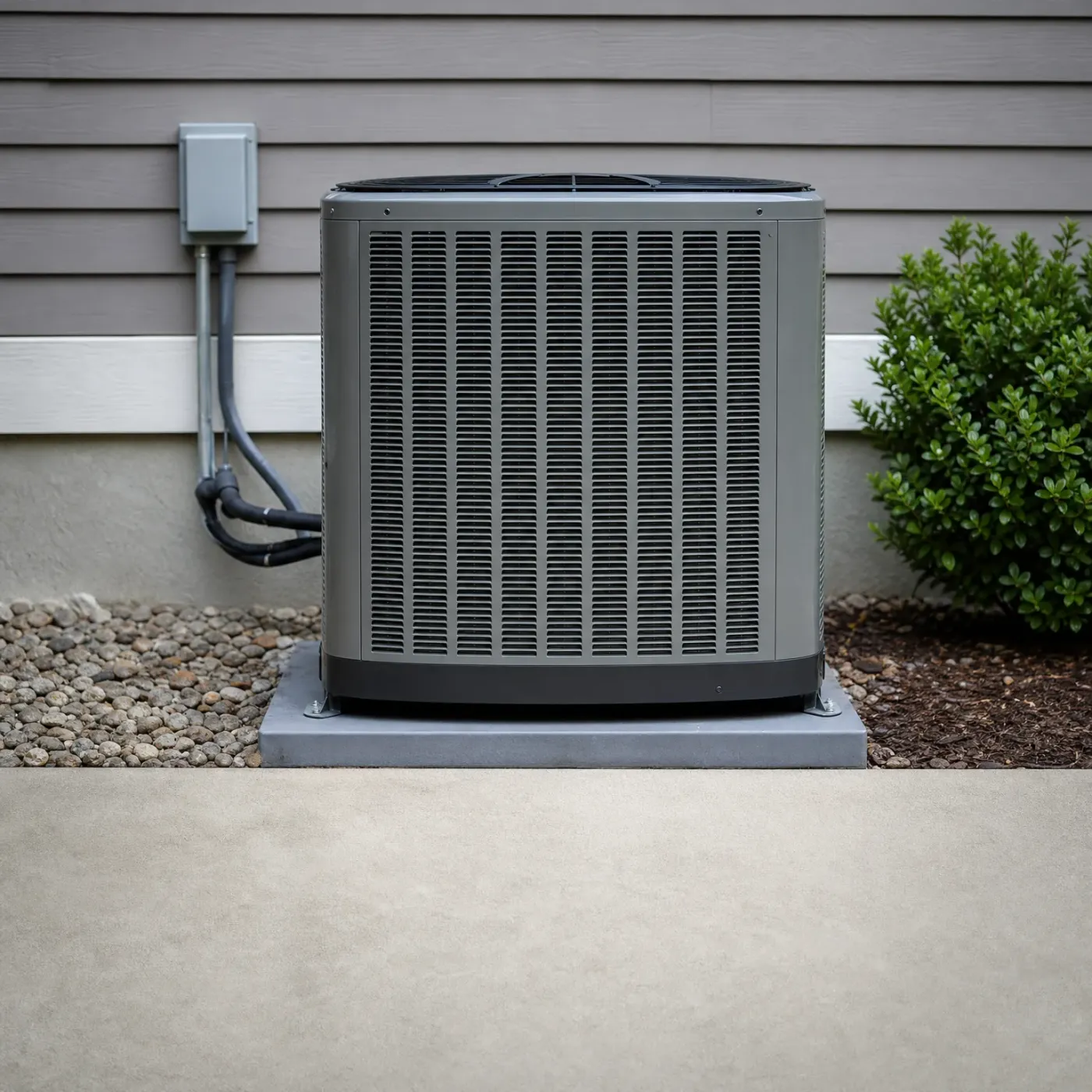




Walk out and look at the unit. Ice climbing up the sides, not just a frost line at the bottom. Maybe the fan blades are caked and the top grille looks packed solid. Inside the house, the air coming out of the vents feels cooler than it should, and the system seems to run and run without the house warming up. You might hear it humming but not actually cycling into that quiet defrost pause. If your gas furnace is kicking on more than usual to make up the difference, that's the backup doing the heat pump's job for it, and your gas bill is the one that notices first.
The outdoor coil temperature or a timer tells the defrost board to start
The reversing valve switches the system into cooling mode
Hot refrigerant flows through the outdoor coil to melt the ice
The outdoor fan shuts off so heat isn't blown away
A heat pump stuck in a bad defrost cycle leans harder on electric resistance heat or runs longer to keep up, and at 17.67 cents per kilowatt-hour that shows up fast on your bill. The fix is cheaper than the months of paying for a system fighting its own ice.
EIA-861 2025 statewide residential average
Waiting on a slow defrost means more ice forms before the cycle finally kicks in, so the problem gets worse while you watch.
A short defrost cycle melts the frost before it can build, clears the coil fast, and gets the unit back to heating without the extra strain.


A heat pump caked in ice isn't working any harder for the effort, it's working less, and that's the whole problem in an Illinois winter. Thin frost that clears on its own is normal. Ice that climbs the sides, locks the fan, or stays put past midday means the defrost cycle isn't doing its job, whether that's a bad sensor, a stuck reversing valve, or a control board that's lost track of the timer. None of that sorts itself out, and none of it is something to diagnose from the kitchen window. What changes once you send the form is that the work of finding someone stops being yours. No calling around to ask who services heat pumps, no repeating the same description of the ice three or four times, no sitting with a stack of quotes trying to guess which contractor actually knows this equipment. That part ends. What's left is a licensed contractor who already knows what you're dealing with, out to look at the unit itself.
It's off your list after this