Why your heat pump runs nonstop in an Illinois winter
Tell a local repair pro what your heat pump is doing.
A heat pump in Illinois works hard once the temperature drops toward freezing and below. It pulls heat from outside air that has less and less heat to give, so it runs longer to move the same amount of warmth into your house. On the coldest days that can look like it never shuts off. Sometimes that is the machine doing exactly what it should. Sometimes it means something is wrong.
Most houses around you heat with gas, so there is no neighbor's furnace to compare notes with. You are the one watching this system run and wondering if it is normal. A heat pump that runs nonstop when it is 10 degrees out may be fine. One that runs nonstop at 35 degrees, or that runs and runs without the house getting warm, is telling you something else: low refrigerant, a failing defrost cycle, a compressor losing its strength.
Power here costs real money, and a heat pump that runs all day on a mild afternoon because of a stuck reversing valve or a dirty coil is spending your money for no heat. That is the kind of problem worth finding before the next cold snap, not after.
Figuring out which one you have from the thermostat isn't something you can do by watching it longer. It takes someone who can check the refrigerant charge, the defrost board, the outdoor coil, and tell you straight whether the system is working as hard as it should or working harder than it should.
That is the next step here. Send in what's going on with your system, and a contractor who works on heat pumps in winter conditions like these will reach out to you. You stop chasing down who's available and who knows this equipment. That part becomes someone else's job, not yours.
Why does my heat pump run nonstop all winter in Illinois?
You keep the house warm for the people in it, and when the heat pump seems to run around the clock, it's natural to wonder if something is wrong or if it's just working harder than it should. You want to know whether this is normal for a cold Illinois winter or a sign to get it looked at.
It's normal once temperatures drop into the 30s and below
A heat pump moves heat from the outside air into your house instead of burning fuel to make it. When the air outside is cold, there's less heat in it to move, so the system has to run longer and work harder to keep the house at the temperature you set. In Illinois, that means long runtimes are expected through the coldest stretches of winter, especially overnight and on days that stay below freezing. Long runtime alone isn't a problem. What matters is whether the house is actually staying warm. If the heat pump runs constantly and the house still feels cold, or the air coming out of the vents feels barely warm, that points to something worth having checked rather than normal winter behavior.
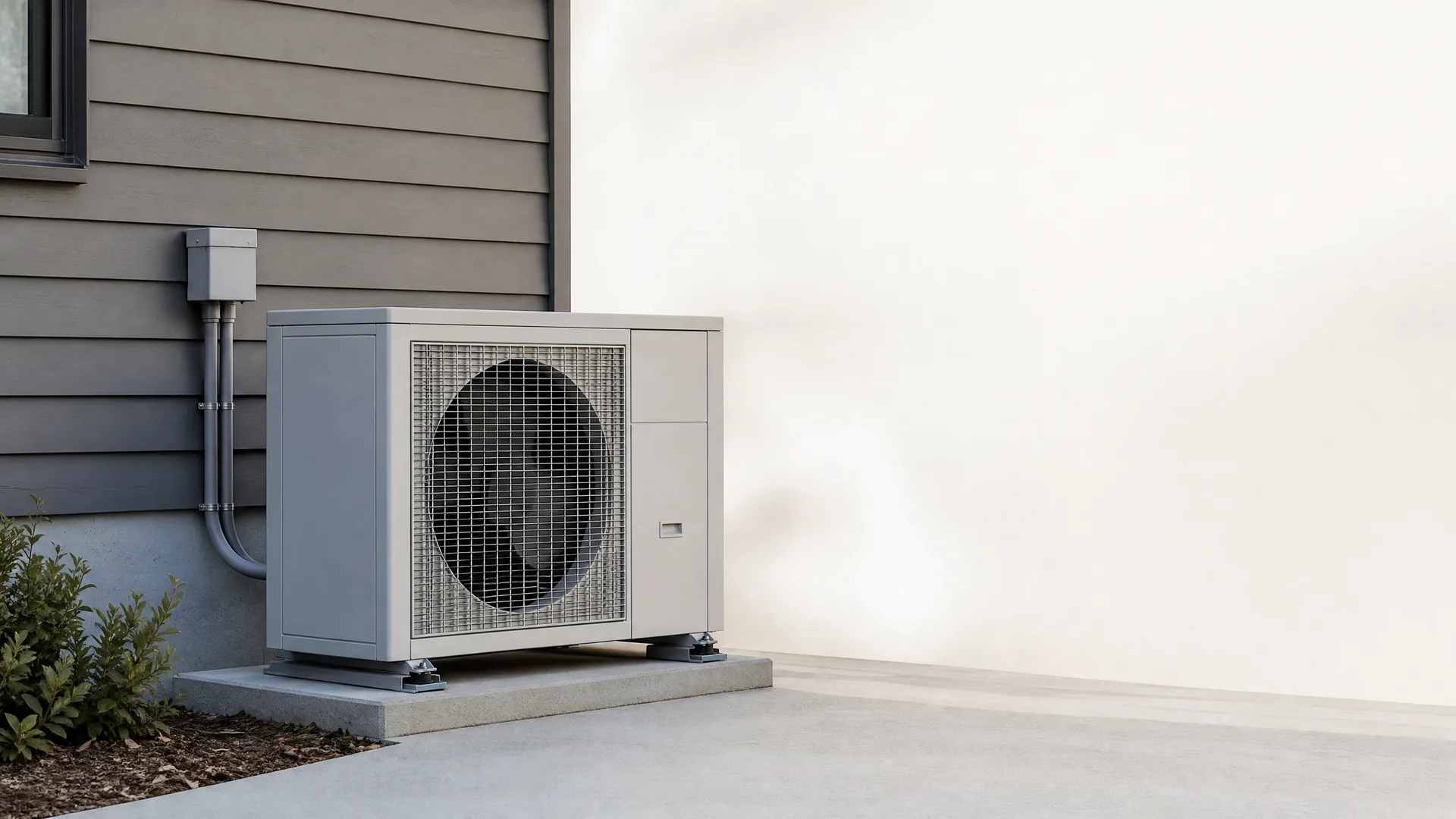
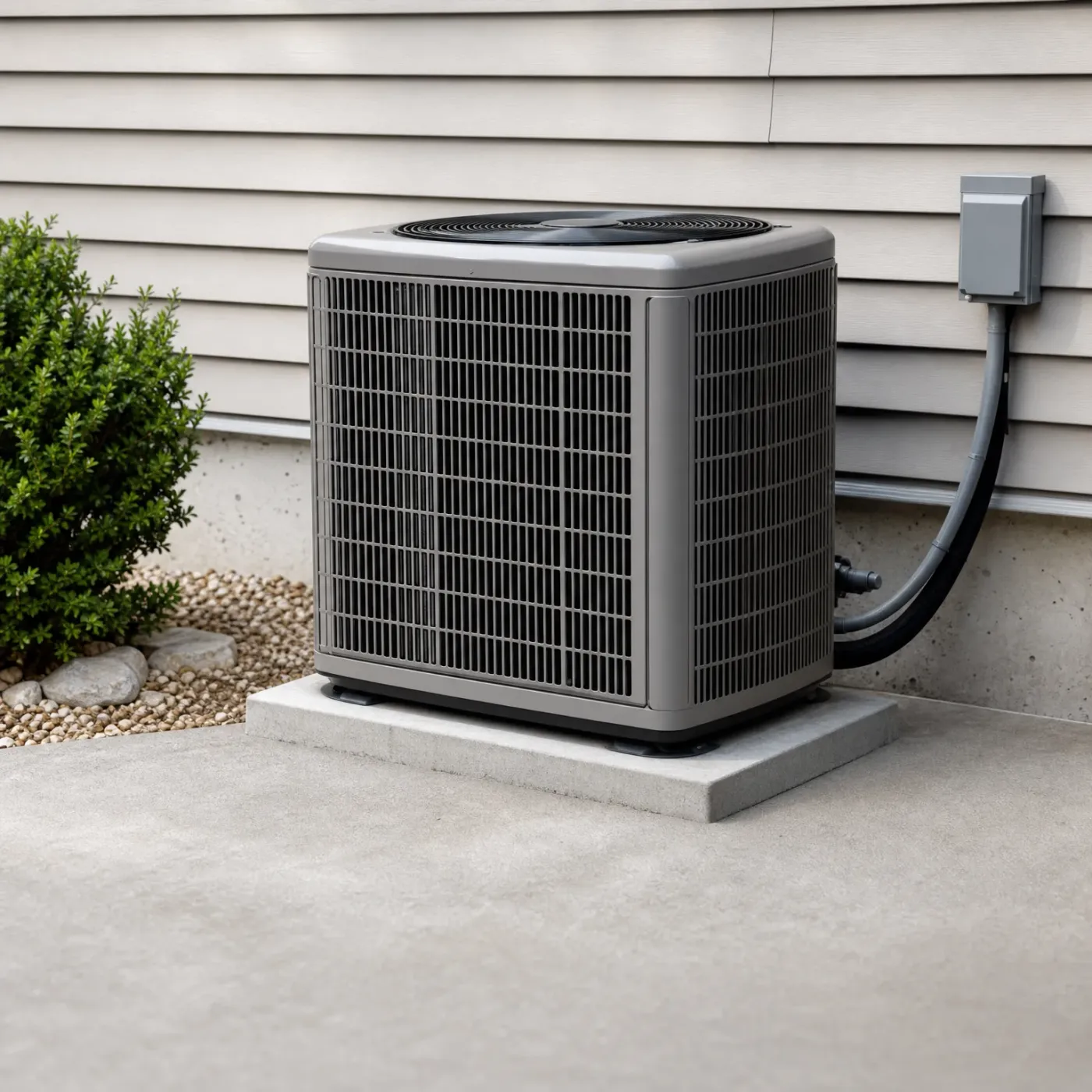
Running normally
This is what steady operation looks like: the outdoor unit sitting quiet on its pad, coils clear, running long stretches on a cold day without short cycling. It should blow warm, not hot, and keep the house at the set temperature without big swings.
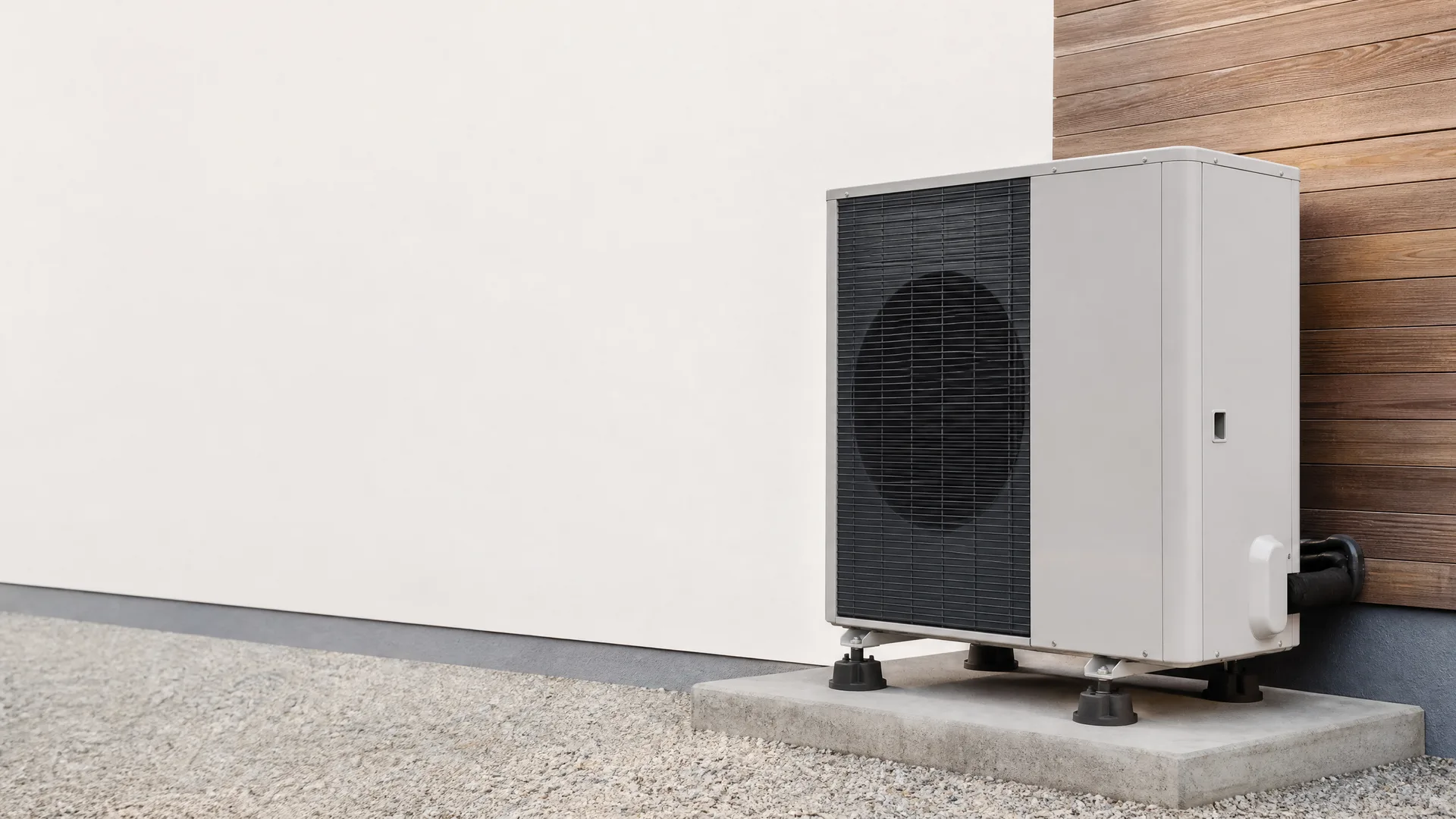
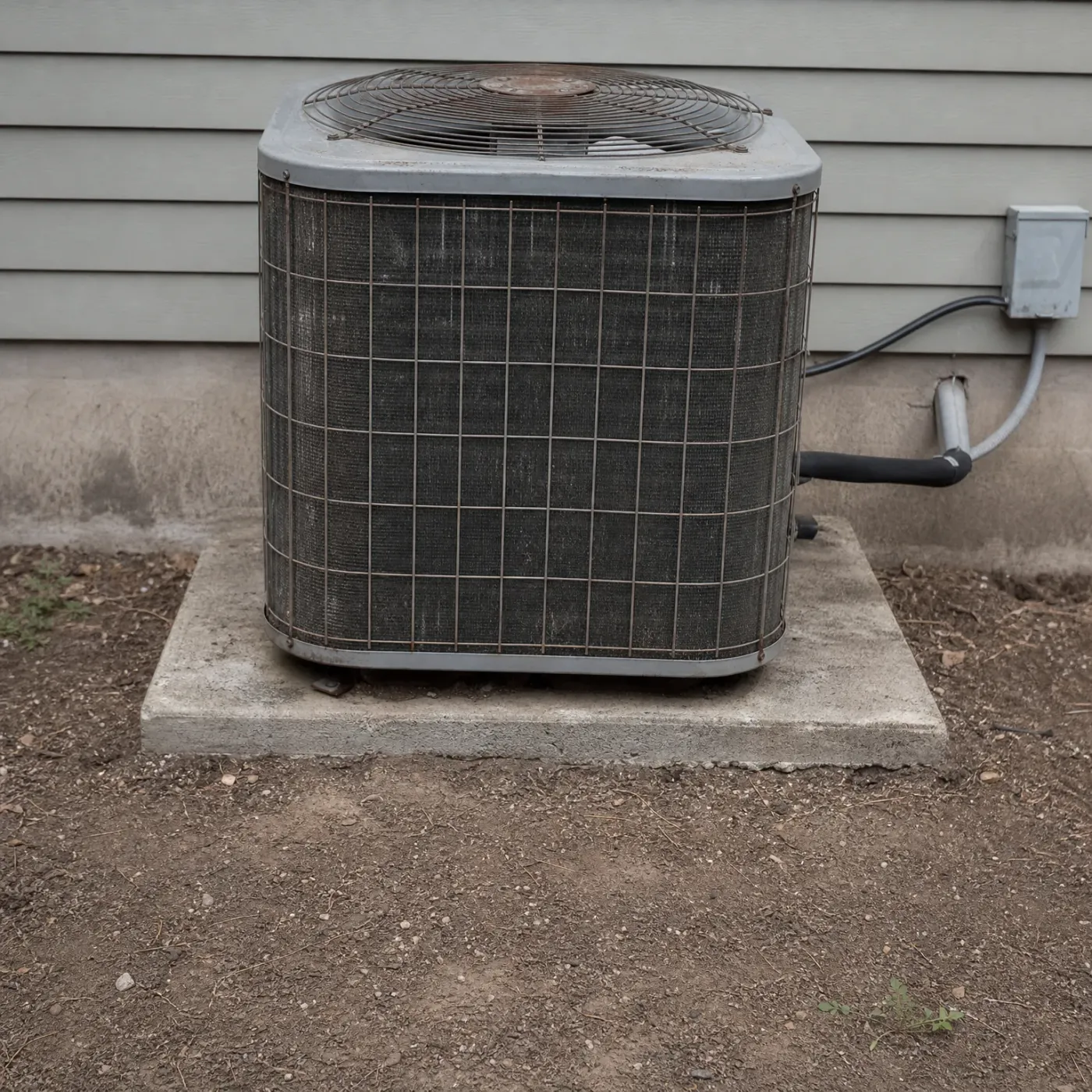
Working against something
Coils caked with dirt or ice cut off the airflow the unit needs to pull heat from outside air. It runs longer and longer trying to keep up, and the house still falls short. That extra strain is often what pushes a heat pump to run nonstop.
A heat pump that never shuts off is doing what it was built to do when it's cold out, but there's a point where long runtimes stop being normal and start being a sign the unit can't keep up. Most houses here heat with gas as backup or as the main source, and a heat pump that leans on its electric strips to make up the difference will push your bill up fast, since power in Illinois isn't cheap. A low refrigerant charge, a failing defrost control, a blower that's lost speed, any of these can turn a hardworking system into one that's straining. You don't need to figure out which one it is. A contractor who works on heat pumps in this climate can check the charge, the defrost cycle, and the airflow, and tell you plainly whether the system needs a repair or is just doing its job on a cold day. Getting that answer settles it either way.
What happens below freezing
A heat pump moves heat from outdoor air into your house, and outdoor air near 32 degrees still holds some. Below that, every degree the temperature drops gives the unit less to work with, so it has to run longer to deliver the same warmth. Some units also go into defrost on a cold morning, pausing heat delivery to melt frost off the outdoor coil, then picking back up. That's a normal part of the cycle, not a failure.
Where gas backup fits in
Most houses in Illinois lean on gas furnace backup for the coldest stretches, and that's by design. When the outdoor temperature drops low enough, the system can switch over so the furnace carries the load instead of the heat pump straining to pull warmth from air that has little left to give. If that switchover isn't happening, or the heat pump keeps running flat out instead of handing off, that's worth having a contractor look at.
Working Hard or Falling Behind
Running hard, not failing
A heat pump below freezing can run most of the hour and still be working the way it was built to work.
The air coming out of the vents feels warm, not hot, because a heat pump moves heat rather than burning fuel to create it.
The house holds its set temperature even if the thermostat shows the unit running nearly all the time.
Defrost cycles kick on now and then, and you may see steam coming off the outdoor unit as the frost melts.
If gas backup or an electric furnace strip is set up right, it should step in on the coldest days without you noticing a gap in heat.
Running hard, and struggling
The house falls below the thermostat setting even though the unit never stops running.
Air from the vents feels cool or barely warm instead of warm, which means the unit isn't moving enough heat.
Ice builds up on the outdoor coil and stays there instead of clearing during a normal defrost cycle.
The unit short cycles, turning off and back on in quick bursts rather than running one long steady stretch.
Your electric bill climbs sharply from one month to the next with no change in how you've set the thermostat.
The backup heat source isn't kicking in when it should, leaving the heat pump to cover cold your house can't afford for it to cover alone.
1
Outdoor air gives up less heat as the temperature drops
2
The compressor runs longer to pull that heat into the refrigerant
3
Defrost cycles kick in as frost builds on the outdoor coil
4
Backup heat engages when the heat pump alone can't keep up
Power costs 17.67 cents per kilowatt-hour statewide
At that rate, a heat pump running long hours on a cold day adds up fast on your bill, more than a furnace would for the same stretch of weather. Backup heat costs more still, since it draws straight on electricity to make up what the heat pump can't.
EIA-861 2025 statewide residential average
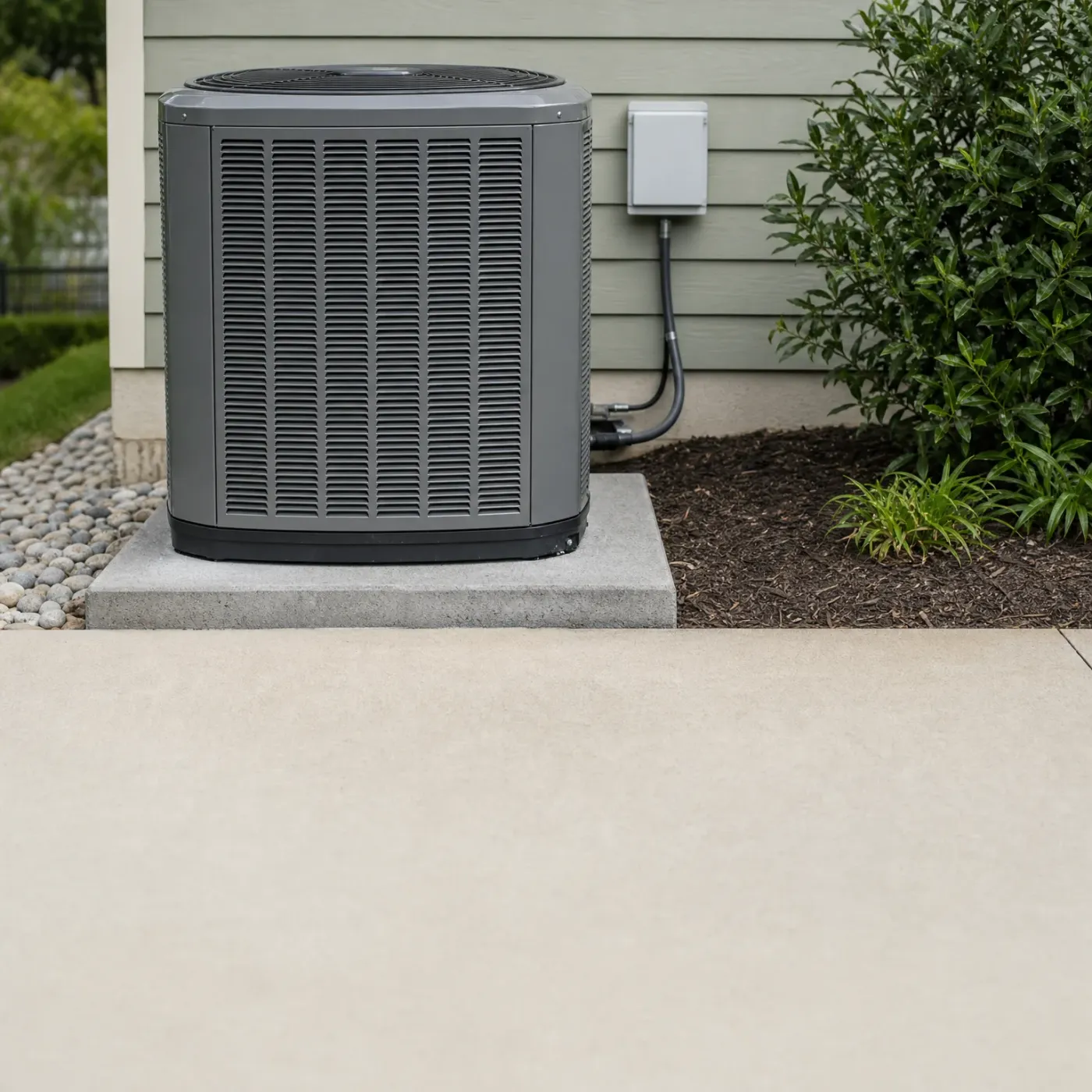
The coil is clear
A heat pump that's keeping up looks like this. The coil and fan grille are clean, the cabinet is free of debris, and the lines running up to the disconnect box are unobstructed. Air can move through the coil the way it was designed to.
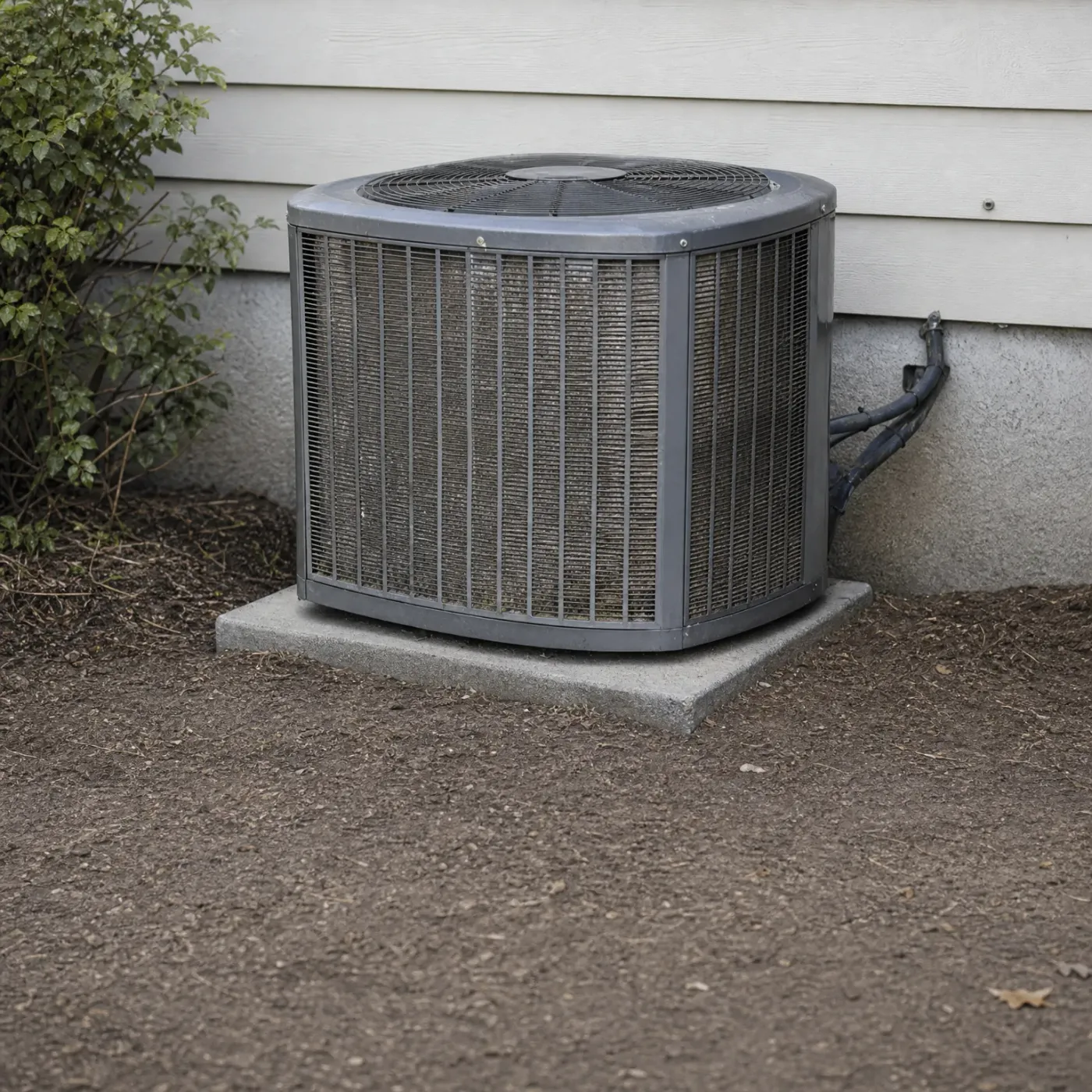
The coil is choked
Dirt and debris packed into the coil guard and fan grille block airflow before the unit ever gets to work on cold outdoor air. A heat pump already straining in freezing weather runs even longer when it can't pull air through a coated coil, and that's a repair, not something that clears on its own.
A heat pump running nonstop on a cold Illinois day is usually doing exactly what it's built to do. Less heat in the outdoor air means longer runtimes, defrost cycles, and backup heat stepping in when needed. What's worth checking is whether the coil is clear, the airflow is right, and the house is holding the temperature you set, warm air rather than hot. If those hold up, the system is keeping pace with the weather. If the house stays cold anyway, or the unit runs the whole day without catching up, that's a different problem, one worth having a contractor look at rather than waiting out. Either way, you don't have to figure out which one it is on your own. Once you send the form, the work of finding the right contractor for your situation is off your plate. Someone who knows these systems and this weather takes it from there, and you can go back to keeping the house warm for the people counting on you.
Get your heat pump to the right pro
After you send the request, you're done searching.