



What the cold actually does here
Winter here is long and it bites. Heat runs eight months a year, October through May, and the overnight low averages 20°F across December, January and February. That's below the point where a standard heat pump starts losing ground. Below 40°F a standard heat pump puts out less than its rated capacity. Below about 35°F it often needs backup heat to make up the difference. Will County's average winter night is under both marks, and every single night that falls to freezing or below, about 125 of them a year, is under both marks too.
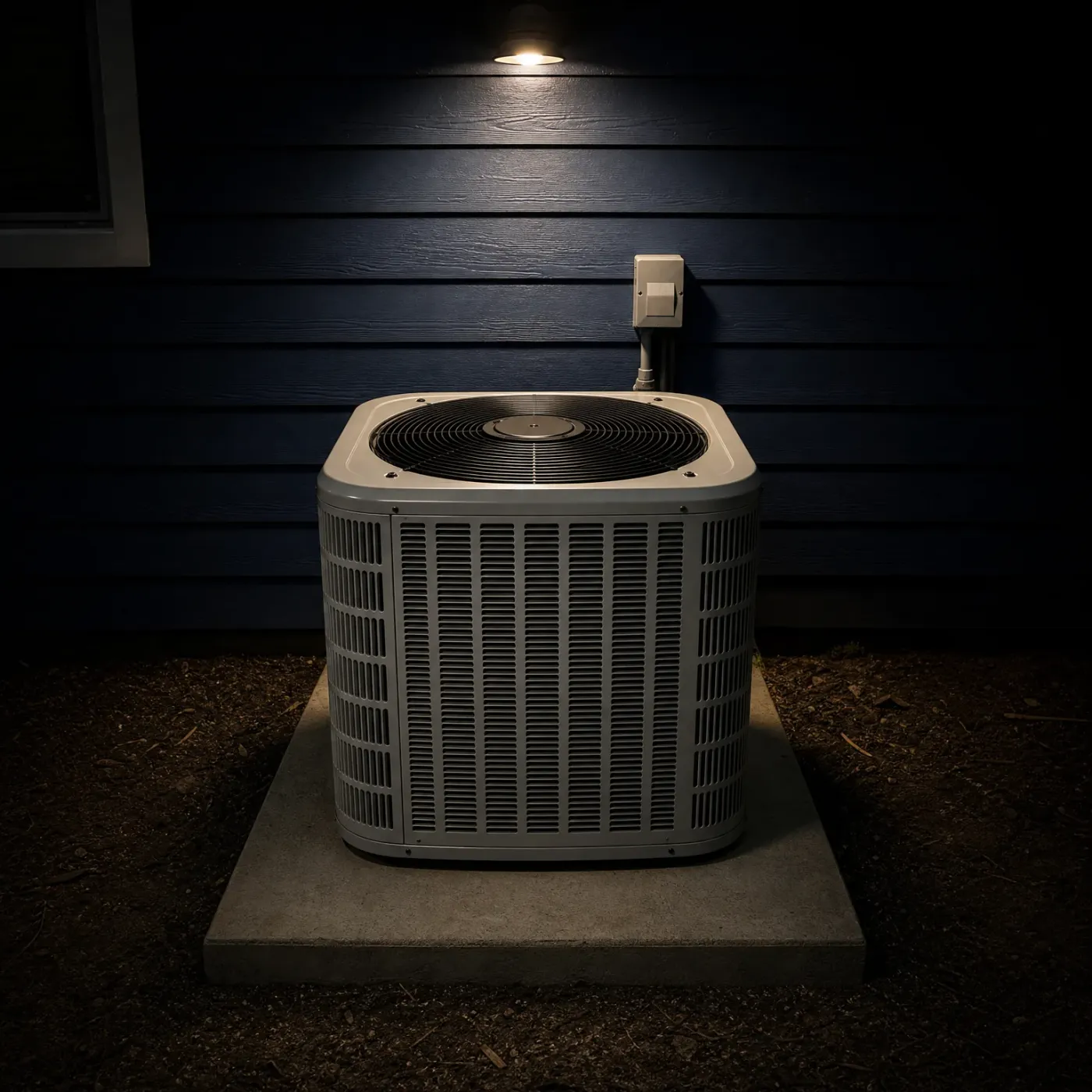
That doesn't mean a heat pump can't heat your house. It means a standard one is working at a disadvantage on more than half the nights of the heating season. A heat pump built to the ENERGY STAR Cold Climate spec is a different machine: it has to deliver real heat at 5°F and hold onto most of its 47°F capacity at that temperature, and that's checked by independent testing, not just claimed on a spec sheet. Field testing on prototype cold-climate heat pumps backs this up. Over two winters of real homes, backup heat covered only a small share of the heat needed between 0°F and 35°F, and running on backup alone was rare even above 0°F. So the real question for your house isn't heat pump versus furnace in the abstract. It's whether the heat pump you're pricing is a standard one or a cold-climate one, because here, that difference matters more than it would somewhere milder.
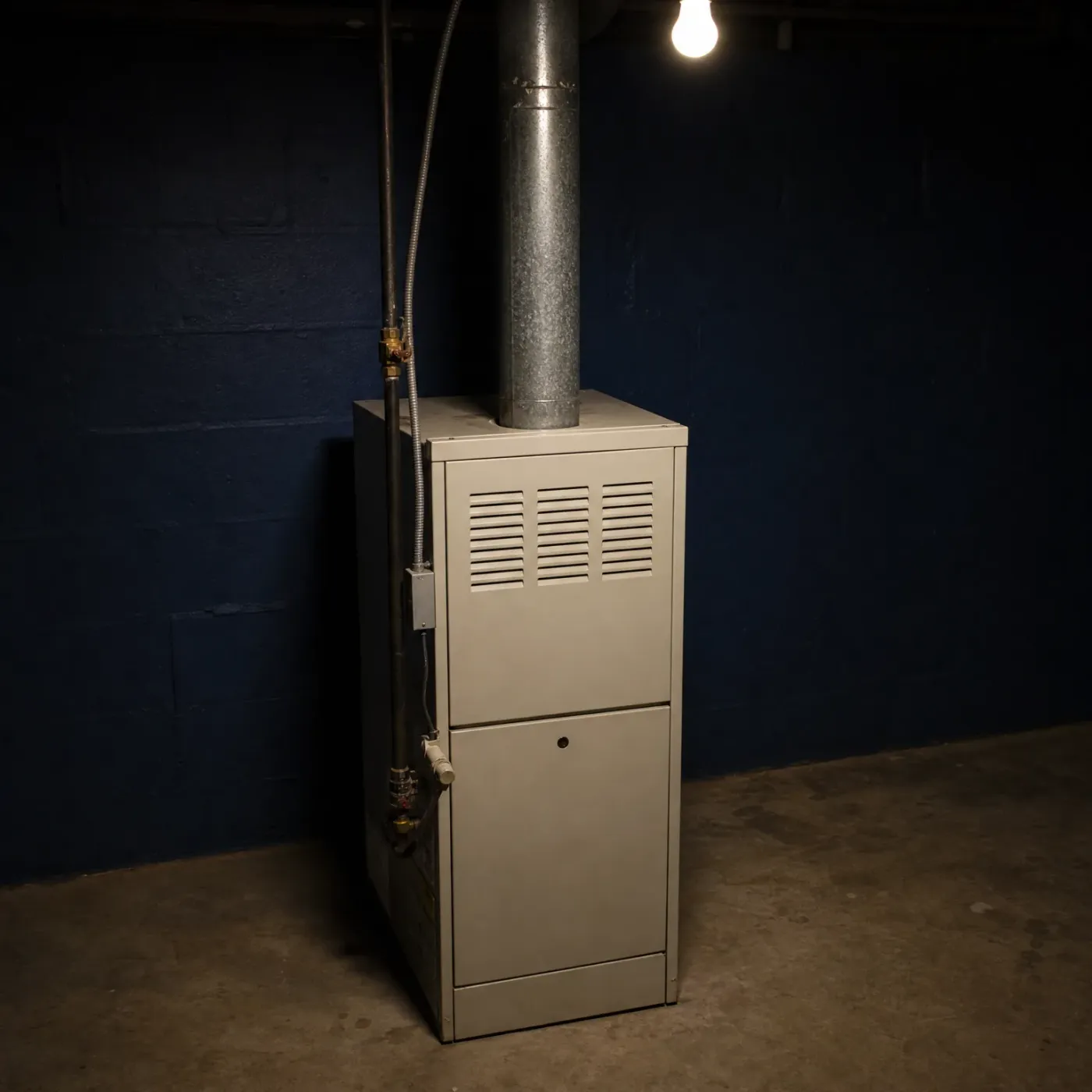
The 0°F nights are the part worth sizing correctly, and they're the smaller part of the problem. Will County sees about 8 of them a year. That's real cold, but it's a short list next to the 125 nights at or below freezing. A furnace doesn't notice the difference between 20°F and 0°F. A heat pump does, which is exactly why the backup heat source matters more than the brand or the ductwork.