


A trimmed hedge borders a mown lawn in front of single-story houses with dark siding and shingled roofs, surrounded by large leafy trees under an overcast sky.

Furnace Installation in Joliet, IL

Tell us about the job

Takes about a minute. No obligation.

Step 1 of 3: Equipment

Will County saw 346 severe weather events between 2015 and 2024. Damaging wind caused 202 of them, hail another 89, and the county had 33 tornadoes in that same stretch. Any one of those can take down a power line. Statewide, 16% of households went at least a day without power in 2024. A furnace with an electric igniter and blower won't run without power, no matter how new it is. That's worth knowing before you pick a system, not after the lights go out.

8 months
October through May, your furnace is on duty
20°F
the average winter night it heats against
88%
of homes here heat with gas, so most furnaces here burn gas
80% AFUE
the federal minimum any new unit must meet
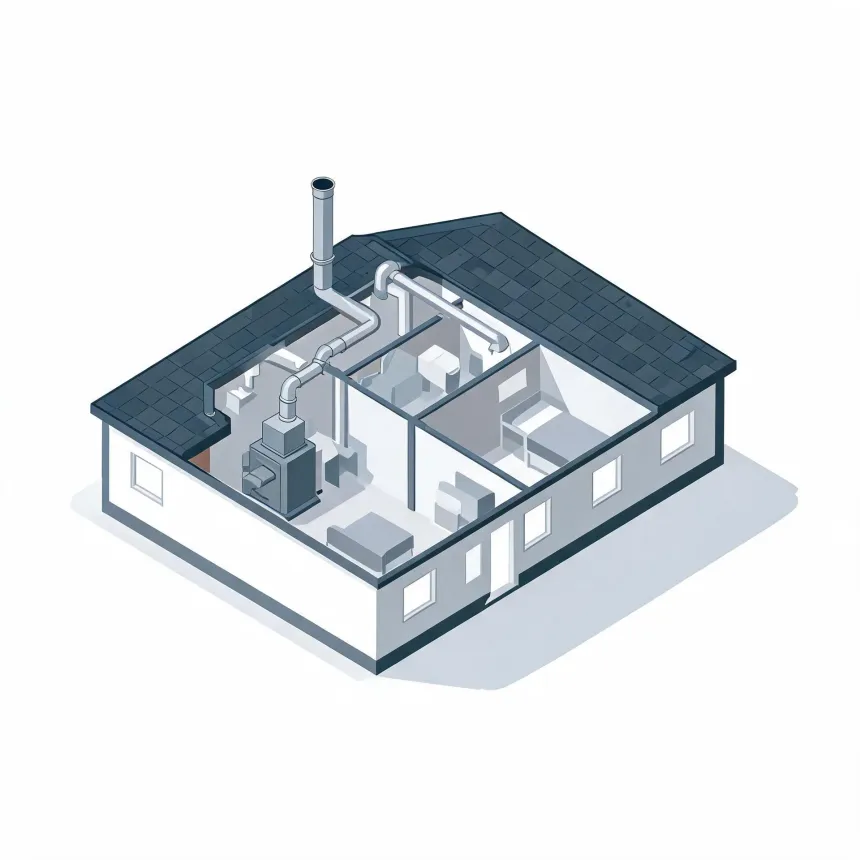
Isometric cutaway illustration of a single-story house with a dark shingled roof, showing interior rooms with furniture and a furnace connected to ductwork and a flue pipe extending above the roof.
Your furnace works hardest from November through March.

NOAA nClimDiv, 1991–2020 normals

Furnaces in Will County start running in October.

Replace it in September and the job happens on your schedule, not during the first cold week.

Almost every house near you runs on gas, and a new furnace should too

87.9% of homes heat with gas
Heat runs October through May
Winter nights average 20°F

Will County falls under zone 5A in the 2021 energy code, a cool zone where heating carries most of the load. Any furnace installed here has to meet that standard. Right now that means turning at least 80 percent of the gas it burns into heat over the winter, a rule that applies to any indoor gas furnace built from November 2015 on. That floor is changing. Furnaces built on or after December 18, 2028 will have to hit 95 percent, so a unit bought now still only needs to clear the lower bar. A contractor can tell you where a given model falls against both numbers.

Plan for the power to go out, not just the cold

A furnace needs power to run no matter how it's fueled. Talk to your contractor about where the outdoor parts of the system sit and what keeps the house warm if the power drops. That's a decision made at installation, not during the outage.

Find a contractor
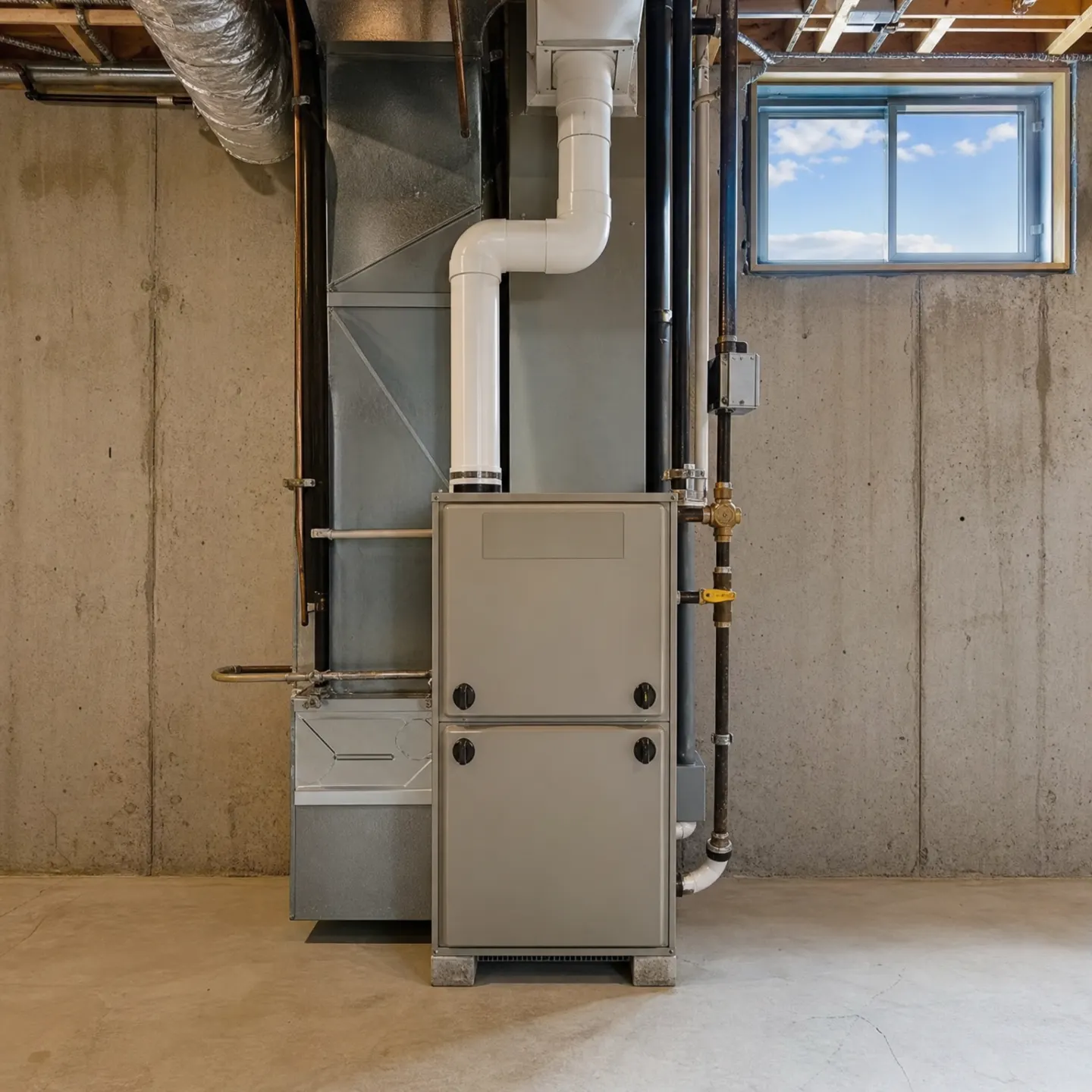
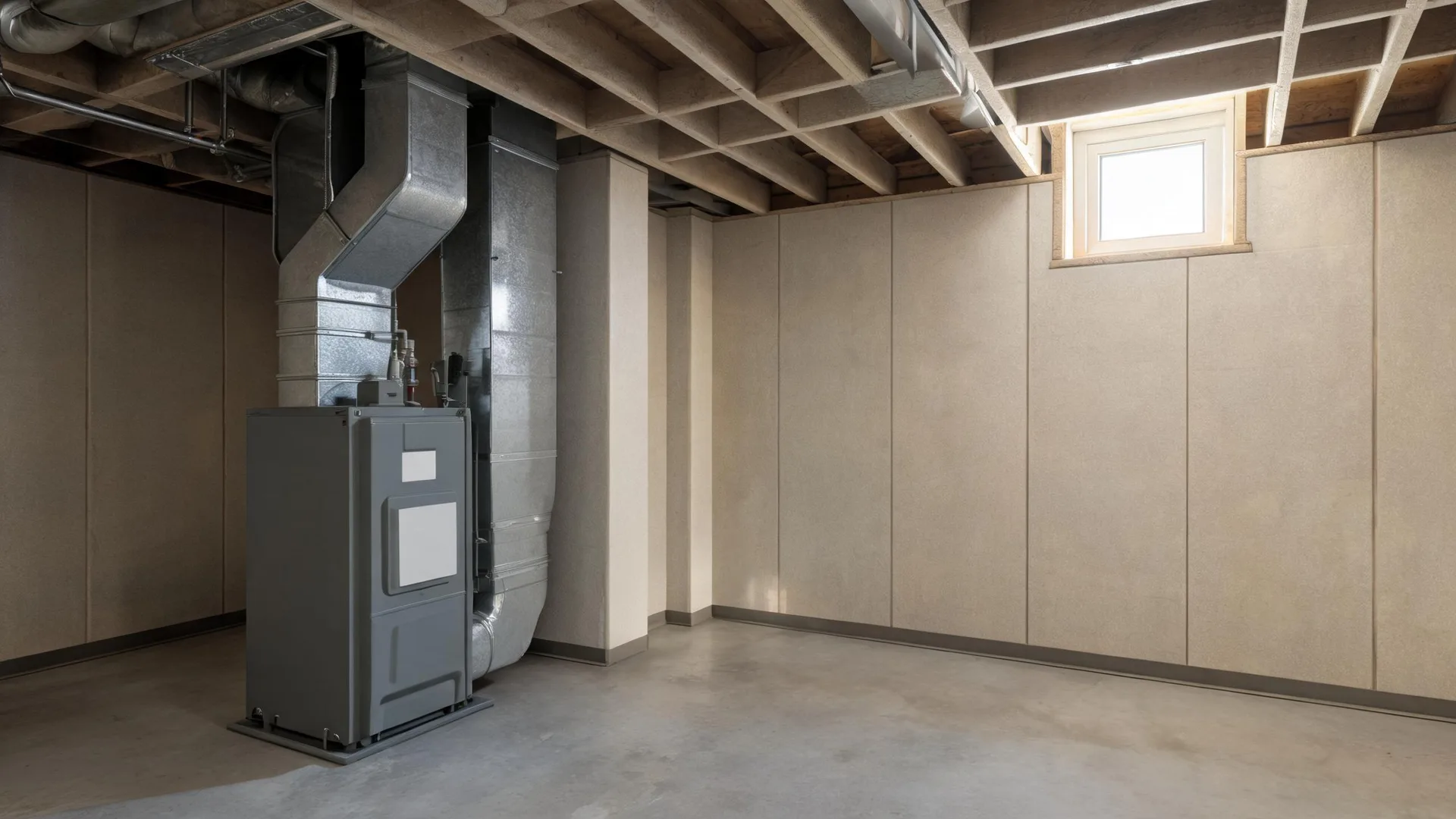
A gray gas furnace with attached ductwork and piping installed in an unfinished concrete basement.

Eight months of the year, this is the machine keeping the house warm

Eight months a year, this furnace will be running. October through May, it's the thing standing between the house and whatever winter is doing outside. That's most of the year spent on, not some of it, and it shows up in how the system ages. The igniter cycles more. The blower motor logs more hours. A furnace sized wrong for the house has eight months a year to make that mistake obvious, not two or three. Get the size right at installation and the unit spends that stretch working the way it's supposed to, instead of working harder than it should.

Ask what keeps it running without grid power

A standard furnace needs electricity for the igniter, the control board and the blower, even on gas heat. Some setups can run on a transfer switch or a standby generator sized to carry the furnace's startup draw, not just its running load. Ask what size generator the unit needs and whether that's a separate purchase.
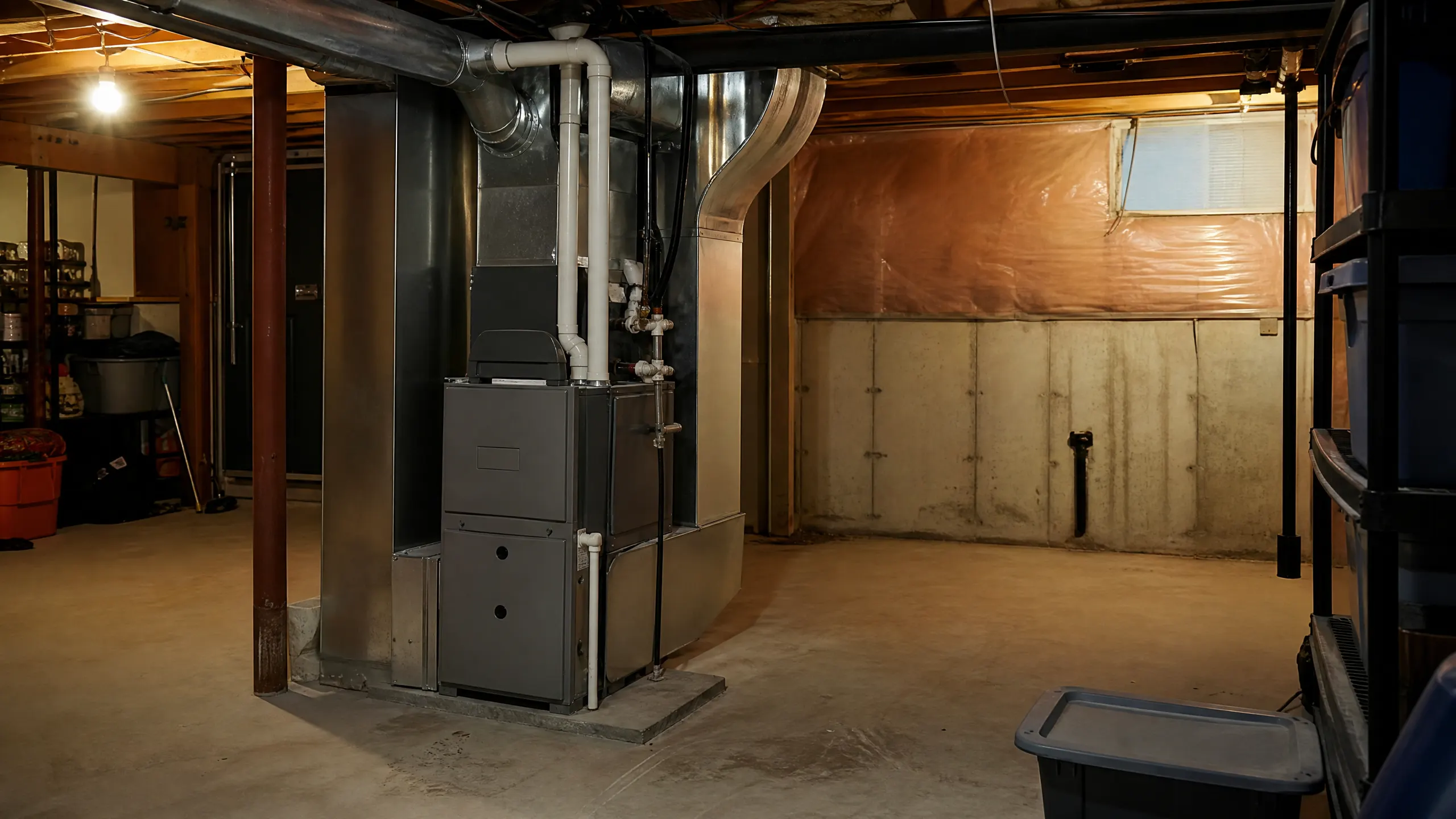
Ask how they sized it, not just what size they're selling

A furnace too big for the house short cycles, turning on and off more than it should, which wears the igniter and the blower motor faster. One too small runs long stretches without catching up on cold days. Sizing comes from a load calculation on the house itself, not a guess based on the old unit or the square footage alone. Ask to see that calculation before agreeing to a size.

A gas furnace with sheet-metal ductwork and PVC pipes installed in an unfinished basement.

A high-efficiency gas furnace would save about $130 a year to run in Will County compared with a gas furnace.

  • A high-efficiency gas furnace$570 a year
  • A gas furnace$700 a year

Estimates for a typical Will County home, from EIA household energy data, Illinois fuel prices and NOAA climate normals. Your home will differ.

Installation starts with the old furnace coming out, and the ductwork and gas line get checked while it's open, not just the unit itself. A tech will look at the venting too, since a new furnace often moves air differently than the one it's replacing. Setting the new unit means leveling it, connecting the gas line, the venting, and the ductwork, then wiring it into the thermostat and power. After that comes startup: checking the flame, the gas pressure, the temperature rise across the heat exchanger, and the airflow at the registers. A combustion analyzer gets used to confirm the furnace is burning clean and venting correctly before anyone calls the job done. The last step is walking through the thermostat settings and the filter location, so the furnace is left running right, not just running.