


Can a heat pump keep up with winter here
The heat runs seven months a year here, October through April, and the overnight low averages 25°F across December, January and February. Nights at or below freezing happen about 100 times a year, roughly half the nights the heat is running. Nights at 0°F or below are rare, about 2 a year.
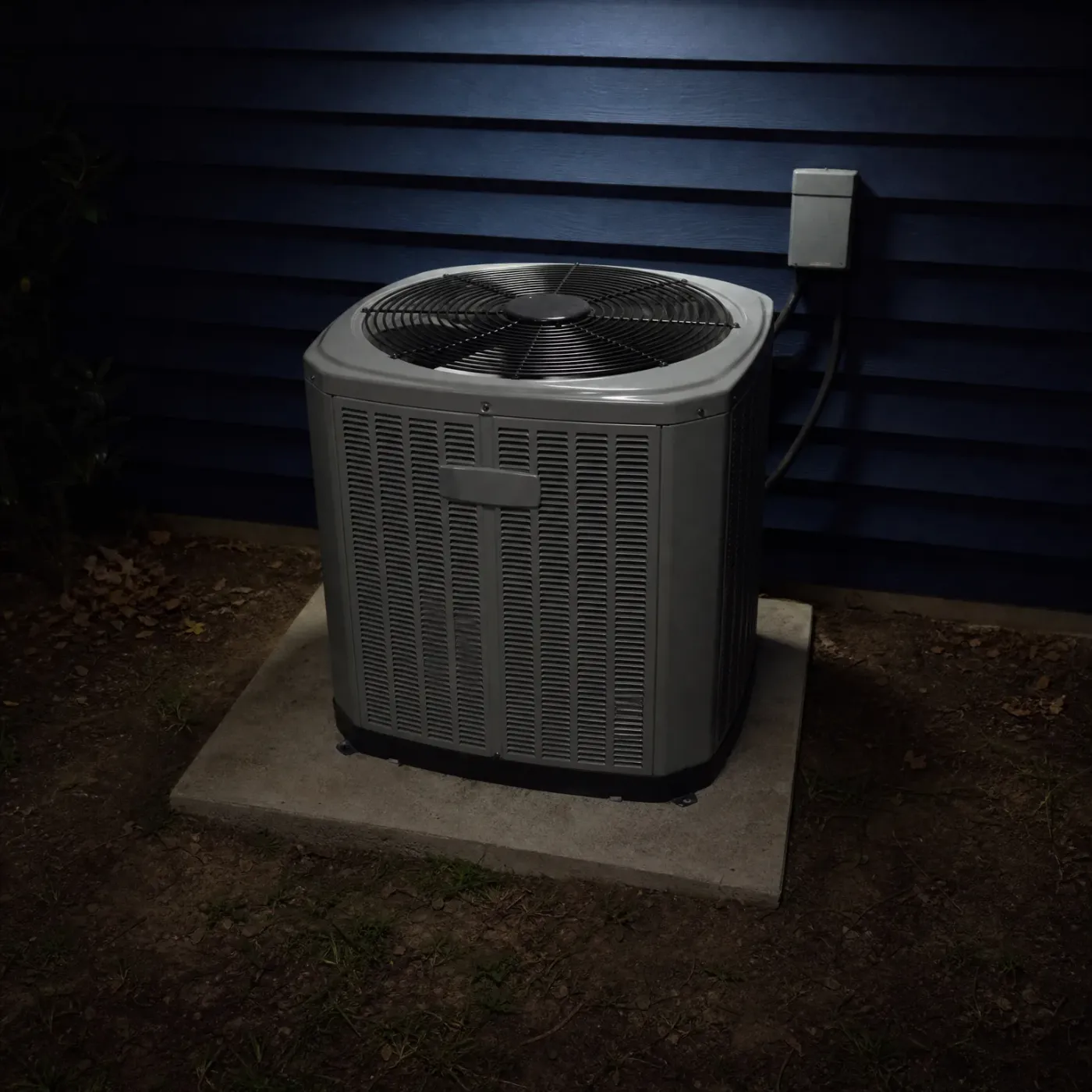
A standard heat pump puts out less than its rated heat once it drops below 40°F outside, and below about 35°F it often needs backup heat to keep the house warm. Clinton County's average winter night, 25°F, is below both marks. So is every single one of those 100 nights at or below freezing. A standard heat pump here would be leaning on backup heat on about half the nights of the heating season, not just on the rare cold snap.
A heat pump built to the ENERGY STAR Cold Climate spec is tested differently. It has to still make 1.75 units of heat for every unit of electricity at 5°F, and hold onto 70 percent of its warm-weather capacity at that same temperature, checked by an outside tester, not the manufacturer. A two-winter field test of prototype cold-climate heat pumps in occupied homes found backup heat covered only a small share of the heat needed between 0°F and 35°F, and running on backup alone was rare even above 0°F. A standard heat pump and a cold-climate one are not the same purchase in a county built like this one.