Clinton County asks for both
Zone 4A means your heat pump works both sides of the year. It heats through the winter and cools through the summer. Neither job is extreme here. That's a normal full-year schedule, not unusual strain on the system.
Takes about a minute. No obligation.
Zone 4A means your heat pump works both sides of the year. It heats through the winter and cools through the summer. Neither job is extreme here. That's a normal full-year schedule, not unusual strain on the system.
A heat pump acting up in a climate like this is rarely about the weather. More often it's a low refrigerant charge. Or a failing capacitor. Or a reversing valve stuck in one position. Find which one it is and the repair is straightforward.
NOAA nClimDiv, 1991–2020 normals
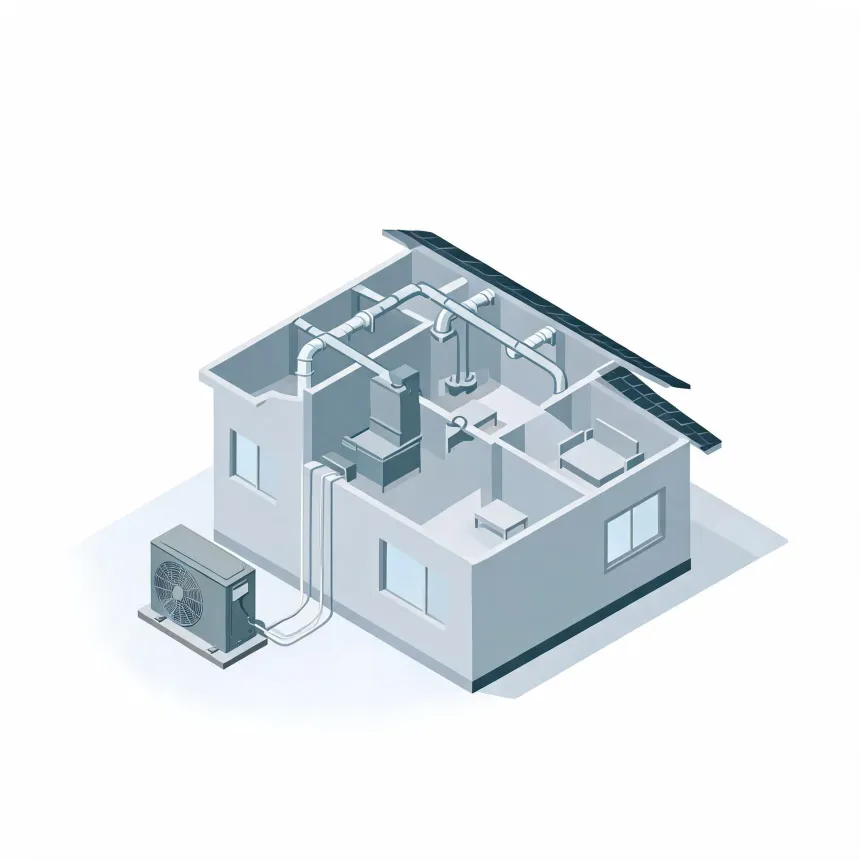
Heat here starts in October, cooling starts in May.
The first cold snap or the first warm stretch is when a weak part finally gives out.



Half the homes in Clinton County were built in 1977 or earlier, and half in 1977 or later. That split doesn't point to one kind of heat pump problem over another. An older house might still have its original ductwork, or it might have been fully redone at some point. A newer house isn't protected from a failing capacitor or a low charge just because it's newer. So the age of your house isn't the clue here. What matters is what the unit is actually doing. Short cycling. Air that isn't warm enough or cool enough. Running nonstop without reaching the set temperature. That's what tells a contractor where to look, not the year the house went up.
A heat pump that's low on charge or stuck in one mode doesn't just underperform, it runs longer to make up for it. At 15.87 cents a kWh, that shows up on your bill before the season's over. Get the real cause found now and it stops costing you.
Find a contractor
A heat pump works every day of the year, so a problem does not wait for an extreme season to show up. It shows up as a change you can feel. It might run longer than it used to without the house getting as warm or as cool. It might cycle on and off in short bursts instead of settling in. Outside, the unit might ice over when it shouldn't, or sit in defrost longer than normal. Inside, the air from the vents might feel barely warm in winter or barely cool in summer, even while the system keeps running. None of that is something to just live with. A heat pump working that hard to hold a temperature has a specific part behind it, and that part will not fix itself.
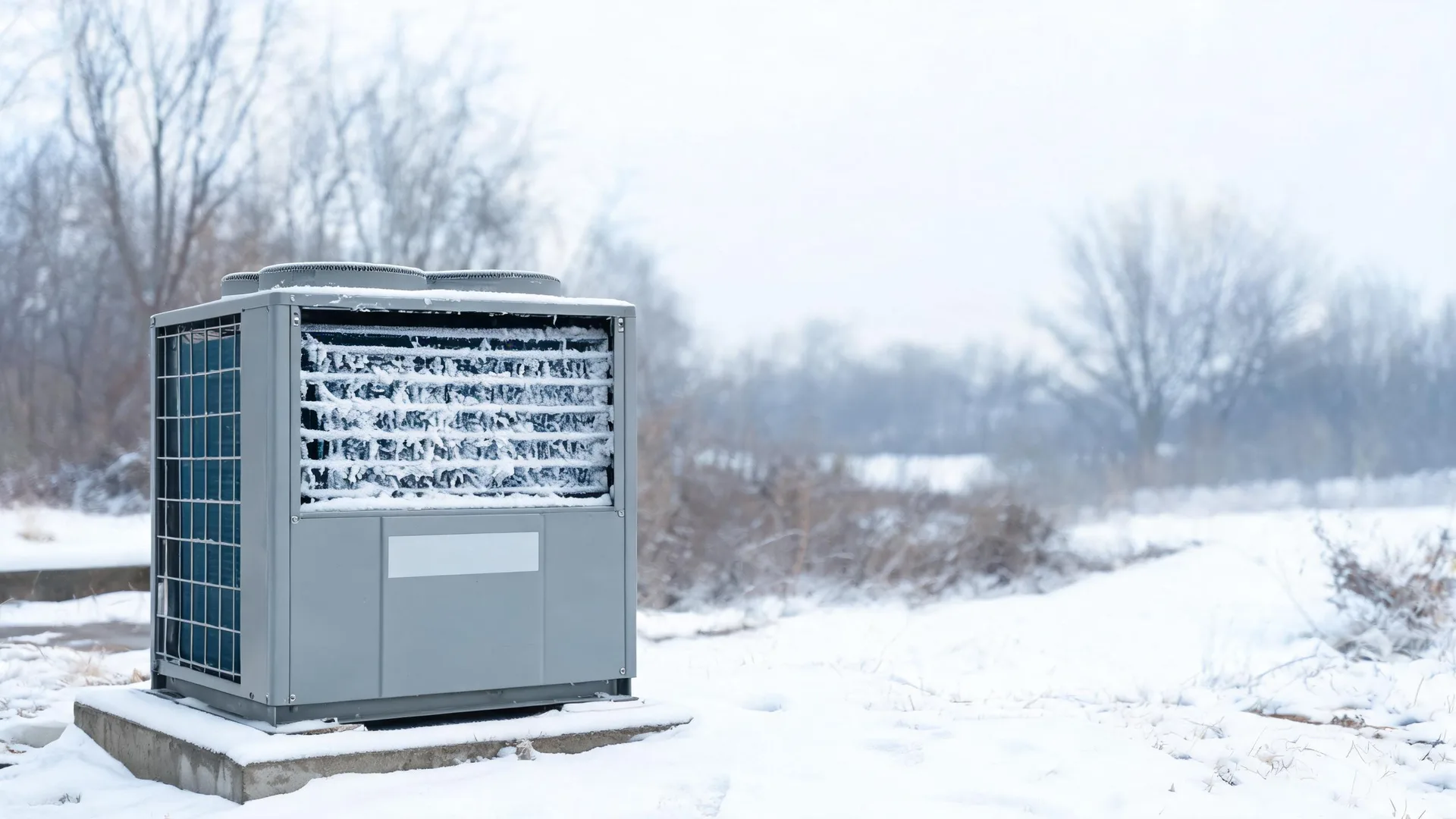
Look at the outdoor unit first. If it's caked in ice outside of a normal defrost cycle, or buried in leaves and debris, that alone can stop it from heating or cooling right. Check the thermostat batteries and make sure it's set to the right mode, heat or cool, not just on. Walk around the house and look at every vent. If one room gets airflow and another doesn't, that's worth noting before the contractor arrives. Change the air filter if you haven't in a while. A clogged filter chokes airflow and can mimic a much bigger problem.
Don't take the cover off the outdoor unit or touch the refrigerant lines. Charging a heat pump takes gauges and training, and getting it wrong can damage the compressor. Don't keep flipping the system between heat and cool trying to force a reaction, that can trip it into a protective lockout and tell you nothing useful. If the breaker has tripped, you can reset it once, but if it trips again, stop and call someone. A breaker that won't hold is telling you there's a real electrical fault, not a fluke.
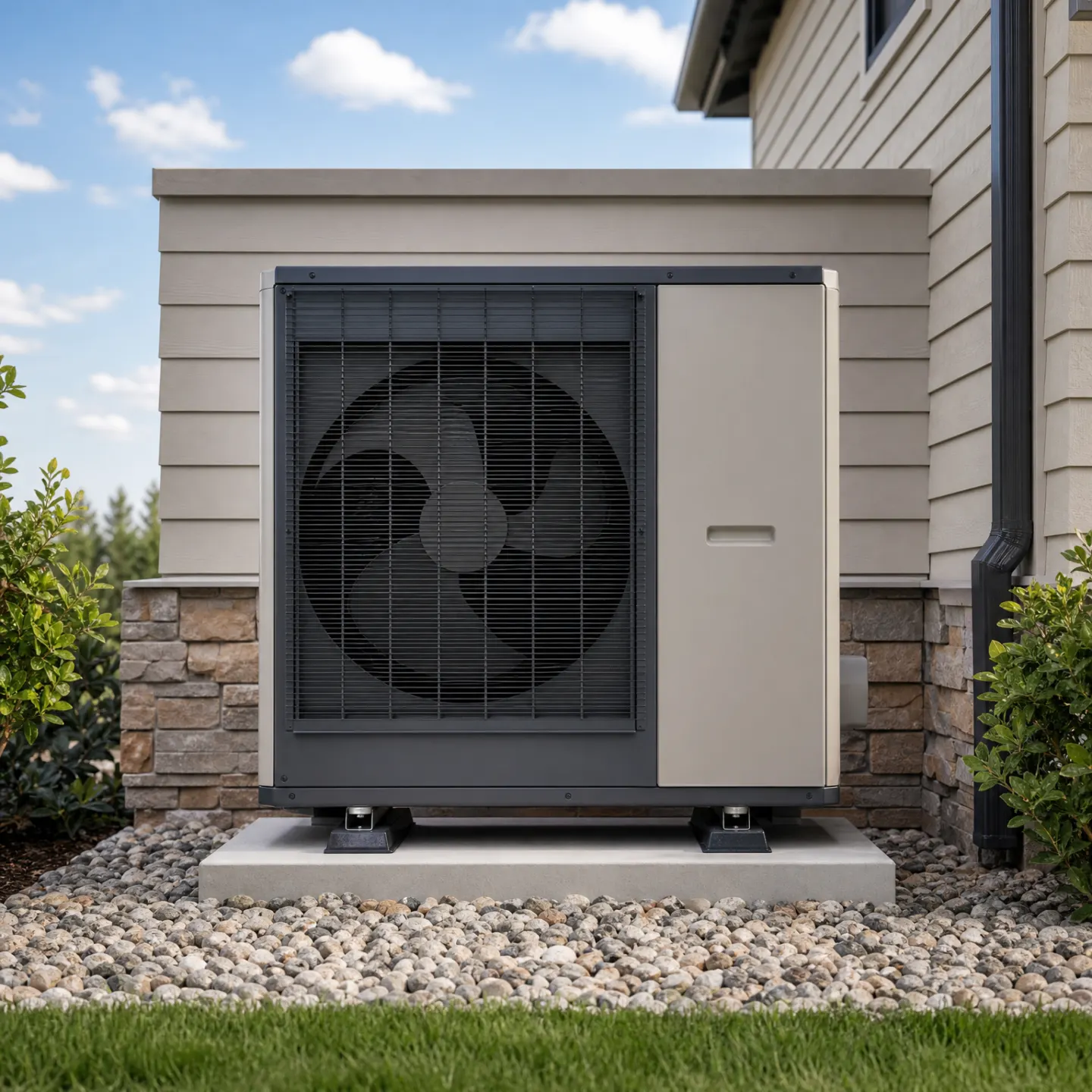
A heat pump that's struggling doesn't fail all at once. It fails a little more every hour it runs. Take a low refrigerant charge. The compressor still tries to move the same amount of heat with less to work with, so it runs longer and pulls harder on every cycle. That extra strain is what burns out a compressor early, and a compressor is the part you don't want to replace. Or take a reversing valve stuck halfway. The system keeps cycling, keeps drawing power, and never actually gets the house to temperature, so it just keeps going. Shutting it off while you wait for a contractor doesn't fix anything, but it stops that one part from getting worse before someone can get eyes on it.
Repair versus replacement usually comes down to what's failing, not just how old the unit is. A capacitor, a contactor, a fan motor, these are normal wear items. They fail on their own schedule and swapping one out doesn't say anything bad about the rest of the system. The compressor is different. It's the expensive part, the hard part to justify replacing on its own, so when a contractor finds compressor trouble, that's usually the point where the conversation shifts to the whole unit. Age matters here only because it tells you how many of these wear parts have already been through their cycle. A unit that keeps needing unrelated repairs close together is telling you something different than one that's run clean for years and just tripped its first real fault. Ask what failed and why, not just what it costs to fix it.