


Can a heat pump keep up here
Winter here is long and it gets genuinely cold. The heat runs eight months a year, October through May, and the overnight low averages 20°F across December, January and February. That's the number that matters for this choice, because a standard heat pump starts falling short of its rated heat output below 40°F, and often needs backup heat below about 35°F. An average night here sits below both marks.
About 125 nights a year here drop to freezing or below, roughly half of the nights the heat is running. That's not a few cold snaps. That's most of the winter spent in the range where a standard heat pump is working harder than its rating suggests and may be leaning on backup heat to make up the difference. Only about 8 nights a year reach 0°F, so the brutal cold is rare, but the mild-freezing-to-20°F range it lives in all winter is the norm, not the exception.
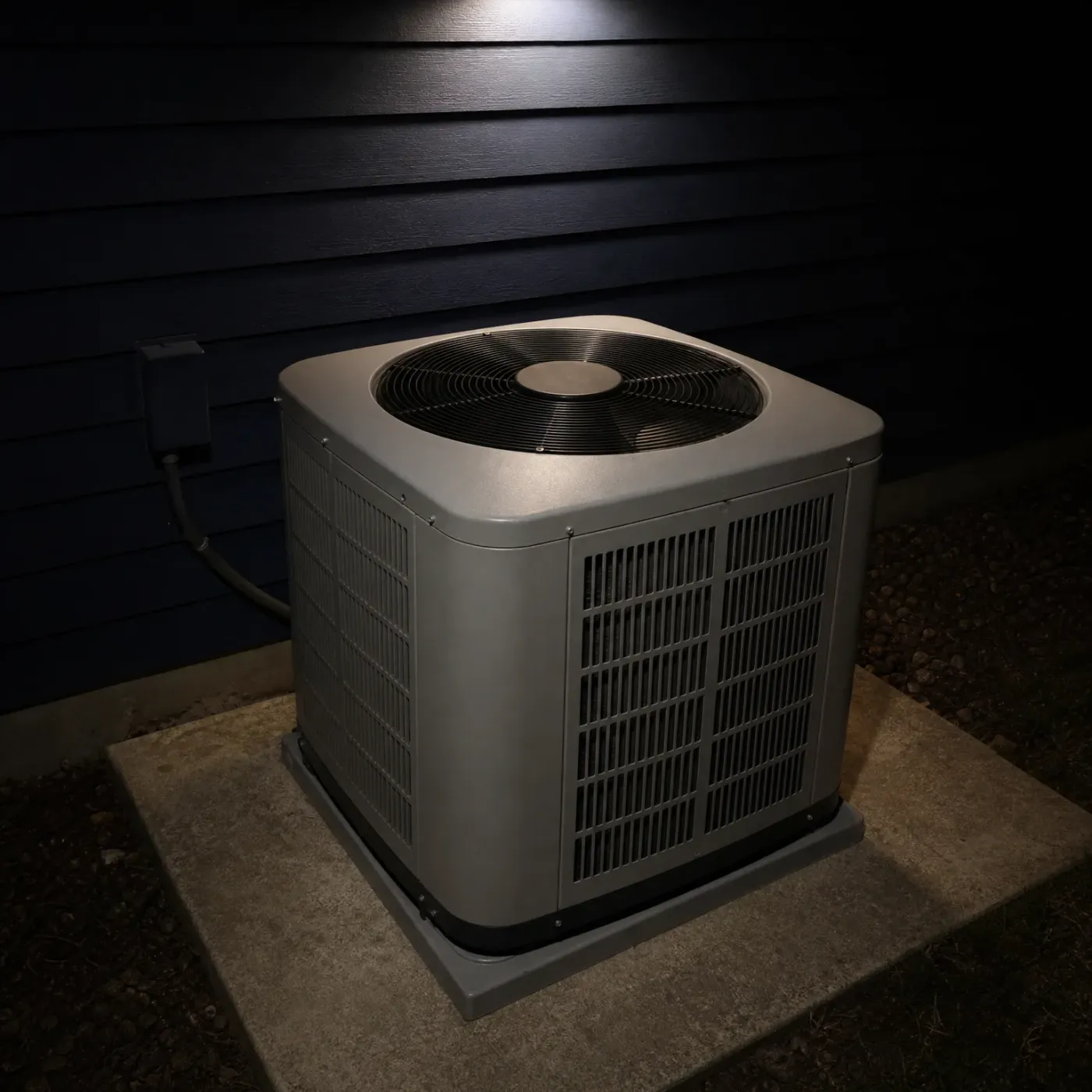
This is where the cold climate models change the math. Built and tested to hold at least 70 percent of their 47°F output down at 5°F, and to keep making heat at a real efficiency instead of just running backup strip heat, they close most of the gap a standard heat pump opens up here. Field testing on these units in occupied homes backs that up: backup heat carried only a small share of the load even between 0°F and 35°F, and running on backup alone was rare except right at 0°F. If a heat pump goes into this house, this is the category it has to come from.