This county gets hit
Tazewell County logged 261 severe weather events between 2015 and 2024, including 154 damaging wind events, 82 hail events and 15 tornadoes.
Takes about a minute. No obligation.
Tazewell County logged 261 severe weather events between 2015 and 2024, including 154 damaging wind events, 82 hail events and 15 tornadoes.
A heat pump's outdoor unit sits outside year round, exposed to hail and wind-blown debris. A dented cabinet or a bent coil fin can still run for a while, but it won't run right.
NOAA nClimDiv, 1991–2020 normals
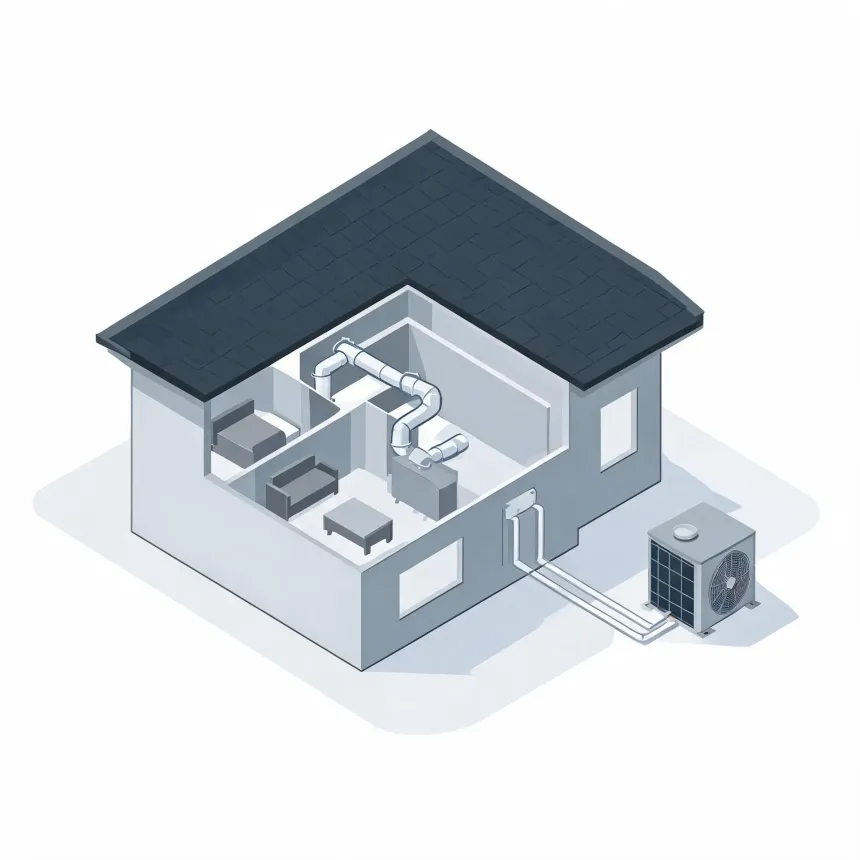
A heat pump in Tazewell County runs for both jobs, heat in winter and humidity on top of heat in summer.
That split duty means more hours on the compressor than a furnace or an AC alone ever sees.



A heat pump that's struggling still pulls power, often more of it than a healthy one. Electricity here averages 17.94 cents per kilowatt-hour, higher than most of the country pays. A worn contactor or a low charge makes the compressor work longer to hit the same setting, and that shows up on the bill before it shows up as a breakdown. The longer a repair waits, the more those extra hours cost you. Fixing it sooner keeps that cost from compounding.
A heat pump can run for a while with a dented cabinet or a bent coil fin, then stop at the worst time. If yours has been through wind, hail or a falling branch recently, have it checked before you need it again.
Find a contractor
Half the homes in Tazewell County were built in 1969 or earlier. A heat pump that came with a house that age has likely been replaced at least once already, but the ductwork and electrical behind it usually haven't changed. If your system is original to an older install, a big repair is worth weighing against what's left in the unit. A compressor or a reversing valve near the end of its run can cost more to fix than it's worth keeping.
A heat pump low on refrigerant makes the compressor work harder to move the same heat. That extra strain builds more heat inside the compressor than it was built to handle. Left running, a slow leak that started as reduced output can end with a burned-out compressor, which costs far more than fixing the leak would have.
Ice on the outdoor coil blocks airflow, and a system that keeps trying to run through it pulls in warm refrigerant gas instead of liquid. That gas has nowhere to go but back into the compressor, and liquid refrigerant doesn't compress the way gas does. A compressor isn't built to handle that and can fail from it.
Before calling anyone, look at the thermostat first. Make sure it's set to heat or cool as needed and the setting is actually past room temperature, not sitting right at it. Check the outdoor unit for anything blocking it: leaves, a fallen branch, snow piled against the cabinet. Airflow in and out of that unit matters, and a few inches of clearance can be the difference between it running fine and tripping out. Go inside and check the air filter. A filter clogged with dust chokes airflow across the indoor coil, and a heat pump starved for airflow will ice up or short cycle. Last, check the breaker panel. A heat pump that won't start at all sometimes just needs a reset switch flipped back on, nothing more.
Hail and wind are hard on the outside of the unit, but they take a toll inside it too. A compressor already running long hours from double duty doesn't have much margin left when a storm adds a bent fin or a jolt from a power surge. That's usually why a heat pump that was fine all spring suddenly short cycles or won't hold its setting after a bad week of weather. A tech can check the charge, the contactor and the coil in one visit and tell you whether what you're seeing is wear, storm damage, or both. Chasing the symptom without that diagnosis just means paying for the same repair twice.