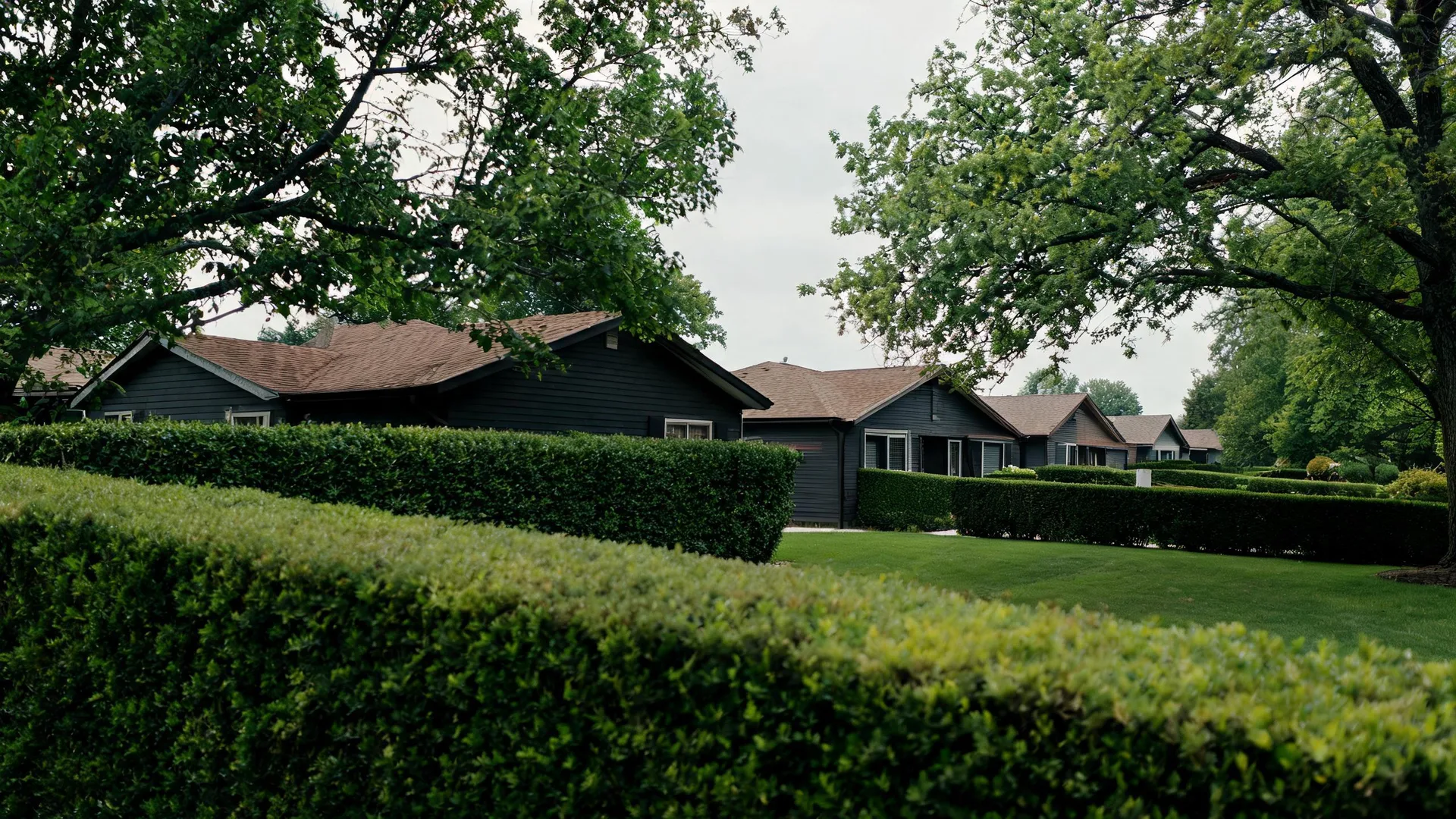
A row of dark-sided single-story houses with shingled roofs behind trimmed hedges and mown lawn, framed by large leafy trees under an overcast sky.

Furnace Installation in Pekin, IL

Tell us about the job

Takes about a minute. No obligation.

Step 1 of 3: Equipment

Tazewell County gets hit with real storms

Tazewell County recorded 261 severe weather events between 2015 and 2024. That includes 154 damaging wind events, 82 hail events and 15 tornadoes, plus 10 winter storms with heavy snow and ice. Statewide, 16% of Illinois households lost power for 24 hours or more in 2024.

A furnace install has to plan for that

A furnace needs electricity to run, from the igniter to the blower motor. A long outage means no heat until power comes back, no matter how new or efficient the furnace is. Hail and wind do their damage outside, to the parts of the system sitting outdoors, but the same storms are what knock the power out in the first place. Installing a furnace here means planning for both.

8 months
October through May, your furnace is on duty
20°F
the average winter night it heats against
73%
of homes here heat with gas, so most furnaces here burn gas
80% AFUE
the federal minimum any new unit must meet
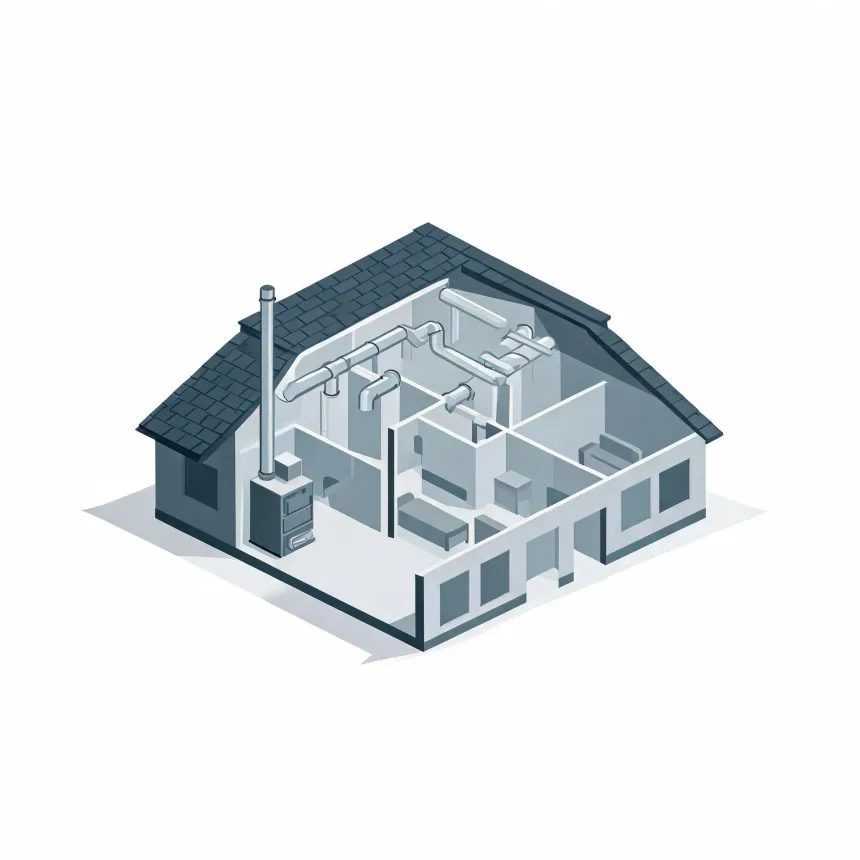
Isometric grayscale illustration of a cutaway house showing interior rooms, ceiling ductwork, a flue pipe, and a furnace unit on the left side.
Your furnace works hardest from November through March.

NOAA nClimDiv, 1991–2020 normals

Half the homes in Tazewell County were built in 1969 or earlier.

A furnace going into a house that old has to match the house, not just the floor plan.

Eight months of heat depend on a furnace, and the power behind it

Heat runs October through May
Winter nights average 20°F
Climate zone 5A

Illinois gas ran $10.64 per million Btu in 2024. That's cheap enough that the highest-efficiency furnace on the lot will take years to earn back its price difference in lower bills. So the question worth spending on isn't the efficiency rating. It's whether the furnace will start reliably on a cold morning and keep running through the kind of storm that knocks out power in this county. A mid-efficiency furnace that starts every time beats a high-efficiency one that doesn't, and here, fit and reliability are what pay off.

Plan the install around the outages, not just the cold

Talk to your contractor about where the furnace and any outdoor equipment go, and what happens to your heat the next time the power drops. That's part of the install, not an afterthought.

Find a contractor
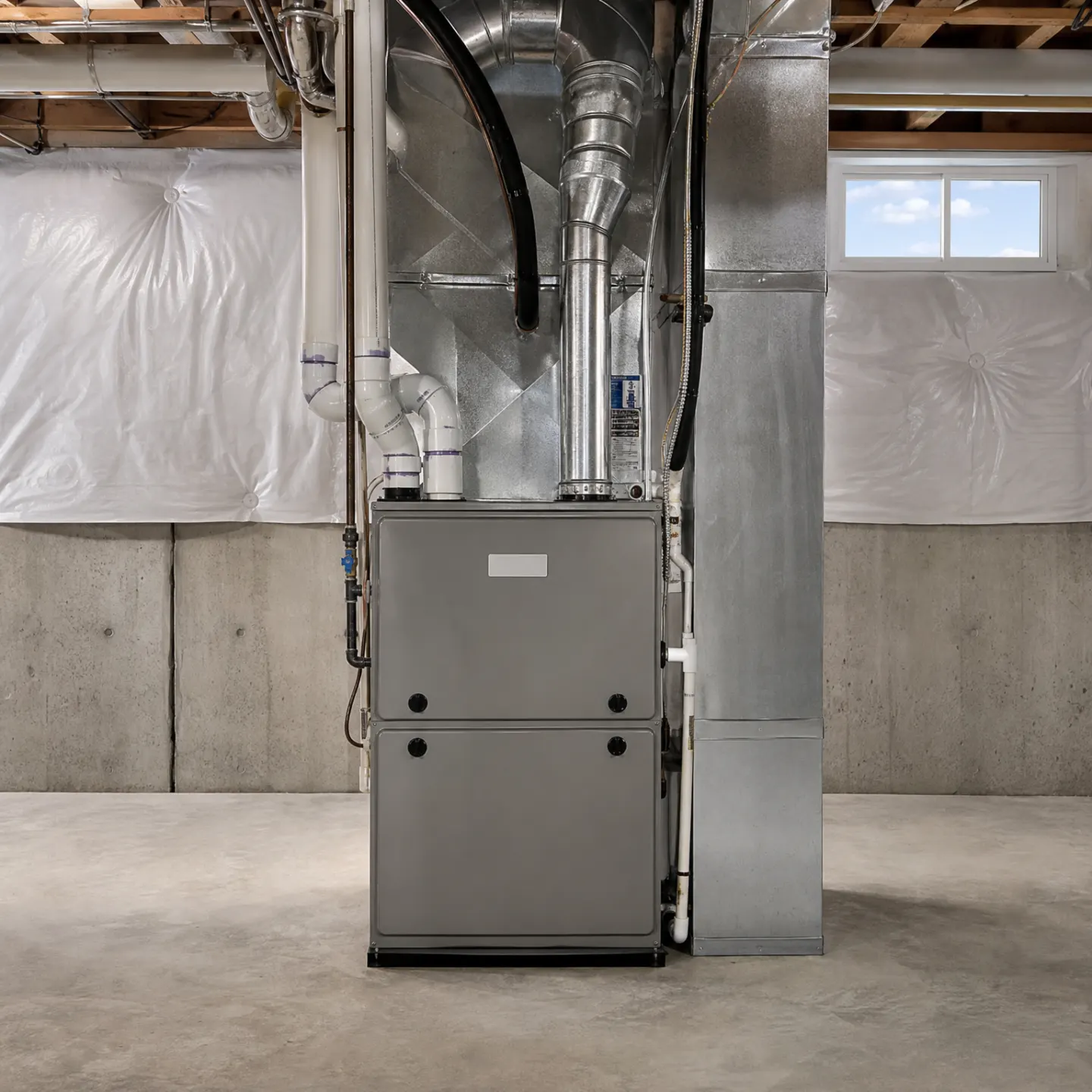
A gray residential gas furnace installed in an unfinished basement, connected to sheet-metal ductwork and PVC pipes.

Size it for the house you have, not the one that was in there before

If your house is one of the older ones here, built in 1969 or earlier, get a load calculation done rather than a straight swap. That means someone measures your square footage, your windows, how the house is laid out, and sizes the furnace to that. A lot of older homes ended up with a furnace sized off the one before it, which was sized off the one before that, and nobody actually ran the numbers. This is the point to fix that, while it's already being replaced.

Ask what happens when the power comes back

A furnace with an electronic ignition needs power to light, every single time it calls for heat. Most furnaces reset themselves and fire right back up once power returns, no intervention needed. But ask the contractor to confirm that for the specific model, and ask what the thermostat does too. A thermostat that loses its programming in an outage can leave a furnace sitting idle even after the lights come back on.

Ask where the parts sit and what can reach them

A furnace installed in a basement or utility closet is protected from wind and hail by the walls around it. Ask whether any part of the system, like a direct vent terminal or intake pipe, sits outside the house where debris can block it or damage it. A blocked vent can shut a furnace down on a safety switch even when everything inside is working fine.

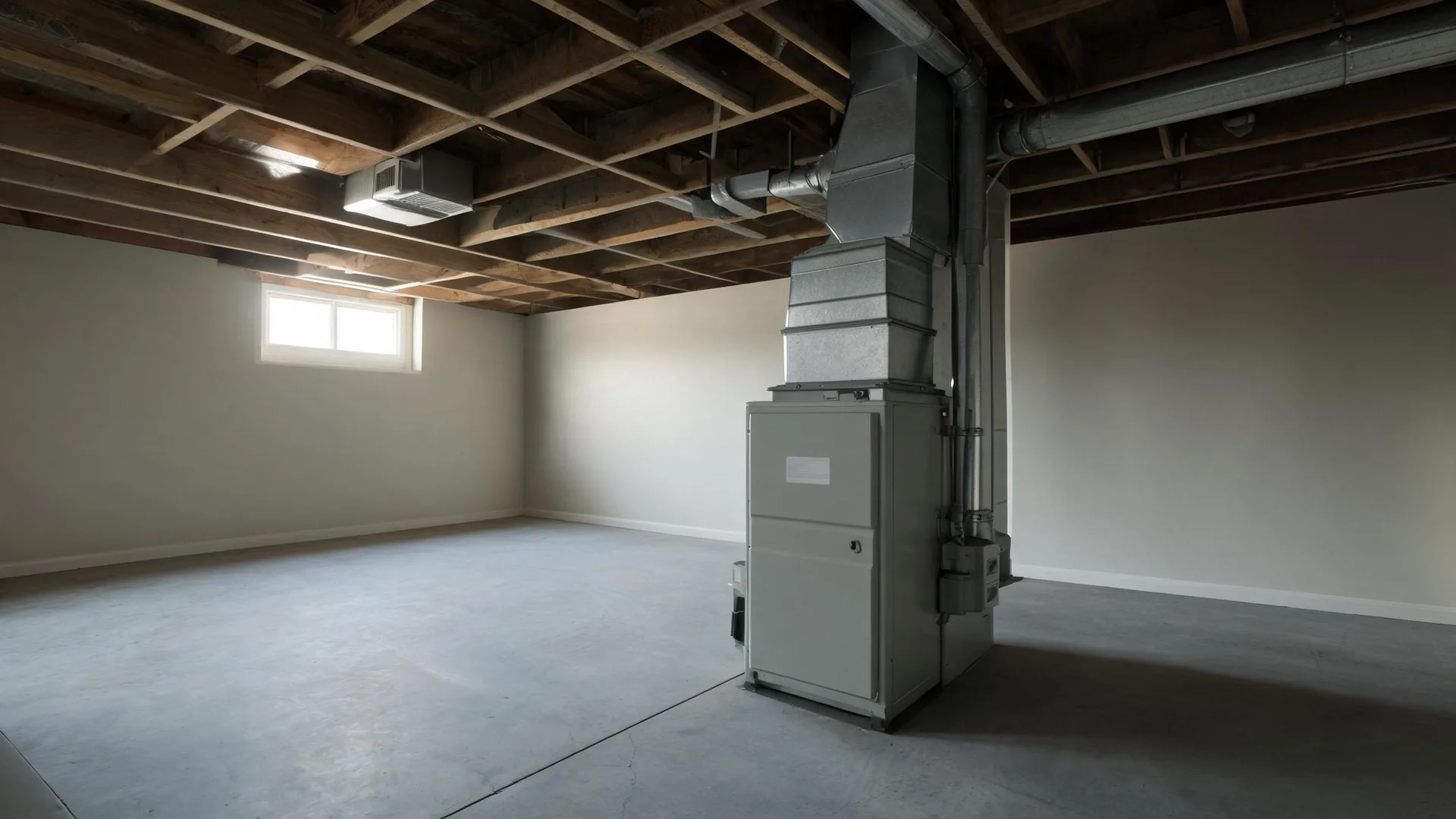
An unfinished basement interior featuring a large metal furnace unit, exposed ceiling joists, concrete walls, and scattered boxes and cables on the floor.

A high-efficiency gas furnace would save about $110 a year to run in Tazewell County compared with a gas furnace.

  • A high-efficiency gas furnace$540 a year
  • A gas furnace$650 a year

Estimates for a typical Tazewell County home, from EIA household energy data, Illinois fuel prices and NOAA climate normals. Your home will differ.

Installation day starts with the old furnace coming out, along with the vent pipe, gas line connection and ductwork transitions tied to it. The installer checks the gas line, the venting and the electrical connection before the new unit ever goes in, because the new furnace has to match what's actually there, not just drop into the old footprint. Setting the furnace means leveling it, connecting the ductwork, sealing those connections so air isn't leaking out before it reaches the rooms, then running the gas line and venting to the new unit. After that comes the electrical hookup and thermostat wiring. Once it's all connected, the installer fires it up and checks the flame, the airflow coming out of the supply vents, and the temperature rise across the furnace to confirm it's running the way it should. The last step is testing the safety controls, the ones that shut the furnace down if venting is blocked or if it overheats, since those are what keep the system safe through years of running.