

Heat pump vs furnace in Sangamon County, Illinois

Price a Replacement

Quotes from pros near you

Which costs less to run in Sangamon County?

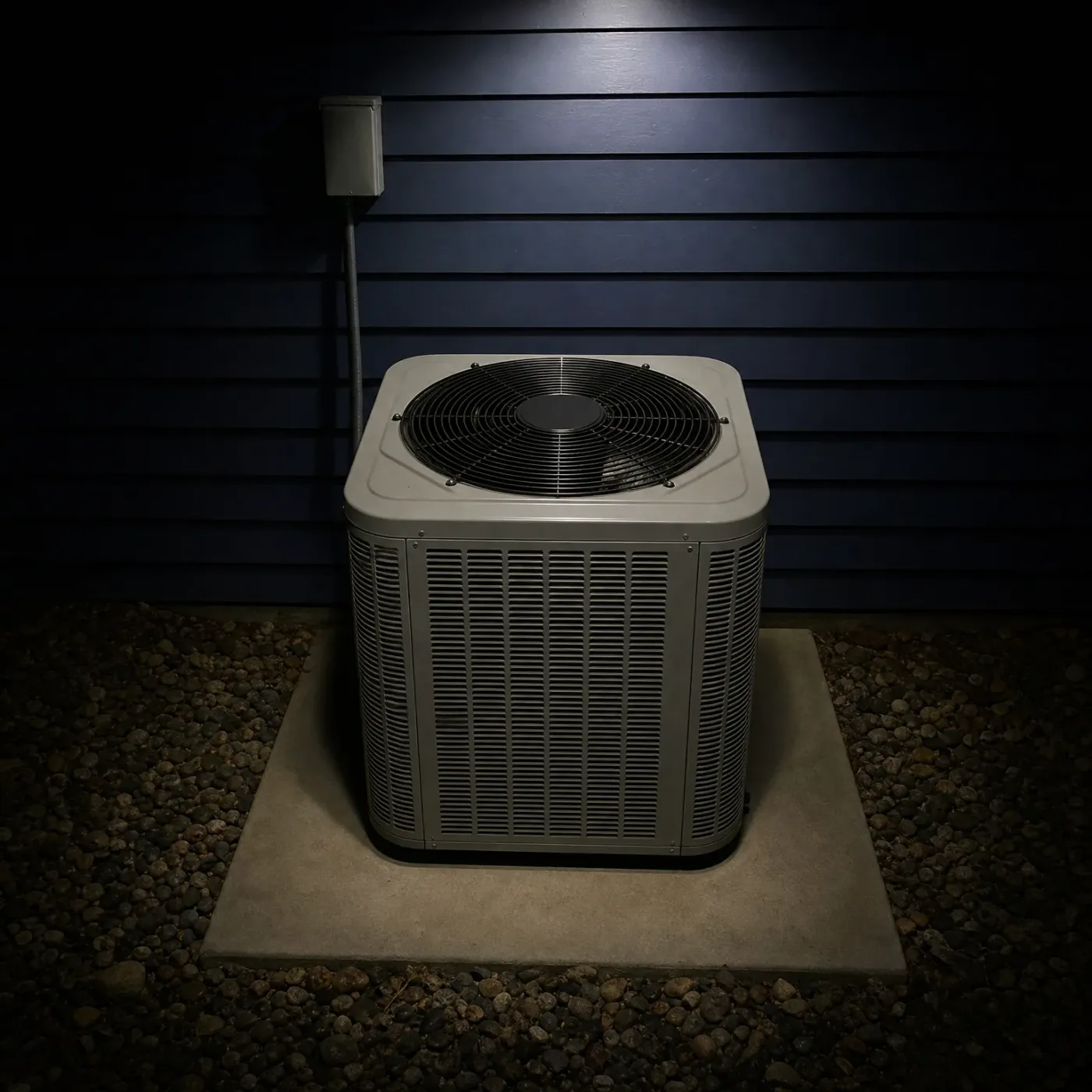
An outdoor air conditioning condenser unit with a top-mounted fan grille sits on a concrete pad surrounded by gravel, in front of dark horizontal lap siding with a wall-mounted disconnect box and conduit.

Heat pump

To heat your home here$2.12per 100,000 Btu

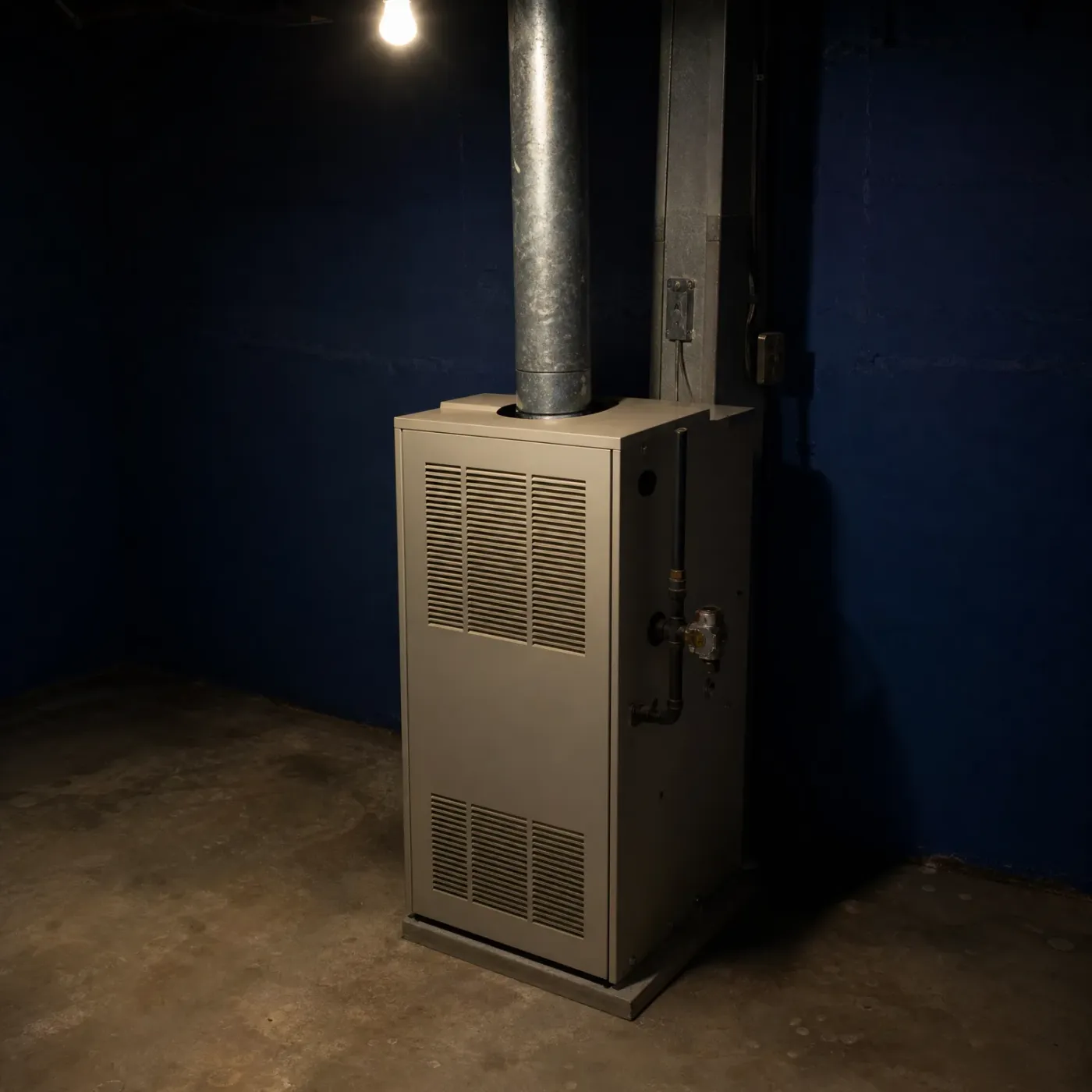
A beige sheet-metal furnace with louvered vent panels and side gas piping stands in a basement corner against dark blue painted walls, with a galvanized flue pipe rising to the ceiling and a bare light bulb overhead.

Furnace

To heat your home here$1.33per 100,000 Btu

At Illinois's gas and electricity prices, a gas furnace makes the same heat as a heat pump for at least 37% less.

Btu stands for British thermal unit, the standard measure of heat energy.

Where does a heat pump shine?

  • Covers a long cooling season

    May through September is five months of cooling here in Sangamon County, and a heat pump handles that whole stretch on its own. One system doing the work all year, instead of switching between two.

    A covered porch with blue lap siding, white columns and a wood ceiling fan, furnished with brown wicker chairs with navy cushions, potted ferns, and a glass of iced tea on a wooden table, with green trees beyond.
  • Steady, even comfort

    It eases up and down with the weather. There are fewer swings between too warm and too cool.

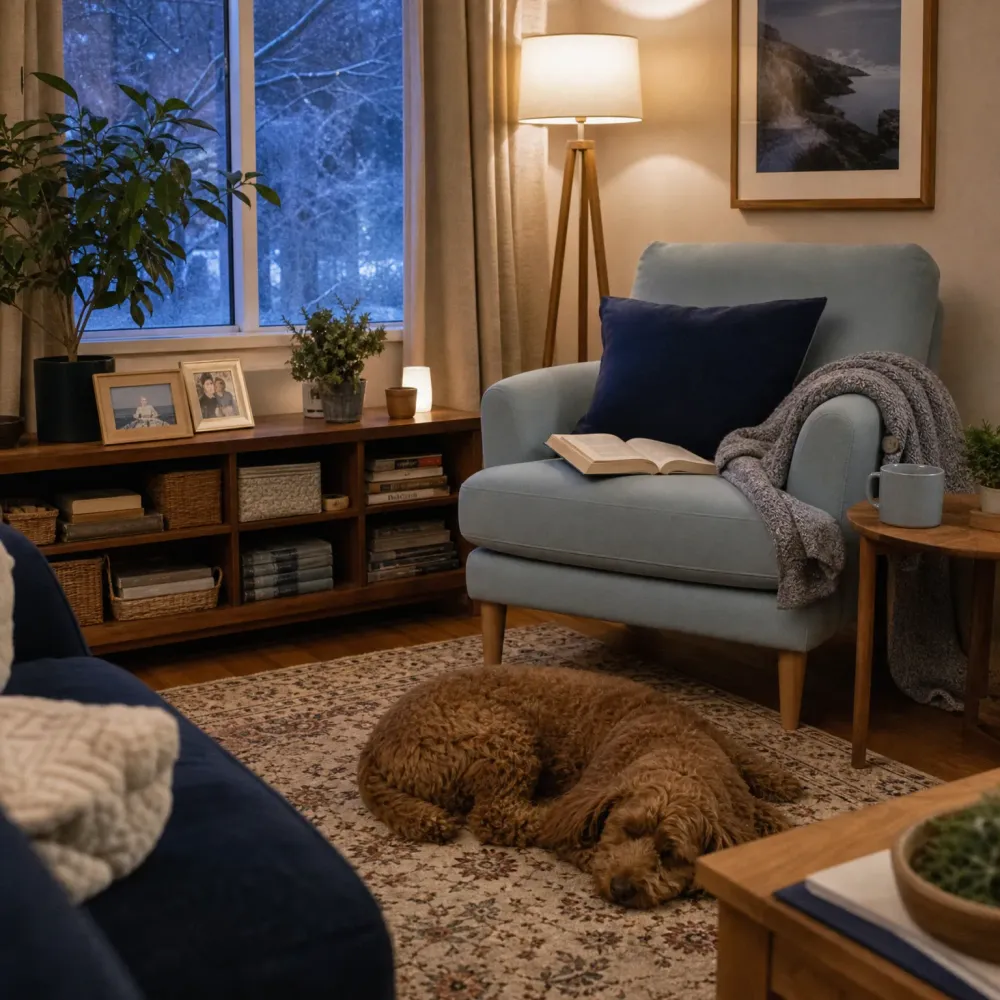
    A dimly lit living room at night with a light blue armchair holding an open book and a navy cushion, a lit tripod floor lamp, a low wooden bookshelf with baskets and framed photos, and a curly brown dog sleeping on a patterned rug.
  • Heats and cools in one system

    Winter and summer are covered by the same outdoor unit. That's one machine to service instead of two.

    A living room with navy blue walls and built-in shelving, a beige sectional sofa with blue and gray pillows and a knit throw, a wooden coffee table with a woven tray and glass vase of greenery, a leather ottoman, and a large window looking onto green shrubs and hydrangeas.

Where does a furnace shine?

  • Runs on the gas most homes here already use

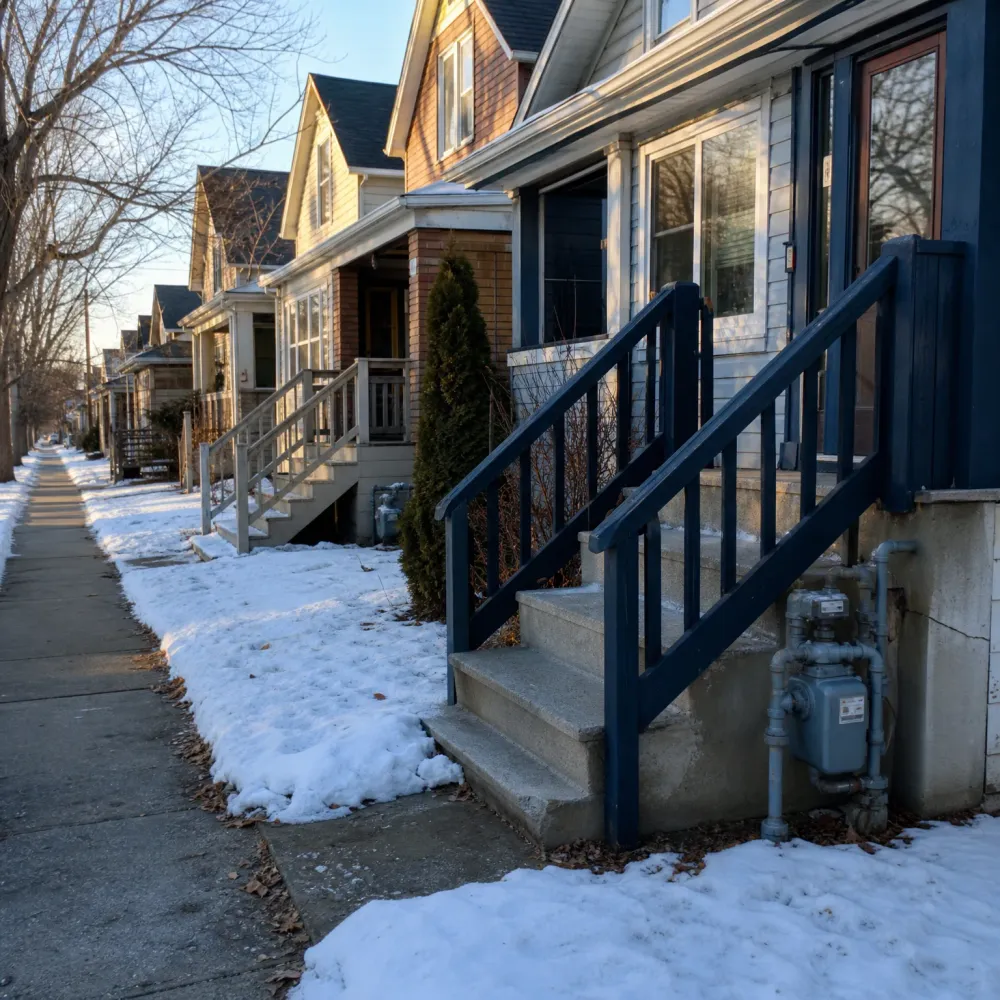
    Most homes in Sangamon County already have gas line run to them, since 73.2% use utility gas for heat. If yours is one of them, a gas furnace just hooks into what's already there.

    A row of closely spaced two-story houses along a sidewalk with patchy snow, the nearest with concrete steps and dark blue wooden railings and a gas meter at the foundation.
  • Pairs with any central AC

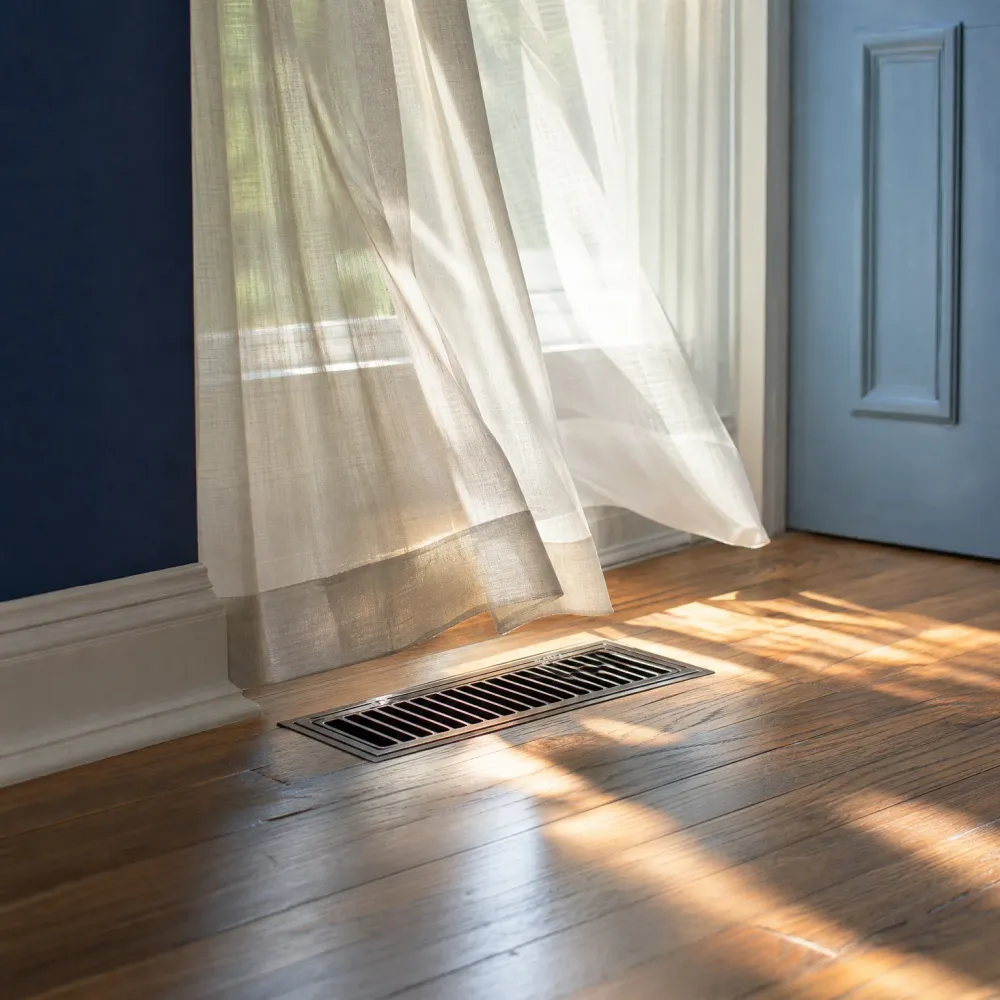
    Most central air systems are built around a furnace. The two share the blower, the ducts and the thermostat.

    A metal floor register set into a hardwood floor near a window with sheer curtains, with sunlight casting shadows across the boards beside a dark blue wall and white baseboard.
  • Fast, strong heat on demand

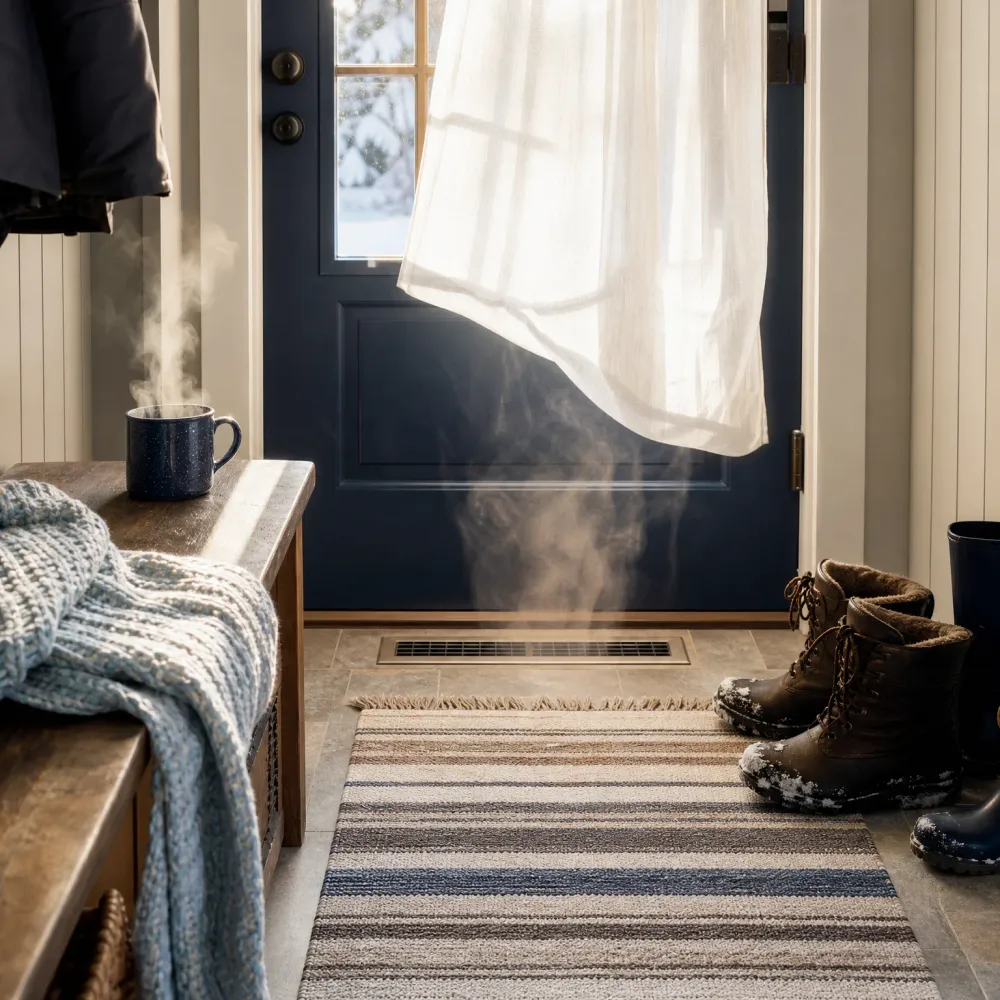
    A furnace pushes out hot air within minutes of switching on. A cold house warms up fast.

    An entryway with a navy paneled door and sheer curtain, a steaming blue speckled mug on a wooden bench draped with a knit blanket, a striped runner rug over tile, a floor vent, and snow-dusted boots by the wall.

Winters here are long and genuinely cold

Heat runs seven months a year in Sangamon County, October through April. That is the longer of your two seasons by a wide margin, cooling only runs May through September. Whatever you install is going to spend most of its working life heating this house, not cooling it.

The overnight low averages 22°F across December, January and February. That number matters because a standard heat pump has two different marks against it: below 40°F its heat output drops under its rating, and below about 35°F it often needs backup heat to make up the difference. Twenty-two degrees is below both marks. So is every one of the roughly 115 nights a year here that fall to freezing or below, over half the nights in heating season.

That does not mean a heat pump quits. A heat pump built to the ENERGY STAR Cold Climate standard has to prove, under third party testing, that it still makes at least 1.75 units of heat for every unit of electricity at 5°F, and holds onto 70 percent of its warm weather capacity at that temperature. Field tests of cold climate heat pumps in occupied homes back this up: backup heat only covered a small share of the load between 0°F and 35°F, and the unit ran on backup alone only rarely above 0°F. Sangamon County only sees about 5 nights a year at 0°F or below. A cold climate heat pump is built for exactly the nights you actually get.
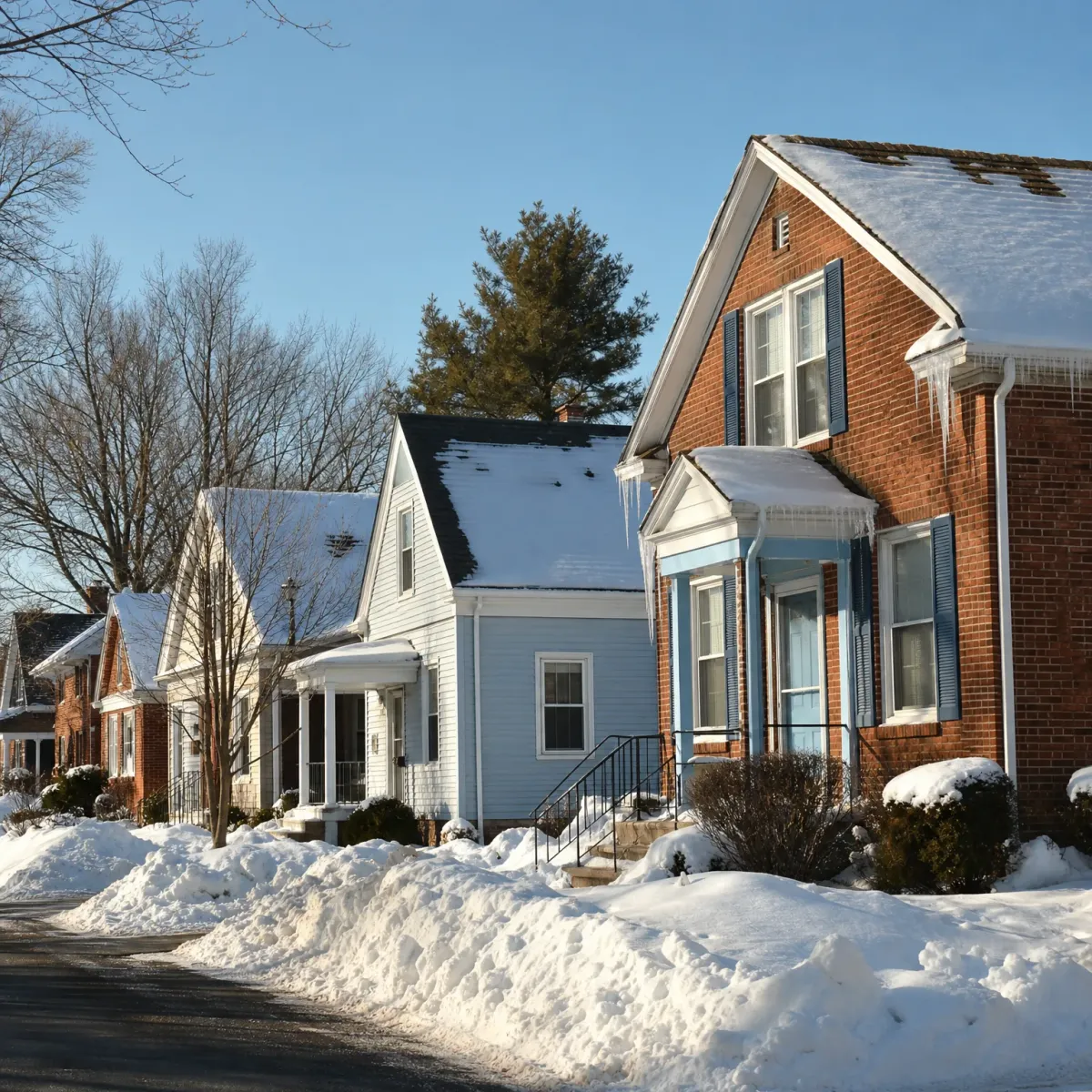
A row of houses along a snow-lined street, with a brick house with blue shutters and icicles on its gutter in the foreground and a light blue sided house beside it under a clear sky.

What it costs to run, and what that means for your choice

A gas furnace is cheaper to run here. At Illinois's average fuel prices, a furnace built to the federal minimum makes the same heat for $1.33 per 100,000 Btu against $2.12 for a heat pump built to the federal minimum, at least 37 percent less. That gap is baked into the fuel prices themselves: natural gas runs $10.64 per million Btu in Illinois, electricity runs $46.51. No efficiency upgrade on either machine changes that math by much.

That is also the setup most houses here already have. Utility gas heats about three in four homes in Sangamon County, electric heat is in about one in five. If your house already has a gas line run to a furnace, staying on gas means you are not paying to add a new fuel source to the house.

So the honest case for each machine looks like this. A furnace burning the fuel this county already runs on, at the lower running cost, for a heating season that lasts most of the year, is the cheaper and simpler choice for most houses here. A heat pump earns its keep differently: it is one system that both heats and cools, so it replaces your furnace and your AC at once, and it holds steady output across the cooling season too. If you are weighing a new furnace against a new central AC anyway, a cold climate heat pump is a real option even with Sangamon County's cold nights. If you already have working gas heat and a working AC, there is no running-cost argument for switching.

Sources: NOAA nClimDiv · NOAA 1991–2020 seasonal normals · Census ACS 2020–2024 · EIA SEDS 2024 · 10 CFR 430.32 · PNNL Building America guide · PNNL-37127 field study · ENERGY STAR product criteria

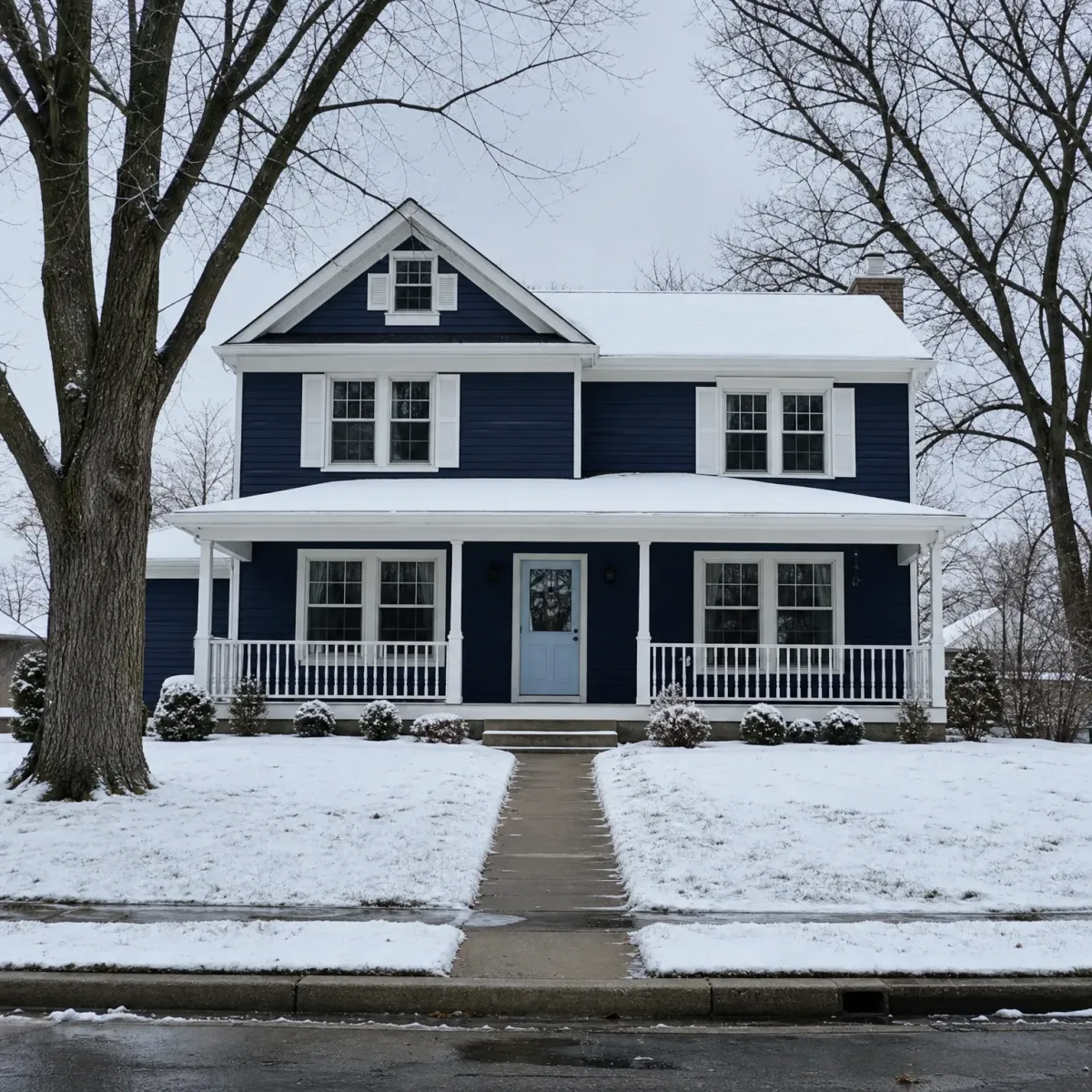
A two-story navy blue house with white trim, a covered front porch and a light blue front door, with snow on the roof and lawn and a cleared concrete walkway leading to the street.

Common questions about heat pumps and furnaces

  • Can a heat pump heat a house through an Illinois winter?

    It can, but not on its own once it gets cold. A standard heat pump's output falls short of its rating below 40°F, and the overnight low here averages 22°F across December, January and February. That's why heat pumps here are paired with a backup heat source for the coldest nights.

  • Do I need backup heat with a heat pump here?

    Yes. A standard heat pump's heating efficiency drops below about 35°F outside, and over half the nights in a Sangamon County heating season, about 115 of roughly 210, fall at or below freezing. Backup heat is what carries the house on those nights.

  • Can I keep my furnace and add a heat pump?

    Yes, and here that pairing is worth a look. A heat pump handles the mild stretches of the seven-month heating season, and the furnace takes over once it gets cold enough that the heat pump needs backup, which here is below about 35°F. The furnace is already doing that job on its own; this setup just gives it a partner for the easier months.

  • Is a heat pump cheaper to run than a furnace in Sangamon County?

    No, a furnace costs less to run here. At Illinois's average fuel prices, a furnace makes the same heat for $1.33 per 100,000 Btu against $2.12 for a heat pump, both figured at the federal minimum efficiency for each machine. That gap comes from Illinois's gas and electricity prices, not from how the machines are built.

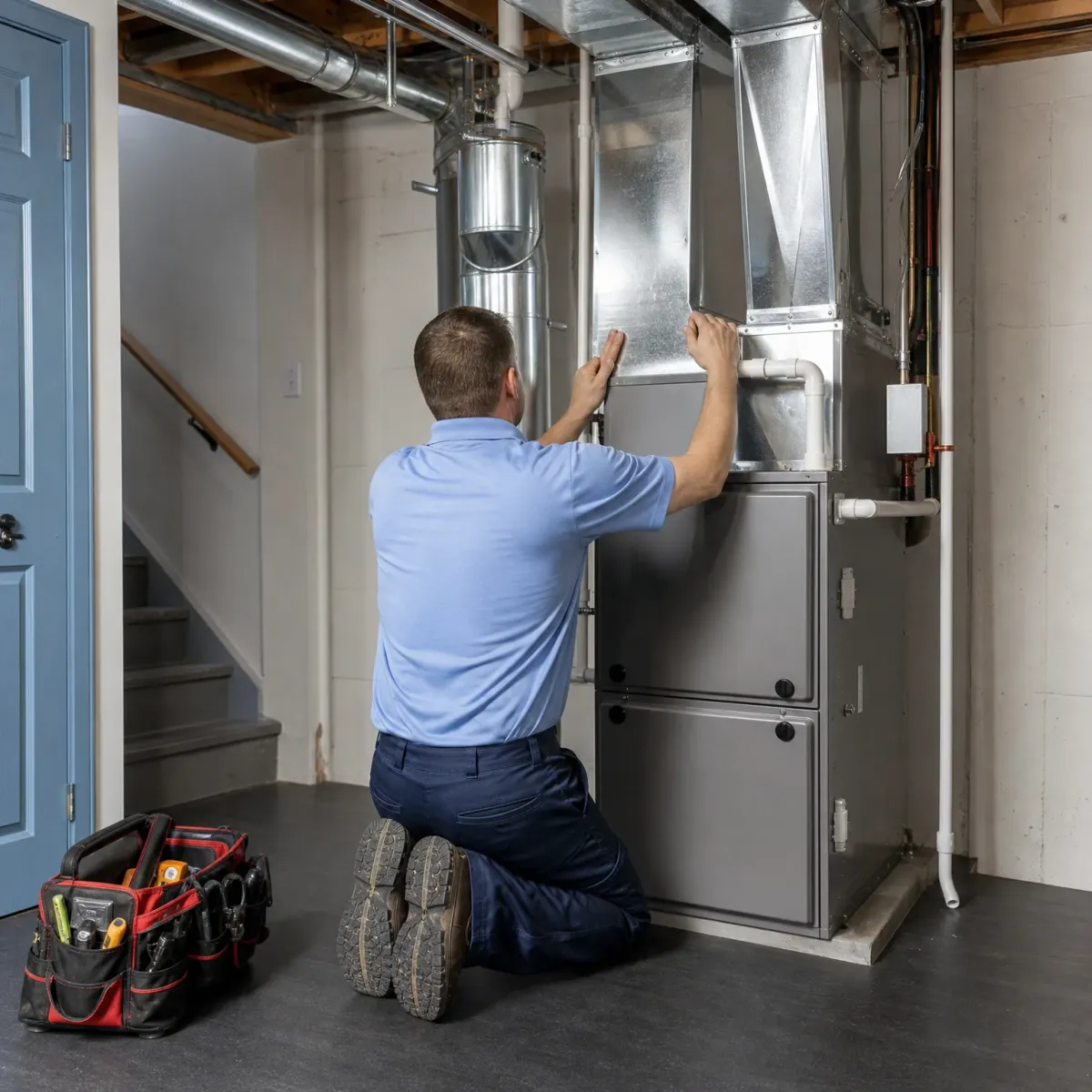
A man in a light blue polo shirt and dark jeans kneels in a basement, holding a panel on a gray furnace connected to sheet-metal ductwork, with an open tool bag on the floor nearby.

Tell us about the job

Takes about a minute. No obligation.

Step 1 of 3: Equipment