A nighttime view of a tree-lined residential street with illuminated two-story brick houses and street lamps.

Furnace Installation in Springfield, IL

Tell us about the job

Takes about a minute. No obligation.

Step 1 of 3: Equipment

Storms come through often here

Sangamon County saw 335 severe weather events between 2015 and 2024. That includes 198 damaging wind events, 110 hail events, and 15 tornadoes. A furnace install has to account for what the county actually sees, not just the cold.

Power doesn't always hold

16% of Illinois households lost power for a day or more in 2024. A furnace with a gas burner still needs electricity to run the blower and controls, so an outage can mean no heat even when the gas line is fine.

7 months
October through April, your furnace is on duty
22°F
the average winter night it heats against
73%
of homes here heat with gas, so most furnaces here burn gas
80% AFUE
the federal minimum any new unit must meet
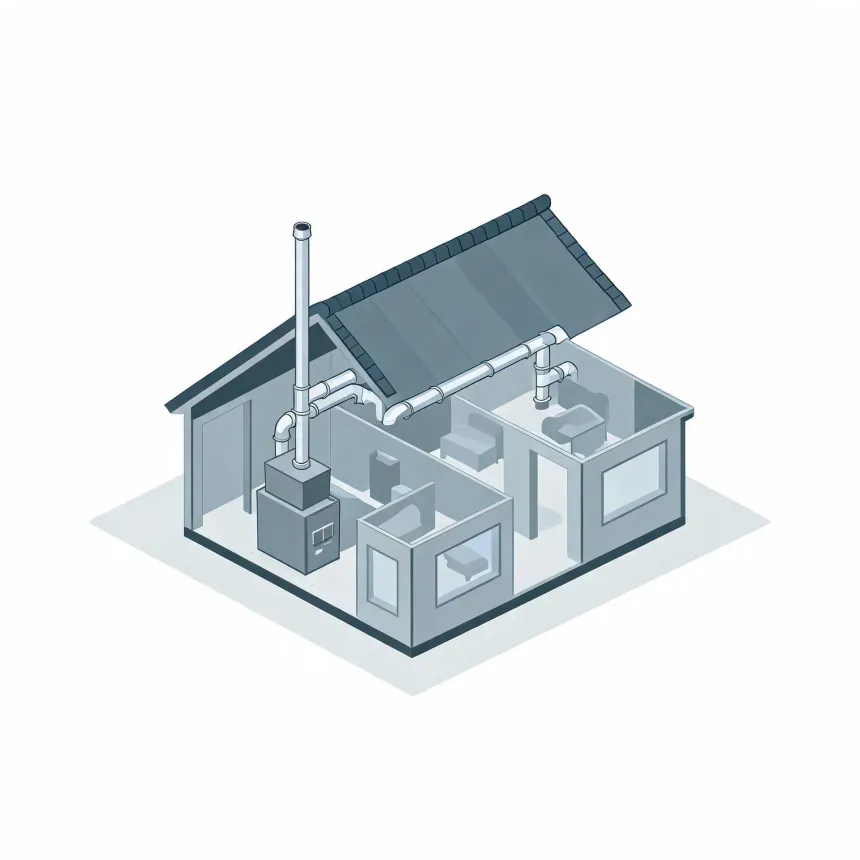
Isometric grayscale illustration of a cutaway house showing an interior furnace with a tall flue pipe and ductwork running to rooms under a partially lifted roof.
Your furnace works hardest from November through March.

NOAA nClimDiv, 1991–2020 normals

Furnaces here go to work in October.

Get one installed in September and it starts the season already proven, not during the first cold week of the year.

Natural gas runs $10.64 per million Btu in Illinois, so a furnace here earns its keep on cold nights, not on the efficiency sticker

Climate zone 5A
Heat runs October through April
Winter nights average 22°F

Gas heats 73.2% of homes in Sangamon County, the kind of share that makes the choice easy for most people. Electricity is a distant second at 21.3%, and LP gas covers another 4.5%. If your old furnace ran on gas, staying with gas means the line to the house, the vent, and often the gas meter sizing are already there. Switching fuels on an install adds work and cost that replacing like for like skips. A contractor sizing a new furnace will still check the gas line and venting against the unit going in, since equipment changes even when the fuel doesn't.

Ask about backup heat before the furnace goes in

A new furnace still needs power to run the blower and controls. Talk to the contractor now about where the outdoor equipment sits, what it's protected from, and what happens to your heat the next time the power goes out.

Find a contractor
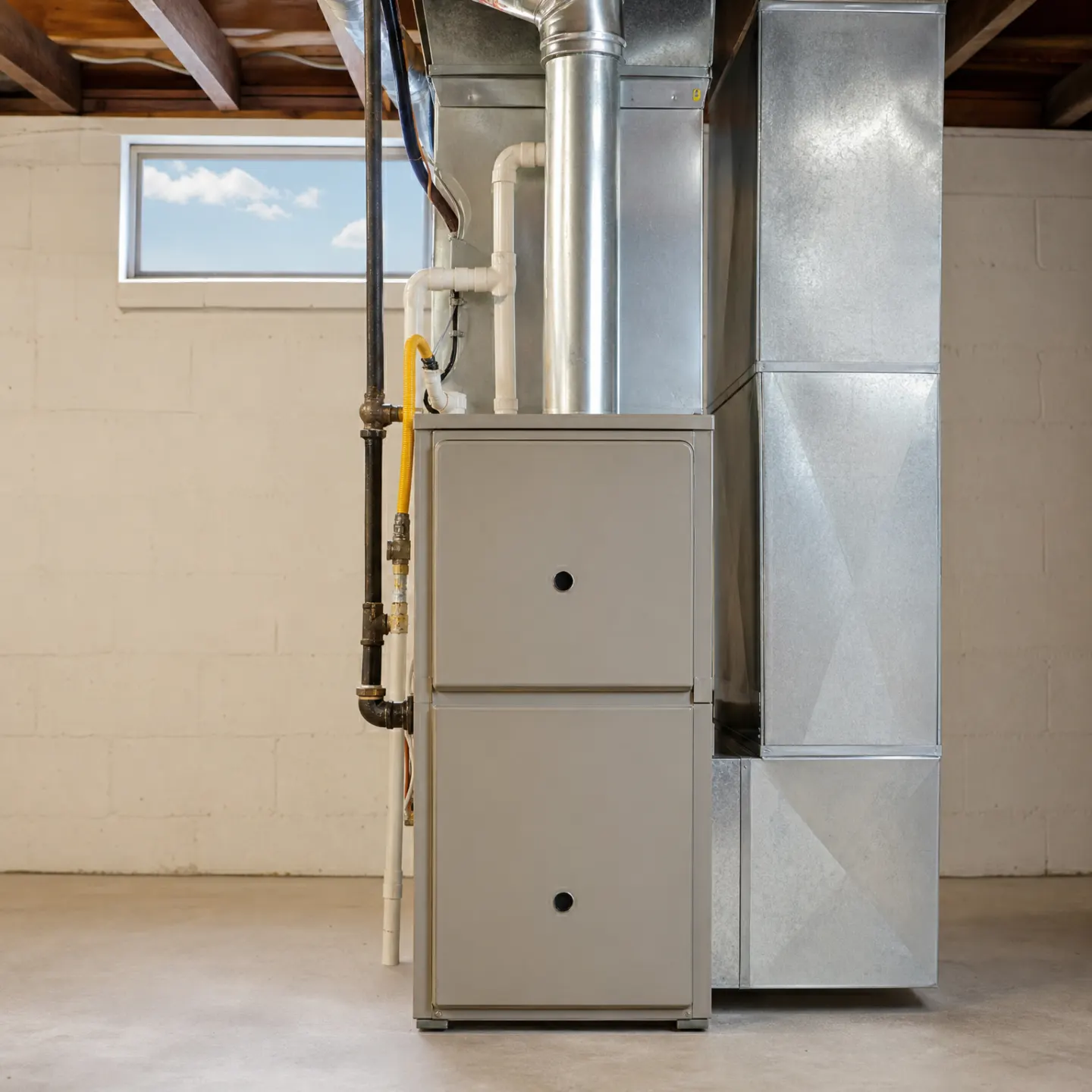
A gas furnace with attached ductwork, gas piping, and condensate lines installed in a concrete-block basement.

What happens to the furnace you're replacing

The old furnace does not get reused once a new one goes in. The installer disconnects the gas line, the vent connector, and the return and supply plenums, then takes the unit out whole or in pieces if it has to come through a tight spot. Anything left in the heat exchanger or burners goes with it. If the old furnace was original to the house, the ductwork gets checked against the new one since static pressure and airflow needs can differ even when the Btu rating looks similar. A furnace that ran fine for years can still have a cracked heat exchanger or a worn blower bearing nobody noticed, and that only shows up once someone opens it up to haul it away. None of that is wasted time. It is how the installer makes sure the new furnace is going into a system that matches what it needs, not just dropped where the old one sat.

Size drives most of the cost

A furnace is sized to the heat loss of the house, not picked off a shelf. Too small and it runs constantly without catching up. Too large and it short cycles, wearing out the heat exchanger and igniter early. Getting the size right takes a load calculation, and that work shapes which unit fits before price ever comes into it.

The install is more than the box

The furnace itself is only part of the job. The vent connector, the gas line, the plenums, and the ductwork all have to match what the new unit needs, and that can mean more than a straight swap. A single stage furnace is simpler to install than a variable speed one, since the controls and the wiring both get more involved as the furnace does more to modulate its own output.

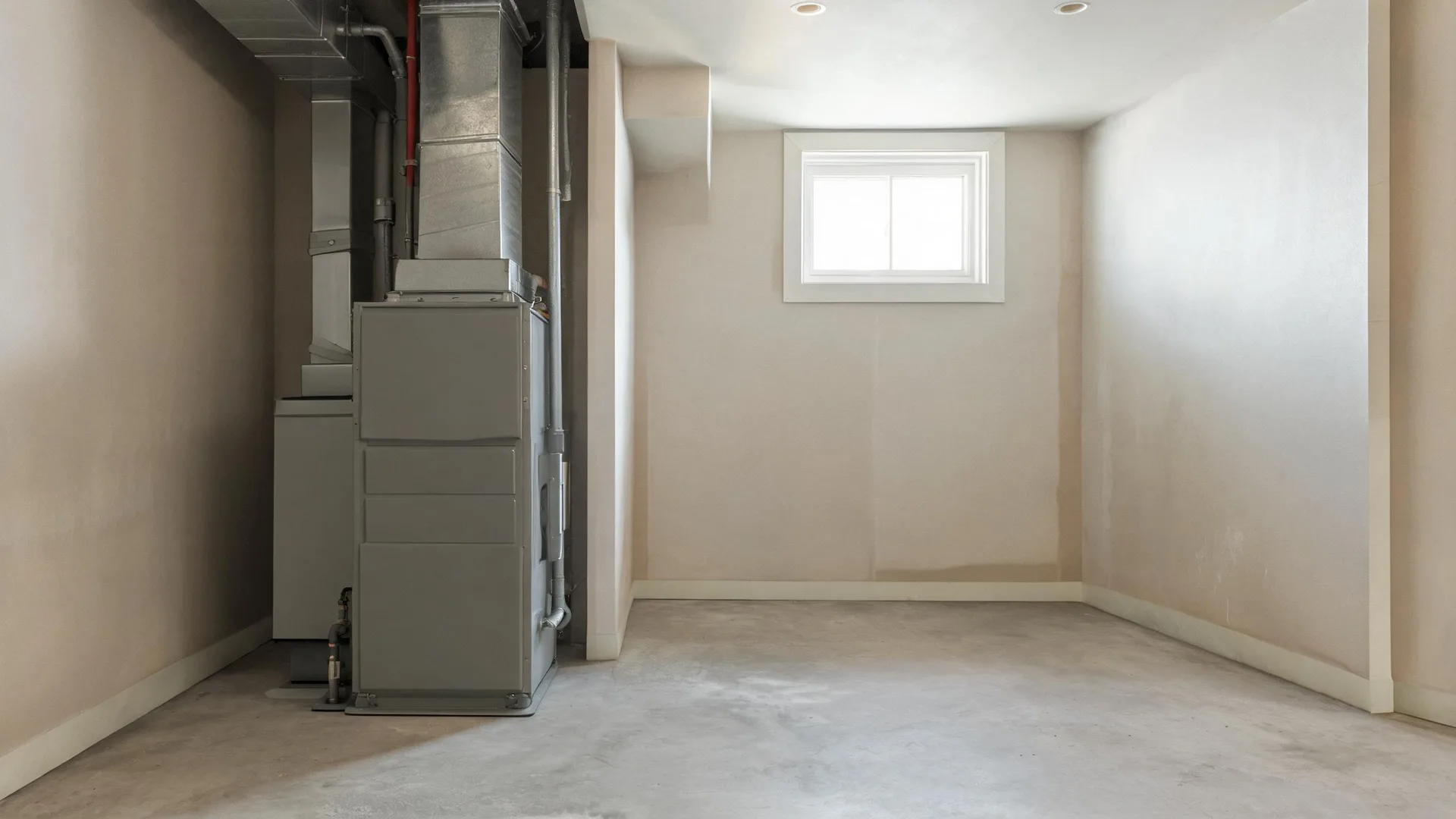
An unfinished basement featuring concrete block walls, exposed floor joists, and a metal forced-air furnace with ductwork near a central pillar.

A high-efficiency gas furnace would save about $100 a year to run in Sangamon County compared with a gas furnace.

  • A high-efficiency gas furnace$510 a year
  • A gas furnace$610 a year

Estimates for a typical Sangamon County home, from EIA household energy data, Illinois fuel prices and NOAA climate normals. Your home will differ.

Sangamon County falls under zone 5A in the 2021 energy code, a cool zone where heating carries most of the load. That classification sets a floor under what can legally go into this house. Any furnace manufactured now has to turn at least 80 percent of the gas it burns into heat over the winter. That floor rises to 95 percent for furnaces built on or after December 18, 2028, so a unit bought well before that date still only has to clear 80. A contractor sizing the install will know which side of that line the equipment falls on, and it affects what shows up on the options list.