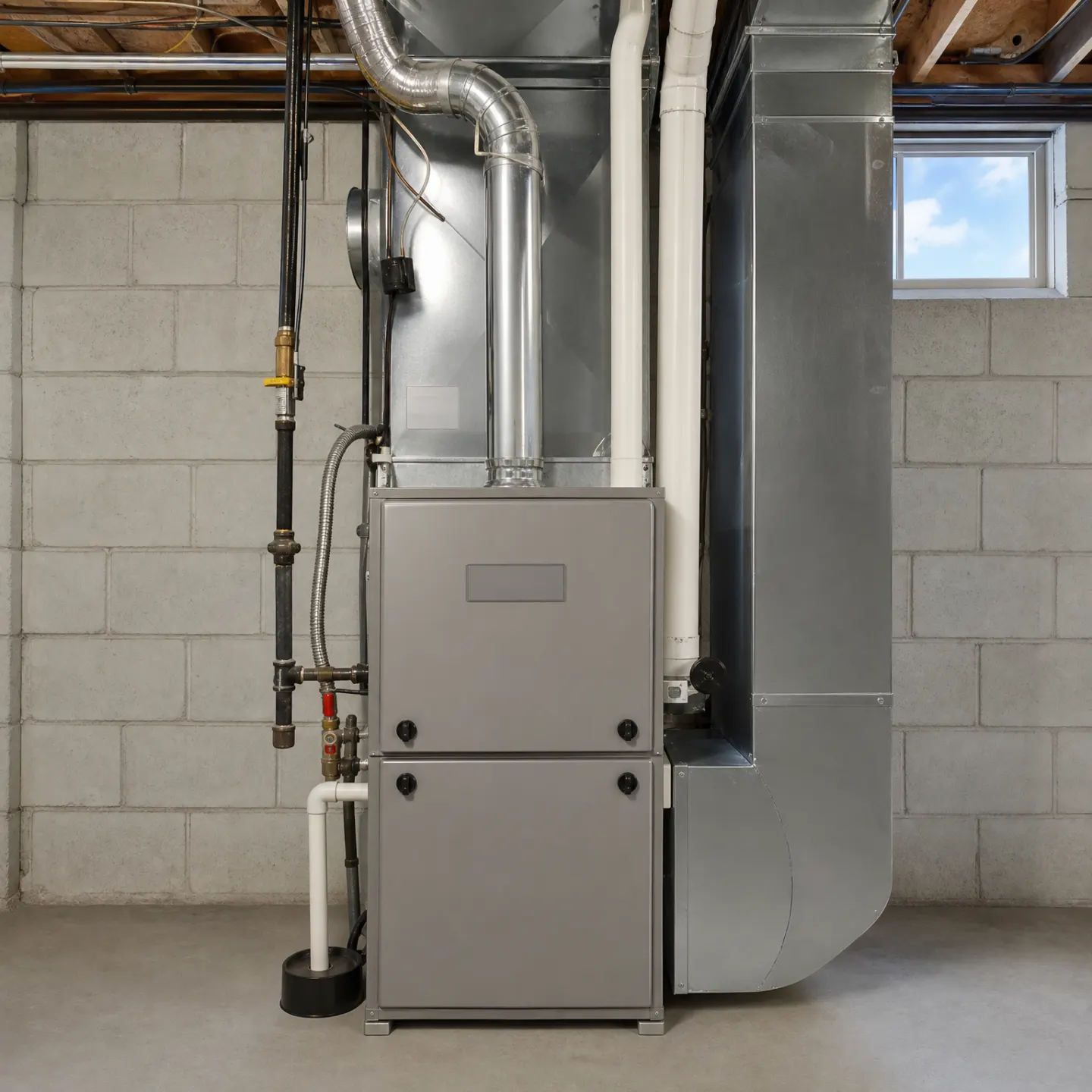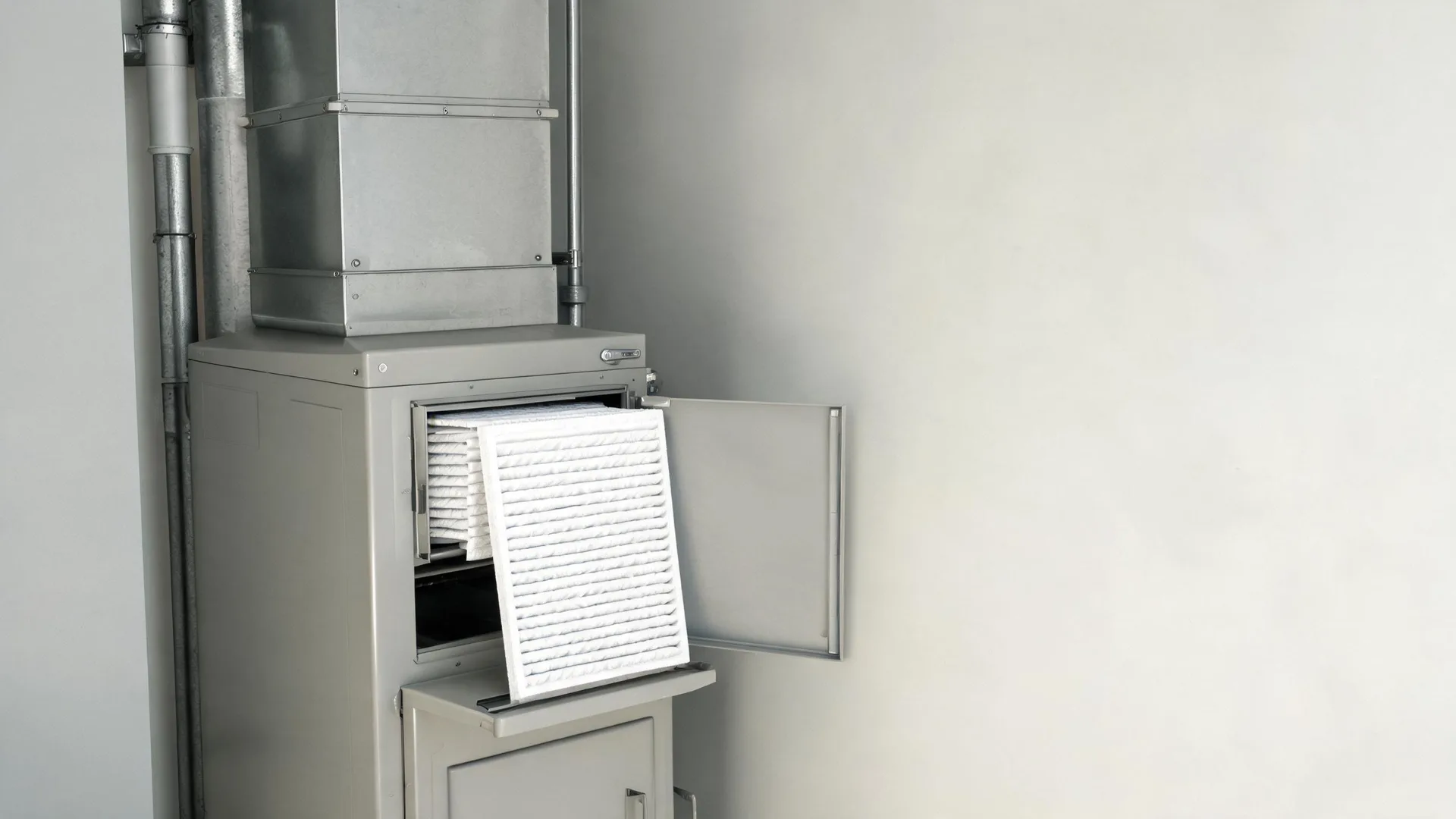
A row of illuminated two-story brick houses with front porches and mature trees photographed at twilight.

Furnace Maintenance in Springfield, IL

Tell us about the job

Takes about a minute. No obligation.

Step 1 of 3: Equipment

Weather here takes a toll

Sangamon County logged 335 severe weather events between 2015 and 2024, including 198 bouts of damaging wind, 110 hail events and 15 tornadoes. That is wind and hail hitting outdoor equipment on a regular basis, not an occasional thing.

Your furnace needs to survive the outage, not just the storm

Winter storms hit the county 7 times in that same stretch, and 16% of Illinois households lost power for a full day or more in 2024. A furnace that was never checked over is a bad thing to discover when the power comes back on and the house is already cold.

A furnace that only gets attention when it breaks is already behind.

A real tune-up checks the flame sensor, the igniter, the heat exchanger and the blower before any of them fail on a cold morning.

October is when it starts working. Get it checked in September.

Heat runs October through April
Climate zone 5A
Winter nights average 22°F
Most Furnaces Here Run on GasGas heats 73.2% of homes in Sangamon County, more than electric and propane combined.

The filter is the one part of the furnace an owner can check without tools. A dirty filter chokes airflow, and the furnace has to run longer to push the same heat through the house. That strain lands on the blower motor first, then on the heat exchanger behind it. Dirty coils cause the same problem from the other side, holding heat against the metal instead of letting it move into the air. A clogged condensate drain backs up water into the cabinet, and that water finds the control board or the burners before anyone notices it. None of these are expensive parts to maintain, but they are the parts that decide whether the furnace runs the way it is supposed to.

Get the furnace checked before storm season asks something of it

A tune-up before the weather turns means the furnace is checked, not just running. Have the outdoor unit and the cabinet looked over for debris and damage now, so the one thing you're not dealing with when the power comes back on is a furnace that needs its own repair first.

Find a contractor
A man in a cap, dark jacket and tan work pants carries a canvas tool bag up concrete steps toward a dark blue front door, with a potted shrub beside the entry.
A gray high-efficiency gas furnace installed in an unfinished basement, surrounded by gas lines, a condensate drain, and sheet-metal ductwork.

It doesn't fail all at once, until the day it does

A furnace does not fail the first time something goes wrong inside it. The flame sensor coats over with a thin layer of oxidation and keeps shutting the burners down a little sooner each time, until one morning it shuts them down for good. The igniter cracks a little more with every heat cycle, so a furnace that lit fine every day for years can stop lighting at all without warning. Dust packs into the blower wheel and throws it out of balance, and the motor bearing wears against that extra load until it seizes. None of this shows up as a single moment of breaking. It shows up as a furnace that worked yesterday and does not work today, after months of quietly working harder to do the same job.

A quick tune-up checks that it runs

Some visits start the furnace, watch the flame for a few seconds, and call it done. That tells you the burners lit. It does not tell you the heat exchanger is free of cracks, or that the blower wheel is still balanced, or that the flame sensor is reading clean. A furnace can start fine and still be a few weeks from failing.

A thorough one checks why it runs well

A real tune-up pulls the burners and cleans them, tests the flame sensor instead of just looking at it, checks amp draw on the blower motor, and inspects the heat exchanger for cracks with a camera or mirror, not a glance. It also checks the gas pressure and the limit switches that shut the furnace down if it overheats. That is the difference between a furnace that passed inspection and one that is actually ready for the months it has to run.

A furnace usually tells you before it quits. Short cycling is one of the clearest signs, where the burners fire, run for a minute or two, and shut off again before the house warms up. That often traces back to a flame sensor that is coated over or a limit switch tripping early. A burner flame that burns yellow instead of steady blue means it is not getting the right mix of air and gas, and that is worth a look regardless of anything else going on. A furnace that smells faintly of exhaust when it kicks on, or one that leaves soot around the cabinet, needs to be checked before it runs again. Banging or screeching when the blower starts usually means a bearing or a loose wheel, not something that fixes itself with time.

A tune-up turns up things a homeowner has no way to see from the thermostat. Pulling the burners off shows whether the flame pattern is even across each one, not just whether the furnace lights. Checking the heat exchanger means looking at the metal itself for hairline cracks, since a crack that size can leak exhaust into the air the blower is pushing through the house without tripping anything or giving off a smell at first. Measuring amp draw on the blower motor catches a motor that is starting to work harder than it should, long before it gets loud enough to notice. Testing gas pressure confirms the furnace is burning the right mix of air and fuel, which a glance at the flame cannot tell you on its own. None of this shows up by watching the furnace run for a minute and seeing the house get warmer.