


A row of dark-sided cottages with brown shingled roofs behind a trimmed hedge, beside a mown lawn and large leafy trees under an overcast sky.

Furnace Repair in Quincy, IL

Tell us about the job

Takes about a minute. No obligation.

Step 1 of 3: Equipment

Furnaces around Quincy sit idle all the way through September. Then October comes and heat gets called for every day, and that's when a weak igniter or a dying flame sensor finally gets found out. Nothing tested that part over the summer, so it can fail quietly for months before anyone notices. If your furnace is acting up right at the start of the season, that is usually why. Homes here run heat from October through April, so a part that barely made it through one season often won't make it through the next without attention.

7 months
October through April, your furnace is on duty
22°F
the average winter night it heats against
59%
of homes here heat with gas, so most furnaces here burn gas
11 winter storms
in ten years, the nights a failure hurts most
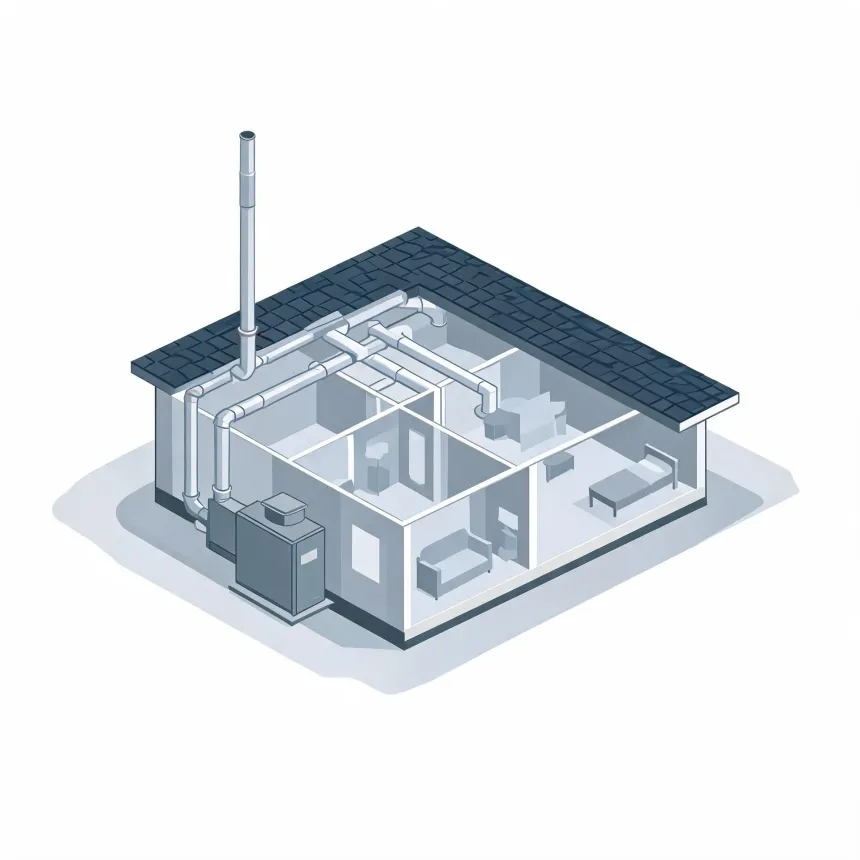
Isometric cutaway illustration of a single-story house with a dark shingled roof, showing interior rooms with furniture, a ducted air distribution system, a tall vertical flue pipe, and a gray furnace unit outside the wall.
Your furnace works hardest from November through March.

NOAA nClimDiv, 1991–2020 normals

A furnace that won't light at all usually means the pilot or igniter never got a signal to fire.

Check the thermostat batteries and the breaker first, because both are quick to rule out before anyone opens the cabinet.

Half the furnaces in Quincy are working in houses built by 1965

Half the homes here were built by 1965
Heat runs October through April
Winter nights average 22°F
A Quincy winter asks a lot of a furnaceOvernight lows average 22°F through December, January and February here.

A furnace that came with a house built in 1965 or earlier has likely been replaced at least once already. That matters when you're deciding whether tonight's repair is worth paying for. A furnace that keeps needing new parts every year or two is telling you something about how much life is left in it. Before paying for a bigger repair, ask whoever comes out how many more years they'd expect from the unit as it stands. That answer should factor into whether you fix it again or start pricing a replacement.

Get it looked at early

Problems tend to show up in the first weeks of the season, when the load hits a part that was already weak.

Find a contractor
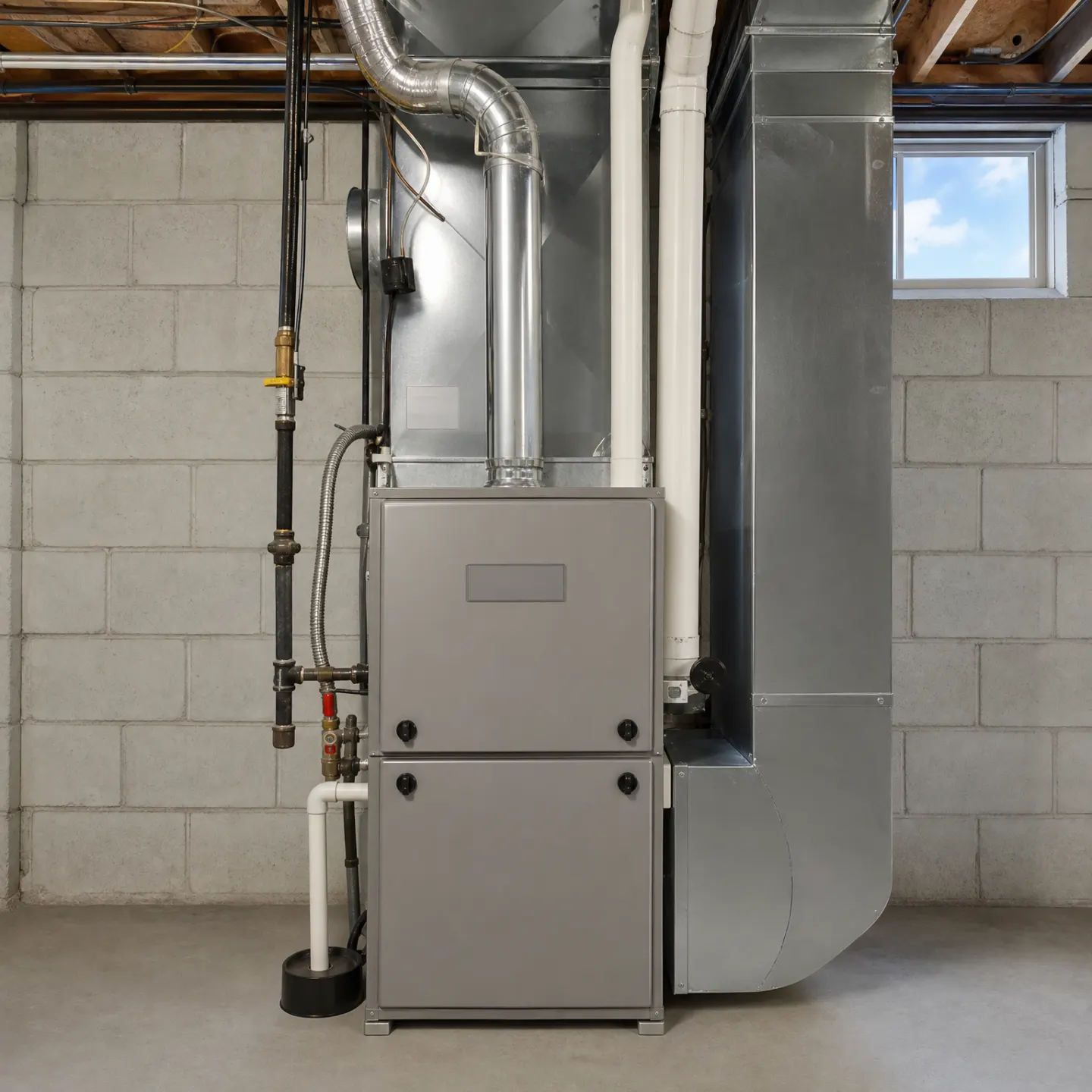
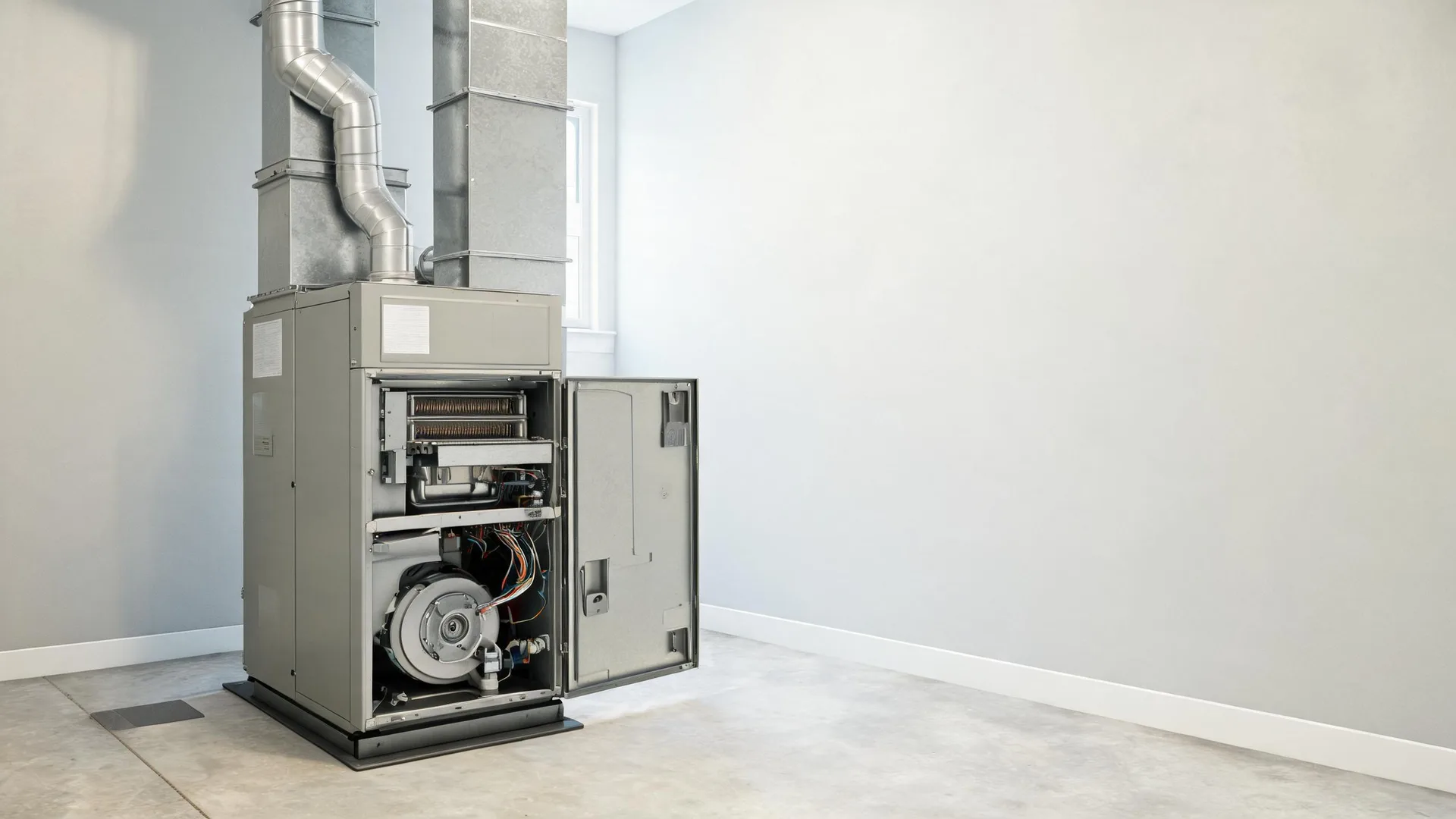
A gray high-efficiency gas furnace installed in an unfinished basement, surrounded by gas lines, a condensate drain, and sheet-metal ductwork.

Why furnaces break down

Furnaces fail from the same handful of causes, year after year. The igniter cracks from repeated heating and cooling, and once it's weak it either glows dim or stops lighting the burners at all. The flame sensor coats over with a thin film from normal combustion, so it can't tell the control board a flame is there, and the furnace shuts itself down as a safety measure. Blower motors wear out their bearings after years of running, and start making a grinding or squealing noise before they quit. Pressure switches fail, hose connections crack or clog, and the inducer motor that pulls exhaust out of the heat exchanger wears down the same way any motor does. None of this is about one bad part. It's about how many times a part has opened, closed, heated up and cooled down since the last time someone looked at it.

Short cycling means something is cutting the furnace off early

A furnace that starts, runs briefly, then shuts off and fires up again isn't making it through a normal cycle. A dirty flame sensor, a clogged filter choking airflow, or a cracked heat exchanger tripping a safety switch can all cause this. It's worth having someone look at before the coldest stretch hits, since a furnace that won't stay running isn't keeping the house warm either way.
A burner flame tells you what's happening inside

A normal flame burns steady and blue. A flame that's yellow, flickering, or leaning to one side usually means the burner isn't getting clean combustion, which can point to a dirty burner, a venting problem, or incomplete fuel mixing. This isn't something to watch and wait on. Poor combustion can mean exhaust isn't leaving the heat exchanger the way it should.

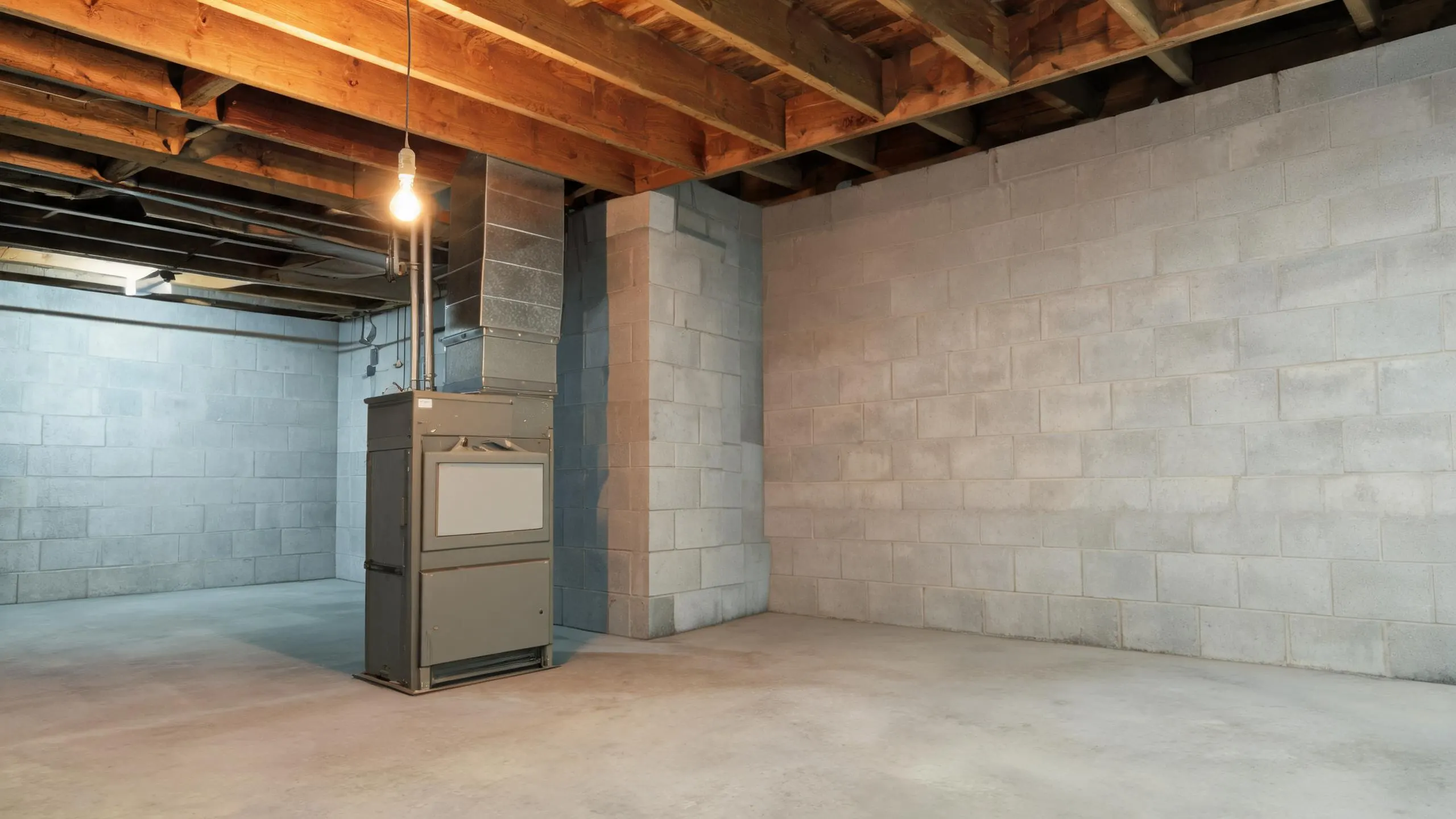
An unfinished basement featuring concrete block walls, exposed floor joists, and a metal forced-air furnace with ductwork near a central pillar.

A new furnace would cut about $120 a year off heating for a typical Adams County home.

  • A new high-efficiency furnace$520 a year
  • An older furnace$640 a year

Estimates for a typical Adams County home, compared with an older unit built to the previous federal minimum, from EIA household energy data, Illinois fuel prices and NOAA climate normals. Your home will differ.

Repair makes sense when one part has failed and the heat exchanger is sound.

Replacement makes sense when the heat exchanger is cracked or the furnace keeps needing parts.

A diagnostic visit starts before the cabinet ever comes off. Whoever comes out will ask when the trouble started and what the furnace is doing, whether it won't light, won't stay lit, or runs but blows cold. Then they'll watch it run through a full cycle, because a lot of problems don't show up at startup, only once the furnace has been going for a while. They'll pull the cover and check the flame itself, test the flame sensor and igniter, and look at the pressure switch and venting before touching anything else. Any error code flashing on the control board tells them where to start looking instead of guessing. The goal of that first visit is narrowing down which part is actually causing the symptom, not swapping parts until something works.