A nighttime view of a tree-lined residential street with illuminated two-story brick houses and street lamps.

Heat Pump Repair in Decatur, IL

Tell us about the job

Takes about a minute. No obligation.

Step 1 of 3: Equipment

Winters here are the real workload

Decatur is in zone 5A, a cool climate where heating is the bigger job for a heat pump than cooling. Overnight lows average 22°F across December, January and February. Your system spends a good part of the year pulling heat out of cold air rather than cooling a hot house.

That points to the usual wear, not a mystery

A heat pump leaning on heating mode all winter is doing normal work, not something this area does to it. If yours is short cycling, running constantly, or not keeping up, the common causes come first. A stuck defrost cycle. A failing reversing valve. Low refrigerant charge. A dirty outdoor coil. Nothing about Decatur's weather points anywhere else.

7 months
October through April, your system heats
4 months
June through September, it cools
22°F
the average winter night it heats against
84°F
the average summer afternoon it cools against
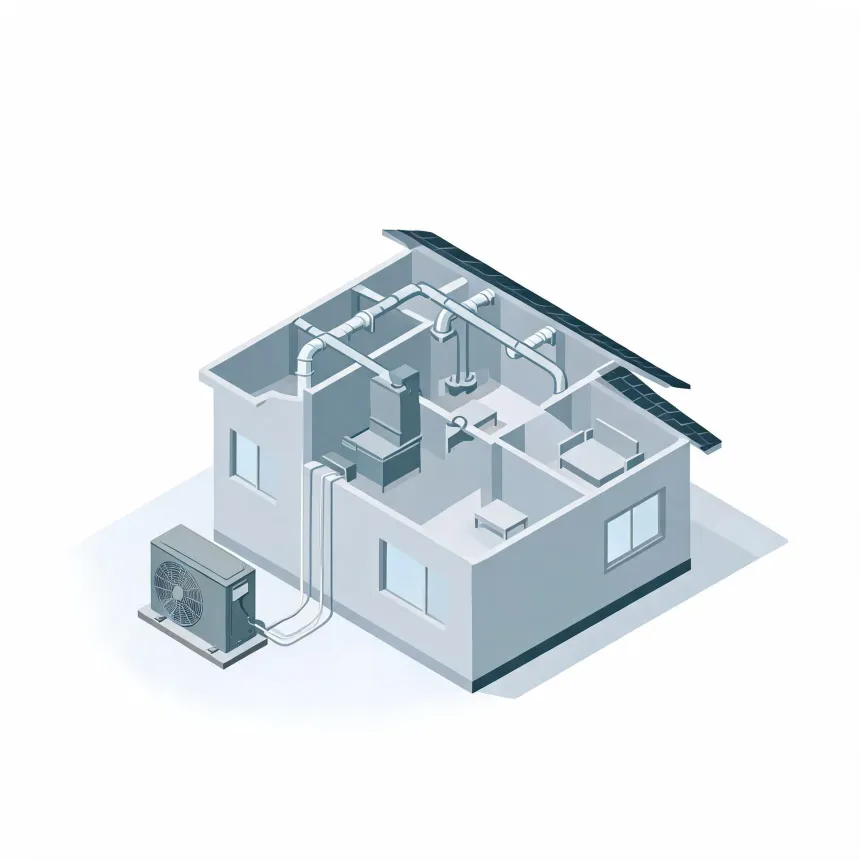
Isometric cutaway illustration of a single-story house showing interior ductwork, an air handler and rooms, with an outdoor condenser unit connected by refrigerant lines on a plain white background.
Your system heats October through April and cools June through September.

NOAA nClimDiv, 1991–2020 normals

A reversing valve that won't shift leaves the heat pump stuck heating or stuck cooling.

A stuck reversing valve needs a technician, not a thermostat adjustment.

Decatur gets heat pump calls heaviest in October, when the cold hits a part that got weak over summer

Cooling runs June through September
Heat runs October through April
109 damaging wind events from 2015 to 2024

Macon County sees its share of severe weather, including damaging wind and the occasional hailstorm or tornado. None of that targets a heat pump the way cold does. A storm can dent the outdoor cabinet or bend the fins, and that's worth a look afterward, but it's a one-time hit, not the slow wear behind most repair calls. If your heat pump is struggling and there's been no storm to blame, the cause is almost always something inside it doing its normal job and failing at it.

A heat pump running badly costs you every month here

Electricity in Illinois ran 15.87 cents per kilowatthour in 2024, and your heat pump leans on heating mode most of the winter. A reversing valve or defrost cycle that's not working right doesn't just leave you cold. It runs the system harder than it should, and you pay for that at this rate every month it goes unfixed.

Find a contractor
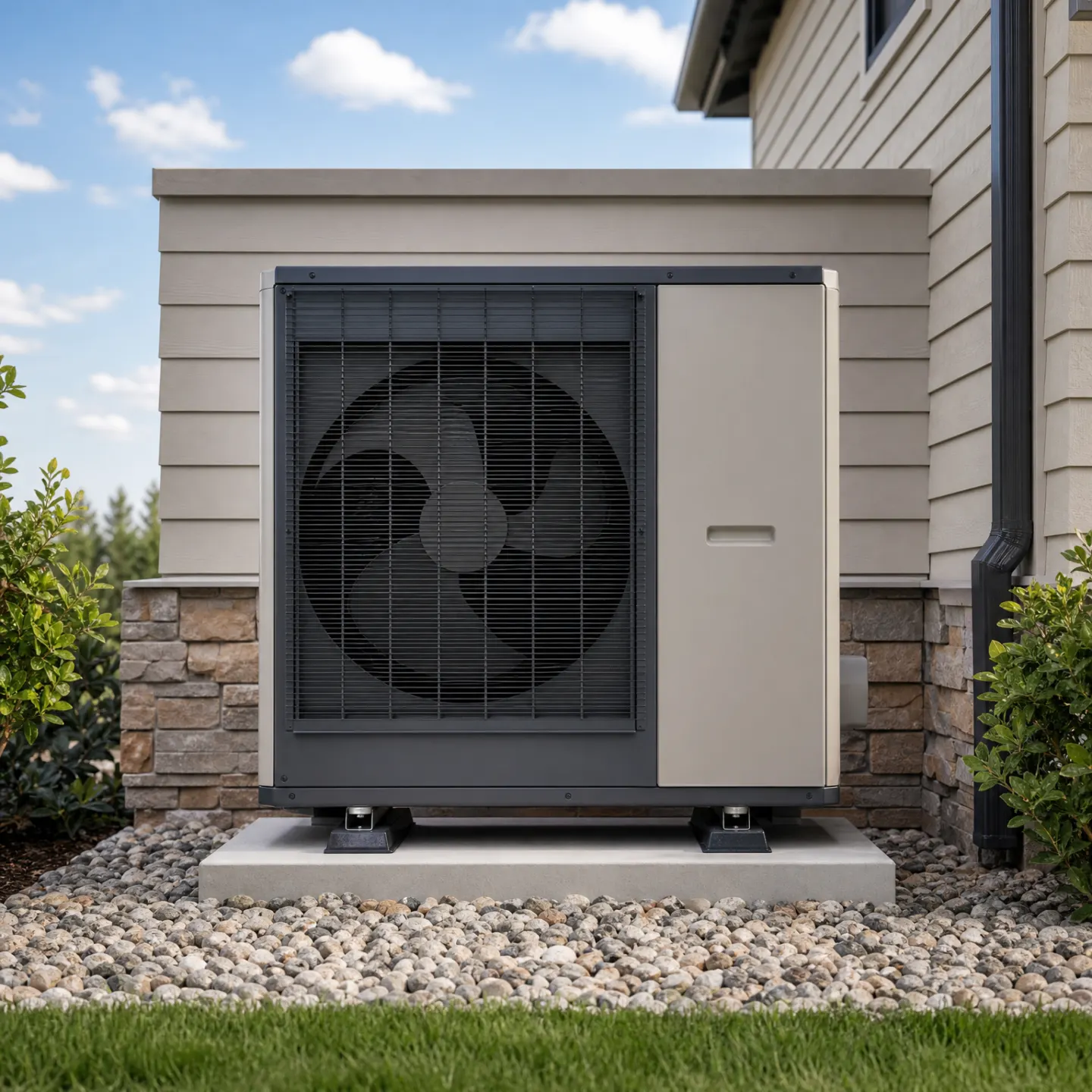
A gray heat pump outdoor unit mounted on a concrete pad next to the stone-accented exterior wall of a house.

What to check before the truck shows up

Before anyone comes out, walk around the outdoor unit and look. Frost or ice sitting on the coil and not clearing between cycles is worth noting, along with which way the fan is spinning and whether it's spinning at all. Check the air filter inside. A clogged filter starves the system of airflow and can mimic a refrigerant problem. Look at the outdoor unit's clearance too. Leaves, mulch, or anything piled against the cabinet blocks the airflow it needs to pull heat from the air. Check the thermostat batteries and settings, since a thermostat stuck in the wrong mode looks exactly like a failing reversing valve from inside the house. None of this fixes a stuck defrost cycle or a bad valve, but it rules out the simple stuff before you pay someone to find it.

Ice does not wait for a service call

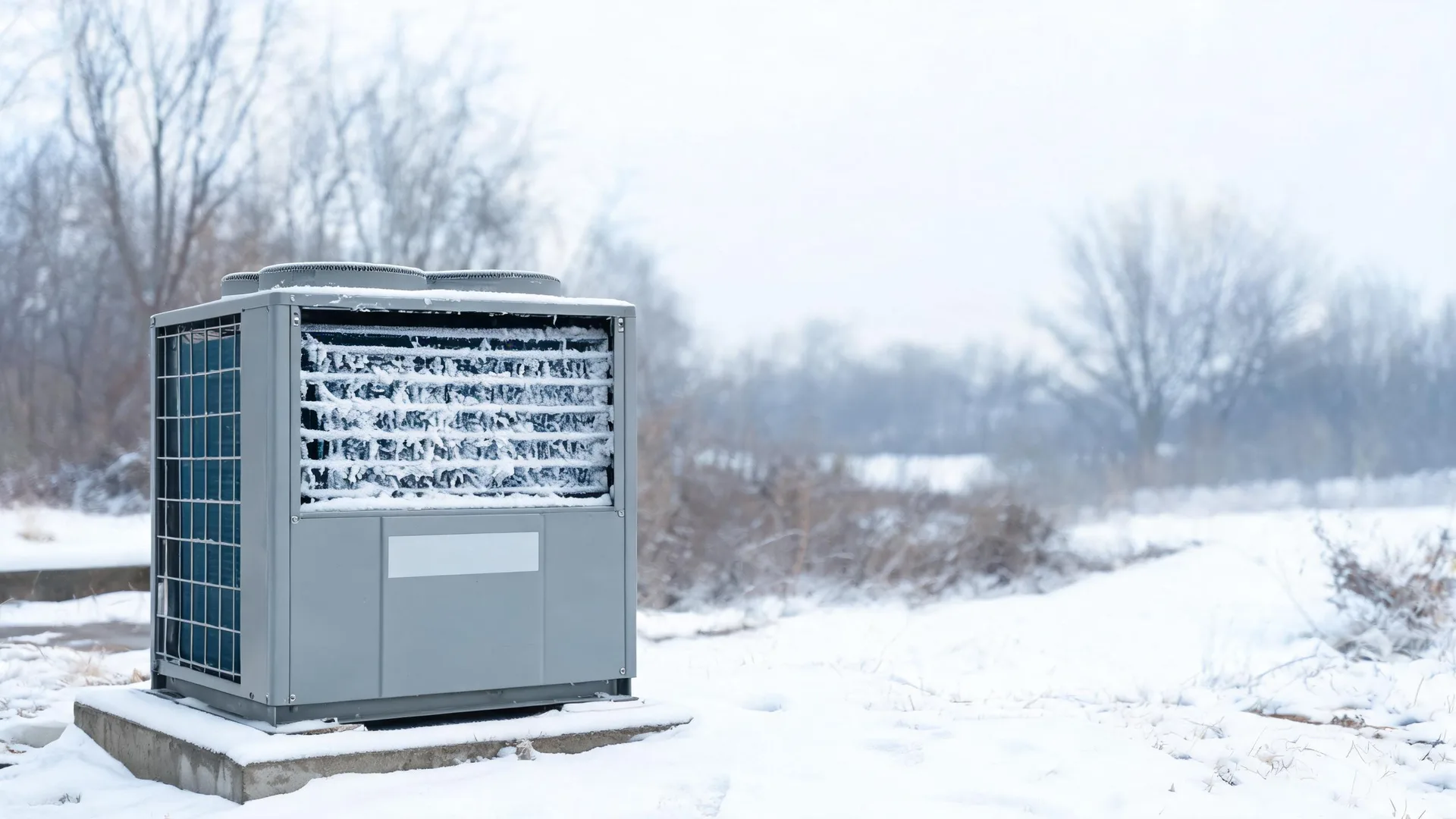
A heat pump stuck in a bad defrost cycle keeps building frost on the outdoor coil instead of clearing it. Once that frost turns to ice, less air can move across the coil, so the system pulls even less heat from the outside air. Left alone, the coil can ice over solid and block airflow almost completely.

The compressor pays for the delay

Low refrigerant charge or a dirty outdoor coil makes the compressor work harder to move the same amount of heat. A compressor that runs hot and strained for weeks wears faster than one caught early, and a compressor failure is a far bigger repair than the charge or the coil that caused it.

Most people notice a heat pump problem before they can name it. The air coming out of the vents feels cool instead of warm, even though the system is running. That usually means it's stuck in defrost mode or losing refrigerant, not actually heating like it should. Short cycling is another sign. The unit kicks on, runs a few minutes, shuts off, then starts again soon after, instead of running a normal steady cycle. Ice on the outdoor unit that doesn't melt off between cycles points to a defrost board or reversing valve that isn't doing its job. And if the system runs constantly without ever catching up to the thermostat setting, something is making it work harder than it should to move the same amount of heat. None of these fix themselves, and none of them are safe to wait out through a stretch of cold weather.

A diagnostic visit starts outside, at the unit itself. A technician checks the refrigerant charge, because low refrigerant shows up as weak heat even when everything else looks fine. They watch the defrost cycle too, to see whether the system actually clears frost from the outdoor coil or just thinks it did. The reversing valve gets tested, since a valve that's slow to shift can look like several other problems at once. Electrical checks come after that. The contactor, the capacitor, the connections at the board, anything that could cause short cycling or constant running. Most of this gets done with gauges and a multimeter, not guesswork, and a tech can often tell you what's wrong before the cabinet is even fully open.