



A quiet suburban street at twilight featuring two-story brick homes with illuminated windows and large trees lining the sidewalk.

Furnace Installation in Decatur, IL

Tell us about the job

Takes about a minute. No obligation.

Step 1 of 3: Equipment

Utility gas heats 73.5% of homes in Macon County, more than electric and LP combined. If your old furnace burns gas, a new gas furnace is almost always the straightforward path, since the gas line, the vent and the meter sizing are already there to work with. Switching fuel types means new venting, possibly a new gas line or new electrical circuits, and that adds real work beyond swapping the unit. Most contractors in Decatur see gas furnaces far more often than any other setup, so parts, sizing and venting rules for gas are what they know best.

7 months
October through April, your furnace is on duty
22°F
the average winter night it heats against
74%
of homes here heat with gas, so most furnaces here burn gas
80% AFUE
the federal minimum any new unit must meet
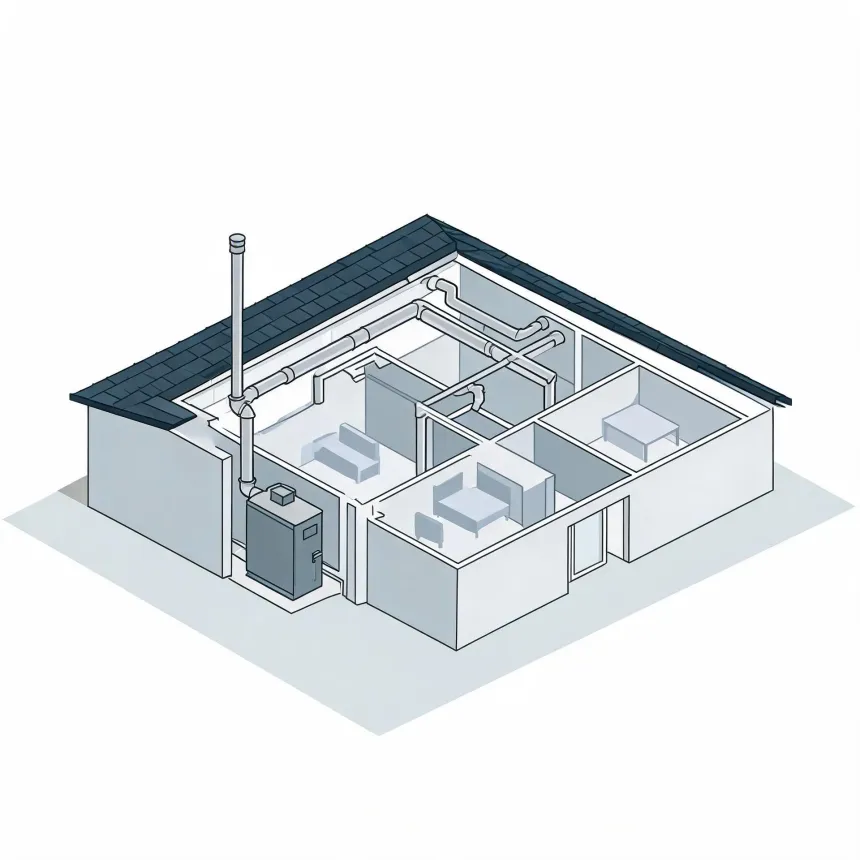
Isometric line illustration of a cutaway single-story house showing interior rooms with furniture, ceiling ductwork, and an exterior furnace unit with a tall flue pipe.
Your furnace works hardest from November through March.

NOAA nClimDiv, 1991–2020 normals

Half the homes in Macon County went up in 1964 or earlier.

An install crew working on a house that age needs to check the duct run and the gas line before they size anything new.

Gas here is cheap, so pick the furnace that will last, not the one with the highest efficiency number

Heat runs October through April
Winter nights average 22°F
Climate zone 5A

Macon County is zone 5A, a cool climate where heating carries more of the year's load than cooling. Any furnace installed here has to clear the federal minimum for non-weatherized gas units, 80 percent AFUE. That floor holds for a few more years yet. Furnaces built from December 2028 on will need to hit 95 percent, which means a condensing furnace instead of the standard kind, with a different vent to match. Right now an 80 percent unit is still a legal install here, and it's worth asking your contractor which rule your new furnace will fall under.

Get it done before October

Heat goes on in October here and runs through April. If your furnace is on its way out, September is the month to get the new one in, before the first cold night makes the call for you.

Find a contractor
A man in a cap, gray long-sleeve shirt and tan work pants climbs porch steps toward a dark blue front door, carrying a canvas tool bag with tools in its outer pockets.
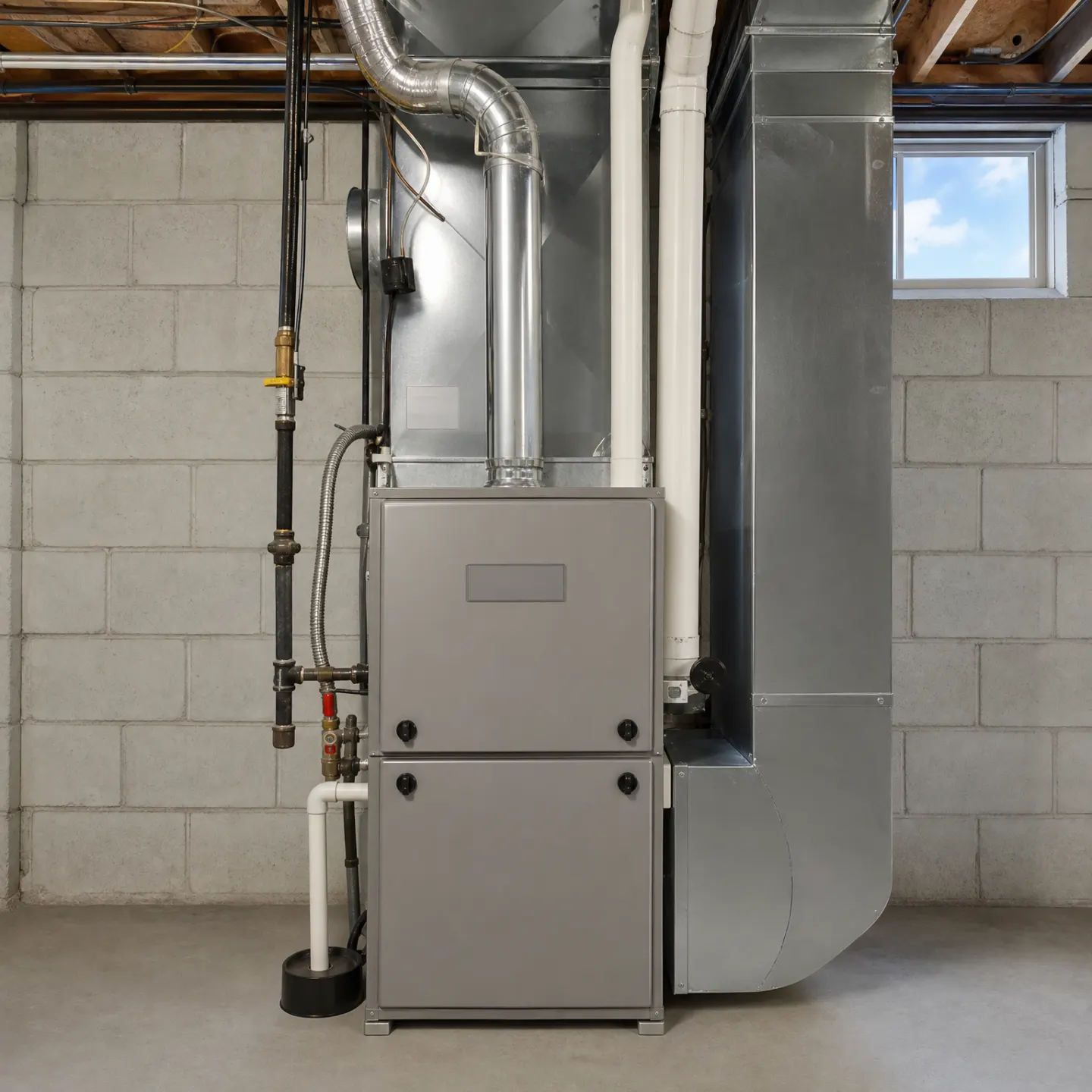
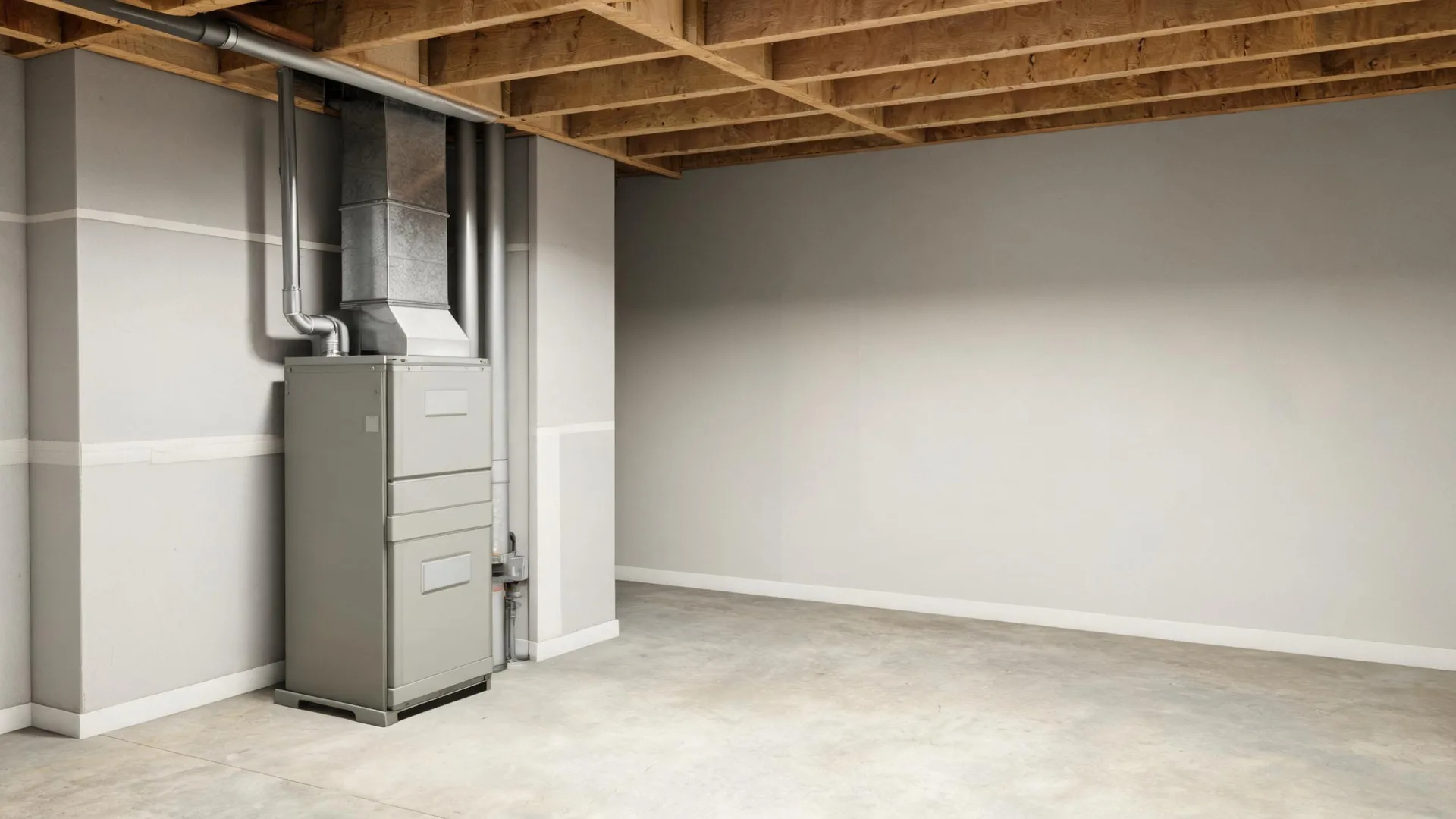
A gray high-efficiency gas furnace installed in an unfinished basement, surrounded by gas lines, a condensate drain, and sheet-metal ductwork.

Seven months of heat, nothing unusual about it

Seven months of heat a year is a normal workload, nothing that calls for an oversized unit or a premium efficiency tier. Size the furnace to the house, not to the season. The one number worth paying attention to is that 22°F overnight average in December and January, since that's close to what your furnace has to be able to keep up with on its worst nights. A correctly sized standard-efficiency furnace handles that without trouble. There's no case here for buying bigger or spending more than the house calls for.

AFUE is a measure of waste, not heat

The percentage on the label tells you how much of the fuel burned turns into heat for the house versus how much goes out the vent. A higher number means less gas wasted per cycle. It says nothing about how much heat the furnace can put out or how big a house it can cover.
The rating doesn't tell you what the furnace will cost to live with

Furnaces with the same AFUE number can still differ in what wears out first, how the blower is built, and what parts cost to replace down the line. Sizing the unit to the house matters more day to day than chasing a higher efficiency tier.

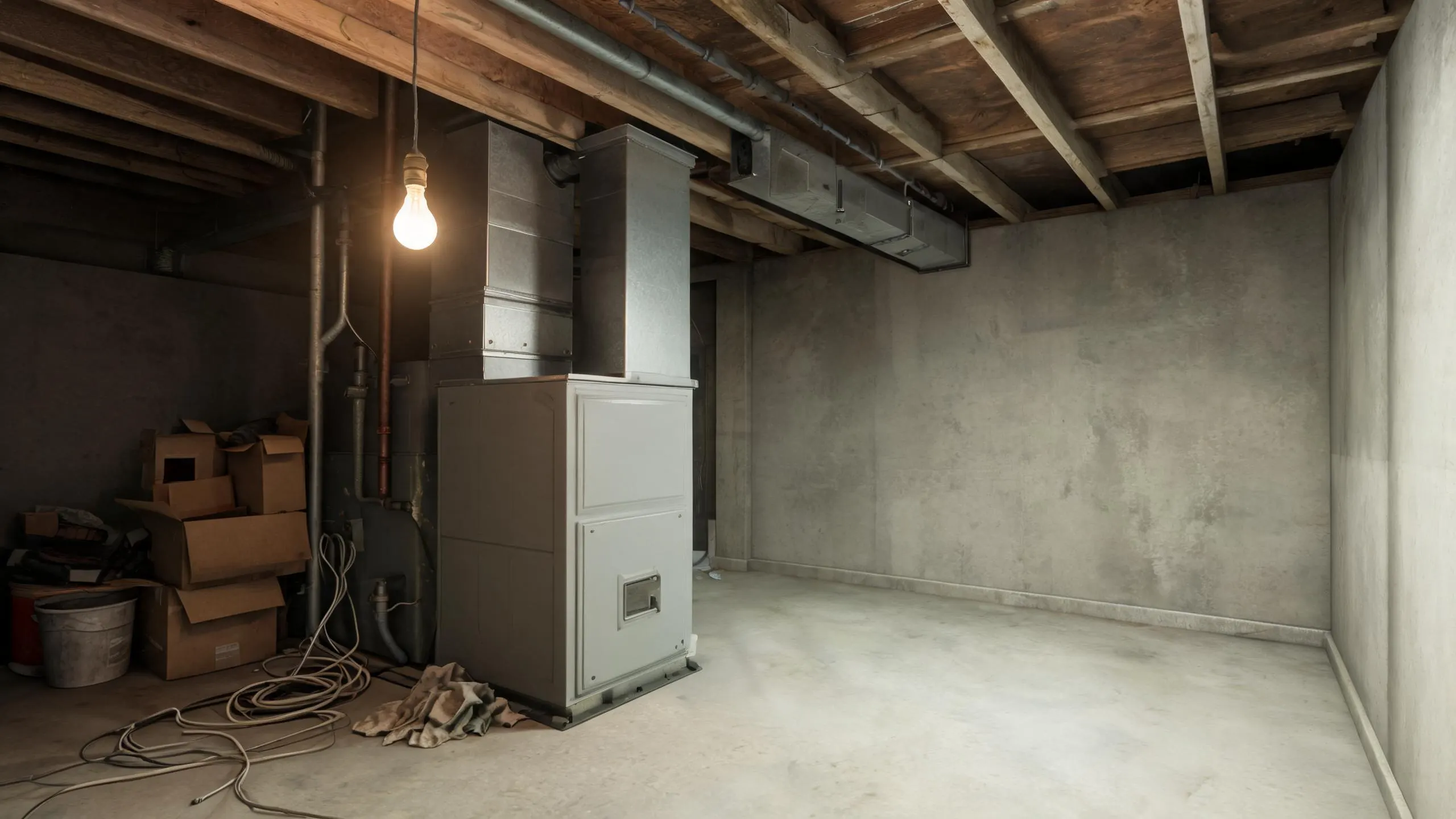
An unfinished concrete basement containing a metal HVAC air handler, exposed wooden ceiling joists with sheet-metal ducts, a hanging bare bulb, copper pipes, and stacked cardboard boxes.

A high-efficiency gas furnace would save about $110 a year to run in Macon County compared with a gas furnace.

  • A high-efficiency gas furnace$520 a year
  • A gas furnace$630 a year

Estimates for a typical Macon County home, from EIA household energy data, Illinois fuel prices and NOAA climate normals. Your home will differ.

Install day starts with the old furnace coming out, along with whatever vent pipe and ductwork near it doesn't match the new one. The crew sets the new furnace, connects the gas line, and runs the vent, which is where the time goes if the venting type is changing. Every joint on the gas line gets pressure tested before anything is fired up. Once it's connected, the furnace runs through a full cycle while the contractor checks gas pressure, airflow, and temperature rise against the furnace's own rating plate. The last step is a carbon monoxide check at the furnace and at any nearby room, since that's the one thing a new install has to get right before the crew leaves.