One check a year covers it
Furnaces around Decatur run from October through April, about seven months straight. A check before that stretch starts is enough to catch a weak igniter or a clogged flue before you need the heat.
Takes about a minute. No obligation.
Furnaces around Decatur run from October through April, about seven months straight. A check before that stretch starts is enough to catch a weak igniter or a clogged flue before you need the heat.
Overnight lows average 22°F through December, January and February. That's when a furnace put off in the fall shows its problems, so the check needs to happen before those months, not during them.
The blower motor can run for years with a bearing slowly going bad, and nothing about the airflow tells you.
A tech who listens to it running, instead of just checking it comes on, catches that bearing before it seizes.




Macon County gets its share of rough weather. Wind, hail, tornadoes, winter storms, 184 events in the last ten years. None of that reaches a furnace sitting in a basement or closet. Wind and hail hit the roof and siding, not a sealed combustion chamber. What can knock out a furnace is a power outage, since the blower and control board both need electricity to run. A yearly check cannot prevent an outage. What it does is rule out the other reasons a furnace might fail you on a cold night, the weak igniter, the clogged flue, the problems a tech can catch while the weather is still mild.
A furnace installed decades ago has had a lot of years to develop small problems. A yearly check before the weather turns is how those get caught while they're still small.
Find a contractor
A furnace that never gets checked still runs, right up until the day it doesn't. Dust builds up on the burners over time and changes how they fire. The flame sensor picks up a coating that makes it read a flame that isn't strong enough, so the furnace shuts itself off as a safety measure. The igniter wears out a little more with every cycle it survives. None of that shows up as a problem you can see. It shows up as a furnace that won't start on the coldest morning of the year, because that's when it's working hardest and has the least room for error. A yearly check catches the sensor before it's coated enough to matter and the igniter before it's weak enough to fail. Skip enough years and the furnace is still running the same gas through the same burners, just with more buildup and less margin each season.
A furnace that fires up and shuts off almost right away isn't cycling normally. Something is tripping a safety switch, maybe a blocked vent, maybe a flame sensor already too coated to do its job. The furnace is protecting itself by shutting down, and it will keep doing that until the cause gets found.
A gas flame should burn blue and steady, maybe with a small tip of yellow. A flame that's mostly yellow, or one that flickers and moves around, means the gas isn't burning clean, often from a burner that needs cleaning. That's worth catching before the furnace is running every day, not after.
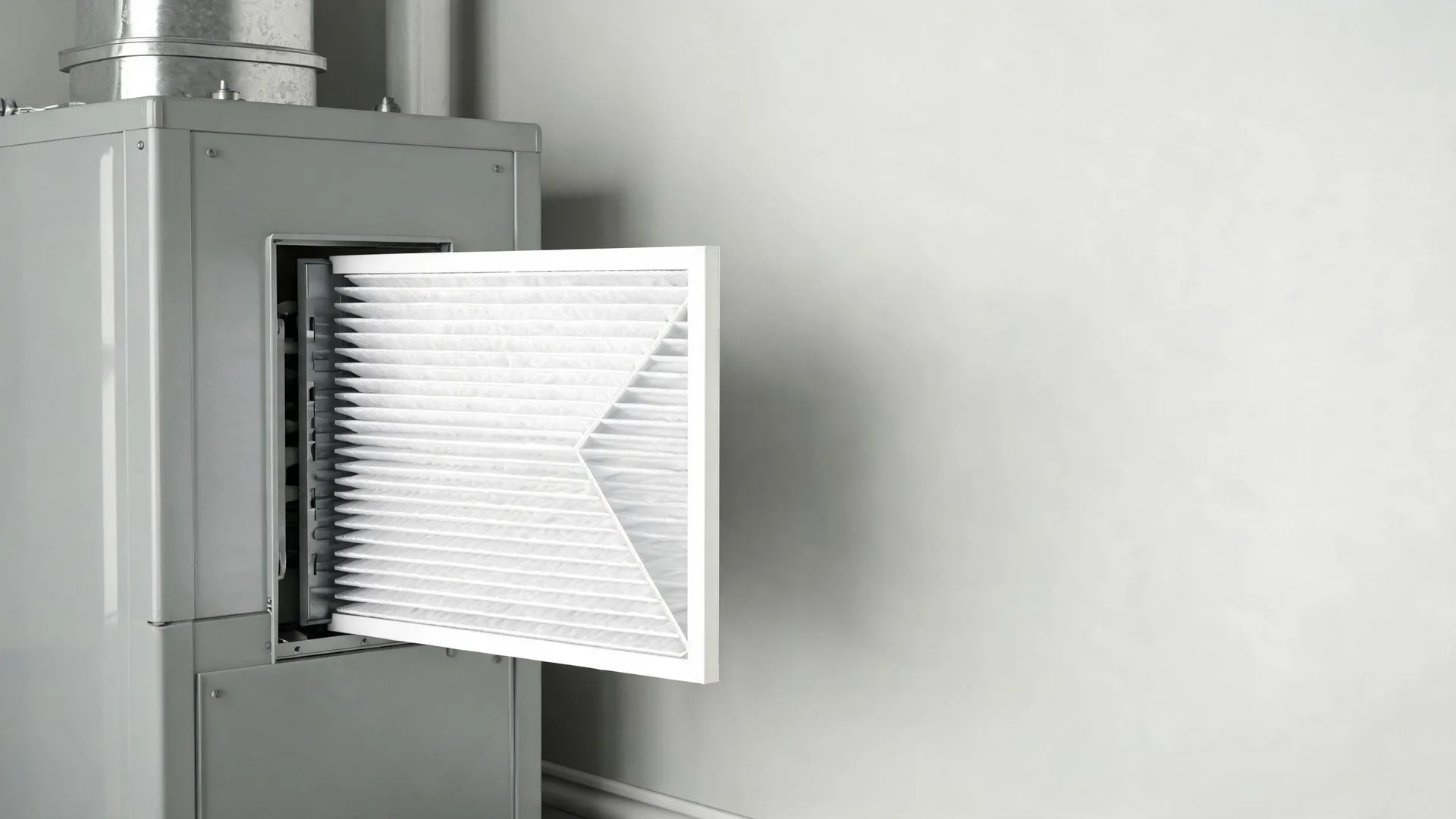
A thorough check starts with the burners pulled and cleaned, not just glanced at. The tech should measure gas pressure at the manifold, not assume it's right. The flame sensor gets cleaned or swabbed, since that's the part most likely to cause a no-start down the road. The heat exchanger gets inspected for cracks, because a cracked one can let exhaust mix with the air moving through your house. The flue and vent get checked for a clear path outside, not just a glance to see it's connected. A quick visit might swap a filter, listen to the blower, and call it done. None of that tells you whether the burners are firing clean or the exchanger is sound. Ask what was actually checked, not just whether the furnace was turned on.
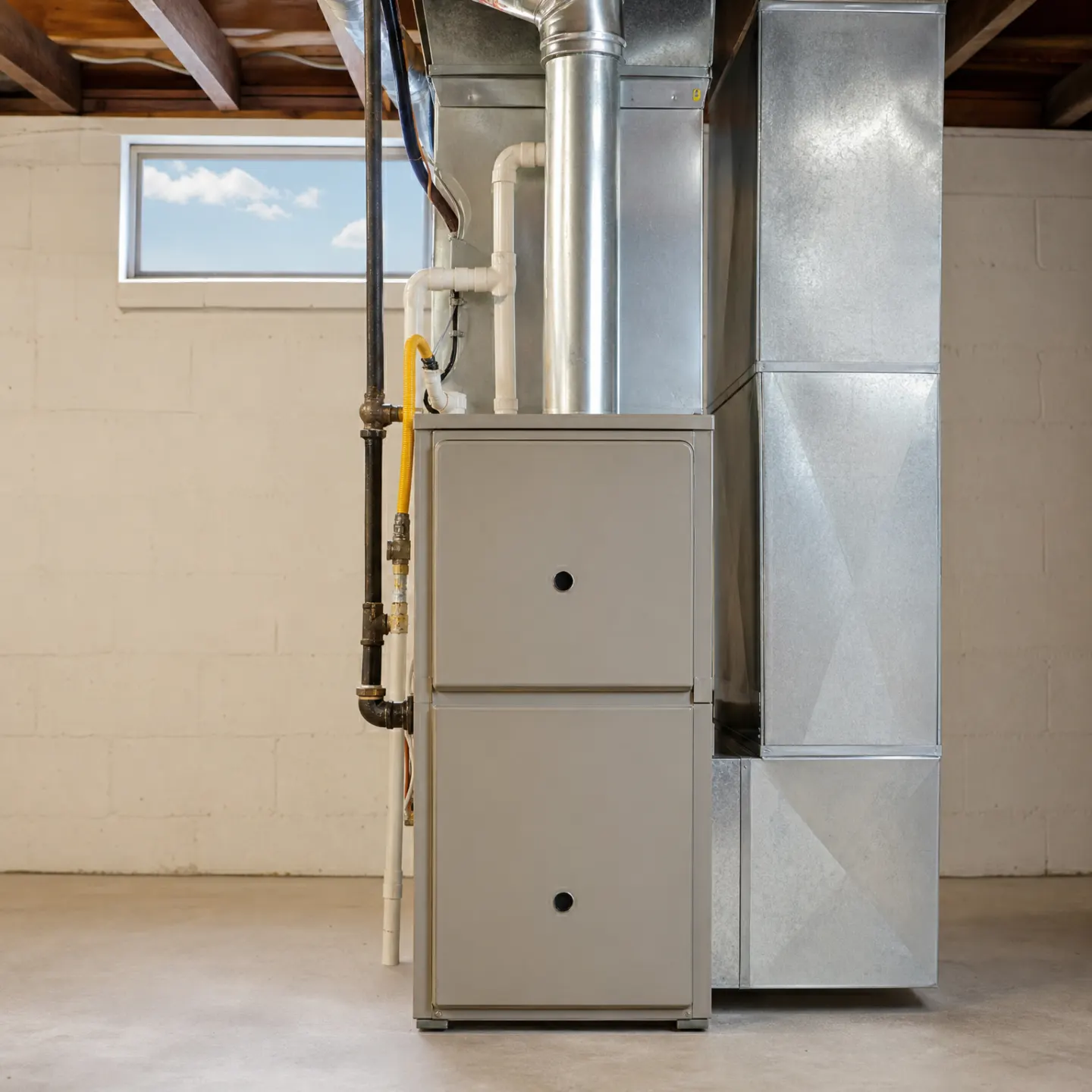
A tune-up is a set order of checks, not a quick look and a nod. The tech pulls the burners and cleans them, since dust and dirt change how the flame fires. The igniter gets tested under load, not just eyeballed, because a weak one can still glow without producing enough heat to light the gas reliably. The inducer motor and blower get checked for noise and vibration, early signs of a bearing going bad. Gas pressure gets measured at the manifold, since too high or too low both cause problems down the line. The condensate line gets checked for clogs on furnaces that have one, because a blocked line backs up and trips a safety switch. Every wire connection at the control board gets checked too, since a loose one causes the same lockouts people blame on bigger parts.