
Heat pump vs furnace in St. Clair County, Illinois

Get a Quote

Heat pump or furnace, one form

Which costs less to run in St. Clair County?

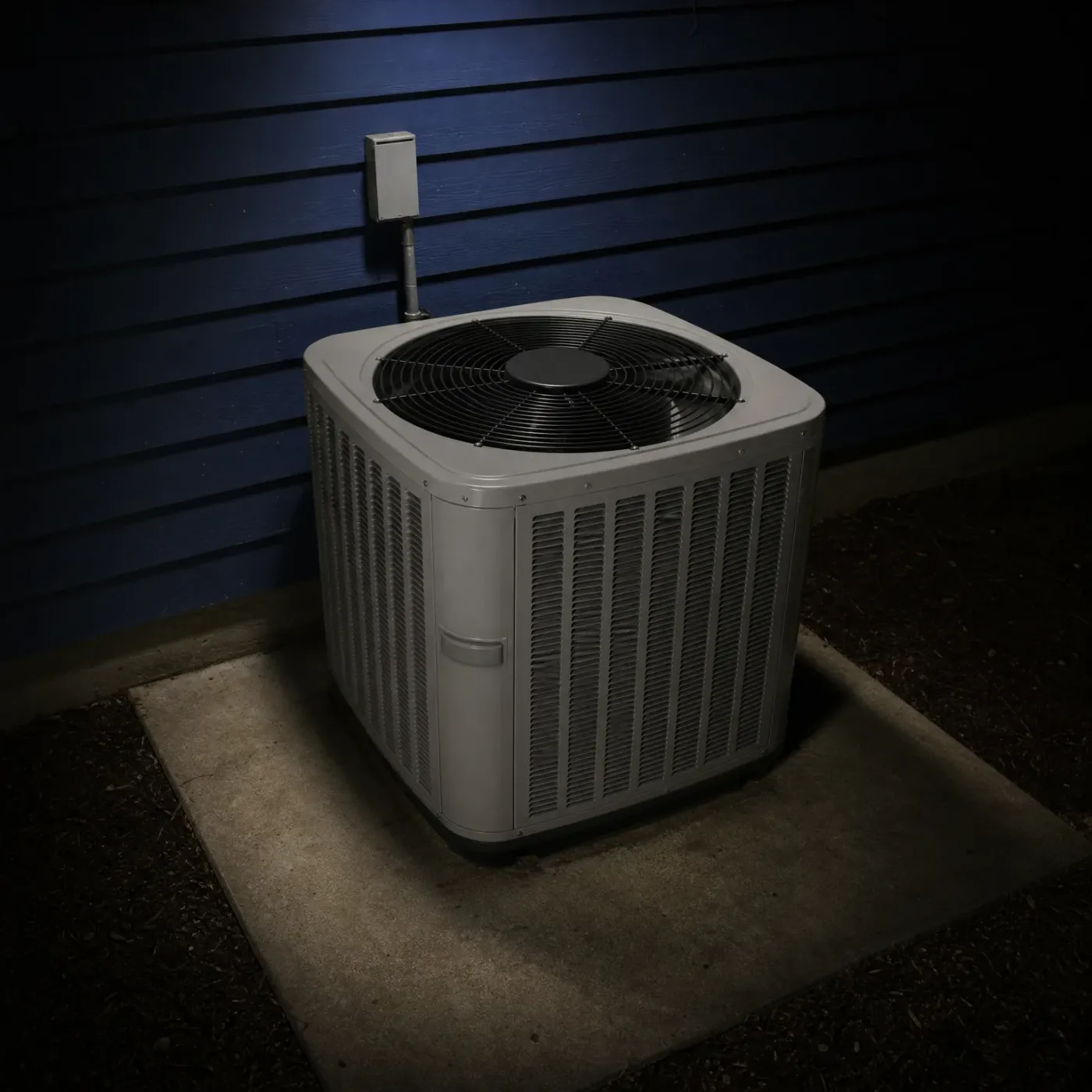
A gray outdoor condenser unit with a top-mounted fan grille sits on a concrete pad beside a dark blue horizontal lap-siding wall at night, with a disconnect box and conduit on the wall above it.

Heat pump

To heat your home here$2.12per 100,000 Btu

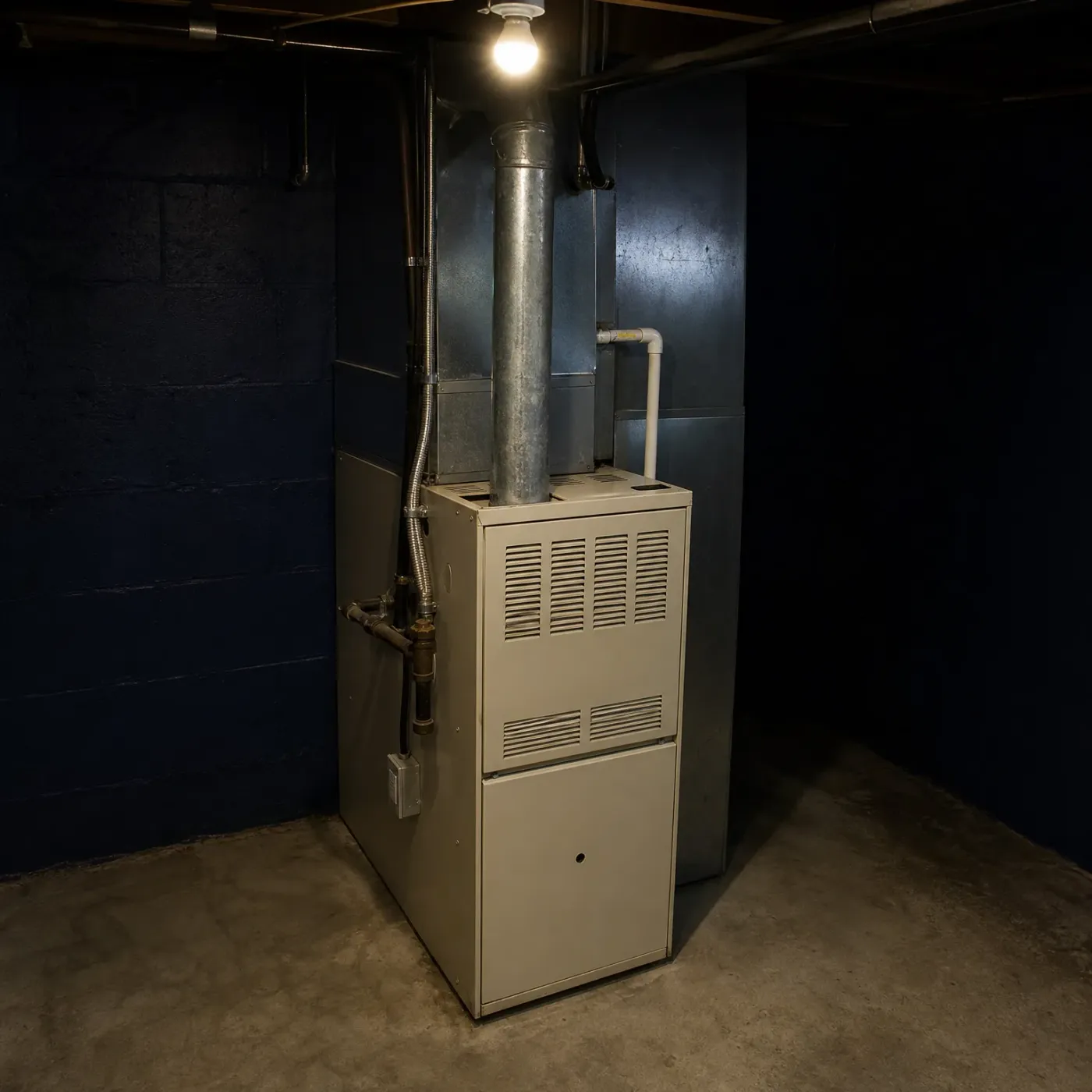
A beige gas furnace with louvered panels stands in a dark basement corner beside a metal flue pipe, ductwork, and painted block walls, lit by a bare ceiling bulb.

Furnace

To heat your home here$1.33per 100,000 Btu

At Illinois's gas and electricity prices, a gas furnace makes the same heat as a heat pump for at least 37% less.

Btu stands for British thermal unit, the standard measure of heat energy.

Where does a heat pump shine?

  • Covers a long cooling season

    Cooling runs May through September here. A heat pump handles that whole stretch with one system instead of switching between two.

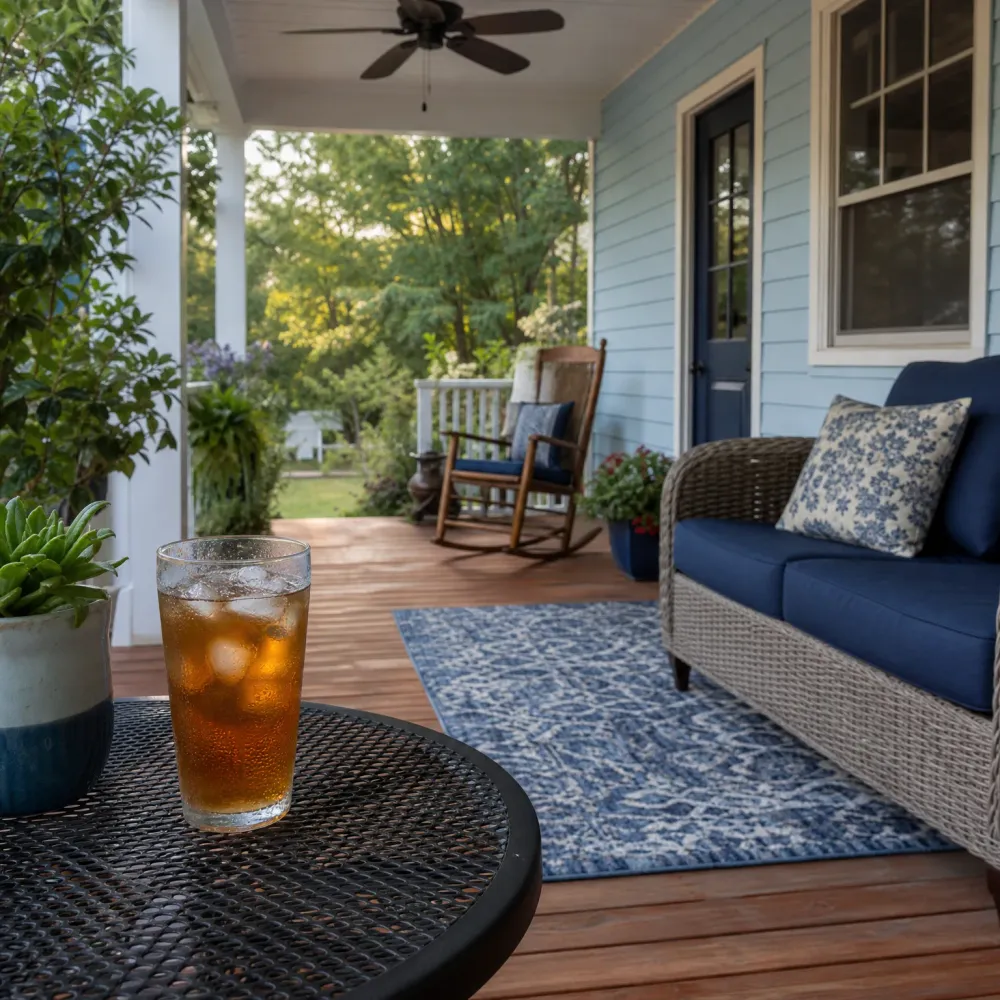
    A covered wooden porch with a glass of iced tea on a round mesh table, a wicker sofa with navy cushions, a patterned blue rug, a wooden rocking chair, potted plants, and a ceiling fan, with green trees beyond.
  • Steady, even comfort

    A heat pump runs long and low instead of blasting on and off. Rooms hold an even temperature all day.

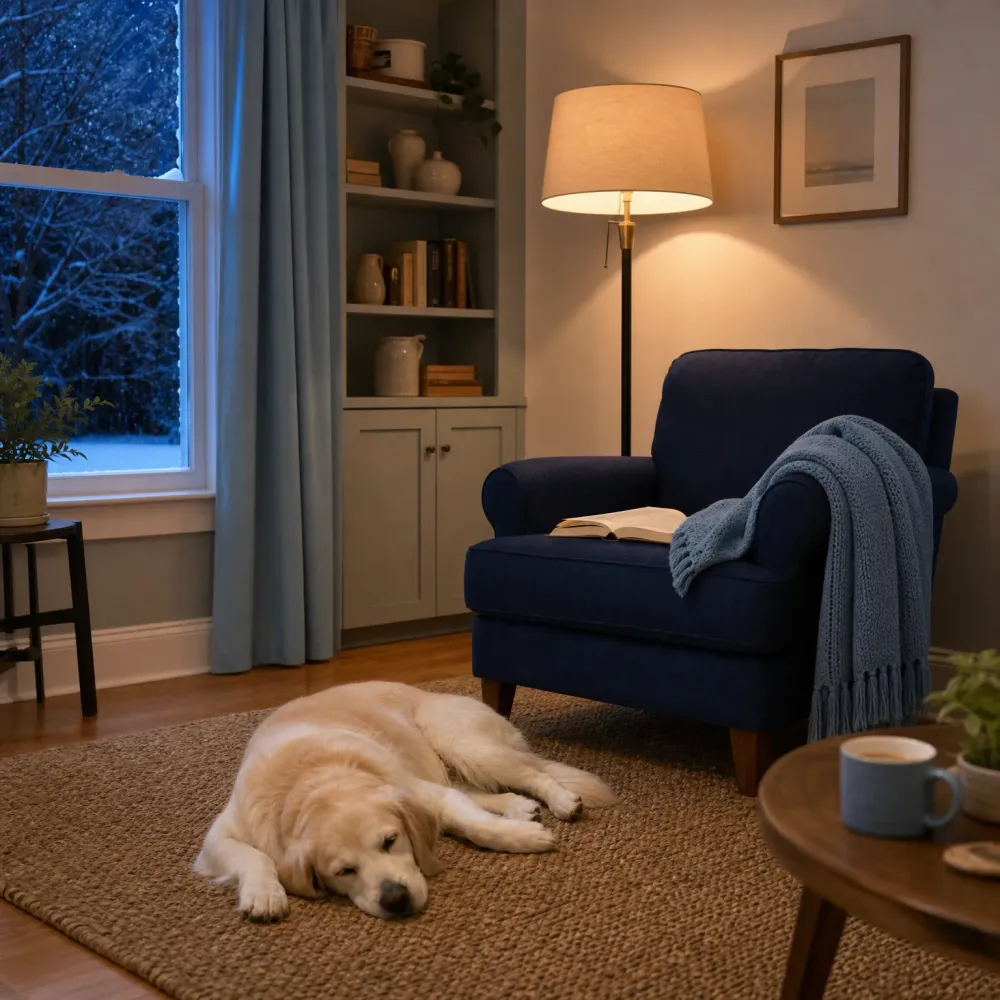
    A light-colored dog sleeps on a woven rug in a dimly lit living room with a navy armchair holding an open book and a knit blanket, a lit floor lamp, built-in shelves, and a window showing snow-covered trees at dusk.
  • No gas line, nothing burning in the house

    There's no gas line to the unit and no flame anywhere in it. Carbon monoxide isn't part of the picture.

    A kitchen with a white stone-topped island over navy cabinetry, a stainless kettle on a black cooktop, a wooden open shelf holding bowls, mugs and a potted plant, and a ceramic vase of green flowers beside a woven stool.

Where does a furnace shine?

  • Pairs with any central AC

    The ductwork that delivers heat in winter delivers cool air in summer once an AC coil is added.

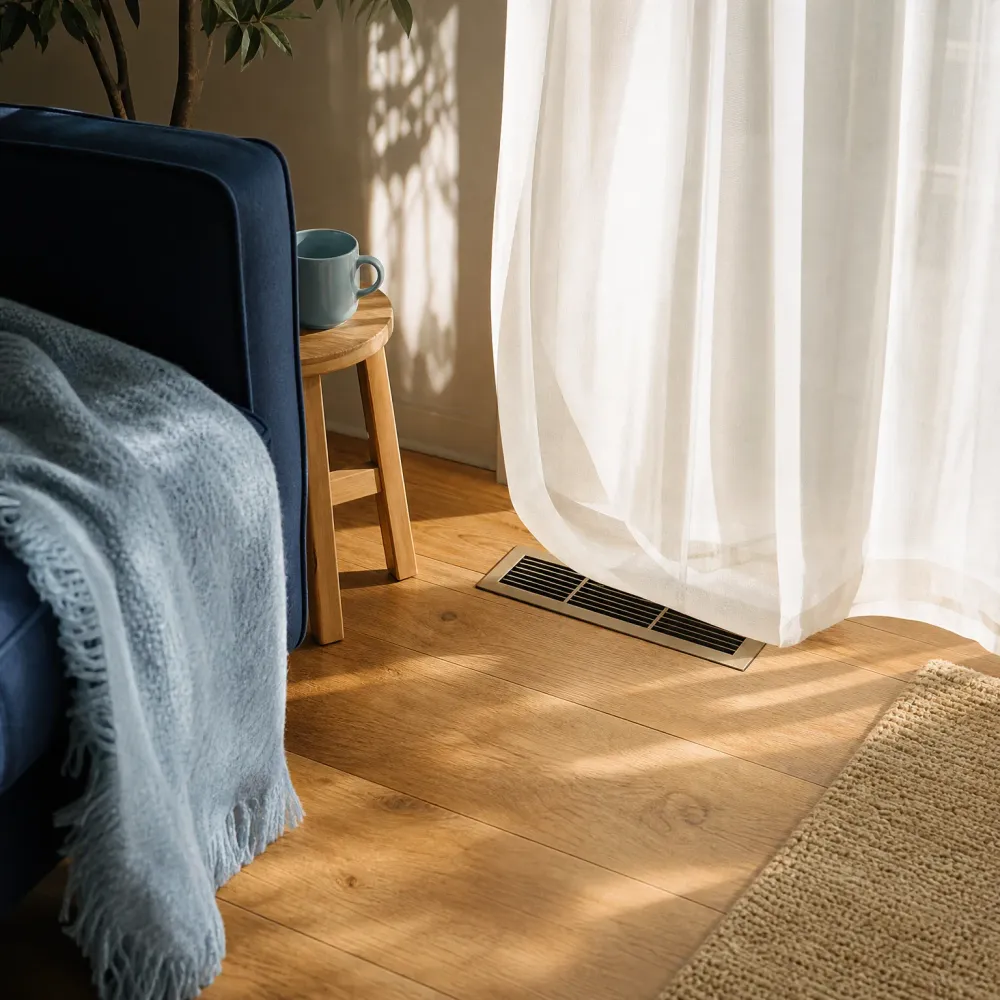
    A sunlit room with wood plank flooring, a floor vent grille near a sheer white curtain, a dark blue sofa with a pale blue fringed throw, and a wooden stool holding a blue mug.
  • Fast, strong heat on demand

    A furnace pushes out hot air within minutes of switching on. A cold house warms up fast.

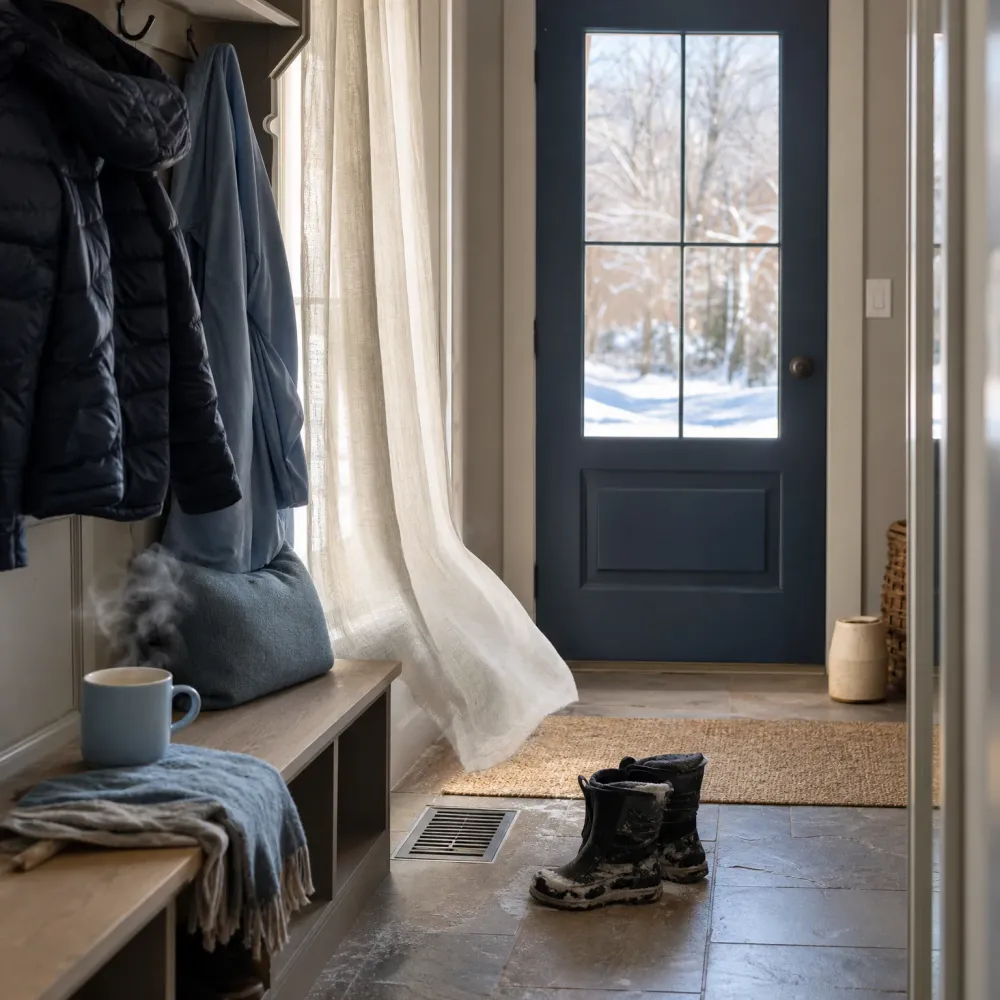
    A mudroom with coats hung on hooks, a wooden bench with a mug and blanket, a floor vent, snow-dusted boots on stone tile, a jute rug, and a dark glass-paned door showing a snowy yard.
  • Proven, simple, easy to get serviced

    Gas furnaces have heated homes for generations. Almost every HVAC tech knows them inside and out.

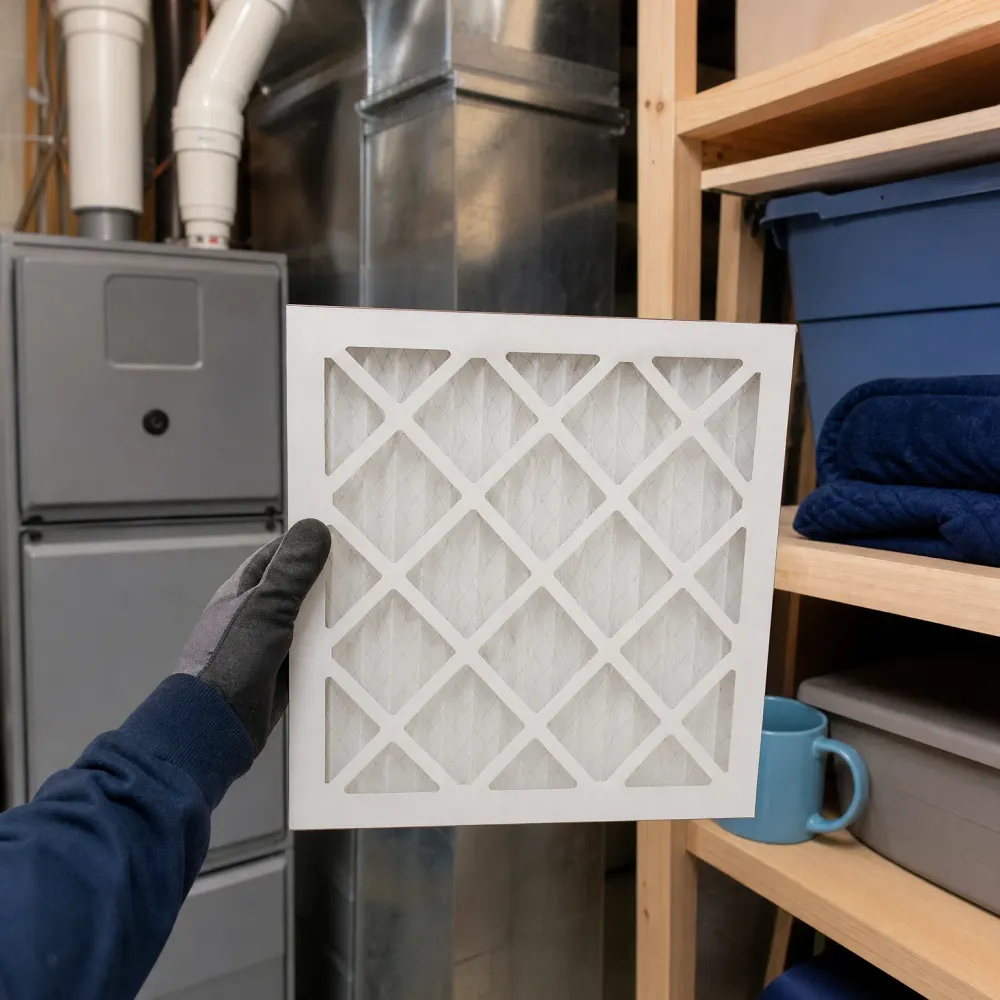
    A gloved hand holds a white pleated air filter in front of a furnace and ductwork, next to wooden shelves holding bins, folded blankets, and a blue mug.

Can a heat pump keep up here

Winter here is the long season, not the short one. Heat runs seven months, October through April, and the overnight low averages 26°F across December, January and February. That number matters because a standard heat pump starts losing heat output below 40°F and often leans on backup heat below about 35°F. Here, the average winter night is already past both marks.

Freezing nights are not rare or occasional in St. Clair County. The low drops to 32°F or below on about 95 nights a year, under half the nights heat runs, and every one of those nights falls below the point where a standard heat pump is already working under its rating. Real bitter cold is uncommon: 0°F or below shows up on about one night a year. So the problem for a heat pump here is not a handful of brutal nights. It's that ordinary winter nights, 95 of them, sit below the temperature where it runs at full strength.

A heat pump built to the ENERGY STAR Cold Climate spec is a different machine at these temperatures. To earn that label it has to deliver real heat at 5°F, not just at 47°F, and keep most of its capacity down there, checked by outside testing. Field tests of these cold-climate units in occupied homes back that up: backup heat covered only a small share of the load between 0°F and 35°F, and running on backup alone was rare even above 0°F. A standard heat pump in St. Clair County will lean on backup heat all winter. A cold-climate one mostly won't.
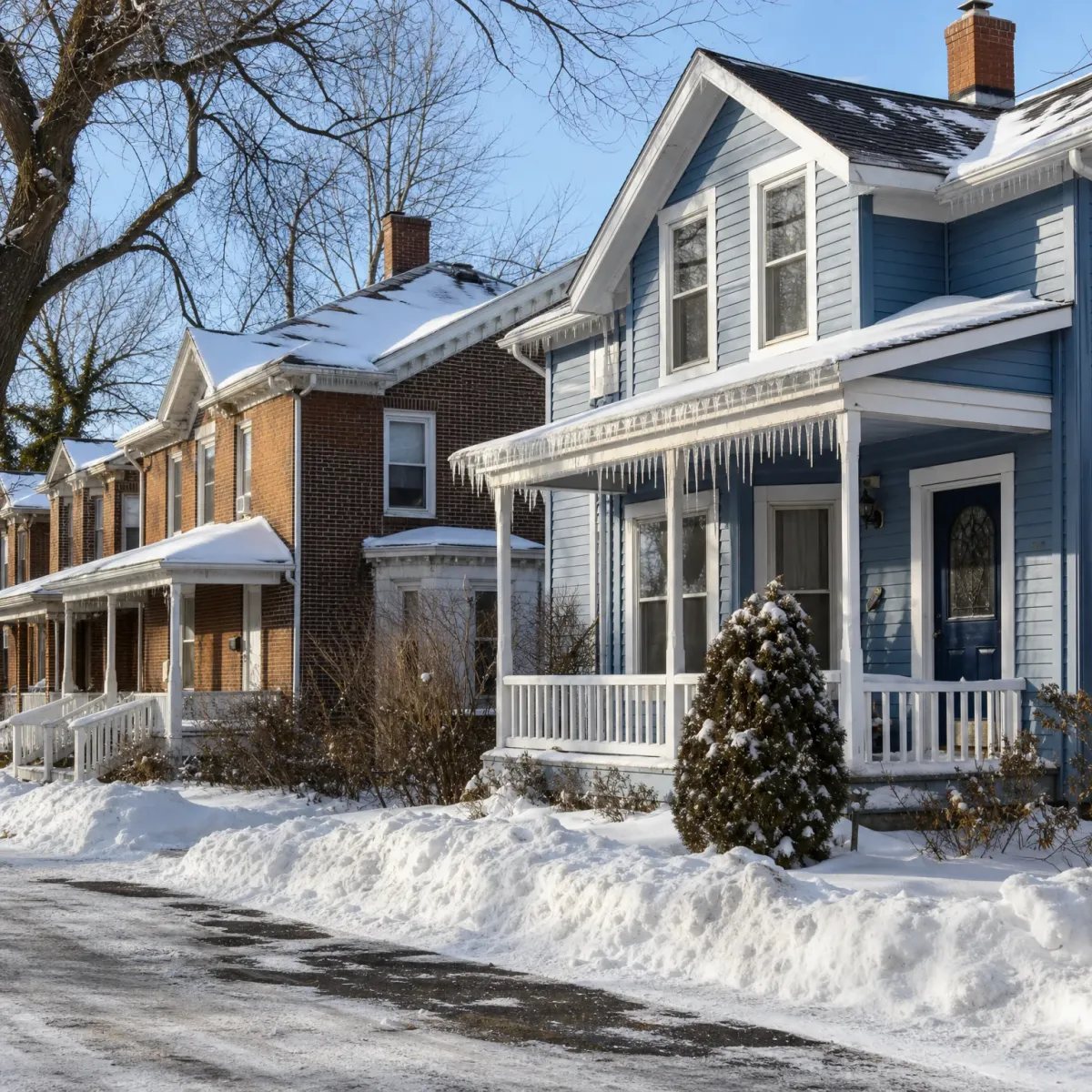
A row of houses along a snowy street, with a blue clapboard house with a white porch and icicles in the foreground and brick houses behind it under a clear sky.

What it costs to run and what it means for summer

At Illinois's current prices, a furnace is the cheaper machine to run. Gas makes the same heat for $1.33 per 100,000 Btu against $2.12 for a heat pump at its federal minimum rating, better than a third less. That gap is also the more favorable case for the heat pump: it doesn't count the backup heat a standard unit needs once outside temperatures drop below 35°F, which would add to its running cost here.

Summer cuts the other way. Heat pump or furnace, you still need central air, and St. Clair County earns it: afternoon highs reach 90°F or higher about 45 days a year, and the summer average high across June, July and August is 87°F. A furnace has no part in that. It heats, and for the five months cooling runs here it sits idle while a separate AC unit carries the load. A heat pump is already built to do both jobs, so the same equipment that struggles on the coldest nights is also what's cooling the house all summer.

Most homes in St. Clair County already answer this with their fuel. Utility gas heats about three in five homes here, electricity about one in three, close to the state's own split. If gas already runs to the house, a furnace is the cheaper, simpler match for the equipment already in place. If the choice is open, the honest version is this: a standard heat pump will cost more to run here and will need backup heat on the majority of winter nights, but a cold-climate heat pump is built for exactly the conditions this county has, and it's the only one of the two that also covers those 45 days a year over 90°F without a second system.

Sources: NOAA nClimDiv · NOAA 1991–2020 seasonal normals · PNNL Building America guide · PNNL-37127 field study · ENERGY STAR product criteria · EIA SEDS 2024 · 10 CFR 430.32 · Census ACS 2020–2024

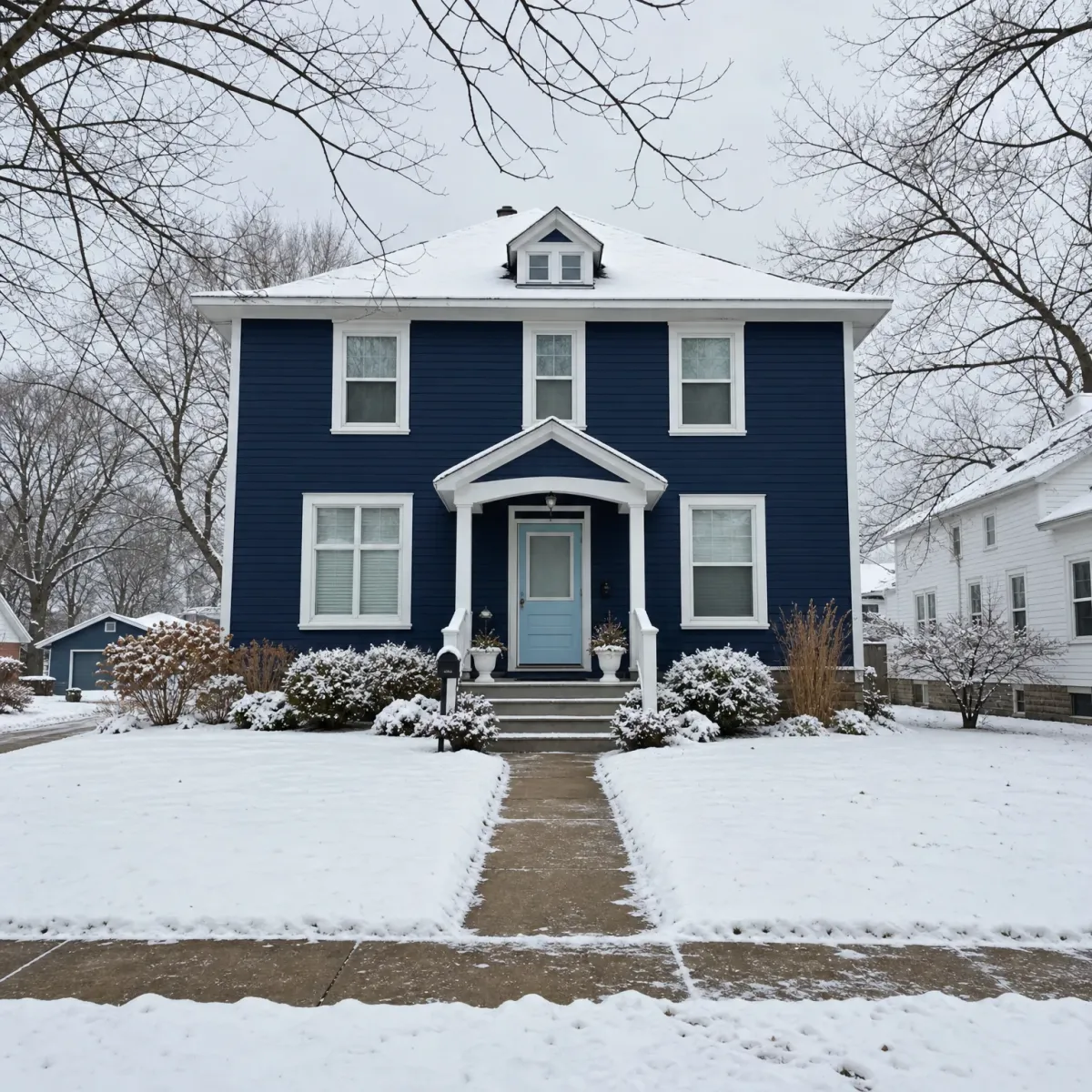
A two-story navy blue house with white trim, a light blue front door and small covered porch, surrounded by snow-covered lawn and bare trees, with a cleared concrete walkway leading to the steps.

Common questions about heat pumps and furnaces

  • Can a heat pump heat a house through an Illinois winter?

    It can, but not at full strength on the coldest nights. A standard heat pump puts out less than its rated capacity once it drops below 40°F outside, and the overnight low here averages 26°F across December, January and February. Models built to the ENERGY STAR Cold Climate spec hold onto more of their capacity down to 5°F, and field testing on prototypes of that kind found backup heat covered only a small share of the heat needed between 0°F and 35°F.

  • Do I need backup heat with a heat pump here?

    For a standard heat pump, yes. Its heating efficiency drops once it's below about 35°F outside, and about 95 nights a year here fall to freezing or colder, so backup heat picks up the difference on those nights. A furnace paired with the heat pump is one common way to supply it.

  • Can I keep my furnace and add a heat pump?

    Yes, and here that often makes sense. A furnace and a heat pump can share the same ductwork, with the heat pump carrying the milder days and the furnace taking over once it gets cold. The average overnight low in December, January and February here is 26°F, well below the point where a standard heat pump starts losing capacity, so a furnace standing by for those nights covers the gap.

  • Is a heat pump cheaper to run than a furnace in St. Clair County?

    No, a furnace is cheaper to run here. At Illinois's fuel prices, a furnace makes heat for $1.33 per 100,000 Btu against $2.12 for a heat pump. Gas already heats about three in five homes in St. Clair County, and at these prices it stays the cheaper way to heat.

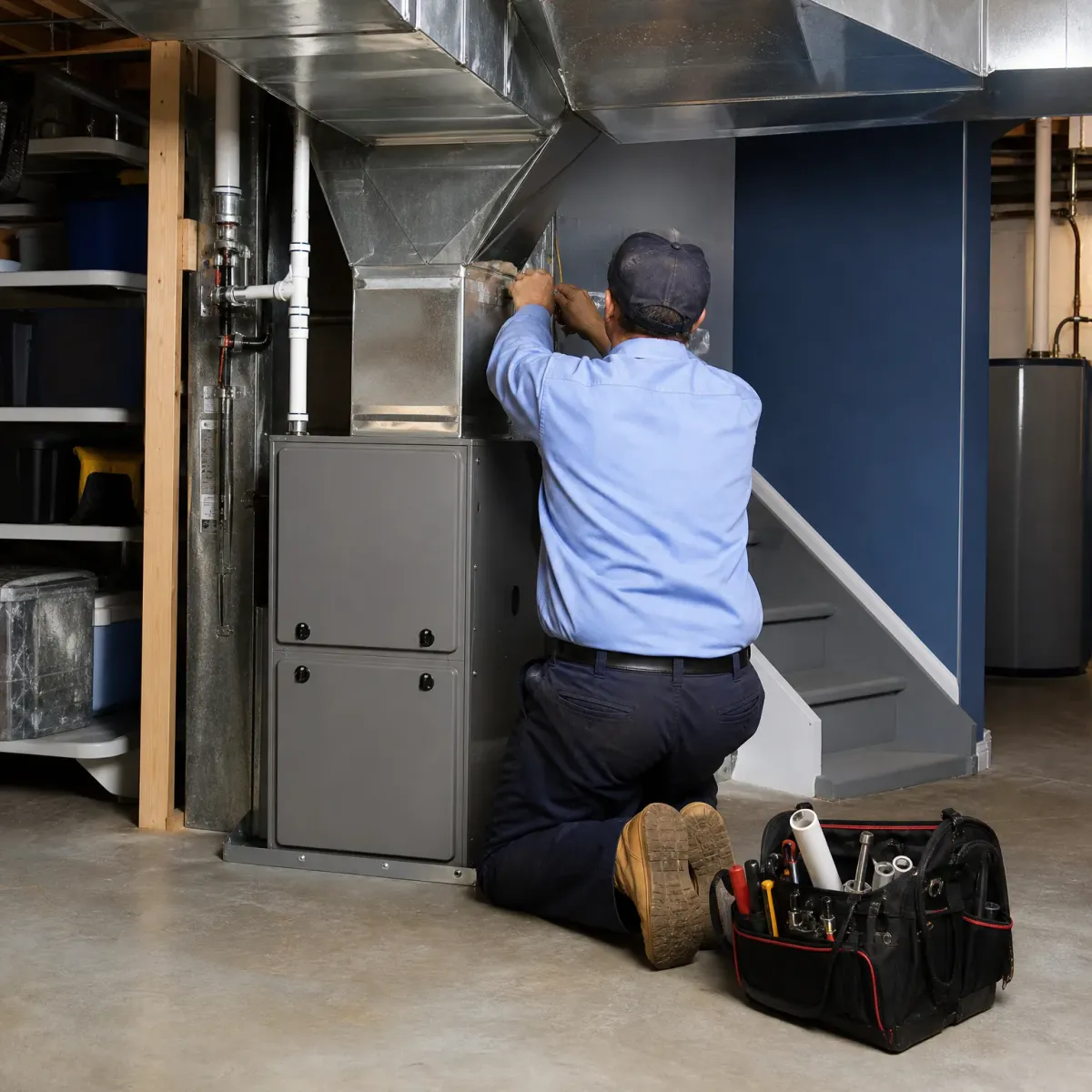
A man in a blue shirt and cap kneels in a basement working on ductwork above a gray furnace, with an open tool bag on the floor beside him and a staircase and water heater in the background.

Tell us about the job

Takes about a minute. No obligation.

Step 1 of 3: Equipment