
What the cold does to a heat pump here
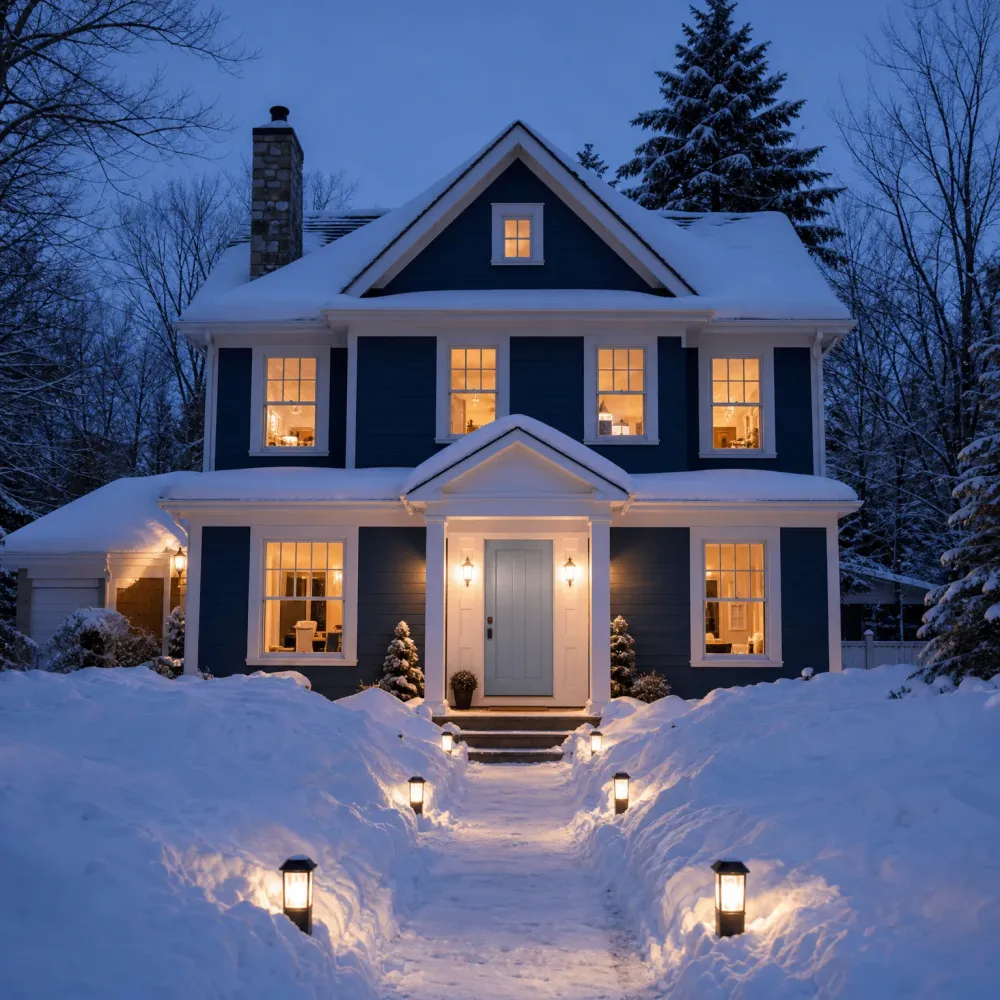
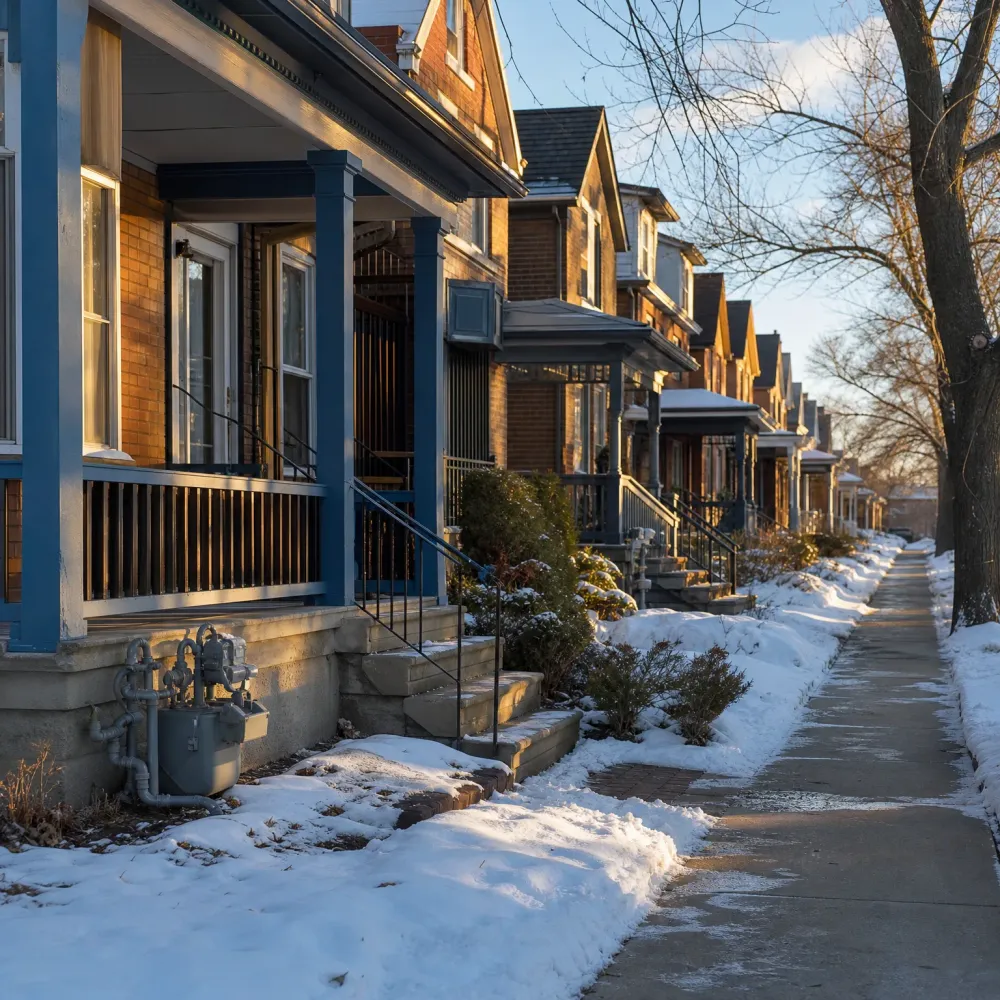
Winter is the long season in Boone County. Heat runs October through May, eight months, against three for cooling. Whatever you install will spend most of its life heating this house, so heating performance is what decides this, not air conditioning.
The overnight low here averages 16°F across December, January and February. That number matters because a standard heat pump starts losing capacity below 40°F and often needs backup heat below about 35°F. Sixteen degrees sits under both marks. So does every one of the roughly 145 nights a year that fall to freezing or below, which is more than half the nights in the heating season. This is not an occasional dip into territory where the heat pump struggles. It is most of an average winter night here.
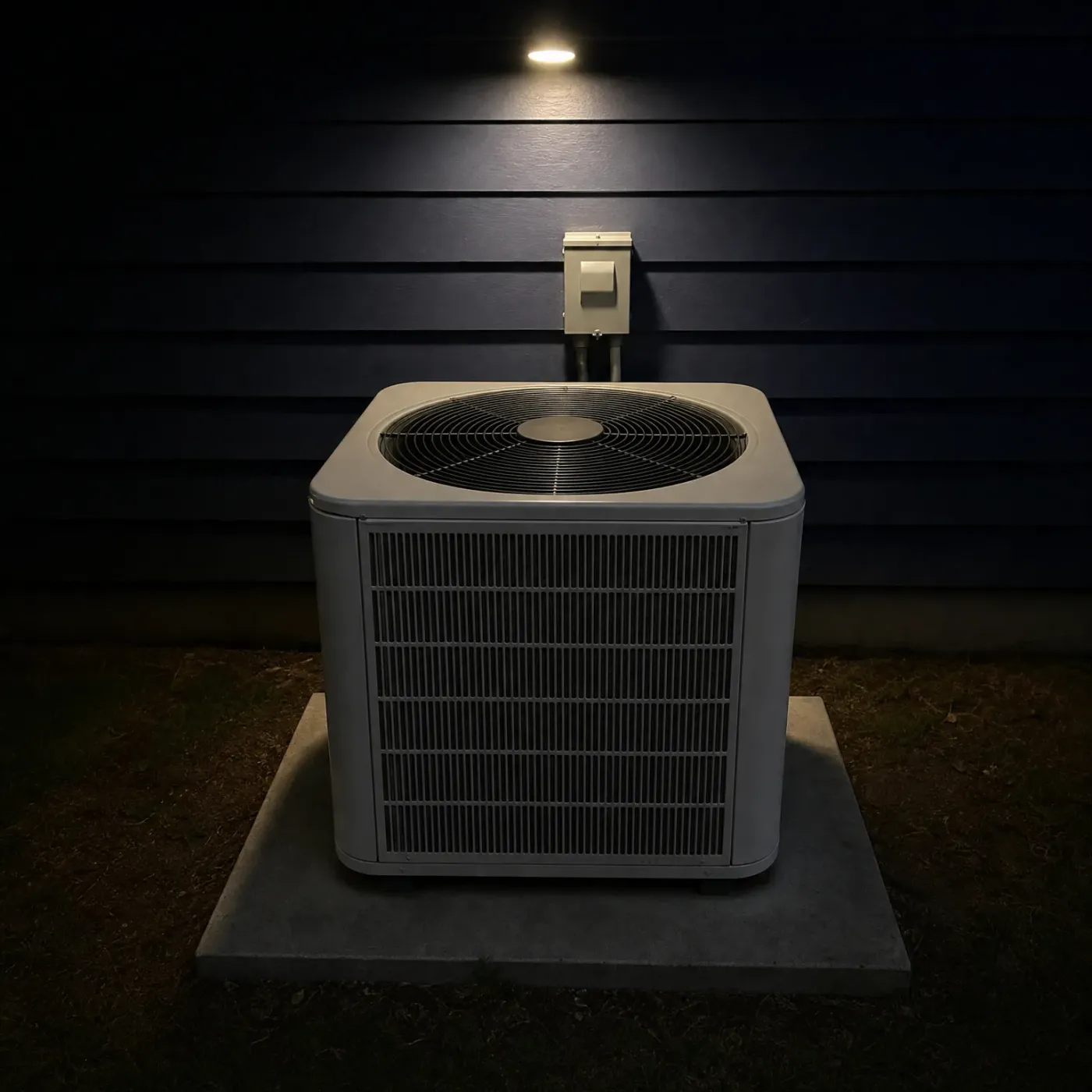
There are about 14 nights a year that reach 0°F or below. That is the hard edge, and it is a small part of the season, not most of it. A cold-climate heat pump, the kind certified to hold at least 70 percent of its 47°F capacity and still produce 1.75 units of heat per unit of electricity at 5°F, is built for exactly this stretch. Field testing of these units over two winters found backup heat covered only a small share of the output between 0°F and 35°F, and running on backup alone was rare even above 0°F. A standard heat pump, the kind built to the federal minimum, is not tested or rated for that range, and the running cost quoted for one here assumes no backup heat at all. If a heat pump goes into this house, the cold-climate version is the one that holds up on the other 231 nights a year below freezing, not just the 14 coldest.