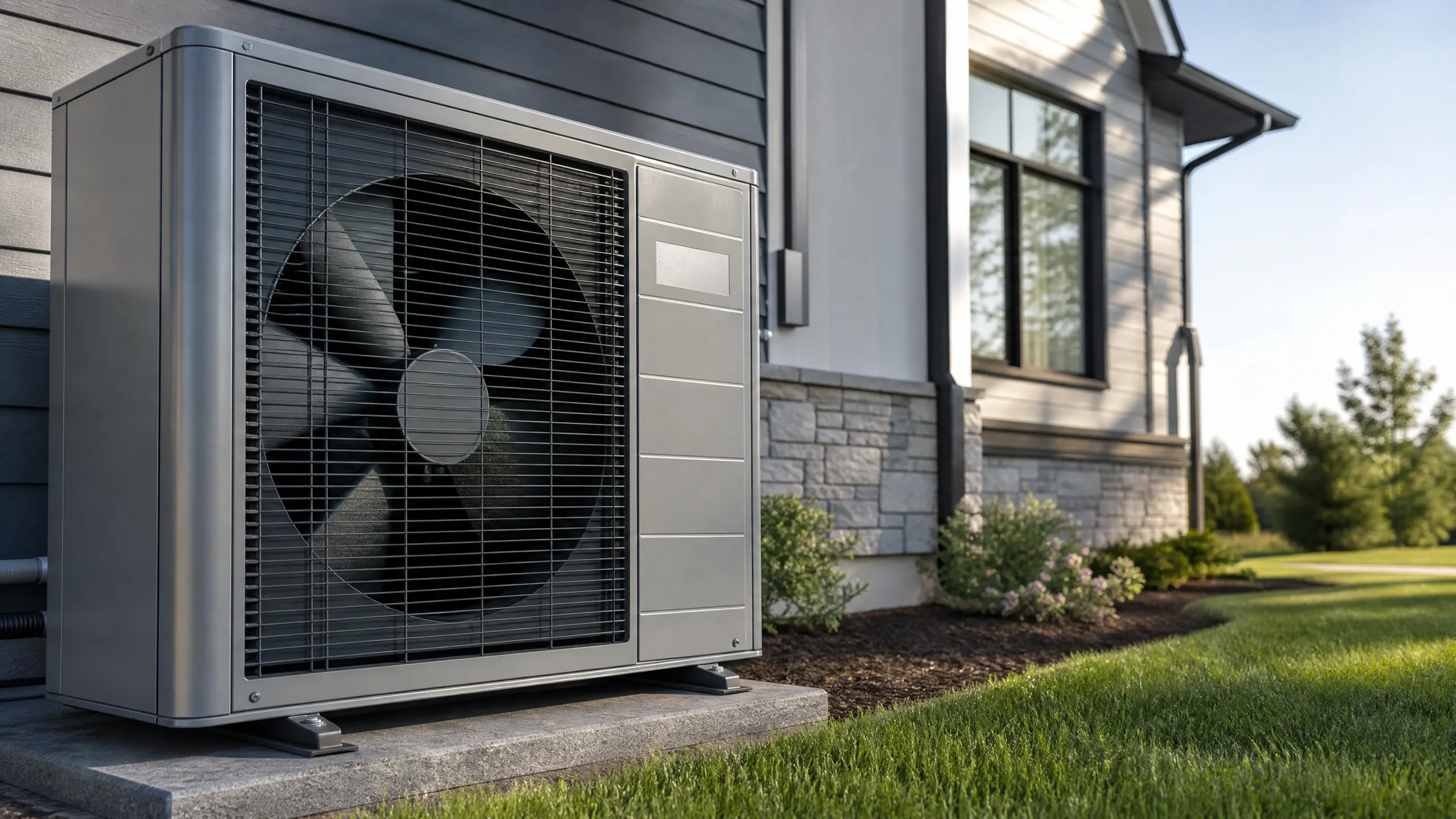





A grey heat pump outdoor unit mounted on a concrete pad against the exterior wall of a house with grey siding and stone veneer.

Heat Pump Repair in Belvidere, IL

Tell us about the job

Takes about a minute. No obligation.

Step 1 of 3: Equipment

Belvidere winters are the real work your heat pump does. Zone 5A means heating carries the bigger load here, with overnight lows averaging 16°F through December, January and February. That's a steady demand, not an extreme one, and a heat pump built for this region is sized to handle it without straining past what it was built for. There's no heavy cooling load stacked on top to wear it down the rest of the year. A unit that's been maintained usually has plenty of life left when something goes wrong, so a repair is often the right call before you think about replacing it.

8 months
October through May, your system heats
3 months
June through August, it cools
16°F
the average winter night it heats against
81°F
the average summer afternoon it cools against
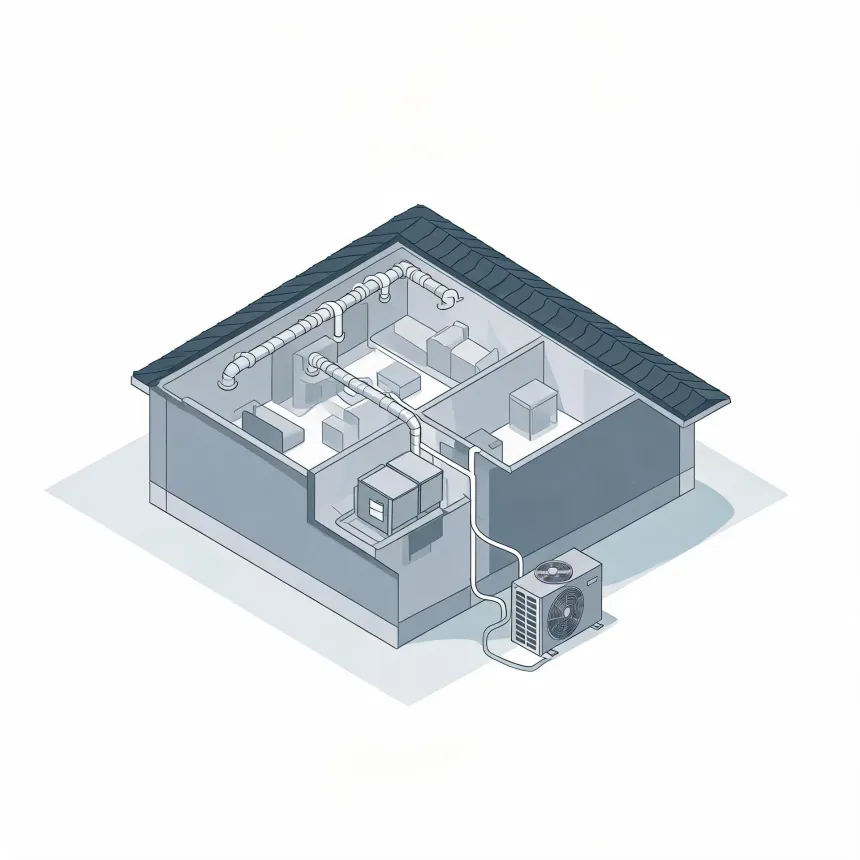
Isometric cutaway illustration of a single-story house showing interior ductwork, an indoor air handler, and an outdoor condenser unit connected by lines along the exterior wall.
Your system heats October through May and cools June through August.

NOAA nClimDiv, 1991–2020 normals

Half the homes in Boone County were built in 1986 or later.

A heat pump that came with a newer home here still has years of work left in it, so a repair is usually worth making.

At 15.87 cents a kilowatt-hour, a heat pump running badly here costs you every month you leave it that way

Power costs 15.87 cents a kWh statewide
15 hail events from 2015 to 2024
14 winter storms from 2015 to 2024
October starts the real workHeat pumps here run October through May, and September is when a weak one gets found.

A heat pump that's short cycling, icing up, or running its backup strips more than it should isn't just annoying, it's a meter that keeps spinning. At 15.87 cents a kilowatt-hour, the gap between a system running right and one limping along shows up on the bill before you can diagnose it yourself. The fix for most of these problems is a straightforward service call, not a new unit. Waiting doesn't make the repair smaller, it just adds a few more months of paying extra for a system that's already telling you something's wrong.

It's usually worth repairing

It has an easier job here than in most places, so your heat pump is often in decent shape. Repair is usually worth it.

Find a contractor
A man in a cap, gray long-sleeve shirt and tan work pants climbs porch steps toward a dark blue front door, carrying a canvas tool bag with tools in its outer pockets.
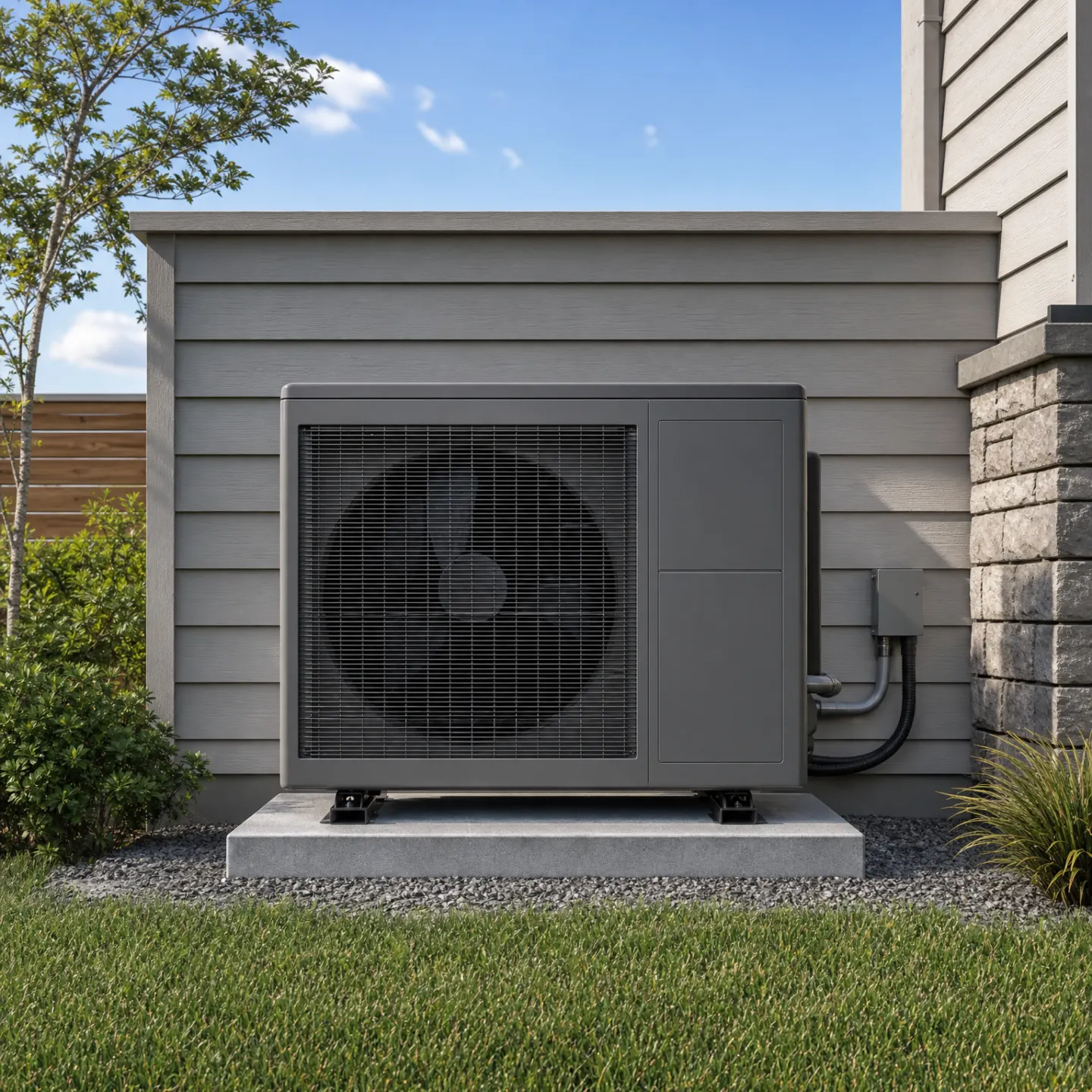
A gray heat pump outdoor unit mounted on a concrete pad next to a residential house with lap siding and stone accents.

The parts that fail are specific, not general wear

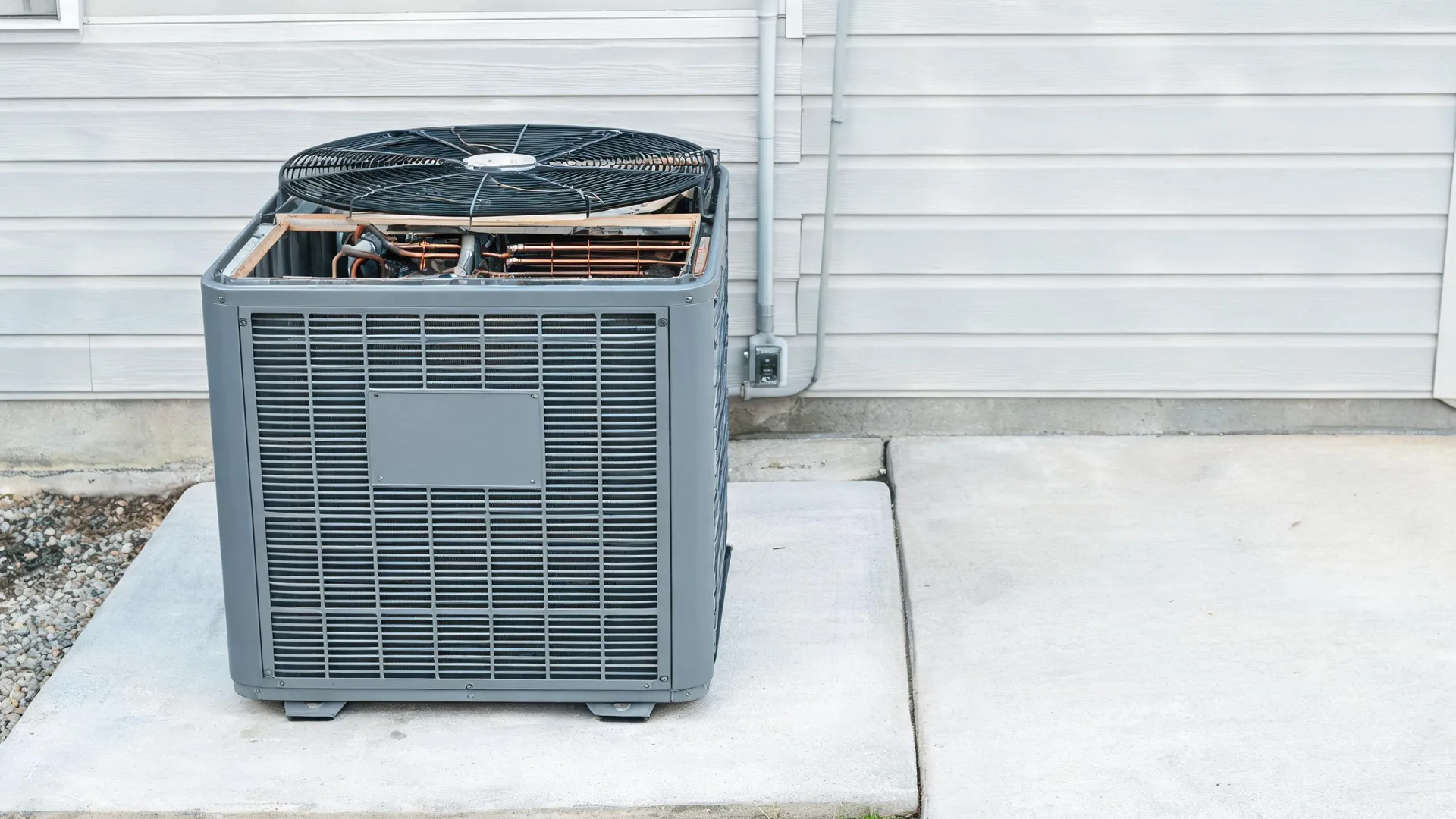
The reversing valve is the part most specific to this machine, and it's usually the first thing a tech checks when a system heats fine but won't defrost, or won't switch over at all. It fails from being worked every time the system shifts modes. The defrost cycle depends on a sensor and a control board agreeing on when the outdoor coil needs clearing, and if that sensor drifts, the coil ices over and the system can't pull heat from the air. The outdoor fan motor and the compressor are the other common points of failure, and a weak capacitor is usually what takes either of them down. None of this is about strain, it's wear on specific parts that any heat pump has, and it's why a repair call can usually find exactly one thing wrong rather than a system in general decline.

What you'll actually notice first

Warm air that isn't very warm, or the system running long stretches without the house catching up. Sometimes it's a hissing or clicking from the outdoor unit, or ice building up on the coil and staying there past a normal defrost. Short cycling shows up as the system kicking on and off every few minutes instead of running a steady stretch. Any of these is the system telling you something before it quits outright.
What's worth a call versus what isn't

A little frost that clears on its own during defrost is normal. Frost that stays, or a coil that's solid ice, means the defrost cycle isn't doing its job and that gets worse, not better, on its own. Backup heat running constantly instead of as a brief assist means the heat pump side isn't carrying its share. Catching it at the hissing or icing stage is a service call. Ignoring it usually turns into a compressor replacement.

Ice on the coil is the clearest example. A little frost is normal. Defrost clears it. But once a sensor or control board falls behind, the ice stops clearing and adds another layer every cycle. Thicker ice blocks more airflow. Less airflow means the system pulls less heat from outside air, so it runs longer to make up for it, and runs longer still. The compressor and the fan motor are working the whole time this is happening, not resting. Short cycling wears things down the same way. Every start draws more current than a steady run does, and a system cycling every few minutes is starting over and over instead of settling in. Left alone, what started as a bad sensor or a weak capacitor ends up taking the compressor with it.

A heat pump is worth fixing when the compressor is sound and the problem is one part failing around it. A reversing valve, a capacitor, a defrost sensor, a control board, these are all things a tech can replace on their own without touching the parts that are expensive to lose. The compressor is different. It's the one part that's expensive enough and central enough that its condition changes the math. If it's still good, almost anything else is a repair worth making. If it's the compressor itself that's failing, that's the point where you weigh a repair against starting over, because a new compressor can cost close to what the rest of the system is worth. Age matters less than what's actually wrong. A newer unit with a bad compressor and an older unit with a bad capacitor aren't in the same position, even though one sounds like the bigger problem.