Eight months of work
Your furnace runs from October through May here, about eight months straight. Overnight lows average 16°F through December, January and February. That is a long stretch of hard running, not just a few cold snaps.
Takes about a minute. No obligation.
Your furnace runs from October through May here, about eight months straight. Overnight lows average 16°F through December, January and February. That is a long stretch of hard running, not just a few cold snaps.
A furnace running eight months a year puts more hours on the igniter and the blower motor than one that only kicks on now and then. Worn parts tend to show themselves early here, often before the coldest week of the year finds them.
Furnaces in Boone County start running in October.
Book the maintenance check in September, before that first cold month puts the load on.



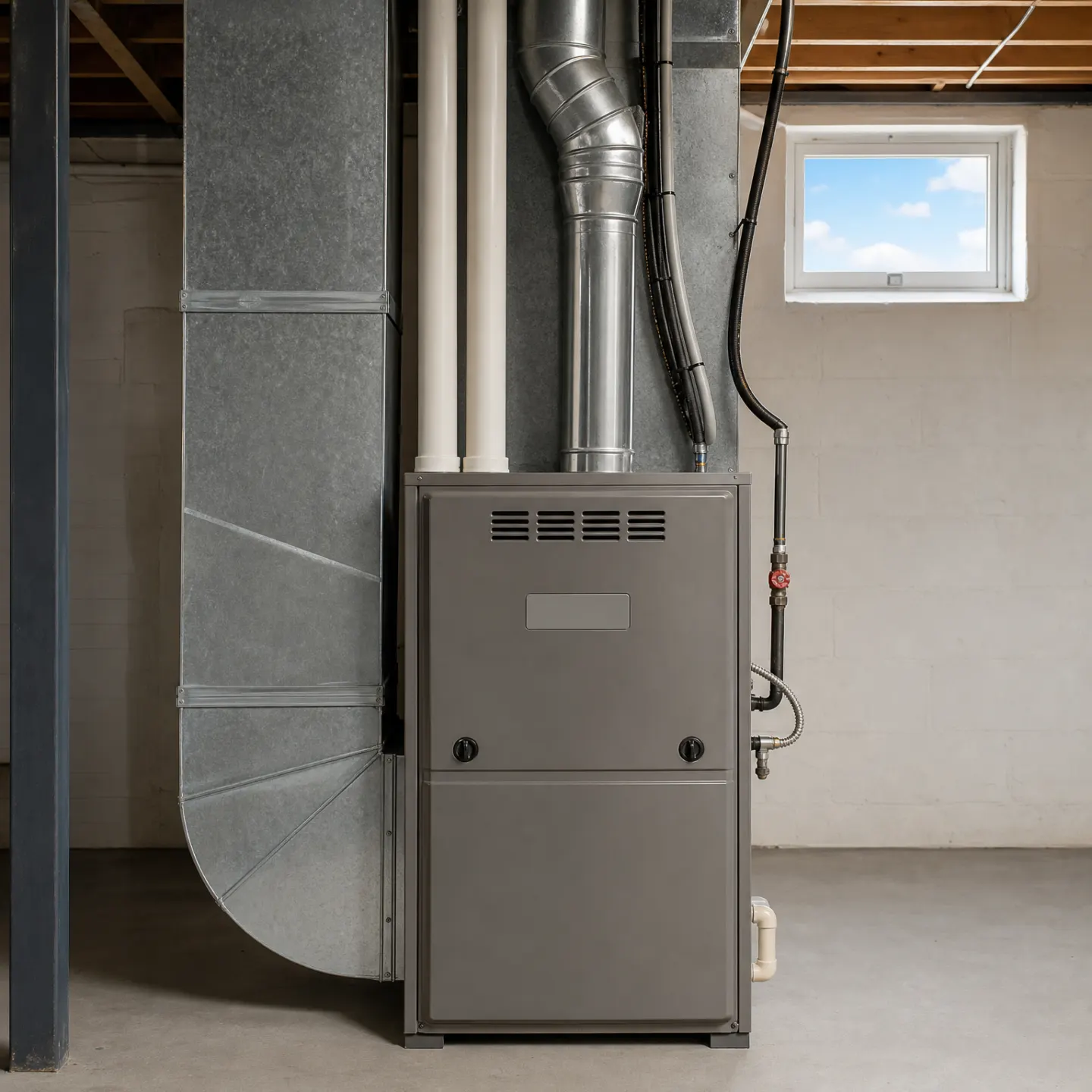
Most homes in Boone County heat with gas, 78.2 percent of them. Another 7.4 percent run on bottled or LP gas. That means the furnace most readers have is burning fuel, not just moving warm air with heating strips. A gas furnace needs the burner and the flame sensor checked, the venting looked at, and the safety controls tested, because a cracked heat exchanger or a blocked vent does not show up on a thermostat. Electric furnaces, the other 12.2 percent, skip most of that, but they are the minority here. If your furnace runs on gas, the yearly check is doing real work, not just a filter swap.
It works hard here, so worn parts show up fast once the season starts. Get it checked before then.
Find a contractor
A tune-up starts inside the burner compartment, where you can't see. The tech pulls the burners and looks at the flame pattern, because a flame that burns yellow instead of blue means it's not burning clean. The flame sensor gets cleaned, since a coated sensor is the reason a furnace starts up and then shuts itself off a few seconds later. The heat exchanger gets inspected for cracks, which matter because that's the wall between the flame and the air going into your house. None of that shows up when you just turn the thermostat up and feel warm air come out. The blower wheel gets checked too, since dust built up on the blades makes the motor work harder to push the same amount of air. A furnace can run and heat the house while all of this is already going wrong underneath it.
A furnace that never gets cleaned keeps running anyway, so nothing forces the issue. Dust builds on the blower wheel and across the burners, and the motor works harder to push the same air through. That extra strain is what turns a part that should last years into one that fails early.
A flame sensor coated with residue is usually the first thing to go. The furnace fires, runs a few seconds, then shuts off and tries again. No tune-up means nobody catches that coating before it starts short-cycling the whole system on a cold morning.
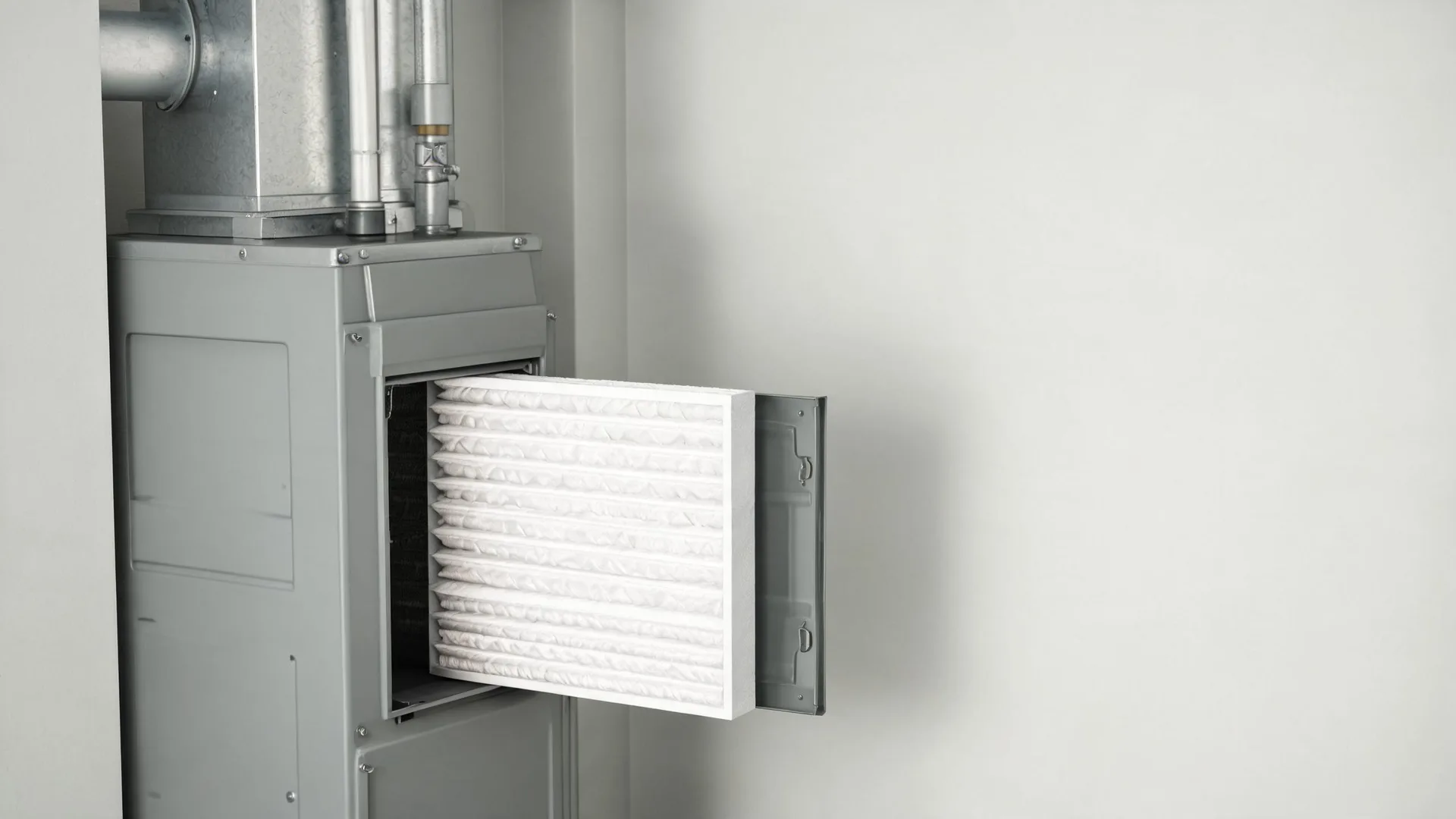
A furnace doesn't have a drain or an outdoor coil to worry about, but the filter still runs the whole show. Airflow is the thing a furnace depends on, and the filter is what controls it. A clogged filter starves the burner compartment of air, and the heat exchanger runs hotter than it should because the warm air sitting against it isn't getting pulled away fast enough. That heat has nowhere to go, so the furnace can overheat and shut itself down on a limit switch, which is the furnace protecting itself from a problem the filter caused. A high-efficiency furnace adds a condensate drain to that list, since burning gas that efficiently produces water vapor that has to go somewhere. If that drain line clogs or backs up, the furnace locks out rather than let water go where it shouldn't. None of this is about comfort first. It's about keeping the furnace from damaging itself while it tries to keep running.
A real tune-up also covers the stuff that has nothing to do with the flame. The tech checks gas pressure at the manifold, because too high or too low throws off how clean the burner fires no matter how new the parts are. The igniter gets tested under load, not just looked at, since a hot surface igniter can glow and still be too weak to light the gas reliably. Electrical connections get tightened, because a loose wire at the blower motor or the control board is a common reason a furnace works fine for a week and then quits without warning. The ductwork connections at the furnace get a look too, since a seam that's come loose pulls heated air into the attic or crawl space before it ever reaches a vent. None of this involves replacing anything. It's testing what's already there and catching the one thing that's drifted out of spec before it takes something else down with it.