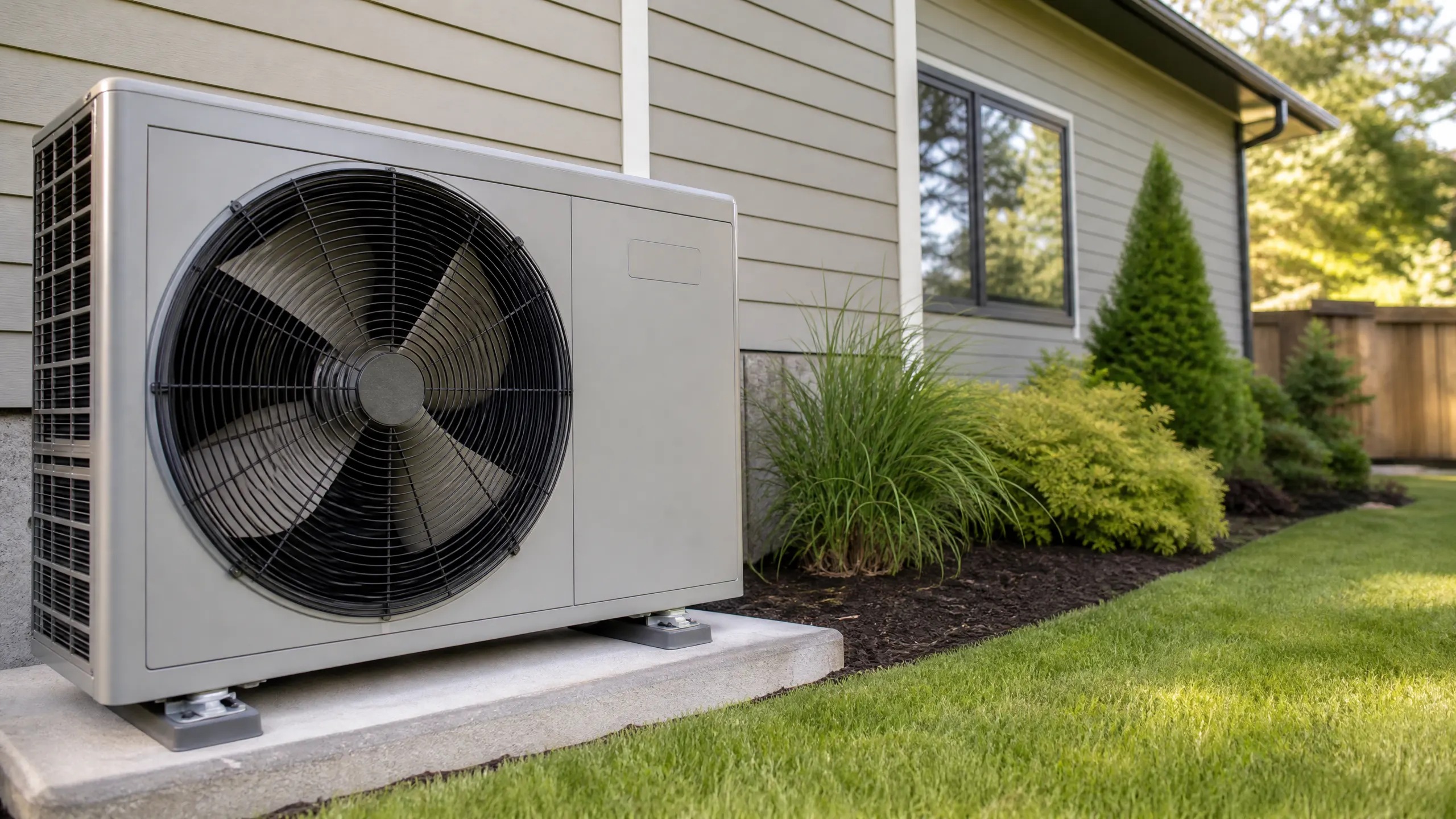




An outdoor heat pump unit mounted on a concrete pad beside a house with beige siding and a landscaped garden bed.

Heat Pump Installation in Belvidere, IL

Tell us about the job

Takes about a minute. No obligation.

Step 1 of 3: Equipment

Electricity in Illinois runs 15.87 cents per kilowatthour, and a heat pump moves heat instead of burning gas to make it, so every penny on that rate matters more here than it would with a furnace. The efficiency of the unit you install decides how far each kilowatthour goes. A high-efficiency heat pump pulls more heat out of the same power draw, so the gap between a good one and a weak one shows up on your bill every month, not just on the install invoice. Belvidere winters ask a heat pump to work for its keep, and at this rate, a system that runs efficiently earns that cost back over time.

8 months
October through May, your system heats
3 months
June through August, it cools
16°F
the average winter night it heats against
81°F
the average summer afternoon it cools against
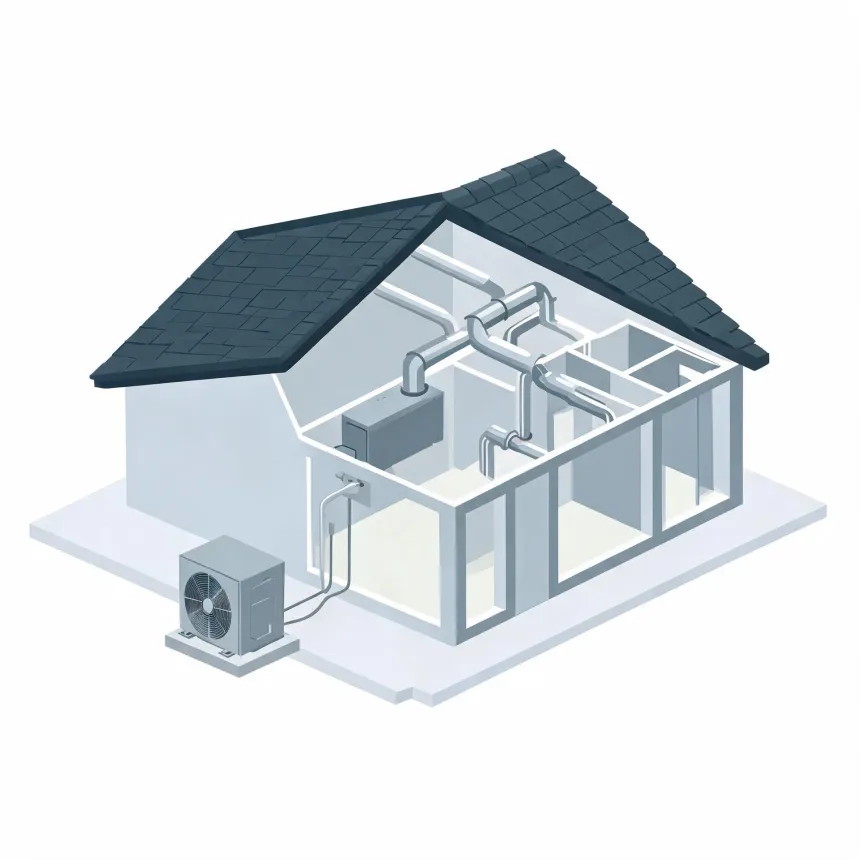
Isometric cutaway illustration of a small house showing interior ductwork and an air handler connected by lines to an outdoor condenser unit on a pad beside the building.
Your system heats October through May and cools June through August.

NOAA nClimDiv, 1991–2020 normals

Gas heats 78.2% of homes in Boone County.

A heat pump here is usually going in against a gas furnace, not replacing another heat pump, so the comparison that matters is electric versus gas.

Heat pump season starts in October here, so get it in before September

Cooling runs June through August
Heat runs October through May
15 hail events from 2015 to 2024
Belvidere winters are cold, not extremeOvernight lows average 16°F here in December, January and February

If the old system is a gas furnace, the contractor will disconnect the gas line and cap it, since the heat pump has no use for it. The furnace, coil and any ductwork tied directly to them get pulled if they're being replaced rather than paired with the new unit. A heat pump doesn't need a flue, so if the furnace vented through one, that gets capped too. Removal is usually part of the installation itself rather than a separate job, since the new air handler or coil often sits where the old one did. Ask what happens to the old equipment afterward. Most contractors haul it away and recycle the metal and refrigerant rather than leaving it for the homeowner to deal with.

Pick the heat pump that earns back what it costs

At 15.87 cents a kilowatthour, the unit you pick keeps costing you or keeps paying you back, for as long as it runs. Get a quote on a heat pump sized and rated right for this house, and have someone qualified walk you through which model earns its cost back fastest.

Find a contractor
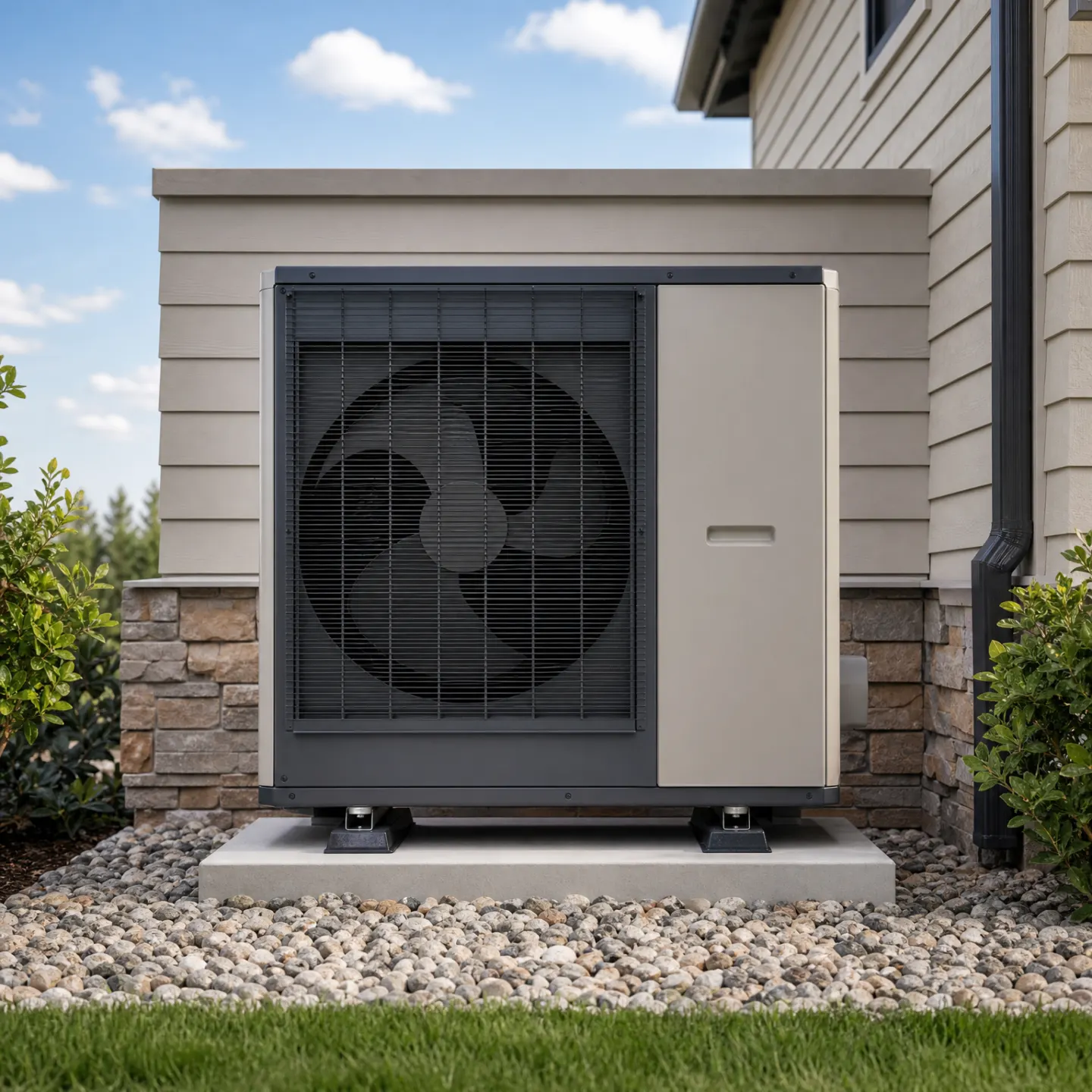
A gray heat pump outdoor unit mounted on a concrete pad next to the stone-accented exterior wall of a house.

The label tells you the best case, not your case

That efficiency rating is tested at one set of conditions, and your house rarely sits still at those conditions. As the air outside gets colder, the heat pump has to work harder to pull the same warmth out of it, and the efficiency you actually get drifts below the number on the label. None of that wears the unit out faster. A heat pump built for steady, moderate cycling will run that way for years, not months, as long as it isn't leaning on backup heat more than it should. The rating tells you what the machine can do in ideal conditions. What the installer sizes and sets up tells you what it actually does in yours.

Ask what happens below freezing

Every heat pump loses capacity as the outdoor temperature drops, and below a certain point it needs backup heat to keep up. Ask what that backup is, electric resistance strips or something else, and at what outdoor temperature it kicks in. That crossover point tells you more about how the system will actually perform than the rating on the box.
Ask for the manual J, not a guess

Sizing a heat pump off the square footage of the house or by matching the old furnace's tonnage leads to a unit that's wrong in one direction or the other. A contractor doing it right runs a load calculation on the house itself, the windows, the insulation, the layout, and sizes the equipment to that. If nobody mentions a load calculation, ask for one before you sign anything.

A heat pump that's too big cools the air fast and shuts off before it pulls the moisture out, so the house feels clammy even at the temperature you want. One that's too small runs constantly and still can't keep up when it's coldest out, leaning on backup heat more than it should. Either mistake also means more cycling, and every start and stop puts wear on the compressor that steady runs don't. The load calculation accounts for the windows, the insulation, the duct layout and the direction the house faces, not just the floor area. Houses that look alike from the outside can still need different sized units once those factors are weighed. That's the only way to land on a system that runs long and steady instead of fighting its own size every day.

The unit itself is only part of what you're paying for. Ductwork is usually the bigger variable. If the existing ducts are the right size and sealed well, the contractor connects to them and moves on. If they're leaky, undersized, or were built for a furnace that pushed air differently than a heat pump does, they need rework before the new system can perform the way it's rated to. Electrical work can add to it too. A heat pump draws power the old gas furnace never needed, so the panel and circuit have to be able to handle it, and some homes need an upgrade there before installation can even start. Where the indoor and outdoor units go matters as well. A straightforward swap costs less than a job where the line set has to run further or the old equipment sits somewhere the new unit can't just drop into. None of this shows up on the sticker price of the heat pump itself, but it's where installations end up costing more or less than the quote you expected.