

What the cold here does to a heat pump
Winter decides this choice more than anything else in Stephenson County. The overnight low averages 15°F across December, January and February. About 145 nights a year drop to freezing or below, and 16 of those reach 0°F or colder.
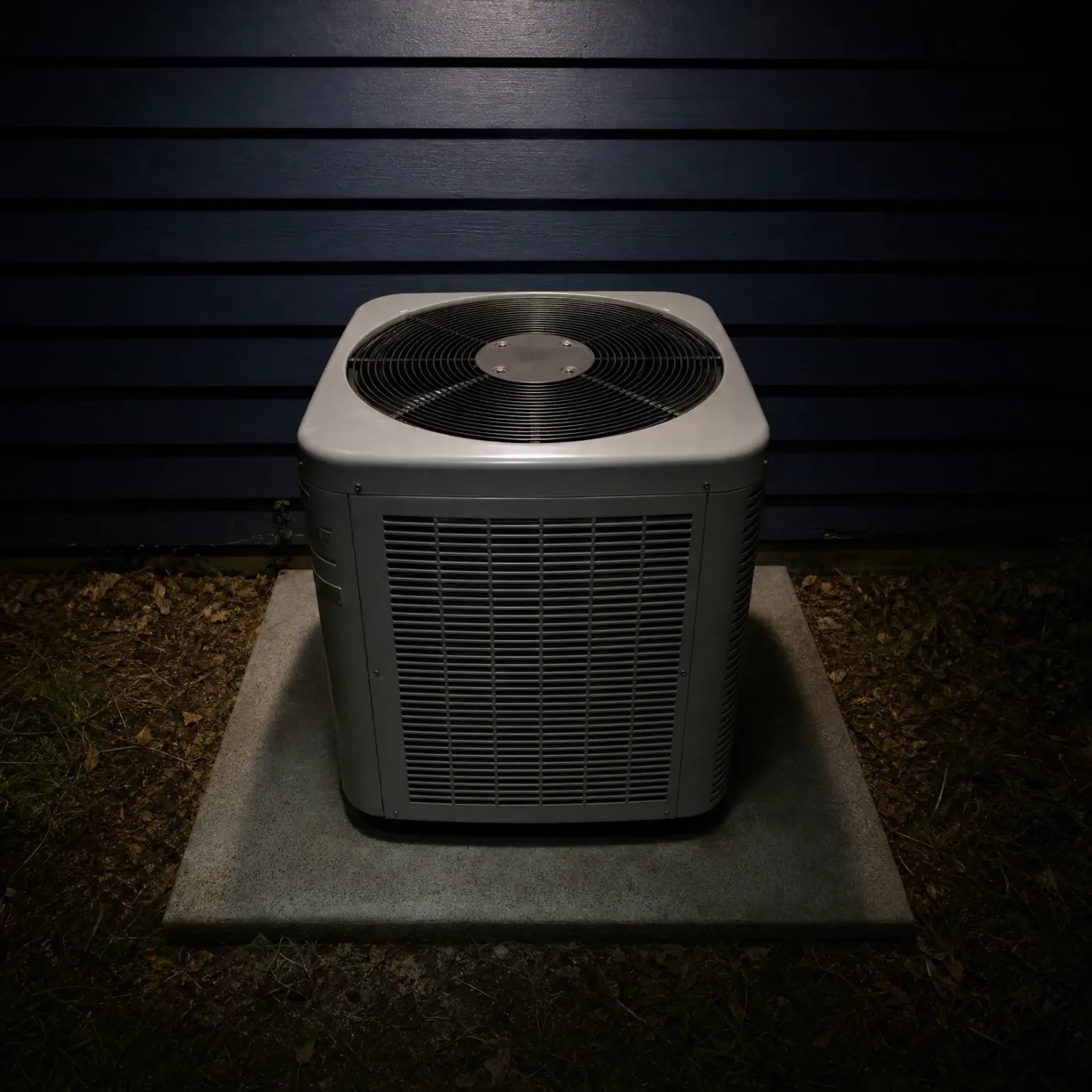
A standard heat pump starts falling behind well before it gets that cold. Below 40°F it puts out less heat than its rating says. Below about 35°F it often needs backup heat to keep the house warm. Here, the average winter low of 15°F is below both marks, and every one of those 145 freezing nights is too. That's not a machine straining on a few of the worst nights of the year. It's working under its rating most of the winter.
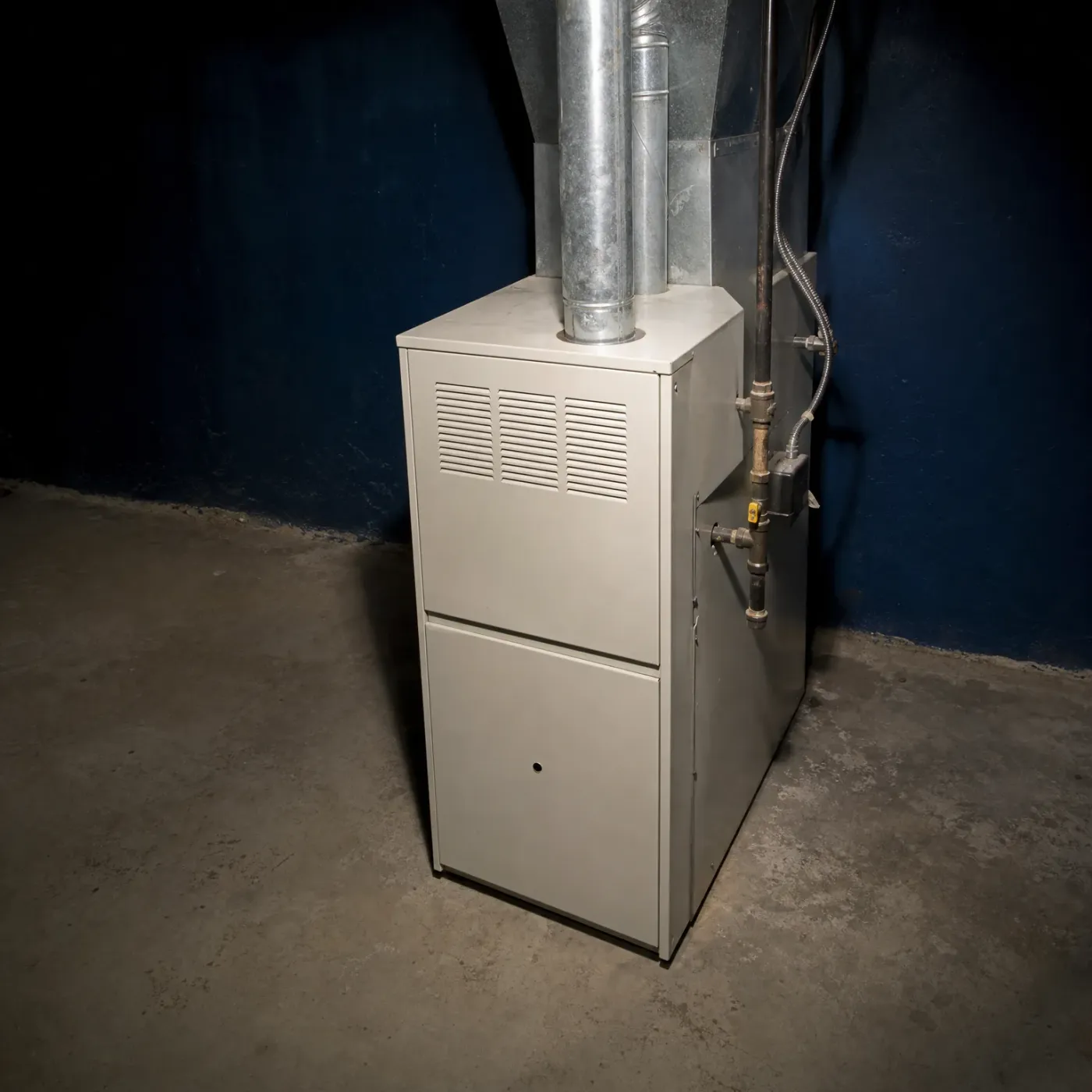
A furnace doesn't have that problem. It's built to put out the same heat whether it's 30°F outside or 0°F.
Cold climate heat pumps are built for this kind of winter specifically. To carry the ENERGY STAR Cold Climate mark, a heat pump has to make at least 1.75 units of heat per unit of electricity at 5°F and hold on to at least 70 percent of its 47°F heating capacity at that temperature, checked by outside testing. In a two-winter field test of prototype cold-climate units in occupied homes, backup heat covered only a small share of the load between 0°F and 35°F, and running on backup alone was rare even above 0°F. That's a different machine than the standard one the running costs above are based on, and it's worth asking for by name if a heat pump is still under consideration here.