

Can a heat pump keep up here
Winter here is long and it gets properly cold. Heat runs about eight months a year, October through May, and the overnight low averages 18°F across December, January and February. About 135 nights a year dip to freezing or below, and about 11 of those get down to 0°F or colder.
A standard heat pump starts losing ground before it gets anywhere near that cold. Below 40°F its heat output falls short of its rated capacity. Below about 35°F it typically needs backup heat to make up the difference. The average winter low here is under both marks, and every single one of those 135 freezing nights is too.
That doesn't mean a heat pump leaves you cold. It means it isn't carrying the house alone on those nights, something else is helping. Field testing on cold-climate heat pumps backs this up: in occupied homes over two winters, backup heat covered only a small share of the load between 0°F and 35°F, and the system running on backup alone was rare even above 0°F. So the backup is a helper, not the main event, if the equipment is sized and chosen right.
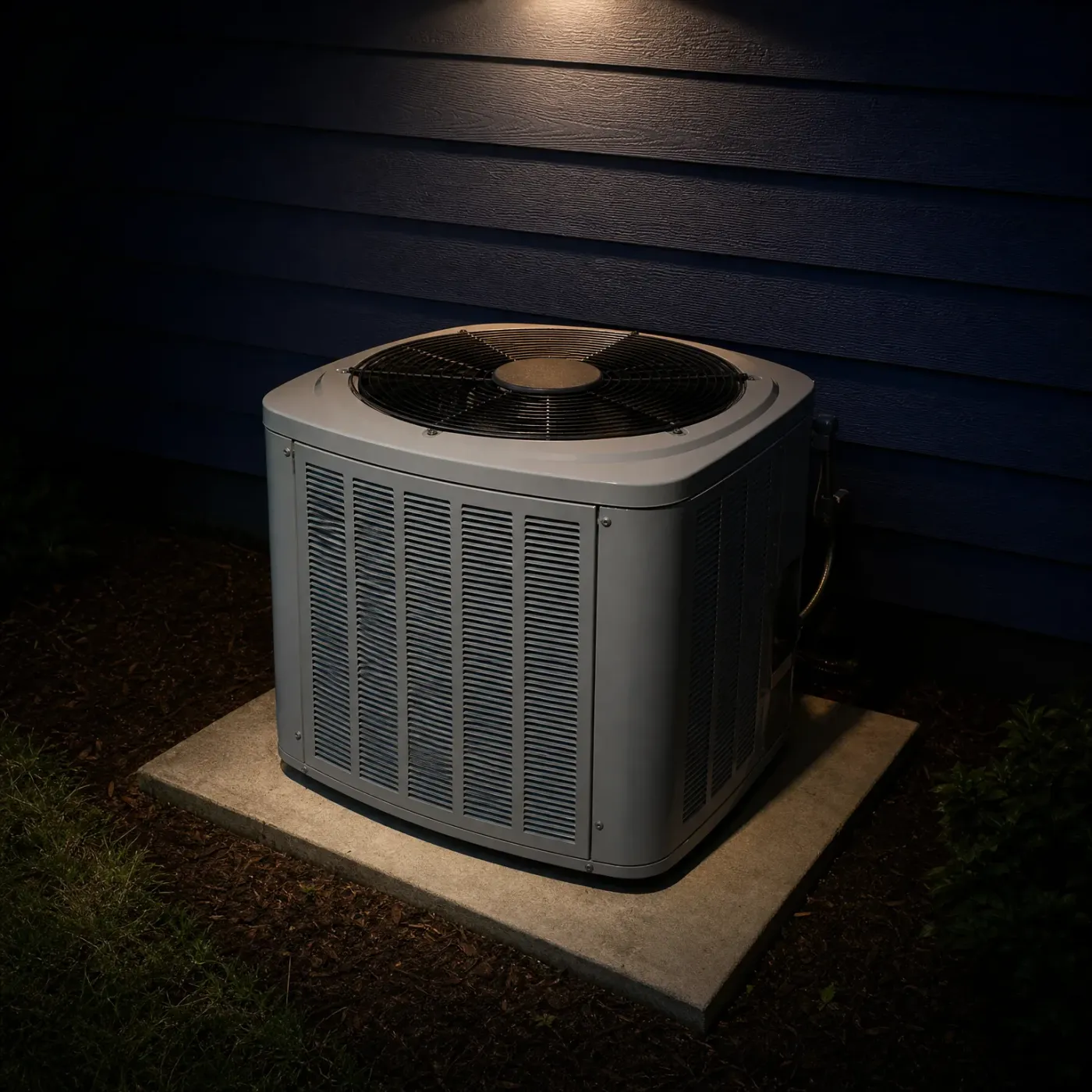
If a heat pump is the plan, the one to look for carries the ENERGY STAR Cold Climate mark. To earn it, a heat pump has to produce at least 1.75 units of heat per unit of electricity at 5°F and hold onto at least 70 percent of its 47°F capacity at that temperature, checked by outside testing. That's the version built for a winter like this one, not the federal minimum.