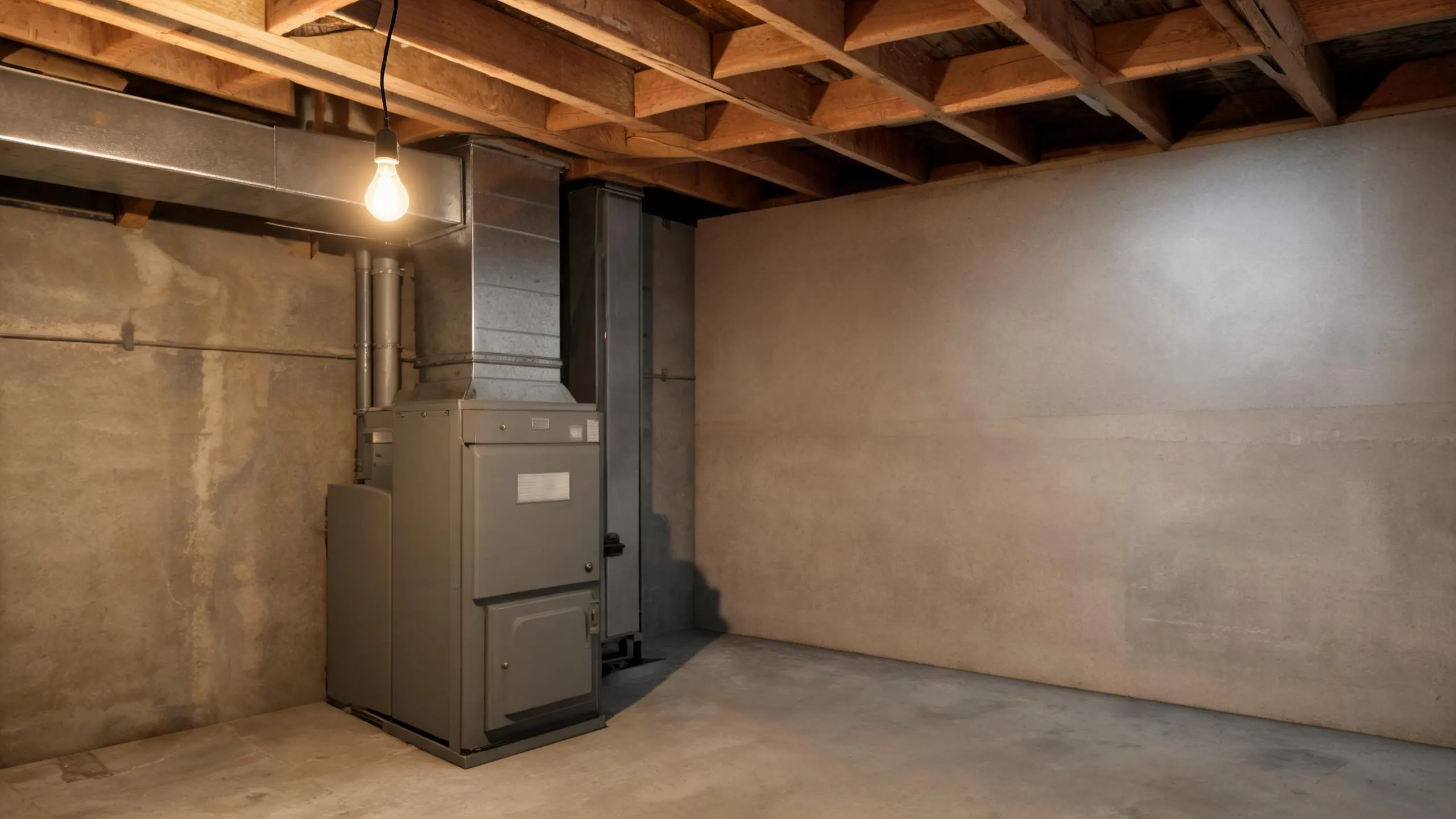


A gray forced-air furnace with sheet-metal ductwork stands in an unfinished basement with exposed wooden joists, concrete walls, and a hanging incandescent bulb.

Furnace Installation in Galesburg, IL

Tell us about the job

Takes about a minute. No obligation.

Step 1 of 3: Equipment

Eight months of the year, a furnace here is running. October through May, it's the thing standing between the house and the cold outside. That's most of the calendar, not just the deep winter stretch most people picture. A furnace built for a milder climate gets a break most of the year. One here doesn't get that break. The burners, the blower, the ignition system all see more hours of work, year after year, than the same unit would see almost anywhere else in the country.

8 months
October through May, your furnace is on duty
18°F
the average winter night it heats against
67%
of homes here heat with gas, so most furnaces here burn gas
80% AFUE
the federal minimum any new unit must meet
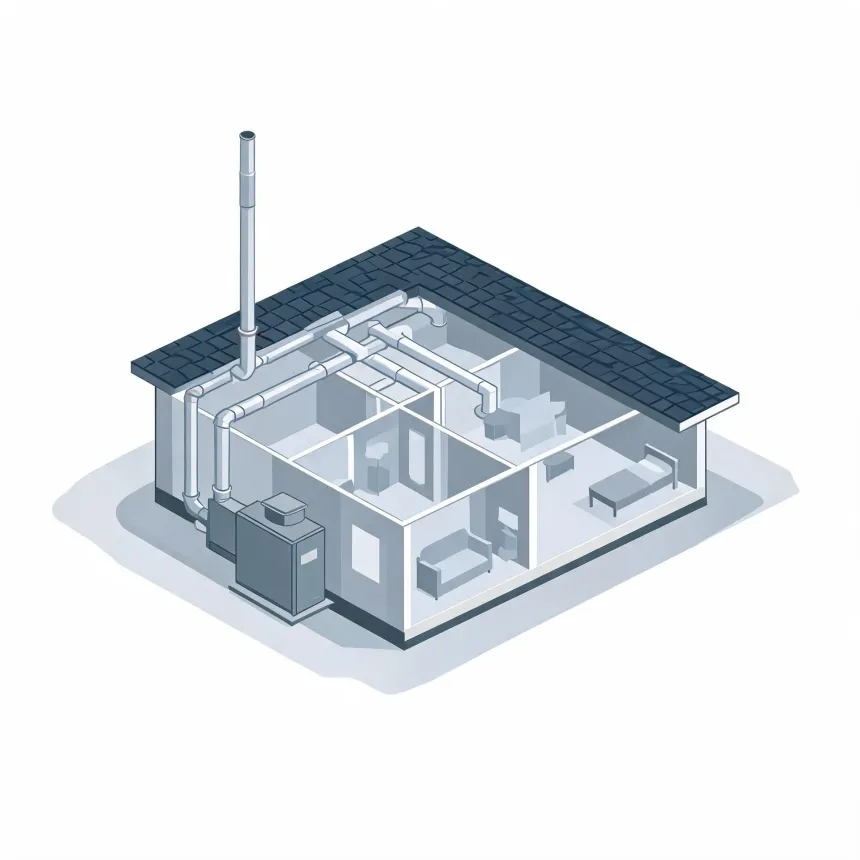
Isometric cutaway illustration of a single-story house with a dark shingled roof, showing interior rooms with furniture, a ducted air distribution system, a tall vertical flue pipe, and a gray furnace unit outside the wall.
Your furnace works hardest from November through March.

NOAA nClimDiv, 1991–2020 normals

Half the homes in Knox County were built in 1957 or earlier.

A furnace going into one of those houses needs sizing that matches the house, not the box the old unit came in.

Eight months of heat means the timing of this job matters

Heat runs October through May
Climate zone 5A
Winter nights average 18°F

Gas heats 67.4% of homes in Knox County. That's two out of three houses, and it's why gas furnaces are the thing contractors here install, service, and carry parts for. A handful of homes run on electric heat, and a smaller share run on propane, but gas is what the supply chain here is built around. Replacing a gas furnace with another gas furnace means the gas line, the vent, and the fuel setup are already in place. That keeps the job simpler and keeps the house running on the fuel it was already built to use.

Size it for the house you have

A new furnace gets sized to the house, not to the box the old one came in. That sizing takes a look at the house you actually have. Getting it right from the start is the sensible plan.

Find a contractor
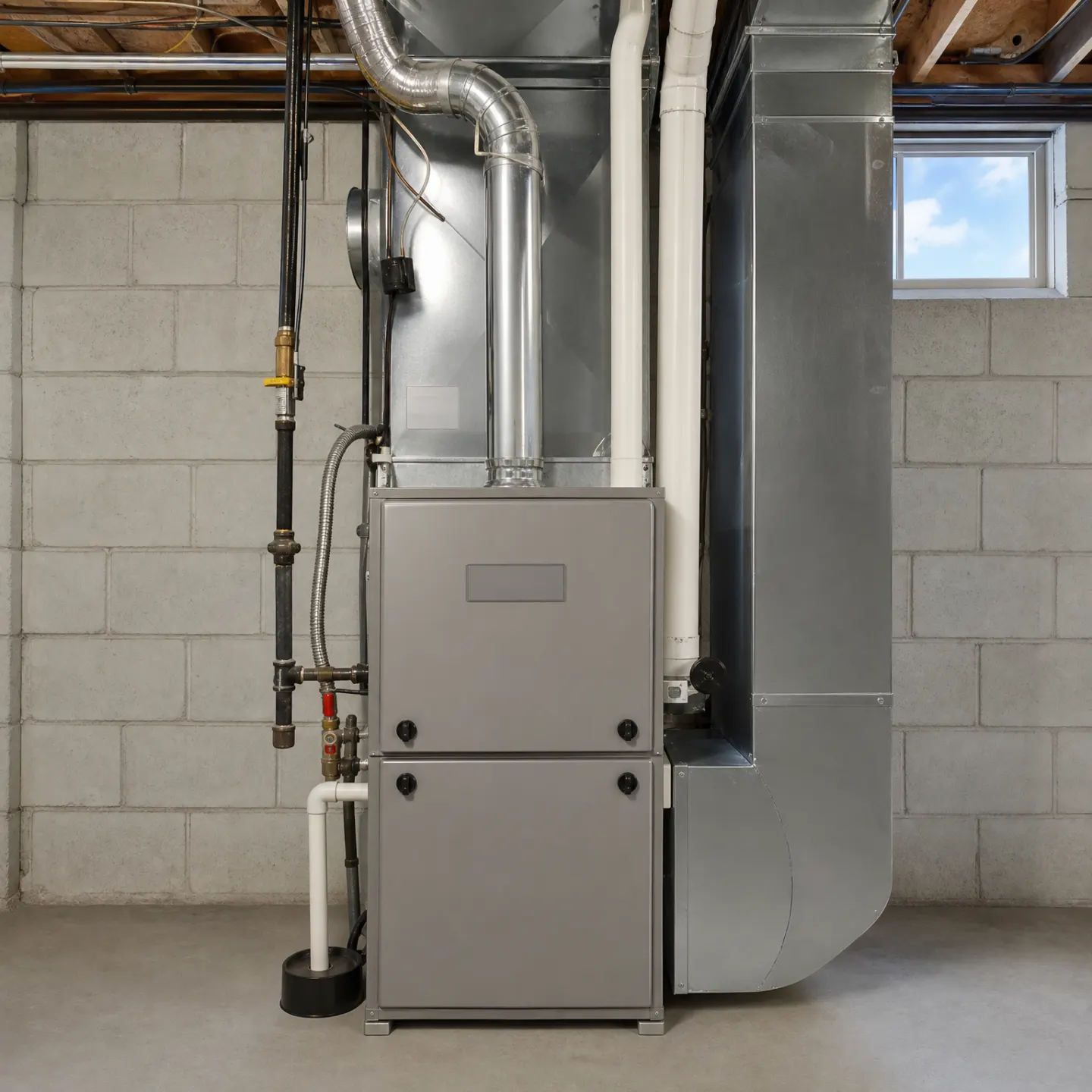
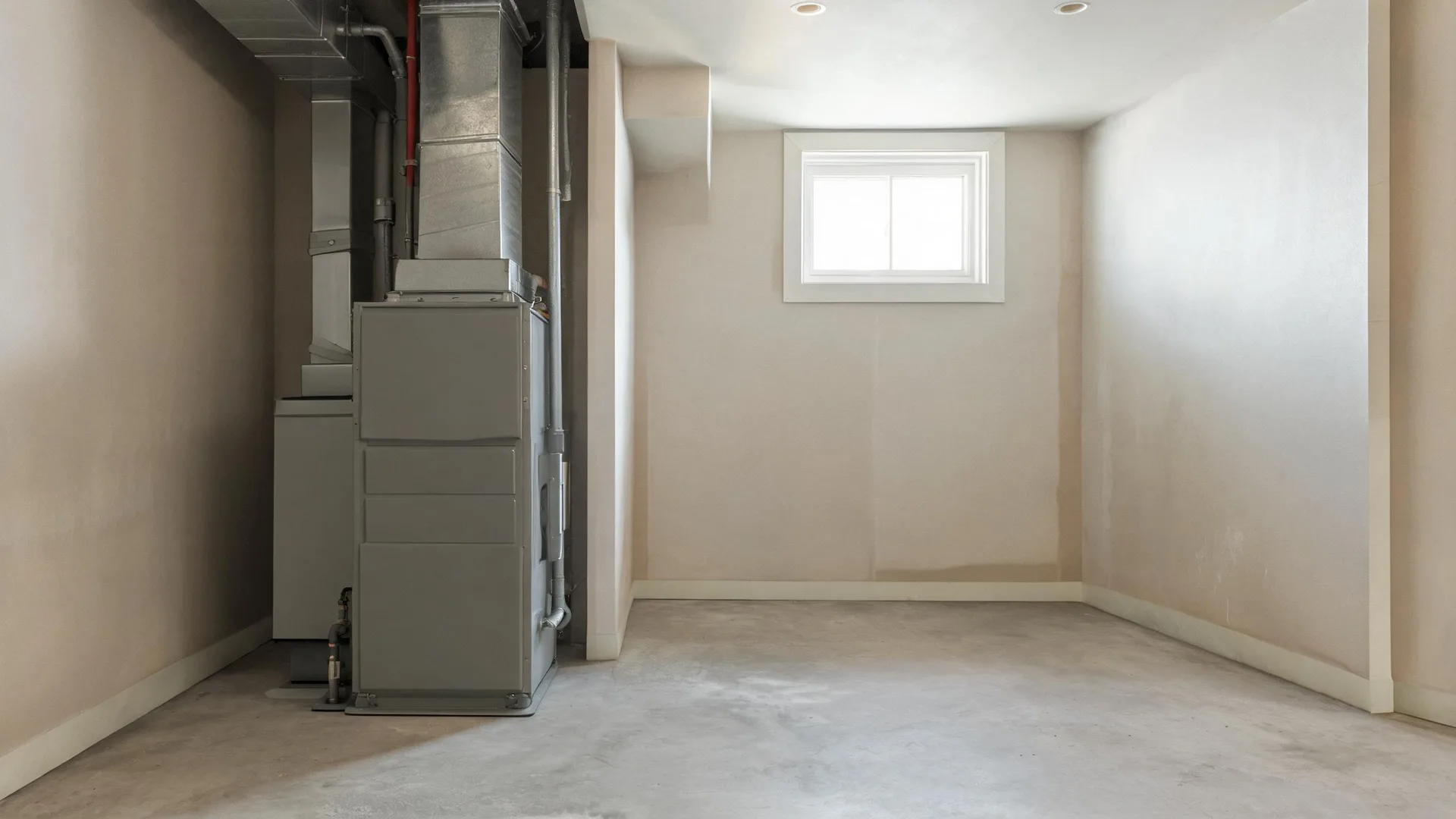
A gray high-efficiency gas furnace installed in an unfinished basement, surrounded by gas lines, a condensate drain, and sheet-metal ductwork.

Built to run eight months a year

Eight months of work a year adds up fast. Pick a furnace for what it has to do here, not for the lowest price on the quote. A unit sized and built for this kind of run time holds up better than one that's just cheap to install.

Ask what the AFUE rating actually means here

A higher efficiency rating costs more up front but burns less gas to make the same heat. Ask what the rating is and ask how it's achieved, because a condensing furnace vents differently than an older style and needs a drain line for condensate. Know that before you compare prices, not after.

Ask who did the load calculation

A furnace sized by square footage alone is a guess. A proper load calculation looks at insulation, windows, ductwork and layout to find the right output for the house. If a contractor quotes a size without asking about any of that, the number came from somewhere other than your house.

An unfinished basement featuring concrete block walls, exposed floor joists, and a metal forced-air furnace with ductwork near a central pillar.

A high-efficiency gas furnace would save about $120 a year to run in Knox County compared with a gas furnace.

  • A high-efficiency gas furnace$580 a year
  • A gas furnace$700 a year

Estimates for a typical Knox County home, from EIA household energy data, Illinois fuel prices and NOAA climate normals. Your home will differ.

Installation day starts before anyone touches the old furnace. A contractor shuts off the gas, pulls the old unit, and checks the ductwork and vent while the space is open, because that's the only time to catch a return that's too small or a flue that needs work too. Setting the new furnace means leveling it, connecting the gas line, wiring the control board, and tying into the existing ducts or modifying them if the new unit's dimensions don't match the old one. The vent pipe gets connected next, and on a condensing furnace that means running a drain line for condensate, something an older furnace never needed. Once it's hooked up, the contractor fires it up, checks the gas pressure, confirms the temperature rise is in range, and watches the burners cycle before calling it done. A furnace that starts clean and holds a steady flame on that first run is a good sign the install was done right.