


What the cold here does to a heat pump
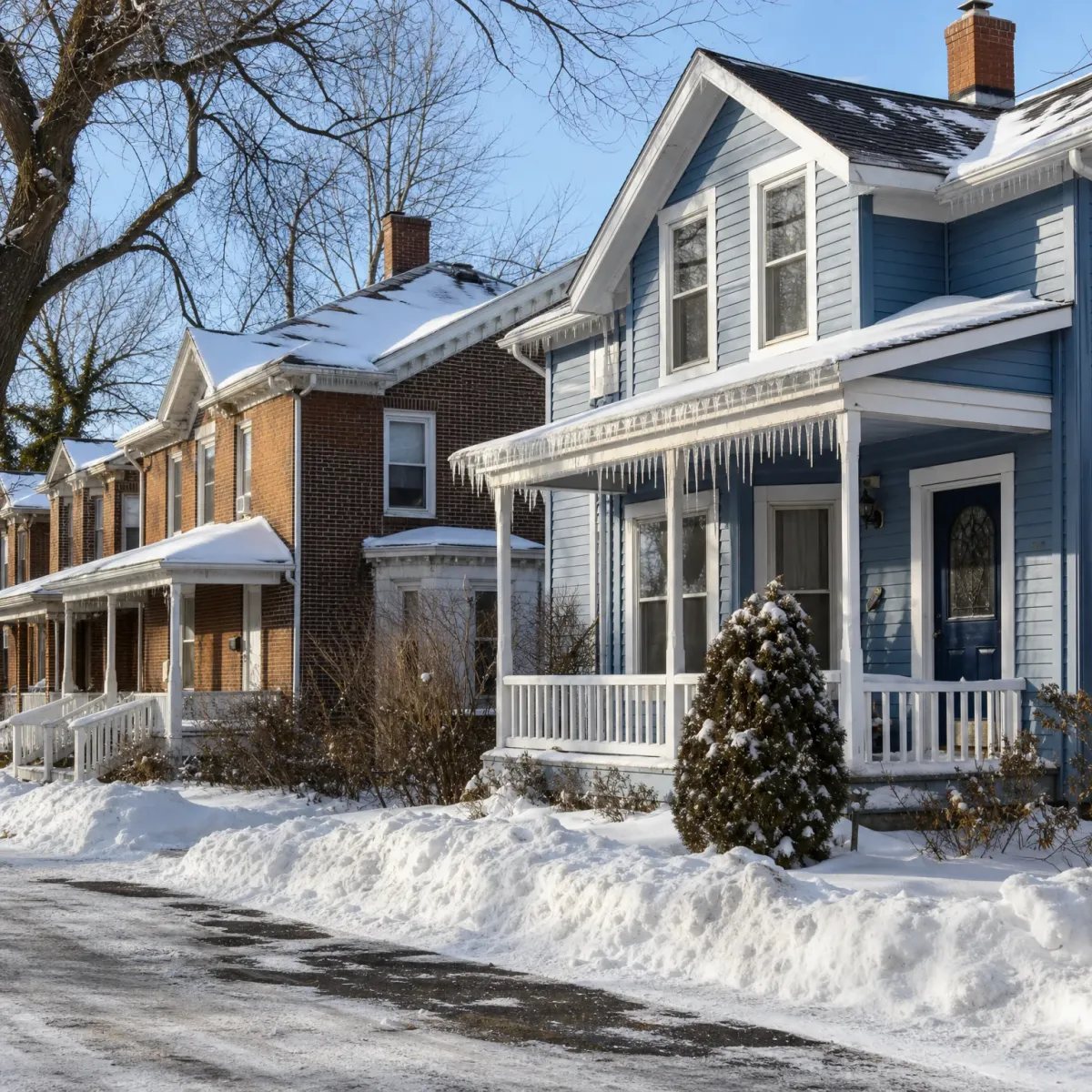
Winter here is long and it gets genuinely cold. Heat runs eight months a year, October through May, and the overnight low averages 18°F across December, January and February. That's not a mild climate with a few rough nights. About 135 nights a year, over half the nights in the heating season, fall at or below freezing.
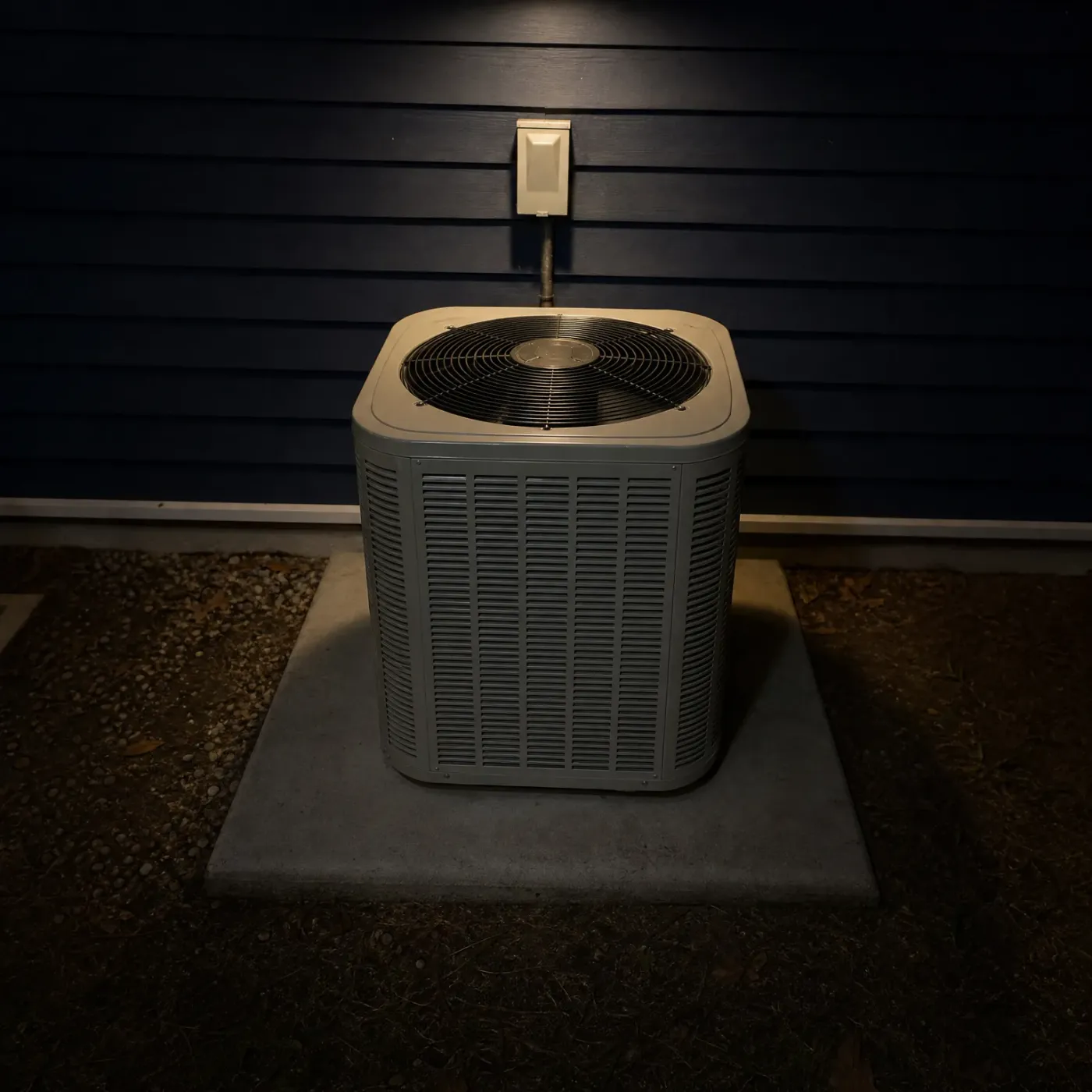
A standard heat pump starts losing ground before it even gets that cold. Below 40°F its heat output comes in under its rating. Below about 35°F it often needs backup heat to make up the difference. Henry County's average winter low of 18°F is below both marks, and every one of those 135 freezing nights is too. This is not a county where a heat pump deals with cold a few nights a year. It is dealing with it most of the winter.
The 12 nights a year that hit 0°F or below are a smaller problem than they sound. A field test of cold-climate heat pumps running through two winters in occupied homes found backup heat carried only a small share of the load even between 0°F and 35°F, and running on backup alone was rare above 0°F. So the deep cold snaps are not where a heat pump struggles most. It's the long stretch of ordinary freezing nights, the 135 of them, where a standard model is working below its rating night after night.
If a heat pump is on the table here, it should carry the ENERGY STAR Cold Climate mark. That designation requires at least 1.75 units of heat per unit of electricity at 5°F and at least 70 percent of the unit's 47°F capacity still available at that temperature, checked by independent testing. A standard heat pump built to the federal minimum was not tested to do that, and Henry County asks for exactly that, night after night, for a third of the year.