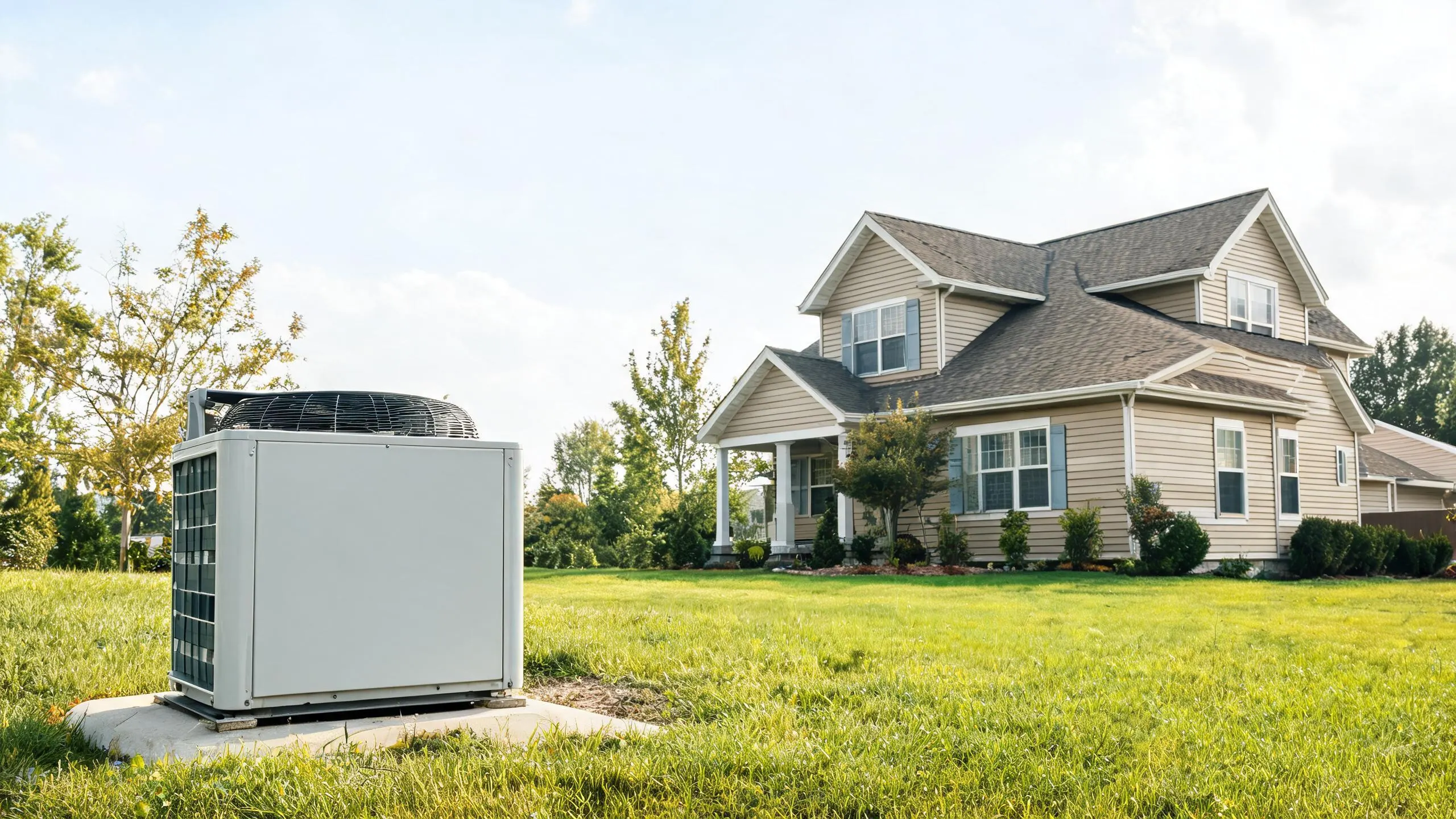




An outdoor HVAC condenser unit on a concrete pad in front of a two-story suburban house.

Heat Pump Repair in Kewanee, IL

Tell us about the job

Takes about a minute. No obligation.

Step 1 of 3: Equipment

Winter in Kewanee is the real test for a heat pump, with overnight lows averaging 18°F across December, January and February. That's cold enough that the system leans hard on its backup heat strip on the worst nights, and cold enough that a unit low on refrigerant or stuck in defrost will struggle to keep up. None of that is unusual for zone 5A. It just means a repair here needs to get the diagnosis right the first time, since a heat pump that's barely limping through a mild fall can fail outright once temperatures drop for good. The fix is usually straightforward once a contractor finds the actual cause, whether that's a failed reversing valve, a low charge, or a defrost control board that isn't switching when it should.

8 months
October through May, your system heats
3 months
June through August, it cools
18°F
the average winter night it heats against
83°F
the average summer afternoon it cools against
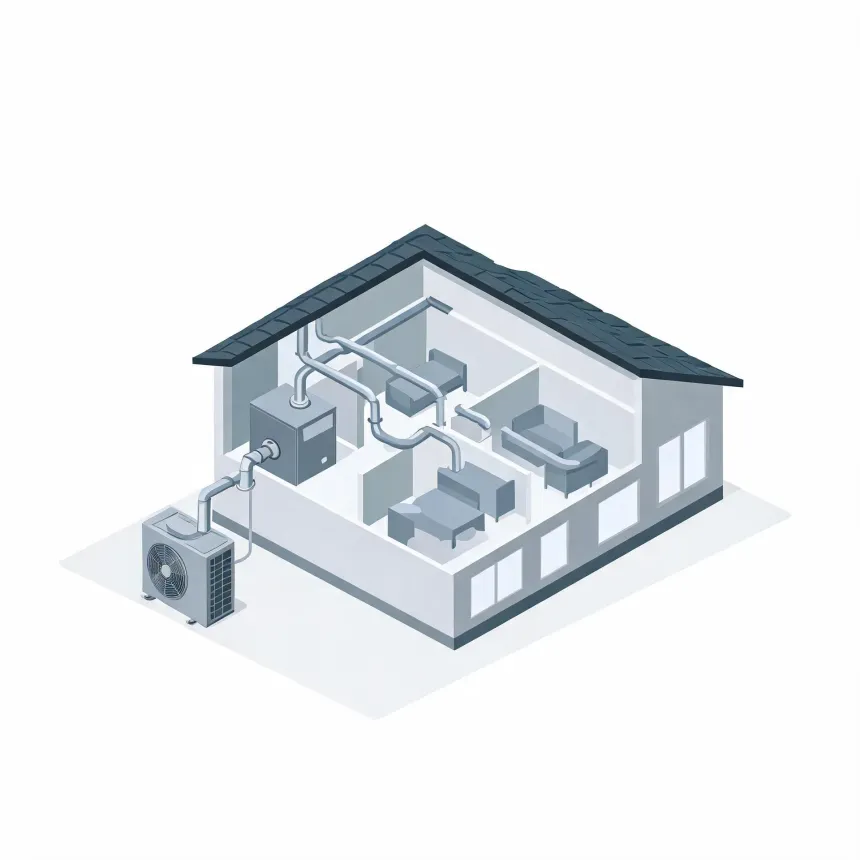
Isometric cutaway illustration of a single-story house showing an indoor air handler, branching ductwork through rooms with furniture, and an outdoor condenser unit connected by a line outside the wall.
Your system heats October through May and cools June through August.

NOAA nClimDiv, 1991–2020 normals

Heat here starts up in October, after it sits idle most of September.

A heat pump with a weak part often makes it through fall fine, then fails in the first cold snap that asks more of it.

Half the homes in Kewanee were built by 1961, old enough that the heat pump probably isn't the original

Half the homes here were built by 1961
103 damaging wind events from 2015 to 2024
80 hail events from 2015 to 2024
Running it sick costs more hereIllinois electricity ran 15.87 cents per kilowatt-hour in 2024, and a struggling heat pump burns through it.

A heat pump that's struggling doesn't fail all at once. A compressor working against a low charge runs longer to make the same heat, and that extra strain is what wears it out early. A reversing valve that's starting to stick will keep working for a while. Then one morning, usually the coldest one of the year, it won't switch at all. Ice on the outdoor coil follows the same pattern. If the defrost cycle isn't kicking in right, a little frost builds into a solid block that cuts off airflow, and the system can't pull heat from the air anymore. Letting it run through small problems doesn't give the part a chance to rest. It just adds hours to a component that's already working harder than it should.

Get the real cause found before it costs you another month

A heat pump drawing more power every month to do the same job is a repair bill either way. Calling a contractor now gets you a diagnosis before the next cold snap decides it for you.

Find a contractor
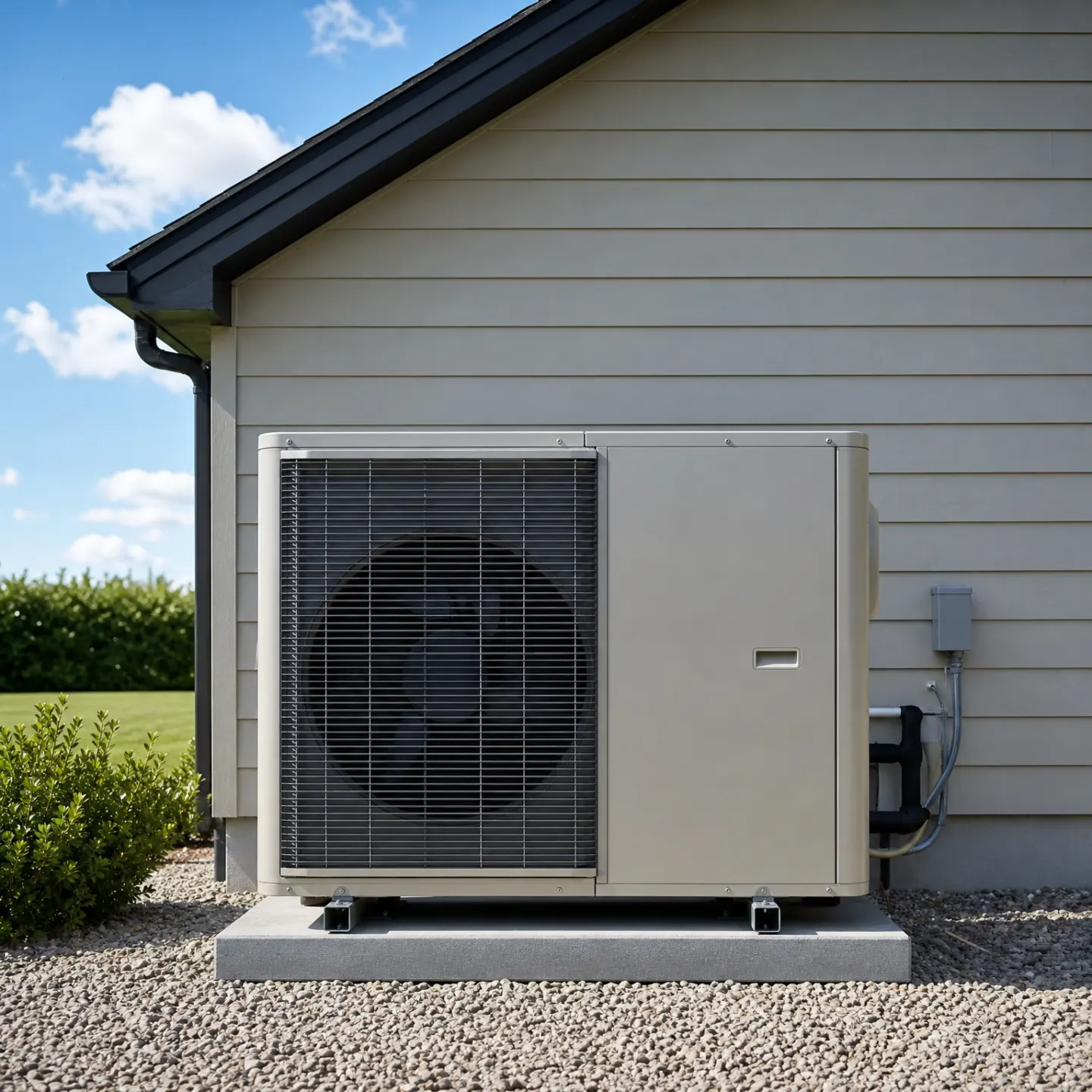
A residential heat pump outdoor unit mounted on a concrete pad next to a house with gray vinyl siding.

How much time is actually left on this one

If the heat pump came with the house, it's probably on borrowed time already. That doesn't mean replace it the moment it acts up. Ask the contractor straight out how much life is left in it before you pay for a repair, especially a bigger one like a reversing valve or a compressor. A fair answer tells you whether you're fixing a system that owes you a few more winters or one that's done.

What you can check yourself

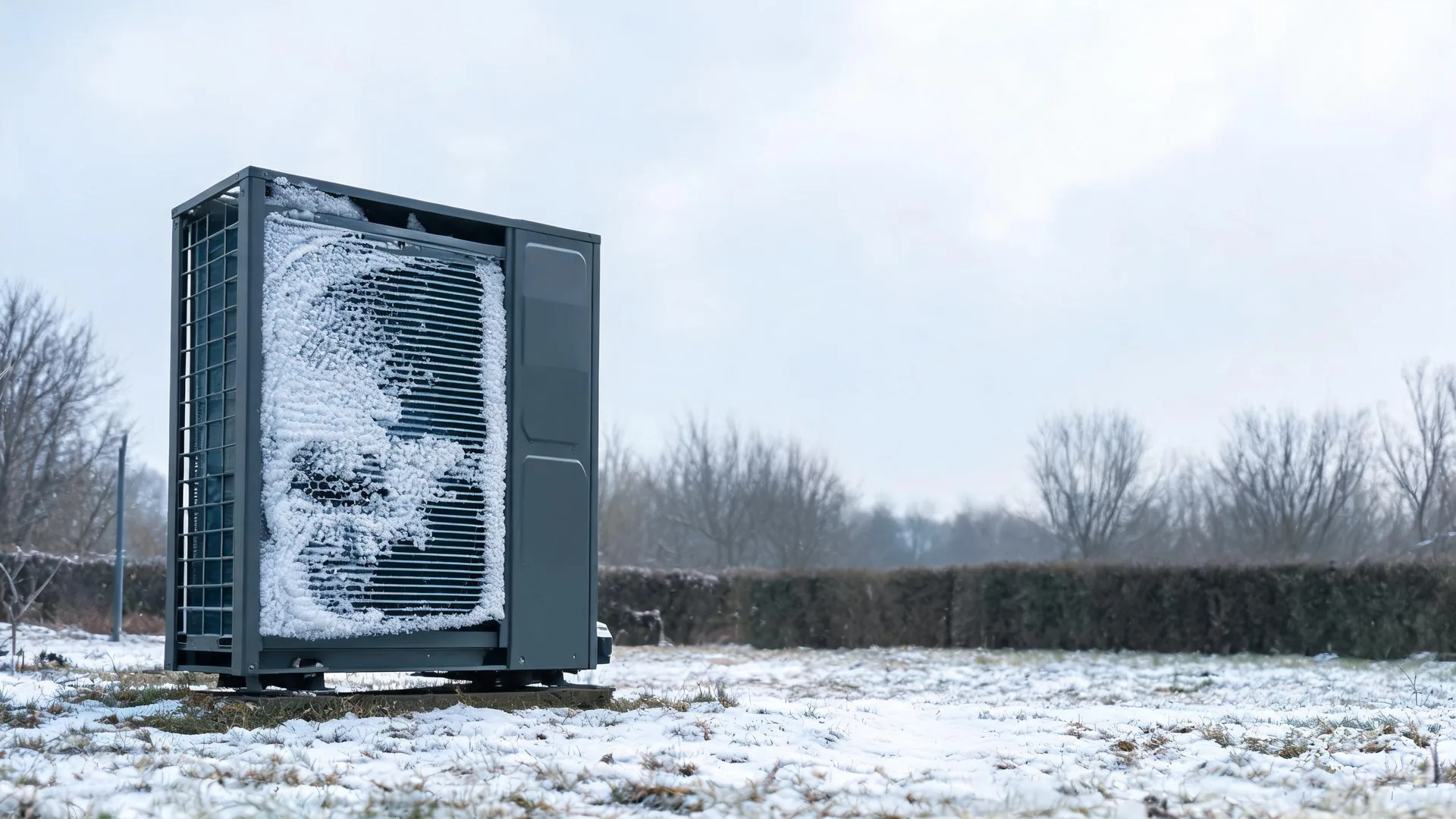
Look at the outdoor unit. If it's buried in ice or snow, clear it away so air can move through the coil. Check the thermostat is set to heat and the temperature is actually asking for more than the room has. Walk around the house and make sure no supply vents are closed or blocked by furniture. Check the breaker for the outdoor unit and the indoor air handler haven't tripped. If there's a filter you change yourself, pull it out and look at it. A filter packed with dust chokes the airflow the whole system depends on.
What tells you it's past a homeowner fix

If the outdoor unit never quite stops running, or it's blowing air that doesn't feel like heat, that's a job for a gauge set and a contractor, not a filter change. Ice that comes back within a day of clearing it means the defrost cycle isn't doing its job. A clicking or buzzing sound when the system tries to switch between heating and cooling points to the reversing valve. None of that gets better from waiting, and none of it is safe to open up and chase yourself.

Most heat pump failures trace back to a handful of parts, and they tend to fail the same ways every time. The reversing valve sticks when the coil that pulls it back and forth burns out or the valve body corrodes from years of condensation. The run capacitor that helps start the compressor and fan motors weakens slowly, so the system struggles to start before it quits starting at all. Low refrigerant almost always means a leak somewhere in the lines or coil, and it never fixes itself. The defrost control board can fail outright, or the sensor that tells it when to defrost can read wrong, so the system either defrosts when it doesn't need to or never defrosts at all. Dirty coils and worn contactors cause their share of trouble too, since anything that makes the compressor work harder shortens its life.

A single repair is usually worth doing on its own merits. A reversing valve or defrost board that fails once, in a system that otherwise starts fast and holds its charge, is a normal fix. It gets harder to call when the same unit has needed something different each season. That pattern means the parts around the failed one are probably close behind it, even if they're still working today. A compressor that sounds strained even when it's running right is worth mentioning to the contractor, since that's wear a single repair won't undo. Ask what else they see while they're in there, not just what's broken today. That answer, together with how much life they think is left in it, is what tells you whether this repair is the last one or the first of several.