

Heat pump vs furnace in Grundy County, Illinois

Request a Quote

Installers who work on both

Which costs less to run in Grundy County?

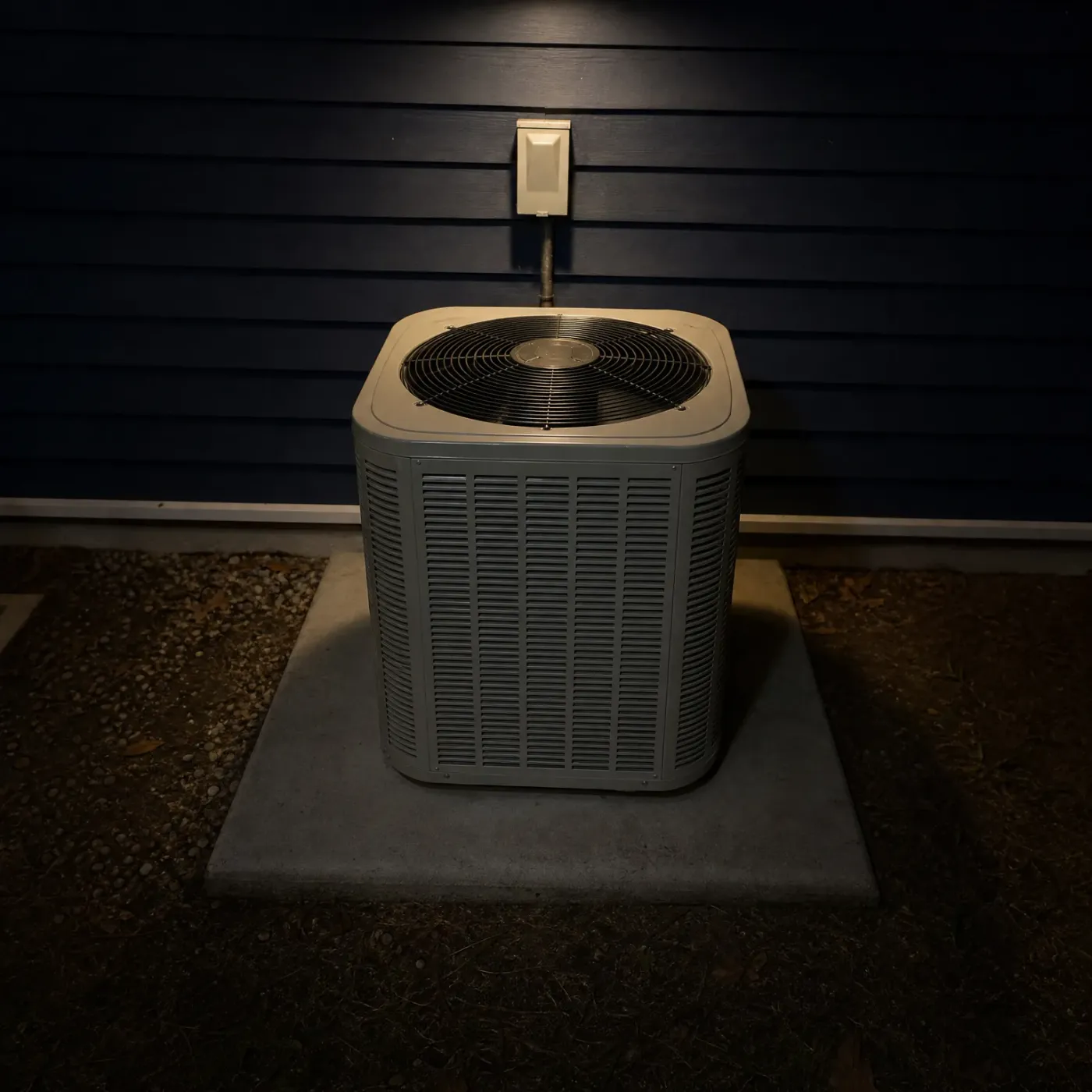
An outdoor condenser unit on a concrete pad at night beside a dark horizontal-lap sided wall, with a wall-mounted disconnect box and refrigerant line above it, lit from overhead.

Heat pump

To heat your home here$2.12per 100,000 Btu

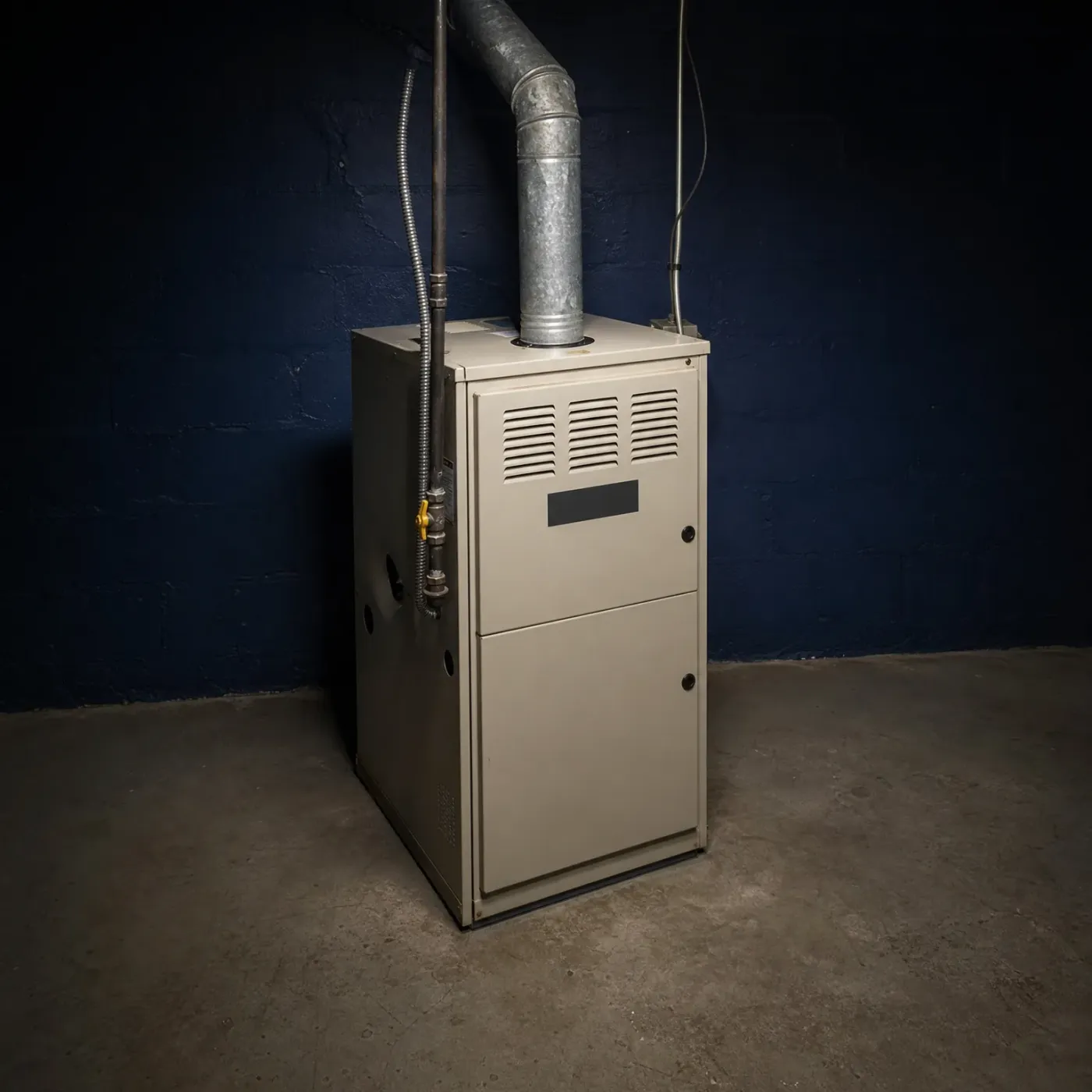
A beige gas furnace cabinet with a louvered upper panel stands on a concrete floor against a dark blue painted block wall, with a galvanized metal flue pipe, flexible conduit, and a gas line running up from it.

Furnace

To heat your home here$1.33per 100,000 Btu

At Illinois's gas and electricity prices, a gas furnace makes the same heat as a heat pump for at least 37% less.

Btu stands for British thermal unit, the standard measure of heat energy.

Where does a heat pump shine?

  • Steady, even comfort

    It eases up and down with the weather. There are fewer swings between too warm and too cool.

    A golden-coated dog sleeps on a woven rug beside a lit wood stove, in front of a dark blue armchair with a grey knit throw, open book and cushion, near a frosted window and a bookshelf.
  • Heats and cools in one system

    Winter and summer are covered by the same outdoor unit. That's one machine to service instead of two.

    A living room with a navy sofa, light blue and cream cushions and a fringed throw, a wooden coffee table with a tray and potted greenery, blue built-in bookshelves, and a large window looking onto a garden with trees and flowering shrubs.
  • No gas line, nothing burning in the house

    A heat pump runs on electricity alone. Nothing burns inside the house.

    A stainless steel kettle sits on a black glass cooktop set into a white speckled countertop above navy blue cabinets, with a wooden cutting board, round marble board, two pepper mills, a mug and a vase of white flowers nearby.

Where does a furnace shine?

  • Strong, steady heat in hard cold

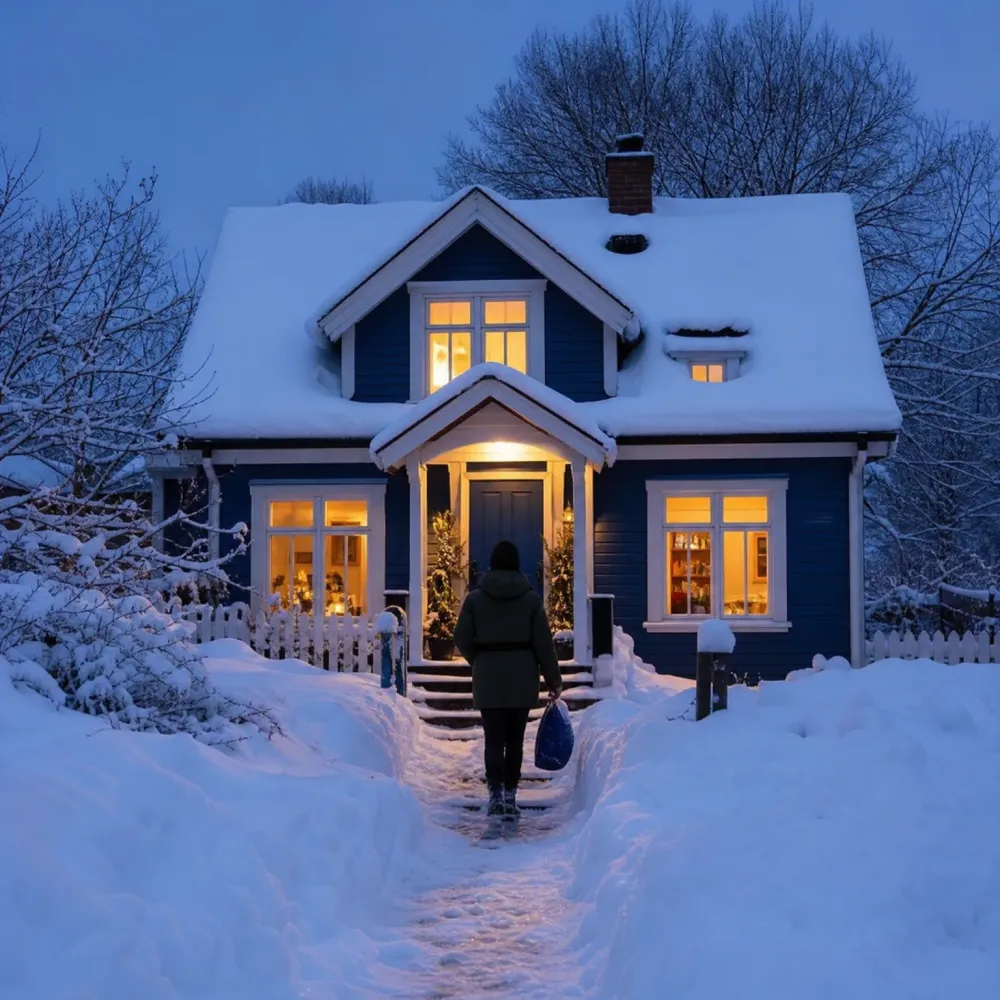
    Winter nights here average 19°F, and a furnace puts out hot air from the start, no matter how cold it gets outside. You get the same steady heat whether it's December or the worst night in January.

    A person in a dark coat carrying a bag walks up a shoveled snow path toward a blue wooden house with snow-covered roof and lit windows at dusk.
  • Runs on the gas most homes here already use

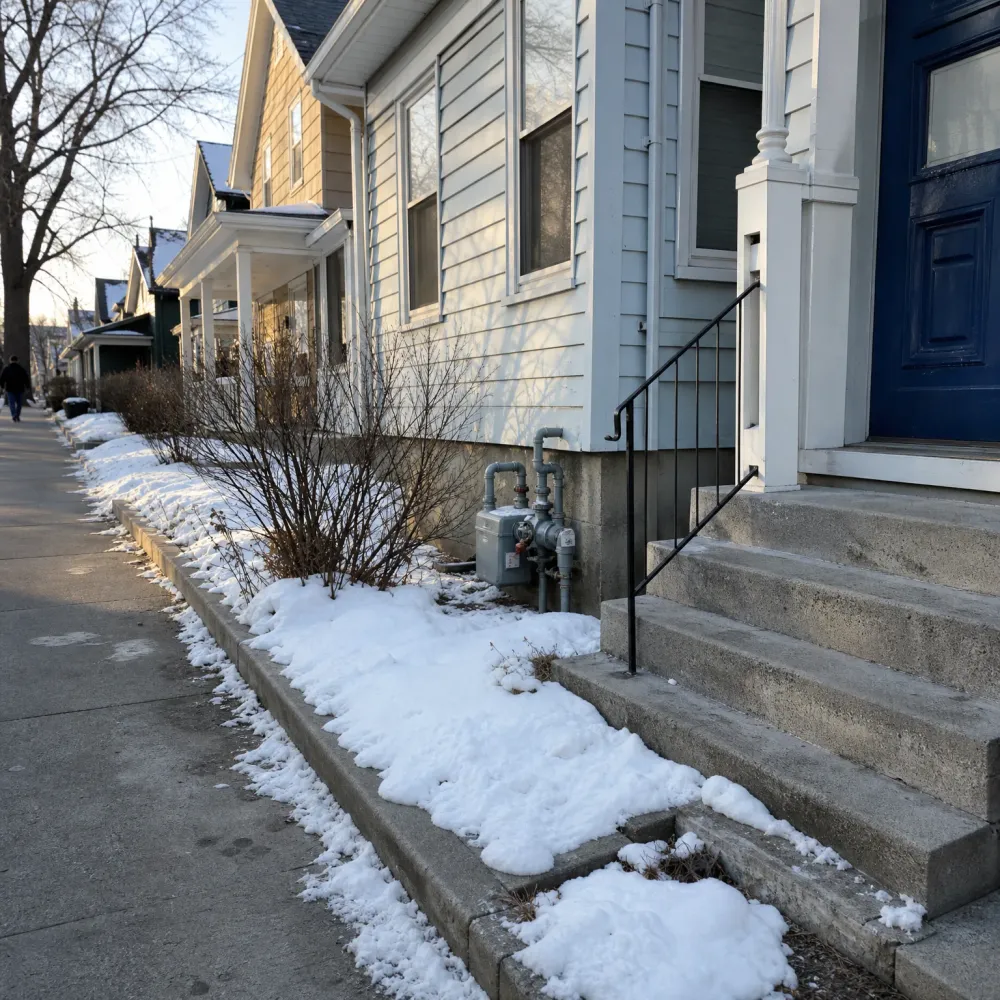
    Most homes in Grundy County already have gas line run to them, so a gas furnace just hooks into what's there. No new fuel source to add, no separate setup to worry about.

    A sidewalk beside a pale blue clapboard house with concrete front steps, a black metal handrail, a gas meter, bare shrubs, and melting snow along the strip, with a distant person walking on the sidewalk.
  • Proven, simple, easy to get serviced

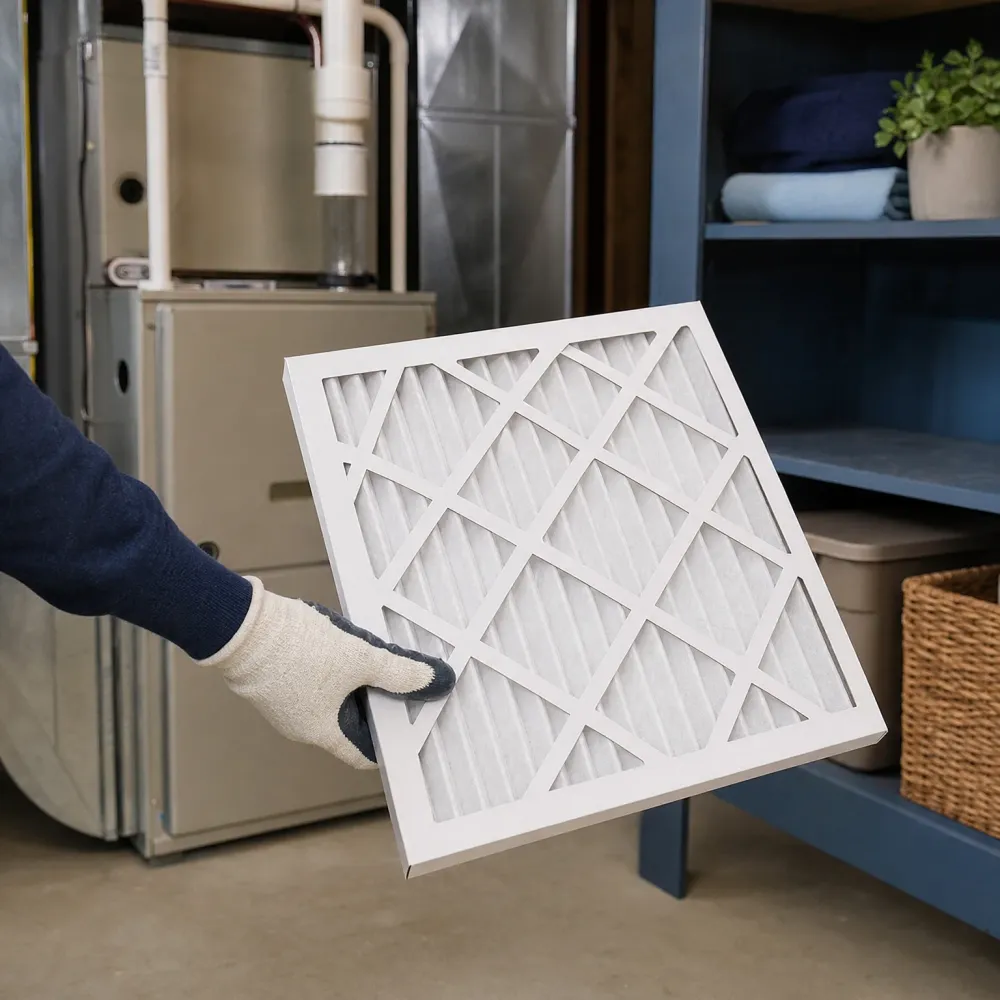
    Parts are easy to find and most repairs are routine. Getting one fixed rarely means waiting on a specialist.

    A gloved hand holds a pleated air filter in front of a furnace and ductwork, with a blue shelving unit holding folded towels, a plant and a wicker basket at right.

What the cold does to a heat pump here

Winter here is the long season, not the short one. Heat runs eight months, October through May, against three for cooling. Whatever you install spends most of its life heating this house, so get that part right first.

A standard heat pump starts losing capacity below 40°F and often needs backup heat below about 35°F. The average overnight low here in December, January and February is 19°F. That is not a cold snap, it is the average. More than half the nights from October through May, about 130 of them, fall at or below freezing, so a standard heat pump is working below both of those marks most nights it runs.

That does not mean it quits. ENERGY STAR's Cold Climate heat pumps are tested to hold at least 70 percent of their rated heat at 5°F and still turn one unit of electricity into 1.75 units of heat at that temperature. Field tests of cold-climate models in occupied homes found backup heat carried only a small share of the load between 0°F and 35°F, and running on backup alone was rare even above 0°F. Grundy County only sees 0°F or below about 8 nights a year. A cold-climate heat pump sized and installed for this county can be expected to carry most of the heat itself on all but a handful of nights. A standard heat pump, built to the federal minimum, is a different machine for this climate and will lean on its backup heat far more often.
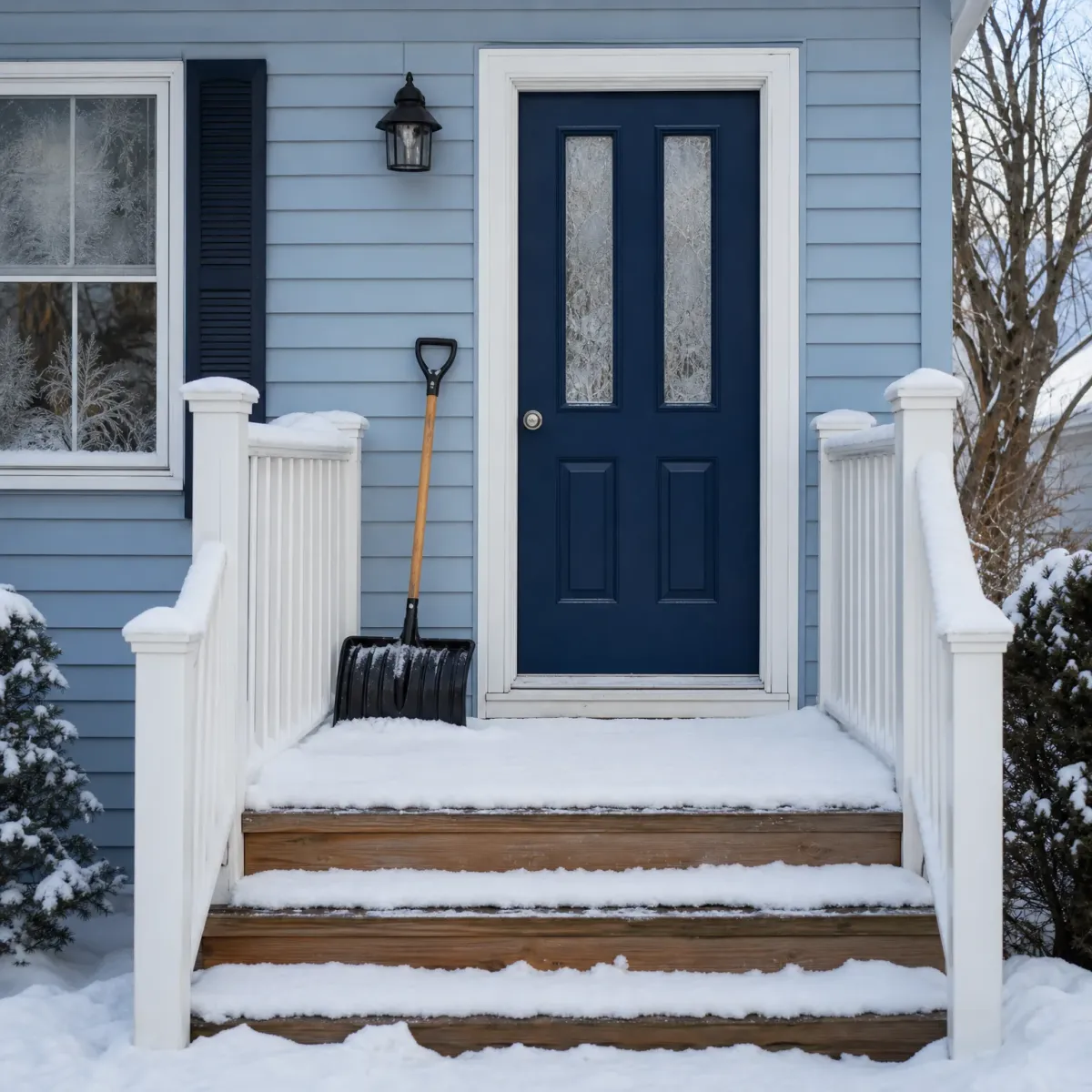
Snow-covered wooden steps and white railings lead to a navy blue front door on a light blue clapboard house, with a snow shovel leaning against the wall beside the door.

What it costs to run, and what's already in the wall

Run the numbers at Illinois's own prices and the furnace wins on cost. Heating this house with a heat pump runs $2.12 per 100,000 Btu; with a gas furnace, $1.33. The furnace makes the same heat for at least 37 percent less, and that heat pump figure is its best case, a federal-minimum machine with nothing added for the backup heat it will use on the coldest nights.

That gap also explains what is already built into most homes here. Utility gas heats 77.4 percent of homes in Grundy County, a little over three in four. Electric heat is in 13.8 percent. If your house is one of the three in four, you already have the gas line and venting a furnace needs, and nothing more to add. If your heat is already electric, a heat pump has less to work against and no gas line to run.

A furnace only heats, so for the four months a year nobody here is running heat, it sits idle. A heat pump runs the air conditioning too, through the same equipment, the other four months. That is the real trade. A furnace costs less to run and does the one job this climate asks for most of the year. A heat pump costs more to run, more on the coldest nights if it is not a cold-climate model, and in exchange it covers both jobs with one system. Which one is worth more to you is the actual question, not which one is cheaper on paper.

Sources: NOAA nClimDiv · NOAA 1991–2020 seasonal normals · Census ACS 2020–2024 · EIA SEDS 2024 · 10 CFR 430.32 · PNNL Building America guide · PNNL-37127 field study · ENERGY STAR product criteria

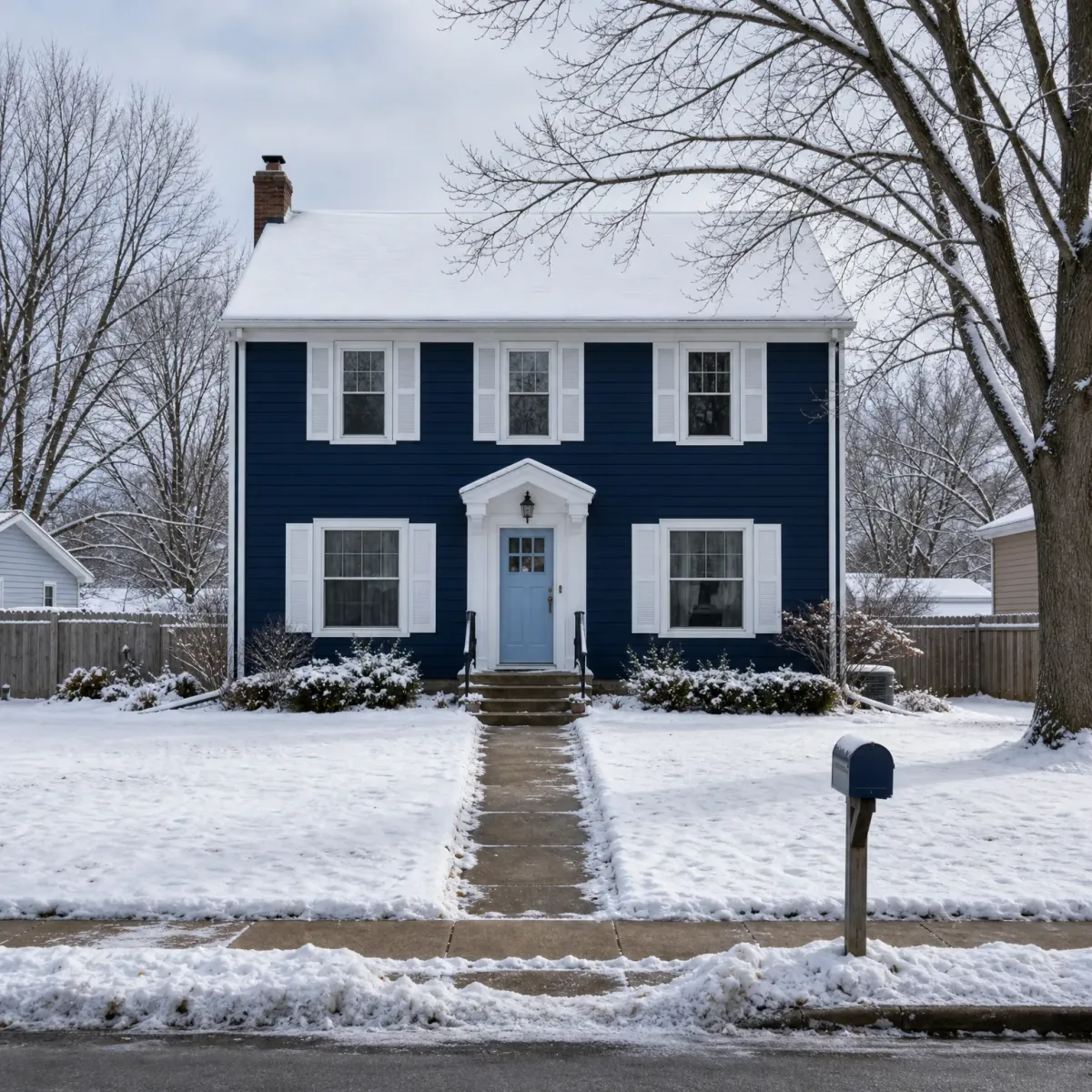
A two-story dark blue clapboard house with white trim, shutters, and a light blue front door, fronted by a snow-covered yard, a cleared concrete walkway, a mailbox on a post, and bare trees under an overcast sky.

Common questions about heat pumps and furnaces

  • Can a heat pump heat a house through an Illinois winter?

    It can, but not on its own in Grundy County. A standard heat pump's output falls below its rating once it's under 40°F outside, and it often needs backup heat below about 35°F. The average winter low here is 19°F, and about 130 nights a year drop to freezing or below, so a heat pump here needs backup heat for most of the winter, not just the coldest nights.

  • Do I need backup heat with a heat pump here?

    Yes, for most homes. A standard heat pump's capacity drops below 40°F and it typically needs backup heat below about 35°F, and the average overnight low here is 19°F. An ENERGY STAR Cold Climate heat pump holds up better at low temperatures, but the question of backup heat is still one to settle with whoever sizes the system for your house.

  • Can I keep my furnace and add a heat pump?

    Yes, that pairing is called a dual fuel system. The heat pump handles the milder nights, and the furnace takes over once it gets too cold for the heat pump to keep up efficiently. With an average overnight low of 19°F here across December through February, that switch happens often enough that the furnace stays busy all winter, not just on the rare deep freeze.

  • Is a heat pump cheaper to run than a furnace in Grundy County?

    No, not at today's prices. Heating with a heat pump here runs $2.12 per 100,000 Btu against $1.33 for a gas furnace, because electricity costs more per unit of heat delivered than natural gas does in Illinois. That gap holds for a heat pump built to the federal minimum efficiency, with nothing added for the backup heat it likely needs on the coldest nights.

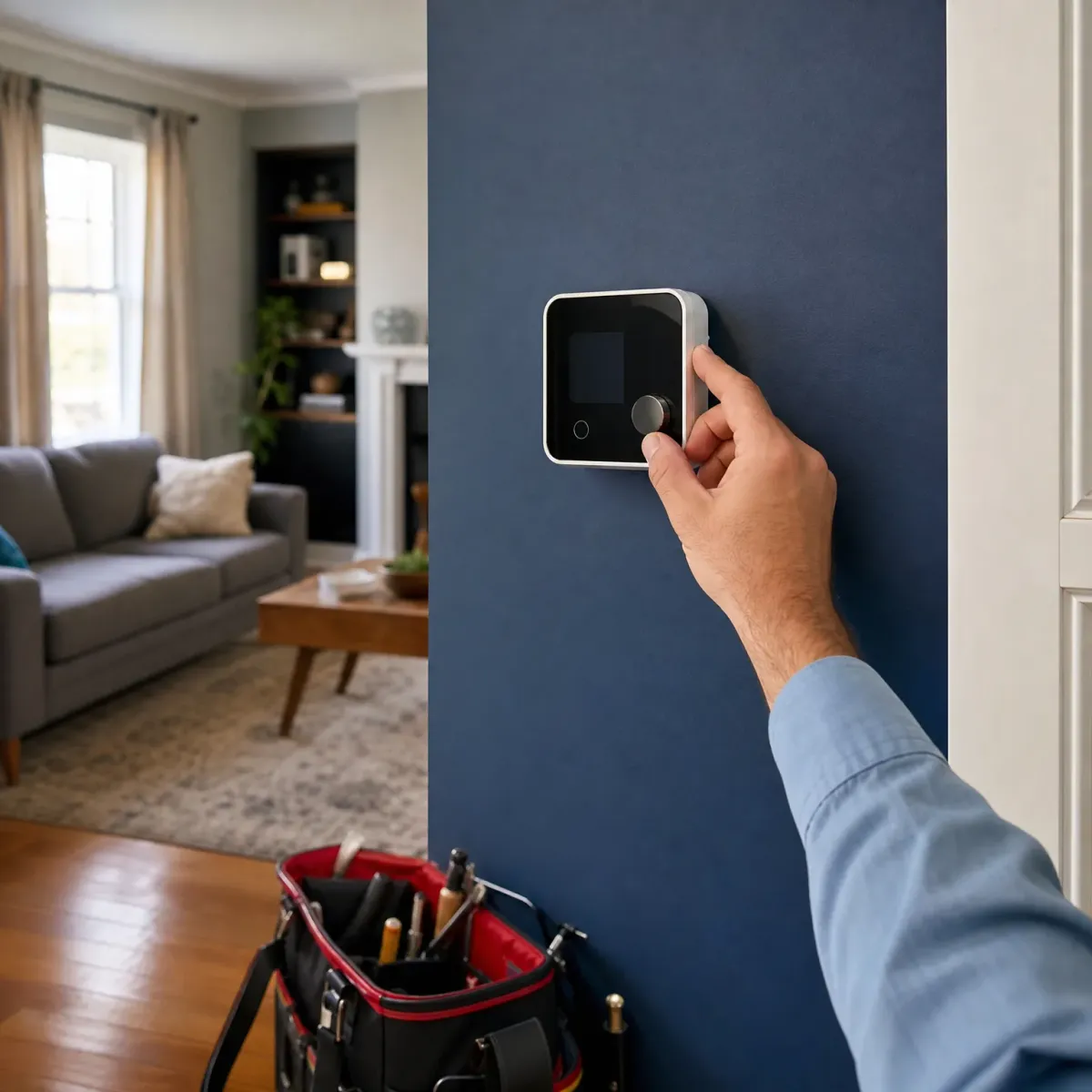
A person's hand in a light blue shirt adjusts a dial on a white wall-mounted thermostat on a dark navy wall, with a living room containing a gray sofa, coffee table and a tool bag in the background.

Tell us about the job

Takes about a minute. No obligation.

Step 1 of 3: Equipment