



A lit residential street at dusk featuring large two-story brick houses with glowing windows, mature trees, and a street lamp.

Furnace Installation in Morris, IL

Tell us about the job

Takes about a minute. No obligation.

Step 1 of 3: Equipment

Gas heats 77.4% of the homes in Grundy County, and most furnace installs in Morris are a gas furnace going in where a gas furnace came out. That keeps the job simpler. The gas line, the vent and the spot the old unit sat in are already there, so the new furnace works with what the house already has. Electric heat covers 13.8% of homes here, and propane covers 7.6%, and either one changes what the installer is working with. If your home runs on propane, say so up front, since furnaces are built and sized differently for it than for utility gas.

8 months
October through May, your furnace is on duty
19°F
the average winter night it heats against
77%
of homes here heat with gas, so most furnaces here burn gas
80% AFUE
the federal minimum any new unit must meet
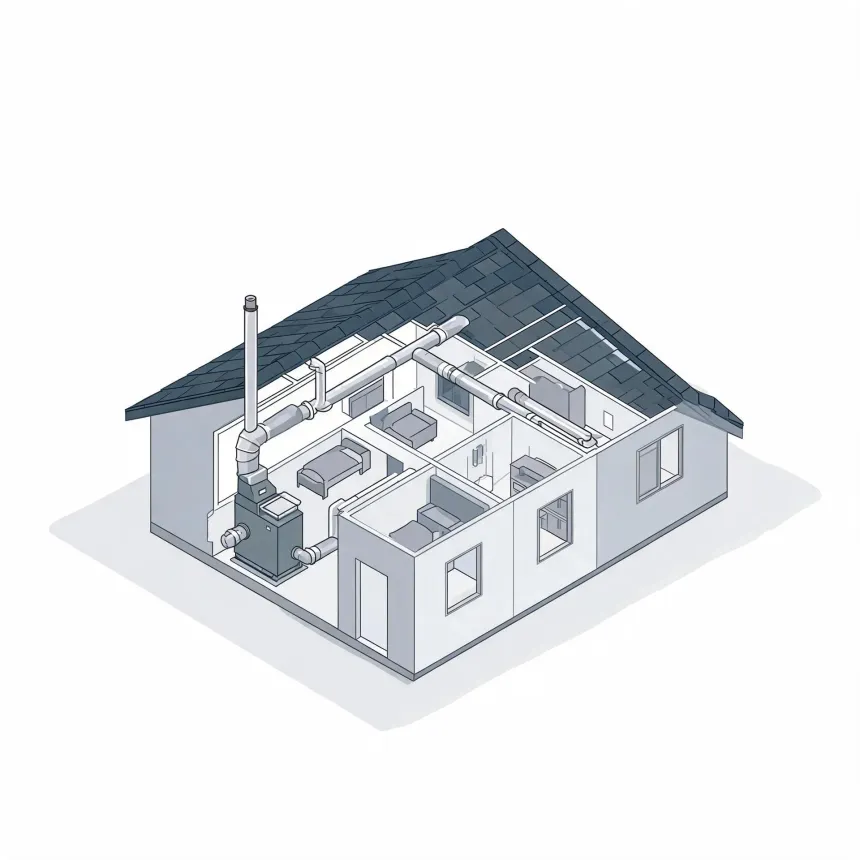
Isometric cutaway illustration of a single-story house showing interior rooms with furniture, ceiling ductwork, a furnace unit with a tall flue pipe, and a dark shingled roof.
Your furnace works hardest from November through March.

NOAA nClimDiv, 1991–2020 normals

Furnaces in Grundy County run about eight months a year, October through May.

A furnace running eight months straight through a 19°F winter needs the right size and build, not just a low bid.

A 19°F winter calls for a correctly sized furnace, not an oversized one

Heat runs October through May
Winter nights average 19°F
Climate zone 5A
Get it installed before OctoberHeat starts in October here and runs through May. September is the month to get it done.

A furnace that's too big for the house turns on, blasts heat, and shuts off again before it's run long enough to warm things evenly. That short cycling wears on the igniter and the blower motor, and it leaves rooms far from the furnace colder than the rest of the house. Too small, and it runs constantly through the coldest stretch of winter without ever catching up. Getting the size right starts with a room by room heat loss calculation, which looks at the square footage, the windows, the insulation and how the place is laid out, not just a rule of thumb based on the old unit. A contractor doing this right measures your house instead of matching the nameplate on the furnace that's coming out.

Size it for a Morris winter, not for a quick sale

Eight months of run time a year doesn't leave room for a furnace that's wrong for the house. Have it sized off a heat loss calculation, not the unit coming out, and weigh installers on that work, not just the number on the quote.

Find a contractor
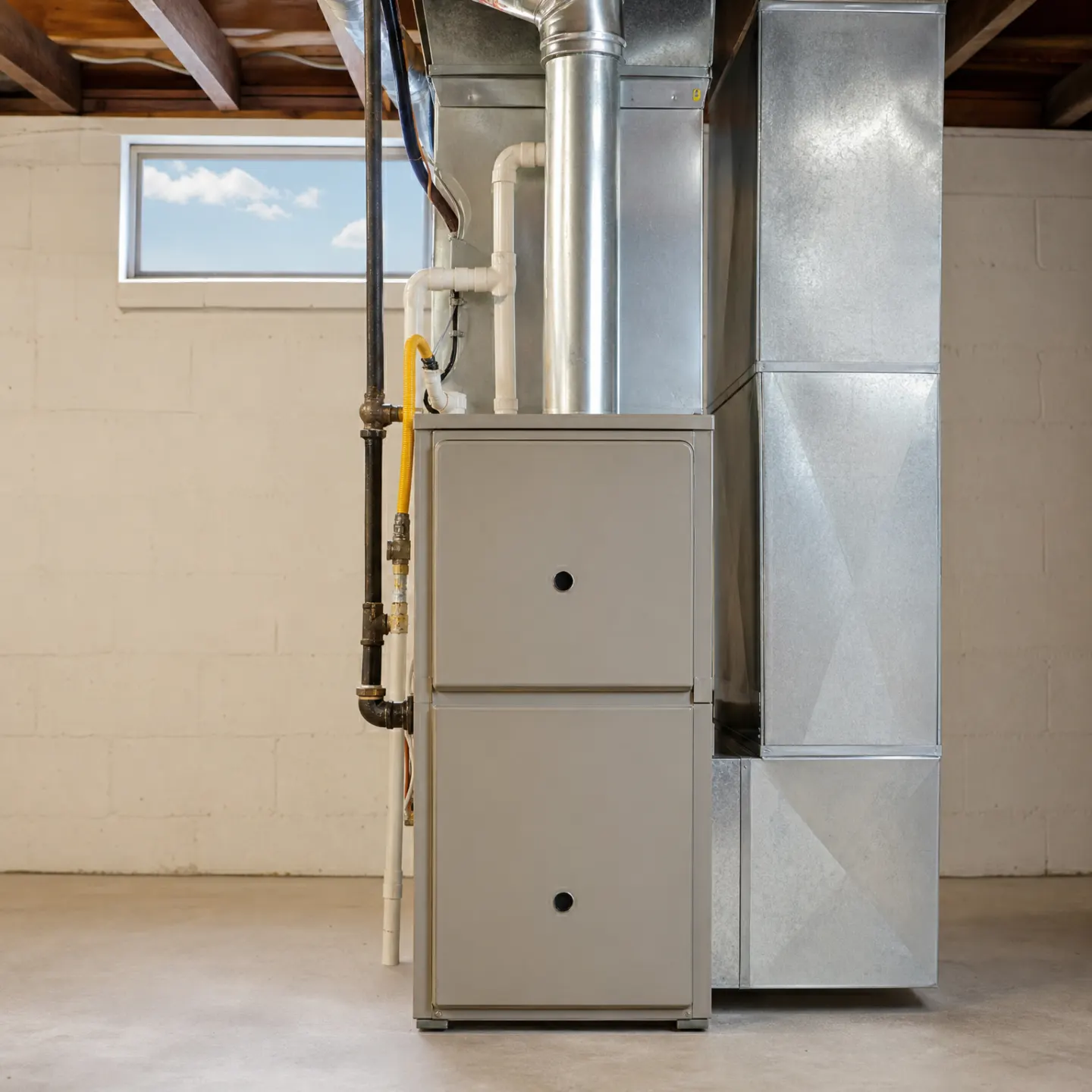
A gas furnace with attached ductwork, gas piping, and condensate lines installed in a concrete-block basement.

The number on the label is only as good as the install around it

That AFUE number on the label tells you how much of the gas burning inside actually turns into heat for the house, versus how much goes out the flue. A furnace running most months of the year spends a lot of hours doing that conversion, so a few points of efficiency matter more here than they would on a unit that only ran a handful of weeks. A high-efficiency furnace also condenses the exhaust, which means it vents through PVC pipe instead of a metal flue, and it drains condensate that has to go somewhere. That changes the install itself, not just the furnace sitting in the basement. Whatever rating you land on, the gain only shows up if the furnace is sized to the house and the ductwork can actually move the air it produces. An efficient furnace fighting undersized ducts just makes the blower work harder for the same result.

Ask what stage of heat you're actually buying

A single-stage furnace is either off or running at full fire, nothing in between. A furnace with a low and a high setting can sit on low most of the time and only ramp up when it's really cold out, which means steadier heat and a quieter furnace room. Ask the installer when your house would actually run on low versus high, not just what the brochure says it can do.

Ask what happens to the ducts already in the walls

The furnace coming out was matched to the ductwork that's already there, and a new furnace may not move air the same way. Ask whether anyone checked that the existing ducts can handle what the new furnace puts out. Reusing the ducts without checking is how you end up with rooms that won't heat right or a blower straining against a system too small for it.

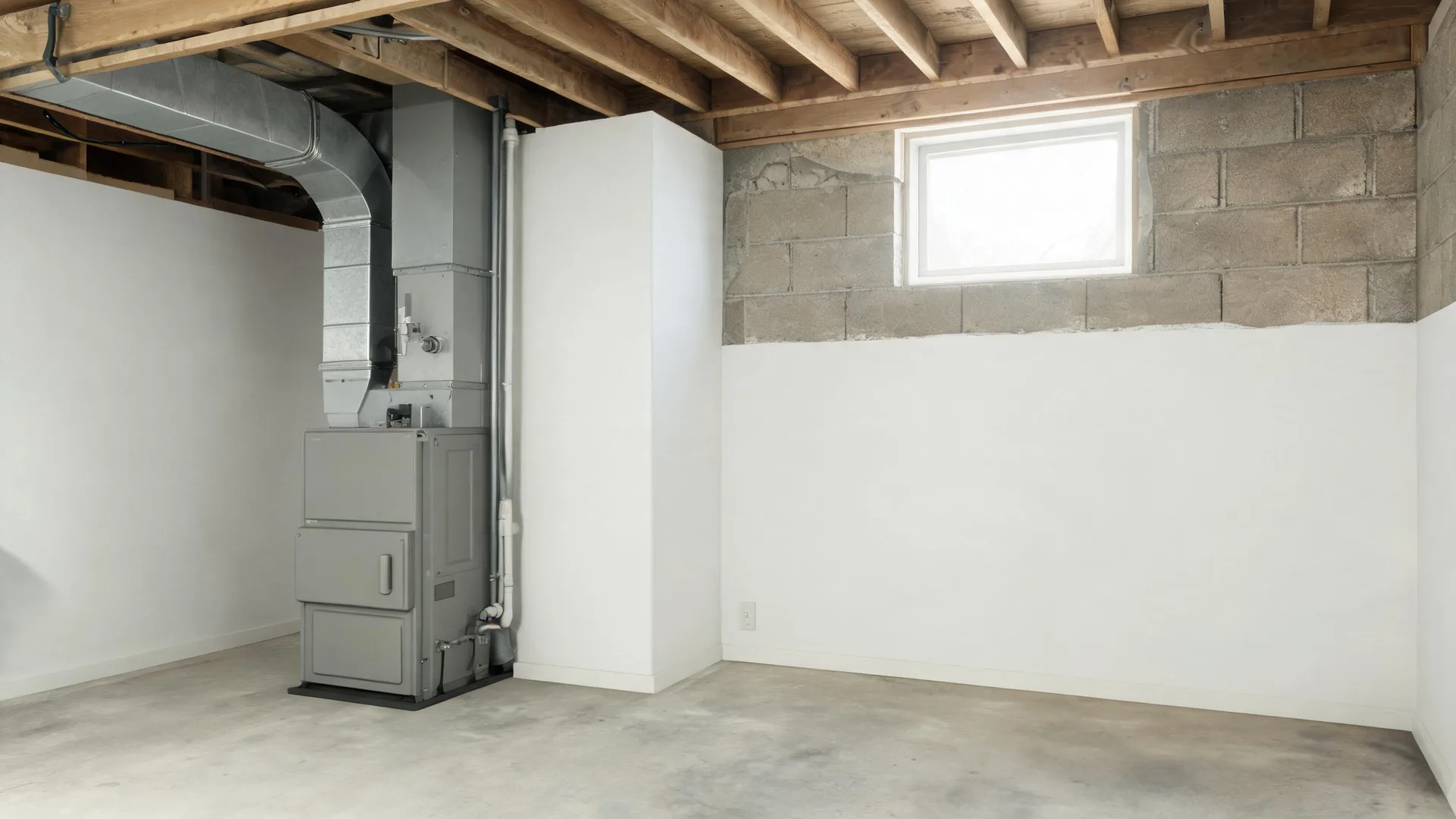
An unfinished basement containing a gray HVAC furnace with ductwork, exposed wooden joists, a concrete floor, and miscellaneous clutter in one corner.

A high-efficiency gas furnace would save about $120 a year to run in Grundy County compared with a gas furnace.

  • A high-efficiency gas furnace$570 a year
  • A gas furnace$690 a year

Estimates for a typical Grundy County home, from EIA household energy data, Illinois fuel prices and NOAA climate normals. Your home will differ.

Installation day starts with disconnecting the old furnace from the gas line, the vent and the ductwork before it ever comes out. While that connection is open, the venting and the gas line should get checked rather than assumed to be fine for whatever goes in next. Setting the new furnace means leveling it, hooking up the gas line, running new vent pipe if it's a high-efficiency model, and sealing up the duct connections so the blower pulls air from the house and not from around the furnace itself. Once it's wired in, the furnace gets fired up and tested. That means checking gas pressure, checking the temperature rise across the heat exchanger, and making sure the blower is moving the amount of air that unit is built for. A furnace that's sitting in place isn't the same as one that's been run and checked.