


Heat pump vs furnace in DuPage County, Illinois

Get a Local Quote

Pros who install both

Which costs less to run in DuPage County?

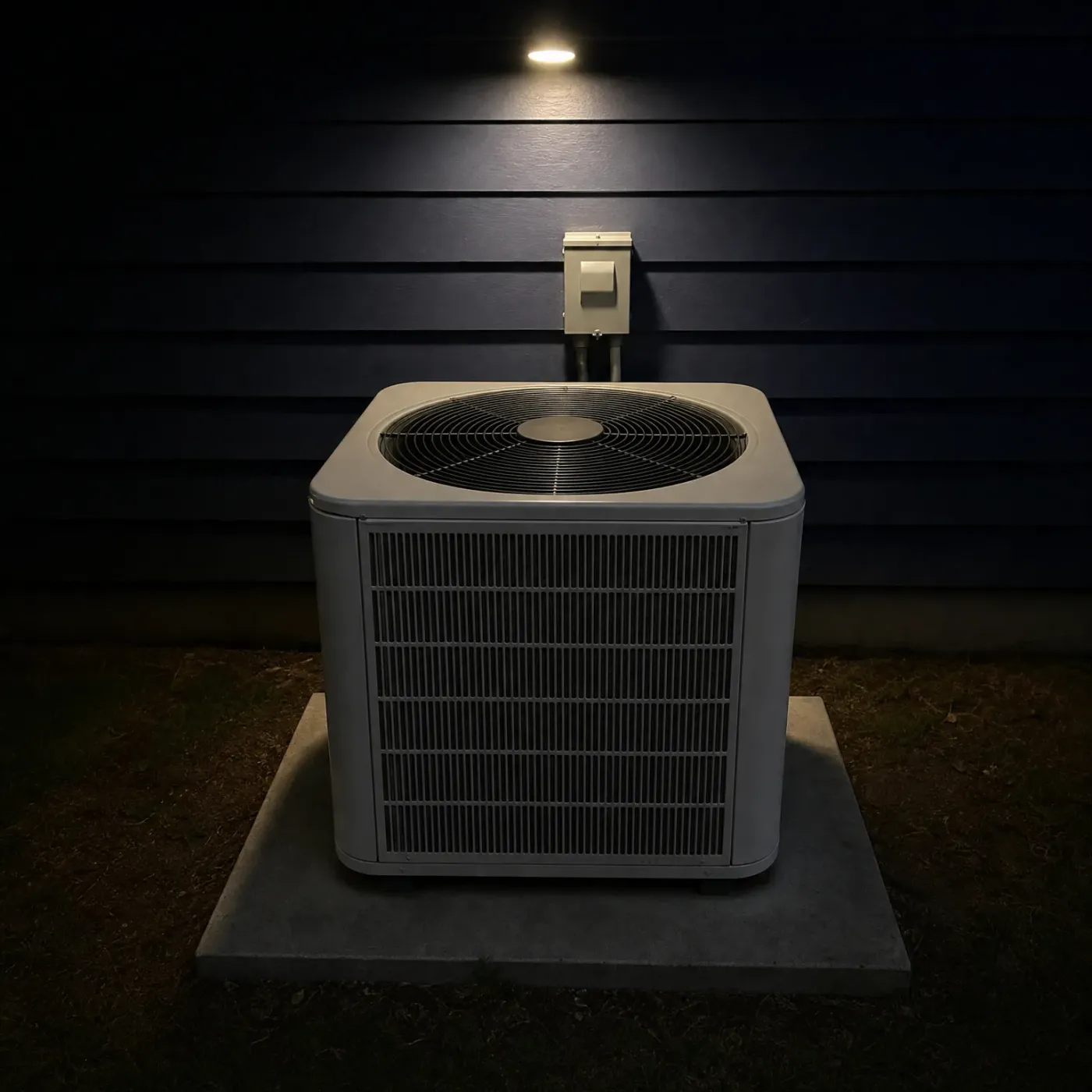
An outdoor air conditioning condenser unit on a concrete pad beside a dark horizontal-lap sided wall at night, lit by a wall light above, with an electrical disconnect box mounted on the siding.

Heat pump

To heat your home here$2.12per 100,000 Btu

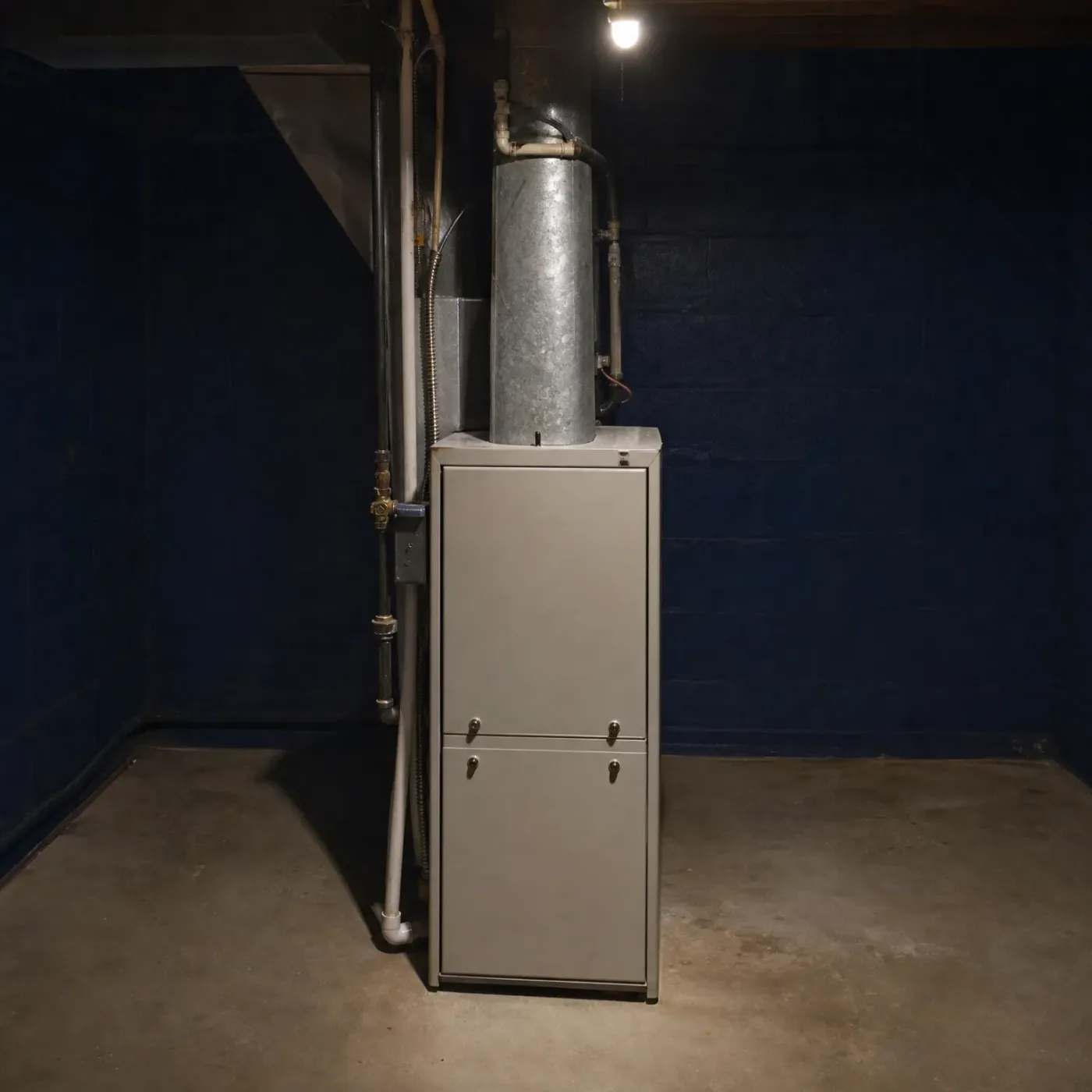
A tall gray furnace cabinet stands on a concrete floor in a basement with dark blue painted block walls, with a galvanized metal flue duct and pipes running up behind it and a bare light bulb overhead.

Furnace

To heat your home here$1.33per 100,000 Btu

At Illinois's gas and electricity prices, a gas furnace makes the same heat as a heat pump for at least 37% less.

Btu stands for British thermal unit, the standard measure of heat energy.

Where does a heat pump shine?

  • Heats and cools in one system

    Winter and summer are covered by the same outdoor unit. That's one machine to service instead of two.

    A living room with a beige sofa holding navy and light blue cushions and a fringed knit throw, beside a window overlooking a green garden, with a dark blue built-in bookshelf on the left and a wooden coffee table holding a mug, wooden tray and a vase of white flowers.
  • Steady, even comfort

    A heat pump runs long and low instead of blasting on and off. Rooms hold an even temperature all day.

    A dimly lit living room with a lit stone fireplace, a navy armchair holding an open book, a cushion and gray fringed throw, a brass table lamp and mug on a side table, and a golden retriever sleeping on a woven rug.
  • No gas line, nothing burning in the house

    There's no gas line to the unit and no flame anywhere in it. Carbon monoxide isn't part of the picture.

    A kitchen with a navy blue island topped by a white marble-look counter holding a black induction cooktop, a light blue kettle and a glass vase of hydrangeas, with white cabinets and a stainless wall oven in the background.

Where does a furnace shine?

  • Strong, steady heat in hard cold

    DuPage County nights average 19°F through December, January and February. A furnace pushes out hot air, so the house recovers fast even when it's that cold outside.

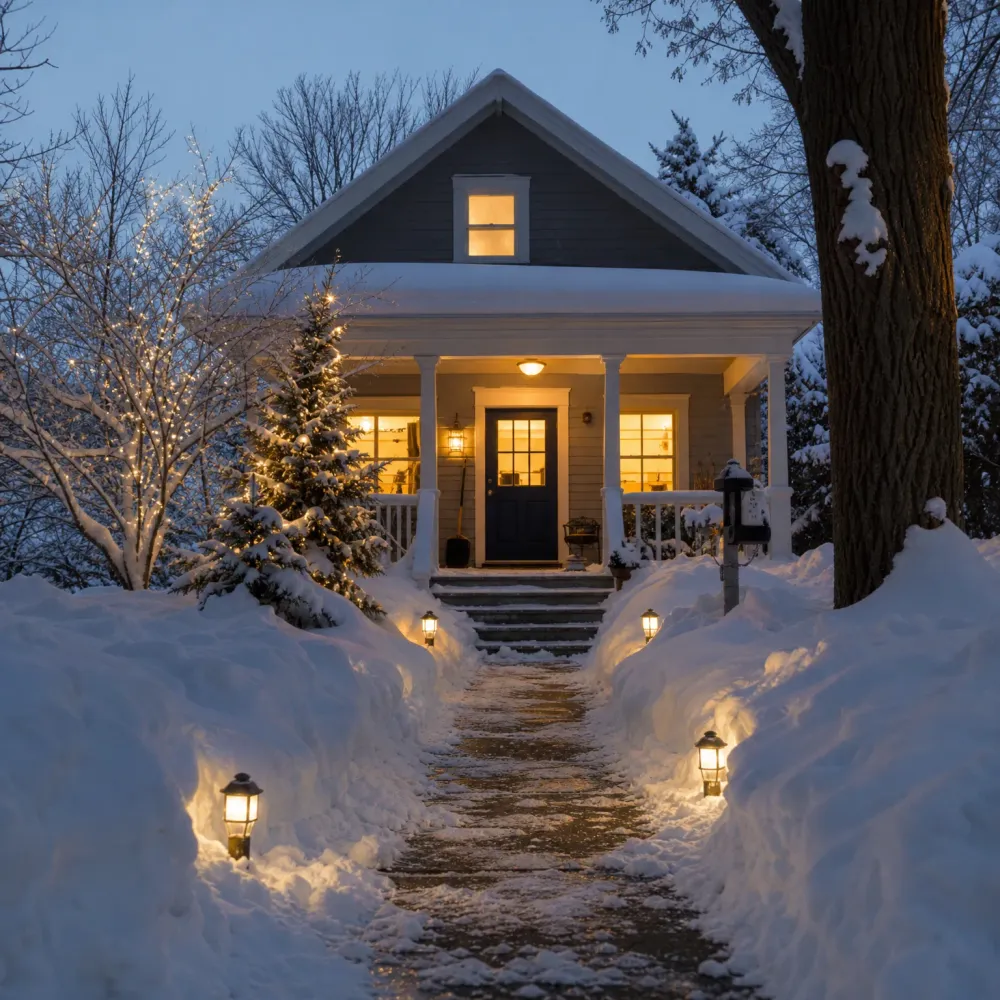
    A two-story house with a lit porch and glowing windows at dusk, with a shoveled path lined by small lanterns leading through deep snow to the front steps, and a large bare tree trunk at right.
  • Runs on the gas most homes here already use

    Most homes in DuPage County already have the gas line a furnace needs, 83% heat with utility gas. If your house is one of them, a furnace just hooks into what's already there.

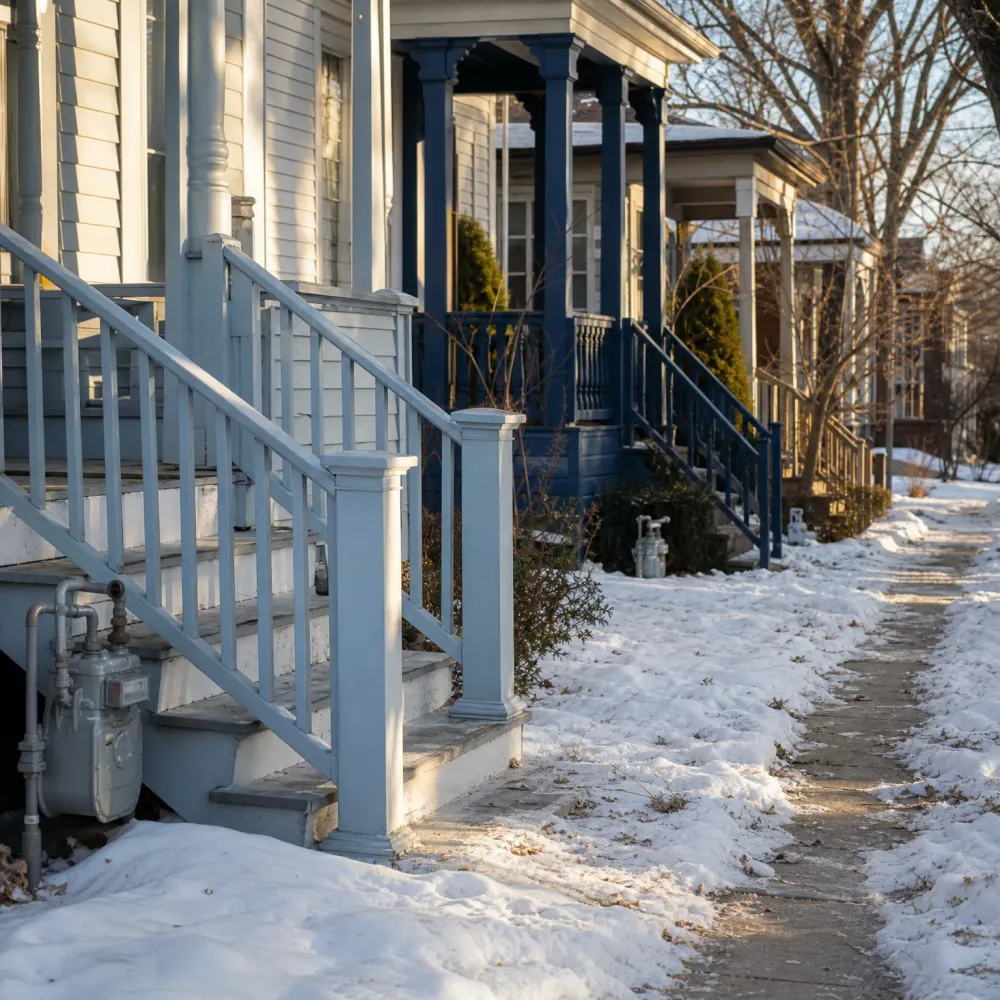
    Front porch steps with light blue painted railings on a clapboard house, beside a cleared sidewalk bordered by snow, with a dark blue porch on a neighboring house and bare trees in the background.
  • Proven, simple, easy to get serviced

    Parts are easy to find and most repairs are routine. Getting one fixed rarely means waiting on a specialist.

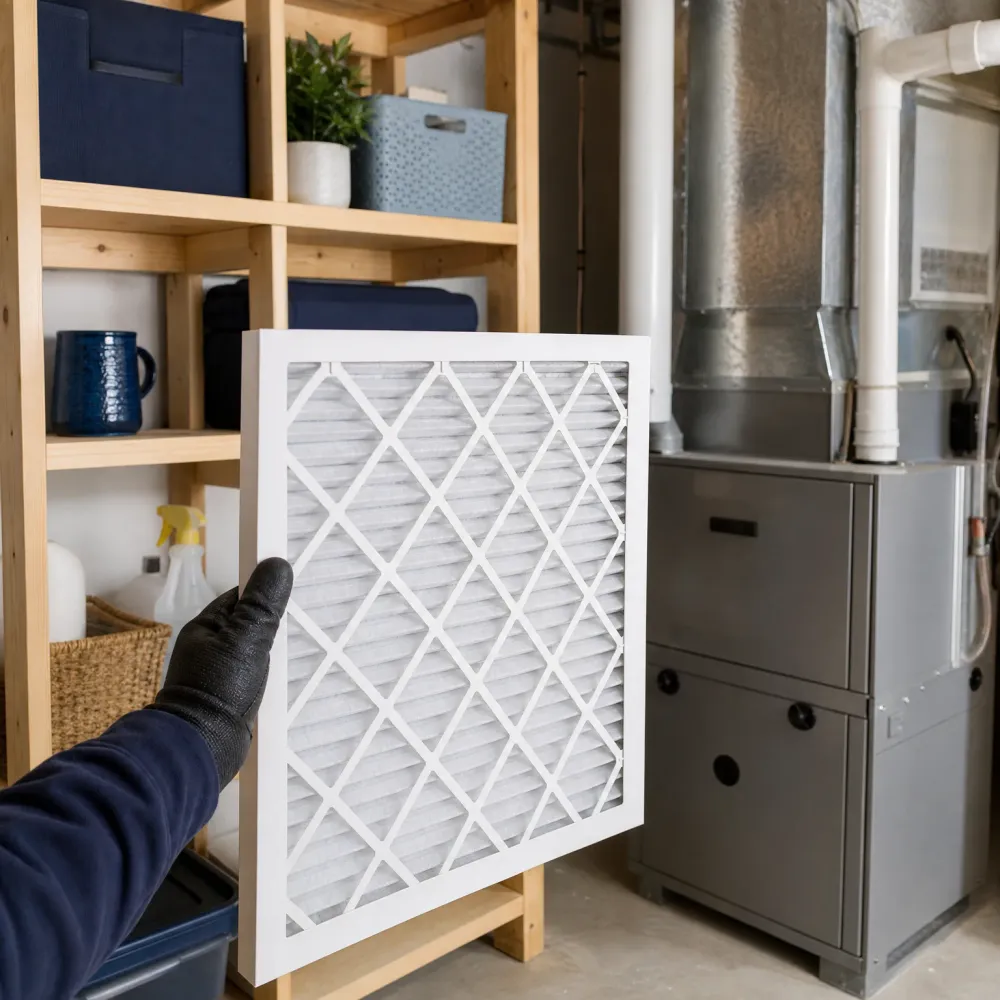
    A gloved hand holds a white pleated air filter in front of wooden storage shelves and a furnace with metal ductwork.

Can a heat pump keep up with winter here

Winter is the real question in DuPage County. Heat runs about eight months a year, October through May, and the overnight low averages 19°F across December, January and February. A standard heat pump starts losing ground before it even gets that cold. Below 40°F it puts out less than its rated capacity. Below about 35°F it often needs backup heat to make up the difference. The average winter night here sits under both marks, and every one of the roughly 135 nights that drop to freezing or below does too.

That doesn't mean a heat pump quits. About 9 nights a year here reach 0°F or below, a small slice of the 135 freezing nights, and field tests of cold-climate heat pumps in occupied homes found backup heat carried only a small share of the load between 0°F and 35°F. Running on backup alone was rare even above 0°F. The ones that hold up in that test were built to the ENERGY STAR Cold Climate spec, which requires at least 1.75 units of heat per unit of electricity at 5°F and at least 70 percent of rated capacity at that temperature, checked by independent testing. A standard heat pump, built to the federal minimum, is not that machine. If a heat pump is going into your house, this is the spec to ask about.

A furnace doesn't have this problem. It burns gas to make heat, so outdoor temperature doesn't touch its output. On the coldest night of the year it heats the same way it does in October.
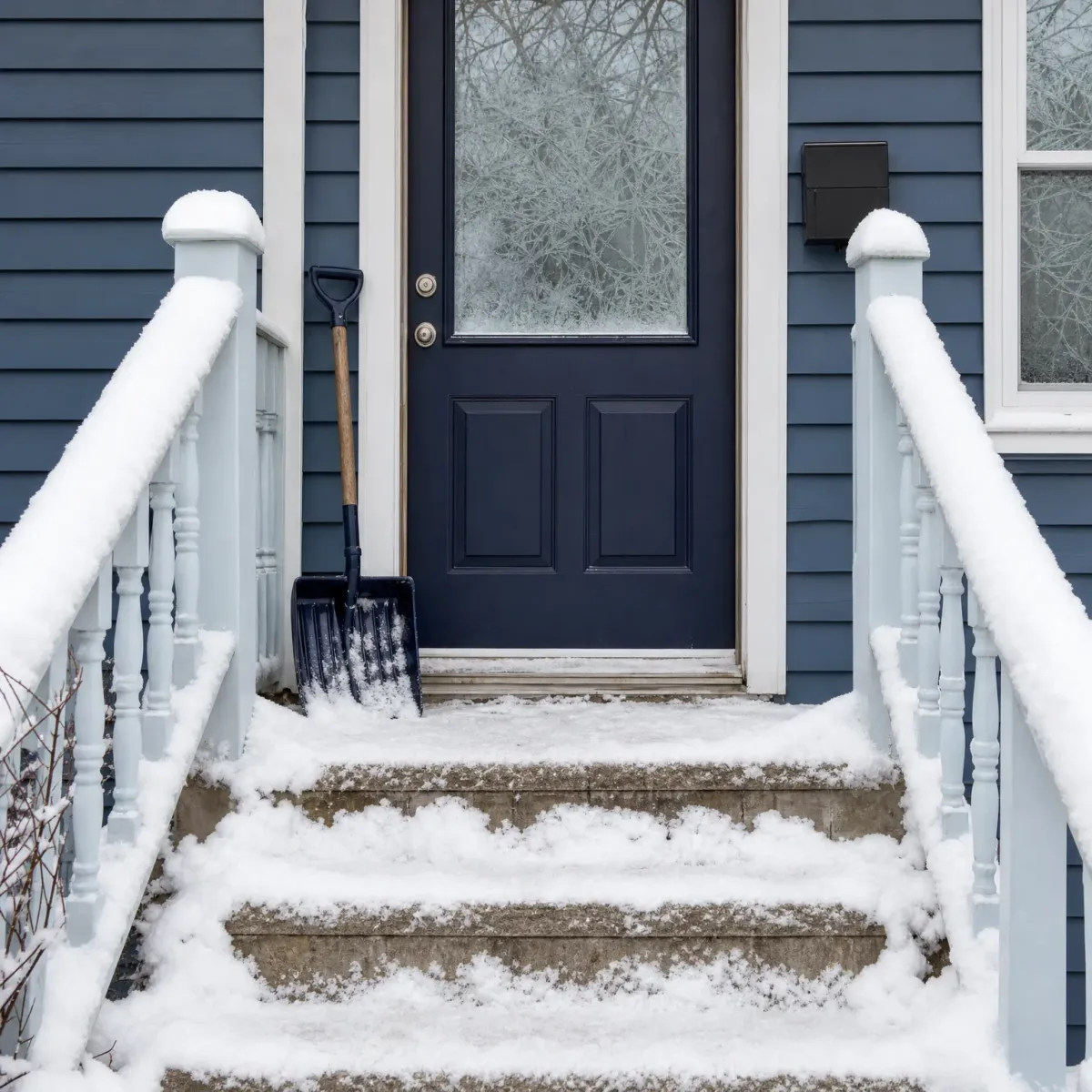
Snow-covered concrete steps and white railings lead to a dark blue front door on a blue clapboard house, with a snow shovel leaning beside the door.

What it costs to run, and what each one is for

At Illinois's current fuel prices, a furnace is cheaper to run no matter which one you buy. Gas costs $1.33 per 100,000 Btu of heat here against $2.12 for a heat pump at the federal minimum efficiency, over a third less. That gap holds for a standard heat pump with nothing added for backup heat, so on the coldest nights, when backup heat is doing some of the work, the real difference narrows from there.

Gas is also the fuel most of this county already has. Utility gas heats 83 percent of homes here, electricity 14.7 percent, so a furnace is very likely a straight swap for what your house is already set up to run. A heat pump means living with electric heat as your main source, not just backup, and depending on what your house has, that can mean new wiring or an electrical panel with room to spare.

The other difference is cooling. A furnace only heats. It has nothing to do the other four months of the year, June through August, when this county runs air conditioning. A heat pump does both from one system, heating all winter and cooling all summer, which matters if your air conditioner is also due for a replacement. If it isn't, that advantage doesn't apply yet. For most houses here, the honest case is a furnace for heat, paired with a separate air conditioner, unless you are replacing both anyway and want one system instead of two.

Sources: NOAA nClimDiv · PNNL Building America guide · PNNL-37127 field study · NOAA 1991–2020 seasonal normals · ENERGY STAR product criteria · EIA SEDS 2024 · 10 CFR 430.32 · Census ACS 2020–2024

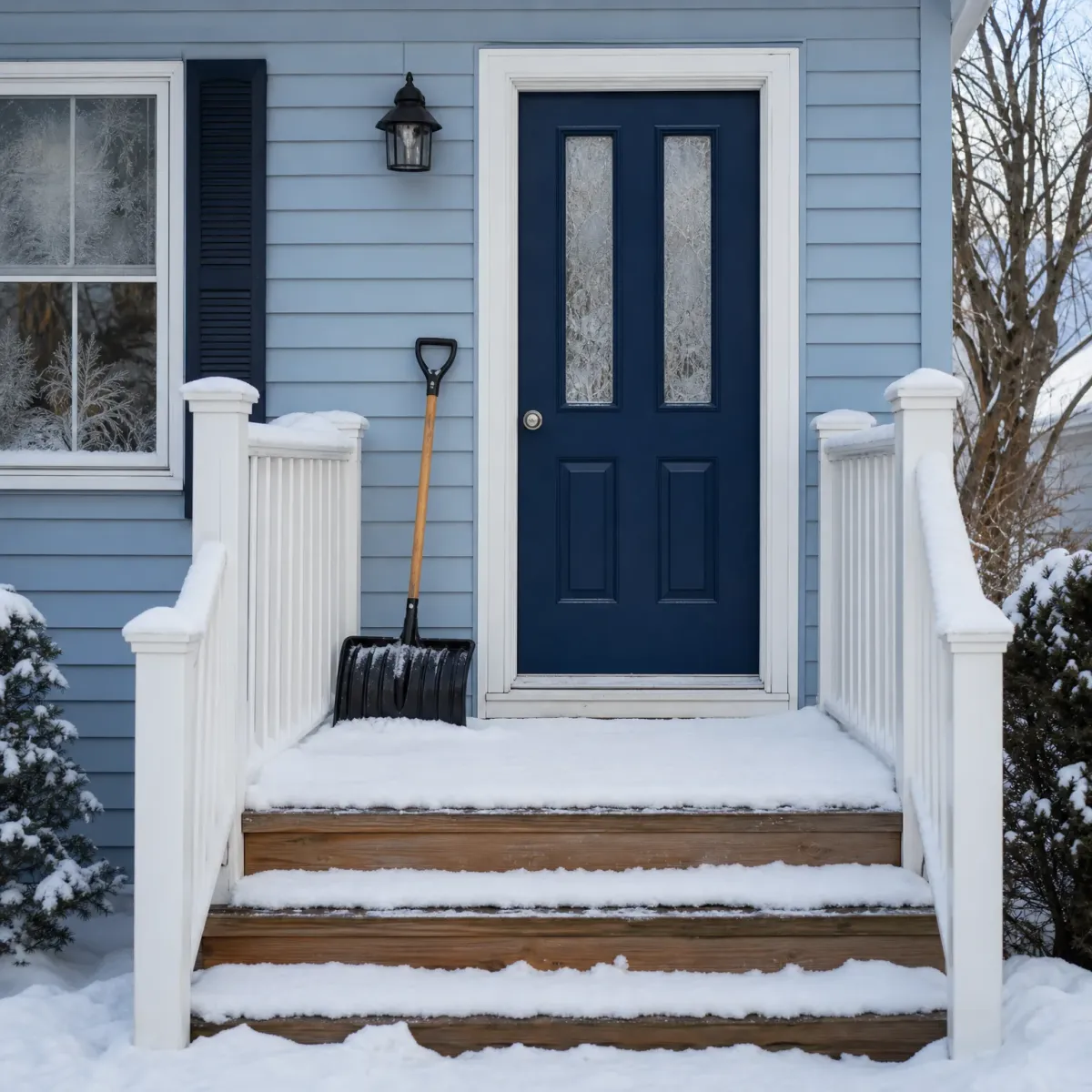
Snow-covered wooden steps and white railings lead to a navy blue front door on a light blue clapboard house, with a snow shovel leaning against the wall beside the door.

Common questions about heat pumps and furnaces

  • Can a heat pump heat a house through an Illinois winter?

    Yes, but a standard heat pump loses ground as it gets colder. Below 40°F it puts out less than its rated capacity, and below about 35°F it often needs backup heat to keep up. With an average winter low of 19°F here and over half the nights from October through May at or below freezing, that's most of the season, not an edge case.

  • Do I need backup heat with a heat pump here?

    For most of the winter here, yes. The average overnight low, 19°F, sits well under the 35°F mark where a standard heat pump starts to lean on backup heat, and under the 40°F mark where its output already falls short of its rating. A cold-climate model built to the ENERGY STAR spec holds up better at low temperatures, but check what you're getting before you count on it to carry a 19°F night alone.

  • Can I keep my furnace and add a heat pump?

    Yes, and here that often means the furnace does most of the work. A system like that runs the heat pump when it's efficient and switches to the furnace once it's not, which matters in a place where the overnight low averages 19°F and falls to freezing about 135 nights a year.

  • Is a heat pump cheaper to run than a furnace in DuPage County?

    No, not at Illinois's current prices. A furnace built to the federal minimum makes the same heat for $1.33 per 100,000 Btu against $2.12 for a heat pump built to its federal minimum, because gas here costs less per Btu than electricity. That gap holds before adding anything for the backup heat a standard heat pump needs on the coldest nights.

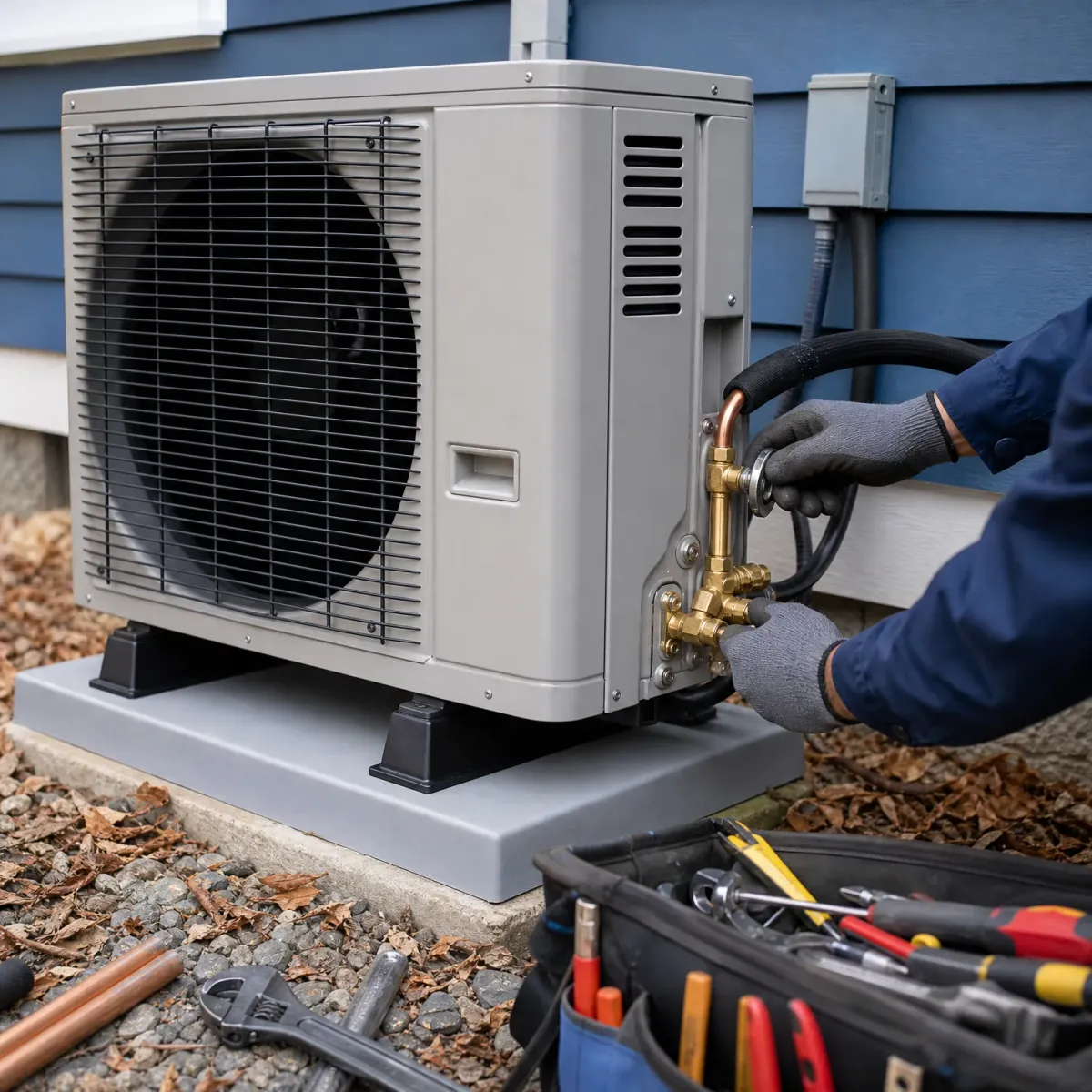
A gloved worker in a dark blue jacket connects refrigerant lines and copper piping at the side of a gray outdoor heat pump unit mounted on a concrete pad beside a blue lap-sided house, with a tool bag and wrench in the foreground.

Tell us about the job

Takes about a minute. No obligation.

Step 1 of 3: Equipment