Three lit brick homes on a tree-lined residential street photographed at dusk.

Furnace Repair in Naperville, IL

Tell us about the job

Takes about a minute. No obligation.

Step 1 of 3: Equipment

DuPage County sees real storm damage

DuPage County recorded 275 severe weather events between 2015 and 2024, including 180 damaging wind events, 58 hail events and 21 tornadoes. That is a lot of chances for an outdoor unit or a power line to take a hit.
Furnaces depend on the power staying on

A gas furnace still needs electricity to run its blower and controls. In 2024, 16% of Illinois households lost power for 24 hours or more. A long outage in the middle of winter is not just an inconvenience here.

8 months
October through May, your furnace is on duty
19°F
the average winter night it heats against
83%
of homes here heat with gas, so most furnaces here burn gas
15 winter storms
in ten years, the nights a failure hurts most
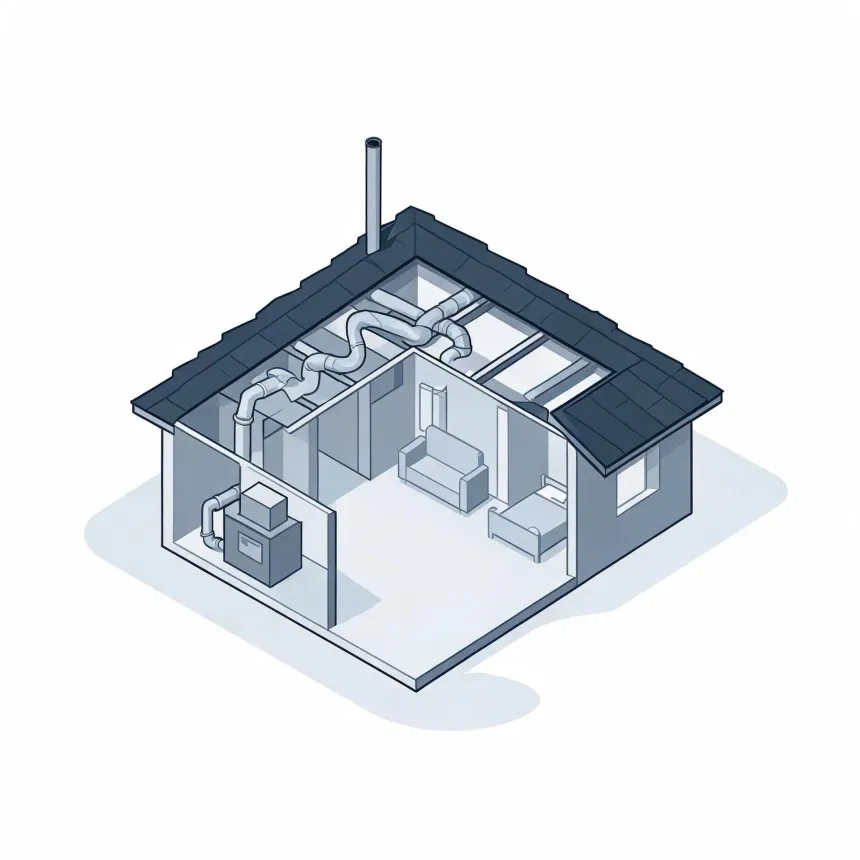
Isometric cutaway illustration of a small house showing a furnace unit connected to ductwork running through the interior and attic, with a chimney on the shingled roof and simple furniture in the rooms.
Your furnace works hardest from November through March.

NOAA nClimDiv, 1991–2020 normals

October is when furnaces here start their first real run of the year.

A weak igniter or a failing blower motor usually gives out in those first cold weeks, not in the middle of January.

Eight months of heat a year wears a furnace down early

Heat runs October through May
Winter nights average 19°F
Climate zone 5A

A furnace here runs eight months out of twelve, October through May. That is more than half the year asking the same igniter, the same blower motor, the same heat exchanger to cycle on and off without a break. When a part is already worn down that far, a quick patch job tends to fail again partway through the season. Have the actual cause found before anything gets replaced. A furnace that has been running hard for years needs a real diagnosis, not a guess.

If the storm got your furnace, get it checked now

A furnace that took a hit from wind or hail does not always fail right away. Sometimes it struggles on for weeks before a part gives out in the cold. If your furnace sat through a bad storm this year, or lost power for a stretch, have it looked at even if it is still running.

Find a contractor
A man in a cap, gray T-shirt and tan work pants carries a canvas tool bag up porch steps toward a dark blue front door of a gray clapboard house, with a potted plant at left.
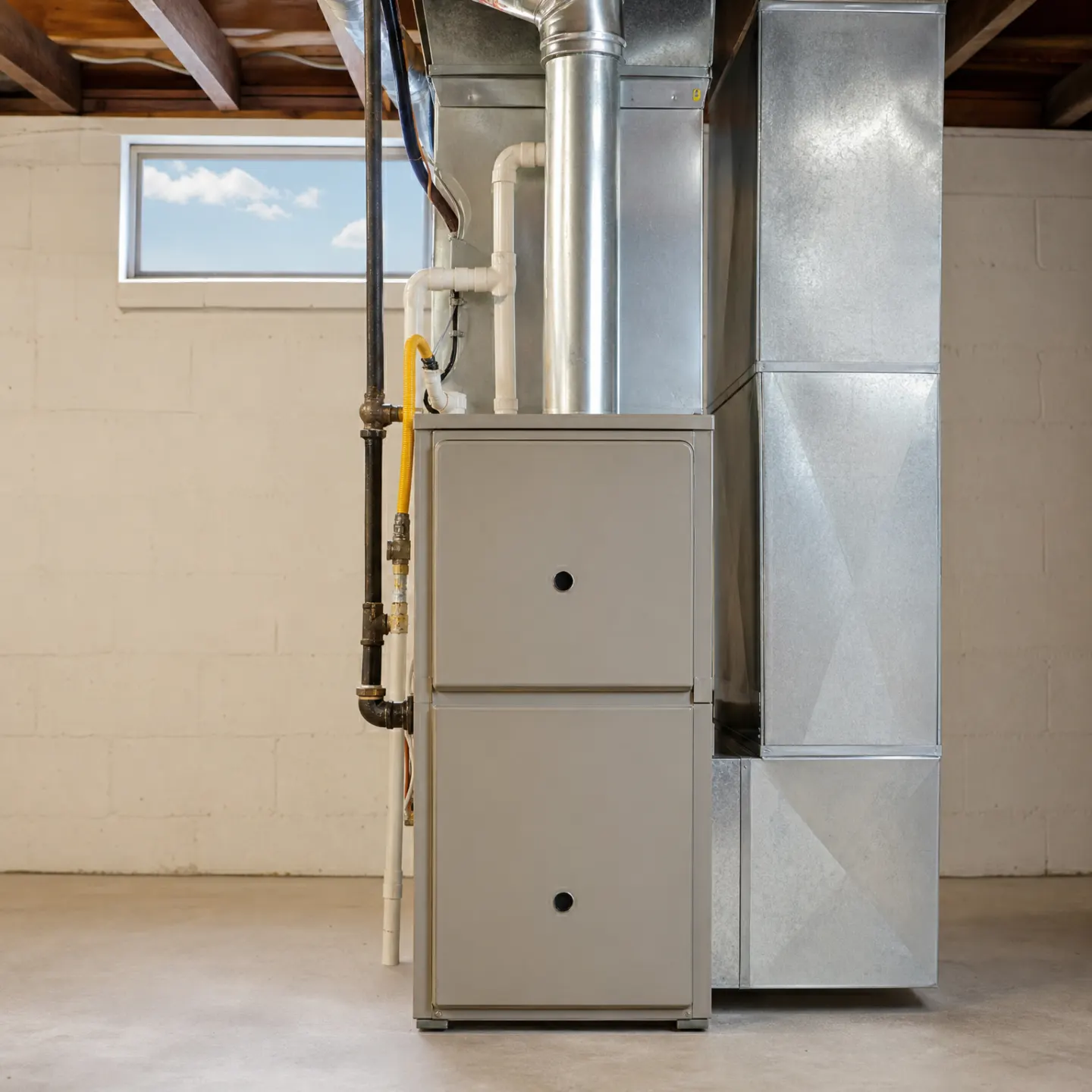
A gas furnace with attached ductwork, gas piping, and condensate lines installed in a concrete-block basement.

What to check before you pick up the phone

Before anyone comes out, check the thermostat first. Make sure it is set to heat, not just fan, and that the set point is actually above room temperature. Next, look at the air filter. A filter clogged with dust chokes off airflow and can cause the furnace to shut itself down partway through a cycle. If you can see daylight through it, it needs to be changed. Check that the furnace switch is on. It looks like a light switch, usually mounted on or near the unit, and it gets bumped off more often than people expect. If the furnace has a standing pilot, check whether the flame is lit. If it is a newer ignition system, listen for the blower running with no heat behind it, which usually points to the igniter or the gas valve rather than anything you can fix yourself. Look at the vent pipe and the intake pipe where they run outside. If either one is blocked by debris, the furnace may shut down on purpose as a safety measure. None of these checks involve opening the furnace cabinet or touching the gas line or the electrical connections. If the basics check out and it still will not run, that is the point to stop and call someone.

Most failures start with ignition

A furnace that will not light has a short list of usual suspects. The igniter cracks with age and stops glowing hot enough to catch the gas. The flame sensor gets a layer of residue on it and tells the control board no flame is present even when there is one. The gas valve can also fail, though that happens less often than the first two. All three show up the same way to the homeowner: the blower runs, the house stays cold.

Airflow problems wear out other parts

A furnace that cannot breathe right does not fail cleanly. A clogged filter or a blocked return starves the heat exchanger of airflow, and the exchanger runs hotter than it should. Over time that heat cycles the metal until it cracks. A dirty blower wheel or a failing blower motor causes the same slow damage, because the furnace keeps calling for heat while the air to carry it away never moves enough.

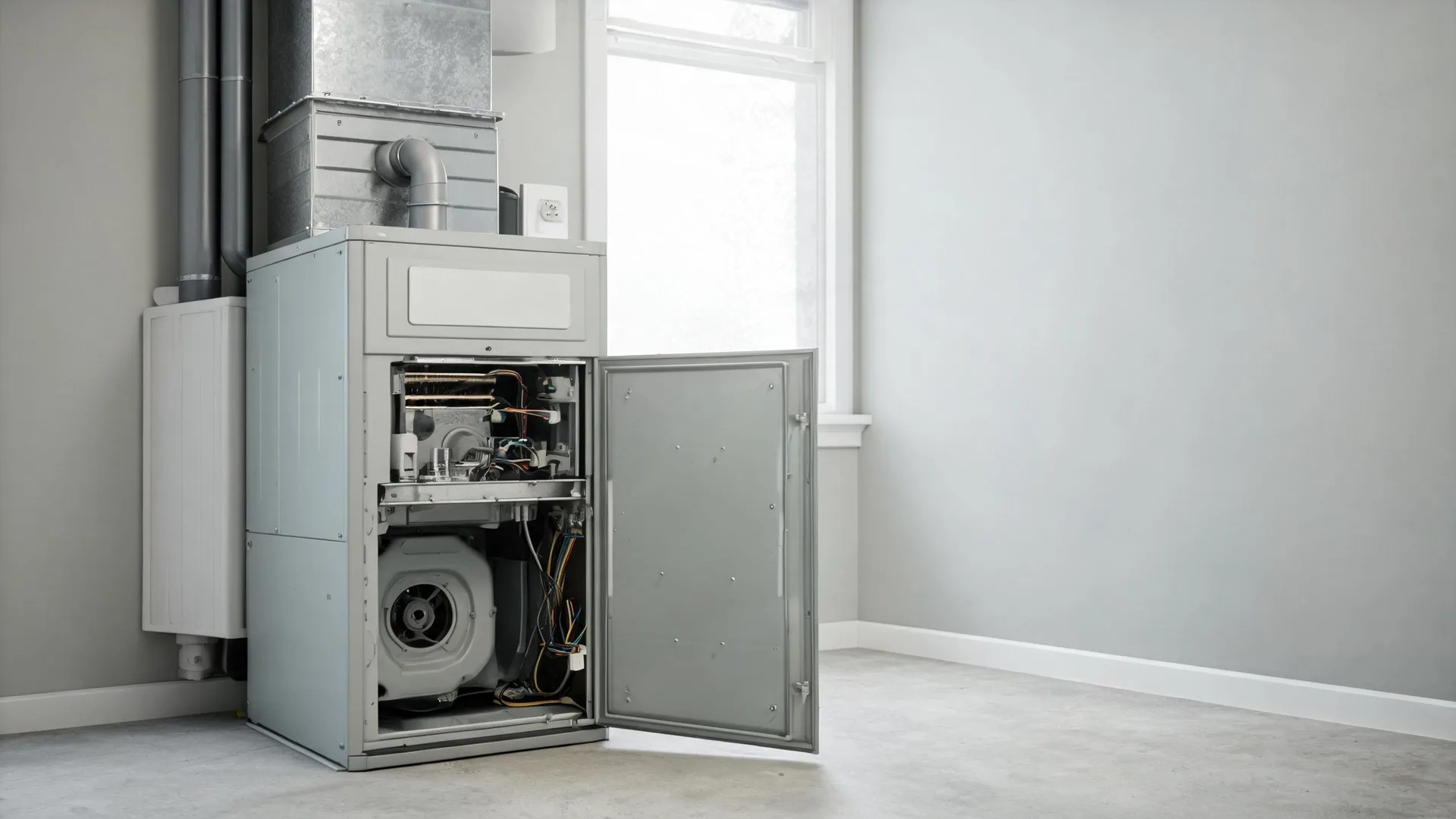
A bare concrete basement containing a gray gas furnace with metal ductwork and a vertical flue pipe, lit by a single hanging bulb.

A new furnace would cut about $150 a year off heating for a typical DuPage County home.

  • A new high-efficiency furnace$590 a year
  • An older furnace$740 a year

Estimates for a typical DuPage County home, compared with an older unit built to the previous federal minimum, from EIA household energy data, Illinois fuel prices and NOAA climate normals. Your home will differ.

Repair makes sense when one part has failed and the heat exchanger is sound.

Replacement makes sense when the heat exchanger is cracked or the furnace keeps needing parts.

A furnace does not have to be destroyed to be done. Age and heavy use leave their mark on the heat exchanger, the blower motor and the control board, and once two or three parts are near the end at the same time, fixing one just means the next one quits a few weeks later. A technician checks the heat exchanger for cracks before anything else, because a cracked exchanger is a safety issue, not a repair. If the exchanger is sound and the rest of the furnace is in decent shape, a new igniter or blower motor can run for years more. If the exchanger is cracked, or the furnace has needed three or four different repairs over a couple of winters, that pattern matters more than the age printed on the nameplate. The honest answer comes after someone has actually looked inside the cabinet, not before.