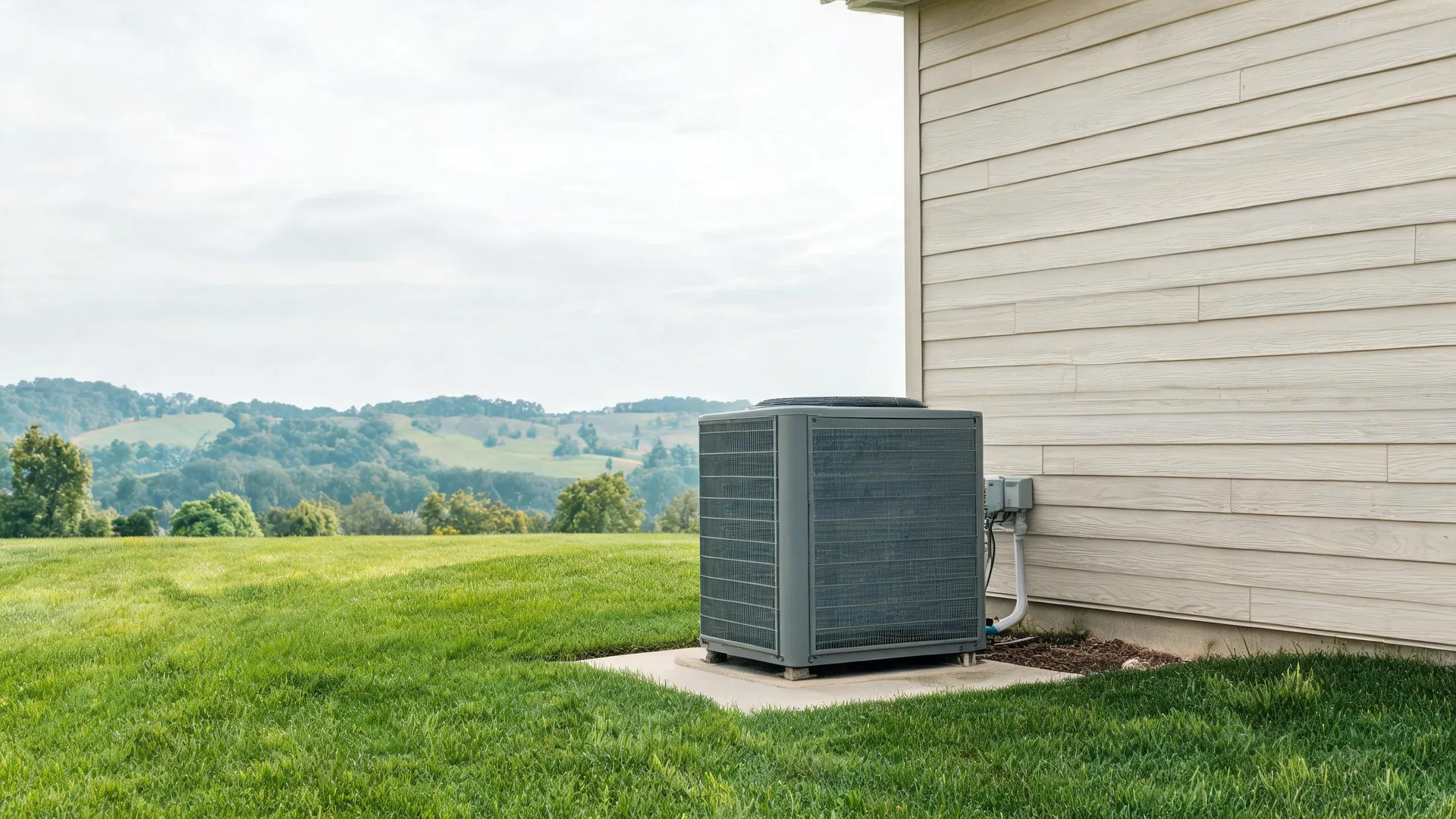
Electricity here runs 17.56 cents a kilowatt-hour
DuPage County homes pay more for power than most of the country. A heat pump runs on electricity, so that rate applies to every hour it operates.
Takes about a minute. No obligation.
DuPage County homes pay more for power than most of the country. A heat pump runs on electricity, so that rate applies to every hour it operates.
When the rate per kilowatt-hour is already high, how efficiently the heat pump moves heat has more effect on the bill than it would somewhere with cheaper power.
NOAA nClimDiv, 1991–2020 normals
DuPage County logged 275 severe weather events between 2015 and 2024, including 180 damaging wind events and 58 hail storms.
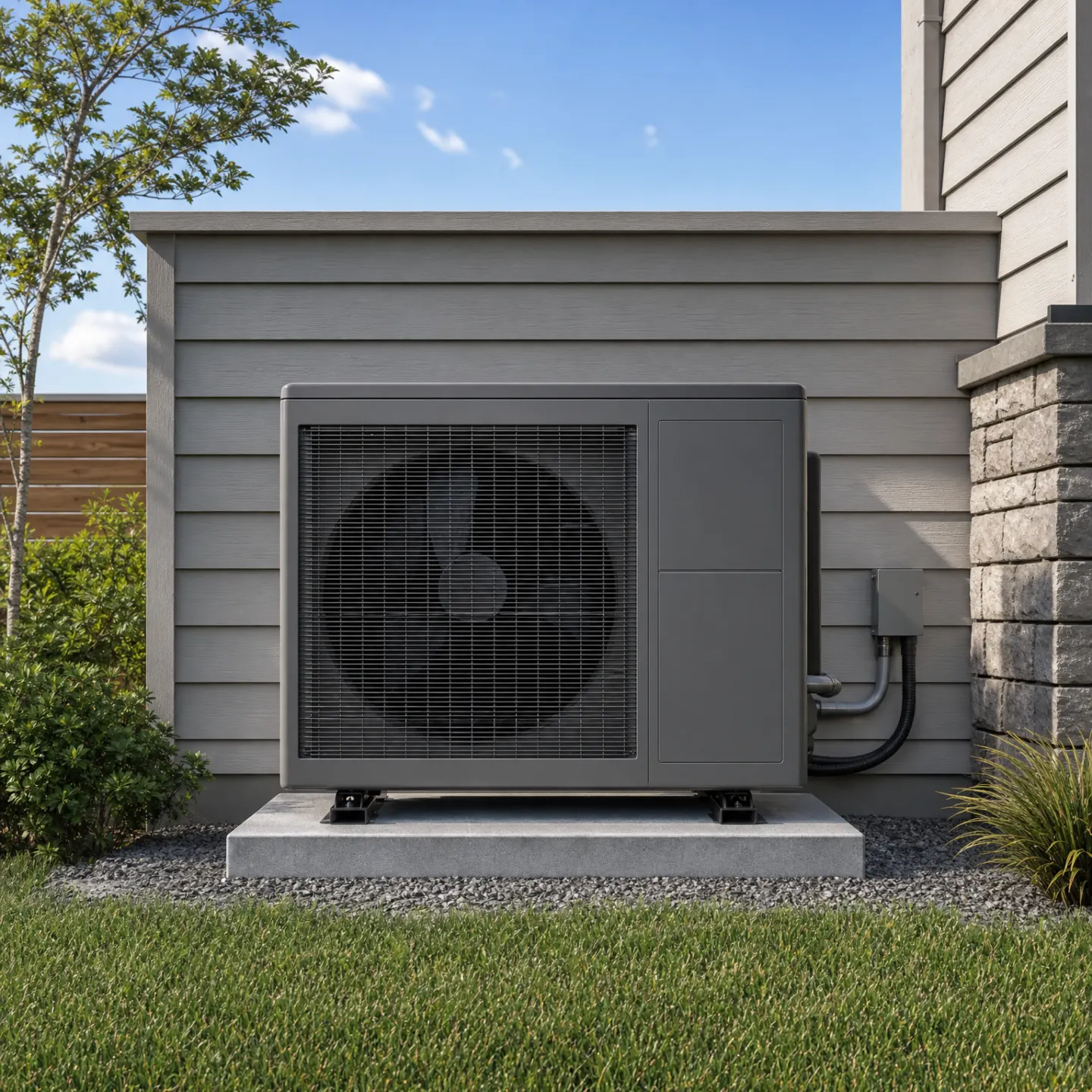
The outdoor unit sits outside in all of that, so where it goes and what shields it matters as much as the model you pick.




May is the quiet month here, the one right before cooling starts in June and runs through August. September works the same way, right before heat takes over in October and holds on through May. Get a heat pump installed in either of those windows and the contractor has time to size it right and get the charge correct, without a houseful of people waiting on a fix. Wait until the first hot week or the first hard freeze, and you're calling in when every other system that picked the same week to fail is also calling in. A system put in before the season starts has already been checked out and run once before it has to carry the full three months of summer or the eight months of winter that follow.
Since the rate applies to every hour the heat pump runs, the efficiency it's installed with is what decides your bill from day one. That's a spec worth getting right at installation, not something to revisit later.
Find a contractor
Sizing a heat pump starts with a load calculation, a room by room look at how much heat the house loses in winter and gains in summer. Square footage alone doesn't tell a contractor that. Insulation, window count, ceiling height and air leaks all change the number, and two houses the same size can need different sized systems. Get the size wrong and the machine tells you. Too big, and it blasts the house to temperature fast, shuts off, then starts again a few minutes later. That short cycling wears the compressor down well before its time and leaves the air clammy, because the system never runs long enough to pull moisture out. Too small, and it runs constantly, straining to keep up on the coldest or hottest days without ever catching up. A correctly sized unit runs in long, steady stretches, which is both easier on the equipment and better at holding a steady temperature.
That number on the label compares the heat moved to the electricity used to move it. A higher rating means the compressor and coil are doing more work per unit of power. But the rating is measured under set lab conditions. Your actual results depend on duct condition, the refrigerant charge being correct, and whether the unit was sized for the house it's heating and cooling.
The rating tells you what the equipment is capable of, not what it will deliver in your house. A unit that's oversized will short cycle, turning on and off before it settles into an efficient run. One that's undersized will run constantly trying to keep up. Either way, the number on the label stops meaning much if the install work around it isn't right.
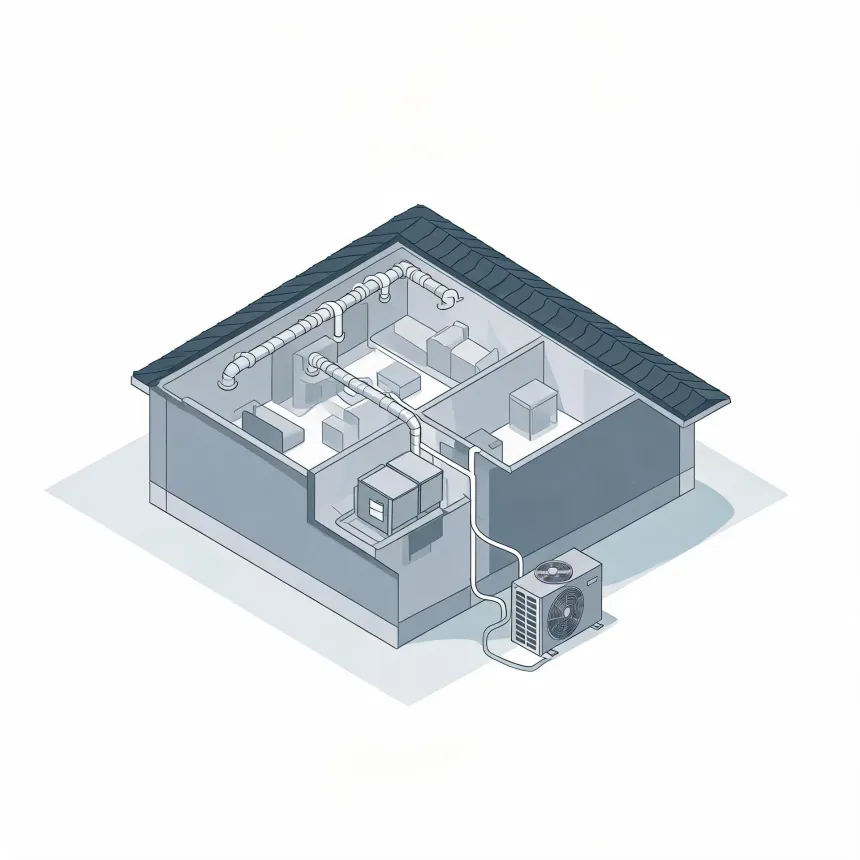
The equipment you pick is only part of what you're paying for. A contractor has to size the system to the house, which means a load calculation, not a guess based on the old system's size. Then there's the line set and electrical work, whether existing ductwork can be reused or needs changes, and where the outdoor unit gets placed. A heat pump also needs a way to handle defrost cycles and, depending on the climate, backup heat for the coldest stretches. Getting the refrigerant charge exact matters more with a heat pump than with a straight air conditioner, since it runs year round in both directions. None of that shows up on the price tag of the unit itself, but all of it determines whether the system runs the way the label says it should.
DuPage County falls in climate zone 5A, a cool zone where heating carries more of the load than cooling. Any split-system heat pump installed here, if manufactured from 2023 on, has to clear federal minimums built for that reality: at least 14.3 Btu of heat moved per watt-hour in summer, at least 7.5 in winter. Those numbers set a floor, not a target. A contractor sizing a system for this county is already working within that floor, which narrows what can legally go into your house. Ask what rating a unit carries and you're really asking how far above that floor it sits.